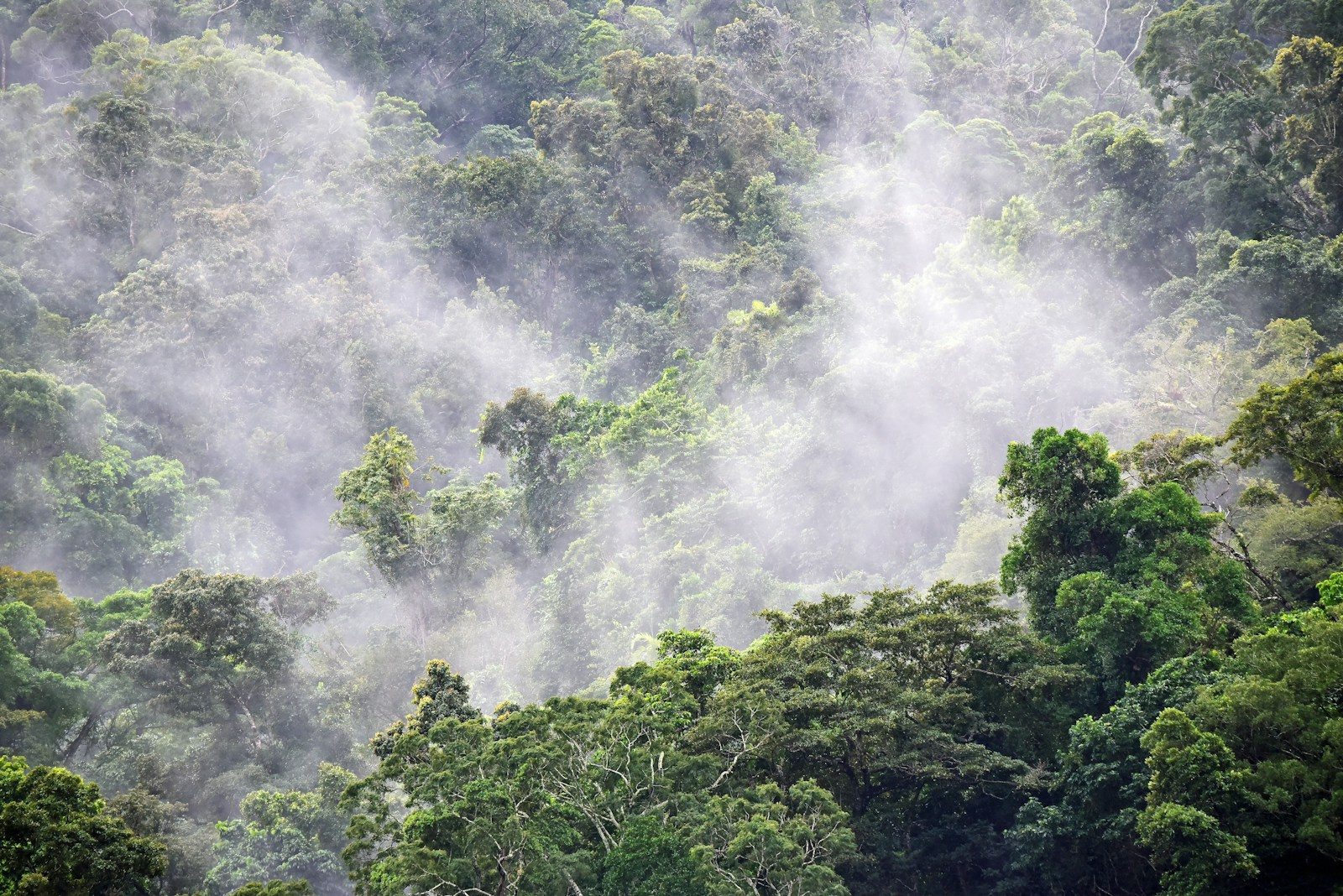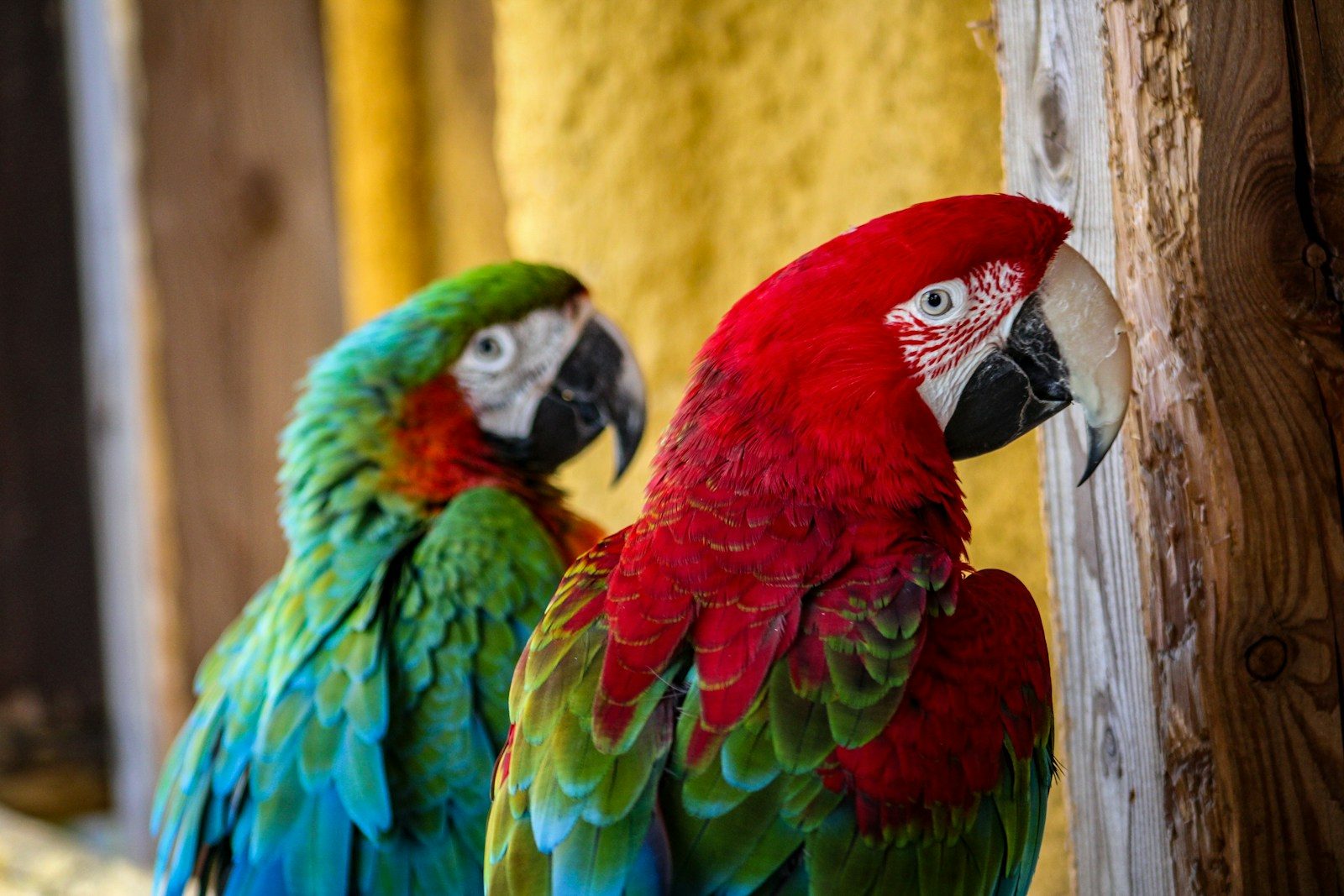
For nearly two centuries, the vibrant red-and-green macaw disappeared from large parts of Brazil’s Atlantic Forest due to deforestation and illegal wildlife trade. Today, conservationists are celebrating a rare success story as the species slowly returns to its former habitat.
Recent reintroduction efforts have helped restore populations in carefully managed forest areas. The results are being seen as a major milestone for one of the world’s most threatened biodiversity hotspots, the Atlantic Forest.
A Forest Once Rich in Wildlife Loss
The Atlantic Forest was once one of the most diverse ecosystems on Earth, home to thousands of plant and animal species. However, centuries of logging, agriculture, and urban expansion have reduced it to a fraction of its original size.
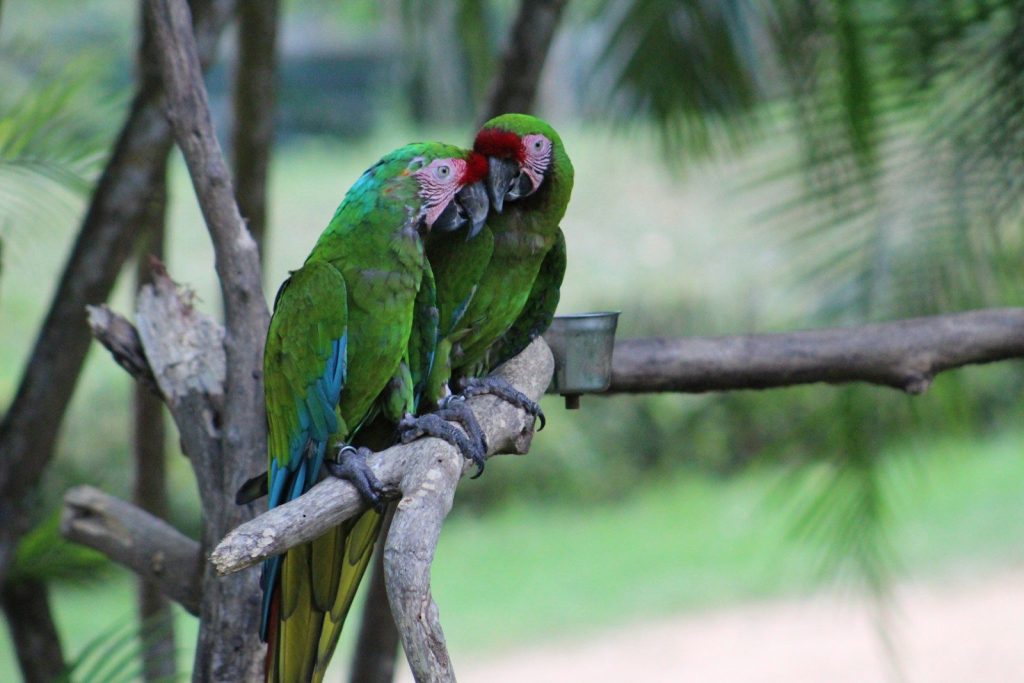
This habitat loss severely impacted species like the Red-and-green macaw, which depended on large, intact forest areas to survive. By the late 20th century, it had vanished from many coastal regions where it once thrived.
Illegal Trade and Habitat Destruction
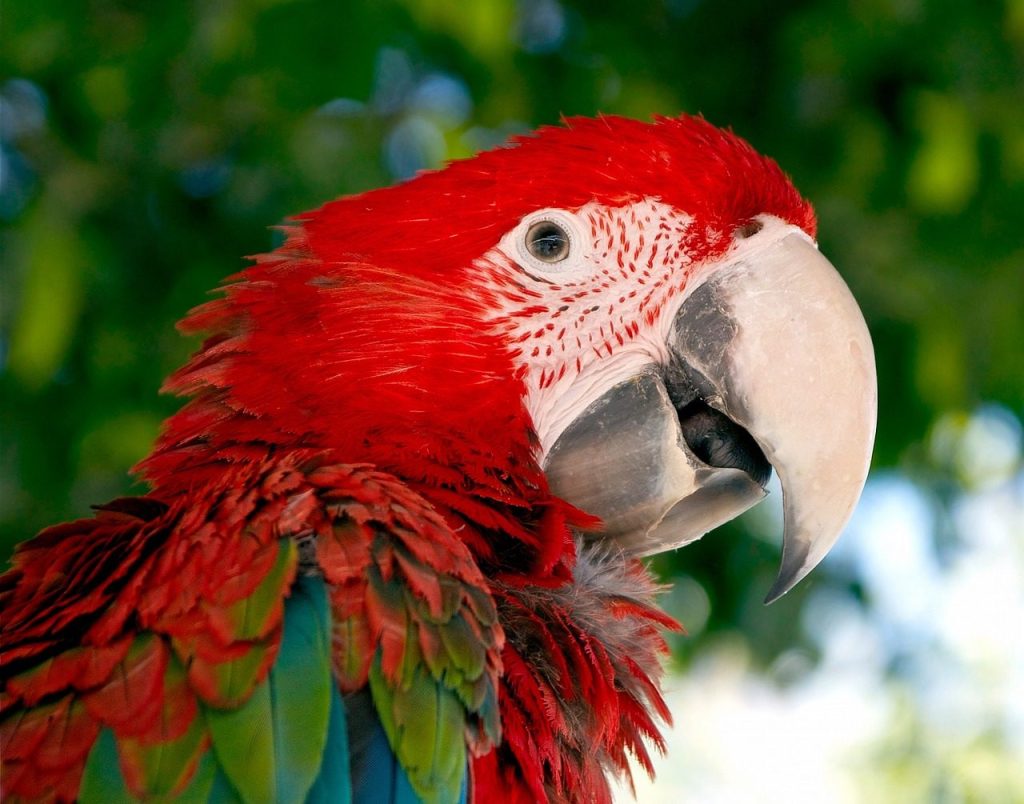
Two major pressures drove the macaw’s decline: deforestation and the exotic pet trade. The birds were highly valued for their striking colors and intelligence, making them frequent targets for illegal capture.
At the same time, the rapid clearing of forest removed nesting sites and food sources. Without mature trees, macaws struggled to reproduce and maintain stable populations in the wild.
A Carefully Planned Return to the Wild
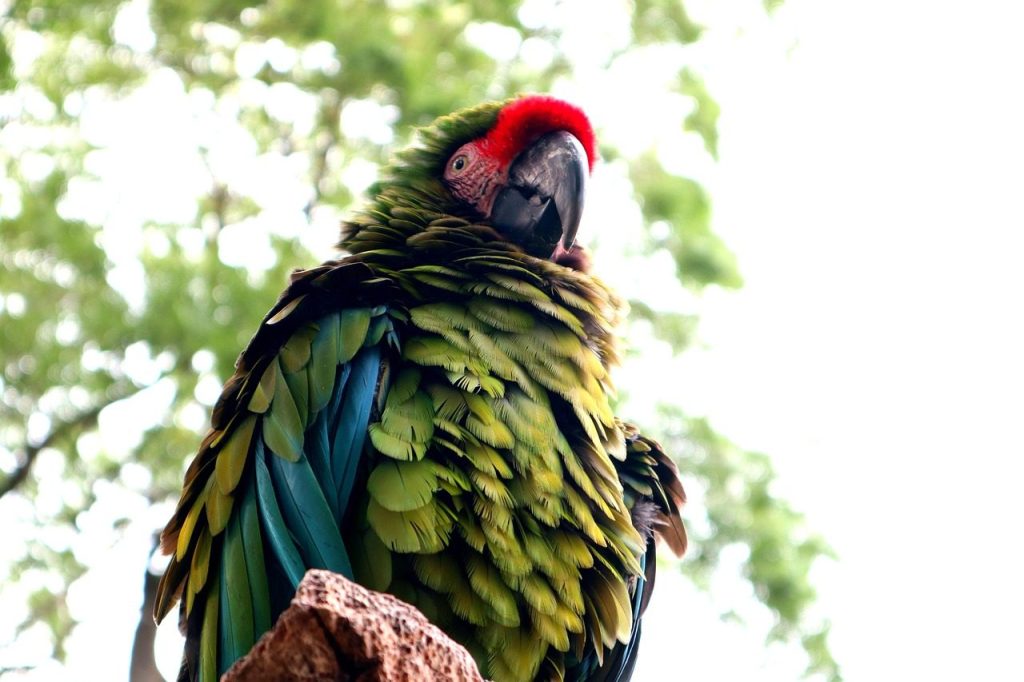
In recent years, Brazil’s environmental authorities launched structured reintroduction programs to bring the species back. Birds rescued from trafficking operations or surrendered by owners were selected for rehabilitation.
These macaws were prepared in controlled environments before release into protected forest areas in the Brazilian state of Bahia. The goal was to rebuild a self-sustaining wild population over time.
Training Birds for Survival Again
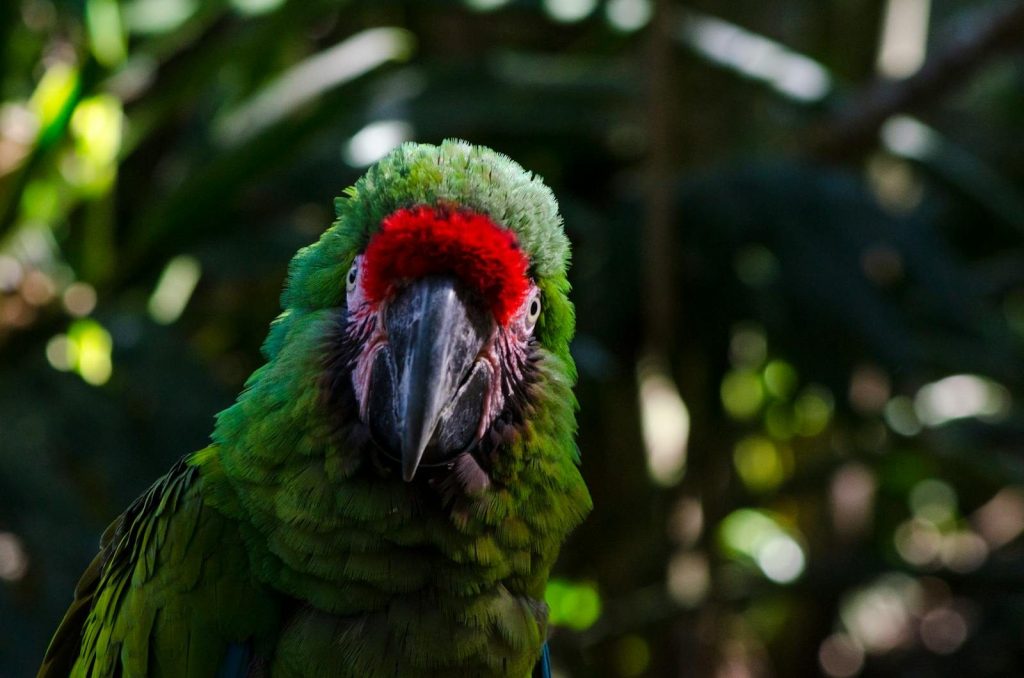
Before release, the macaws underwent careful preparation to improve their chances of survival. They were quarantined, microchipped, and gradually introduced to outdoor conditions.
They were also trained to recognize natural food sources, interact socially, and develop flight and foraging skills. This process helped bridge the gap between captivity and life in the wild.
A Historic First in Nearly 200 Years
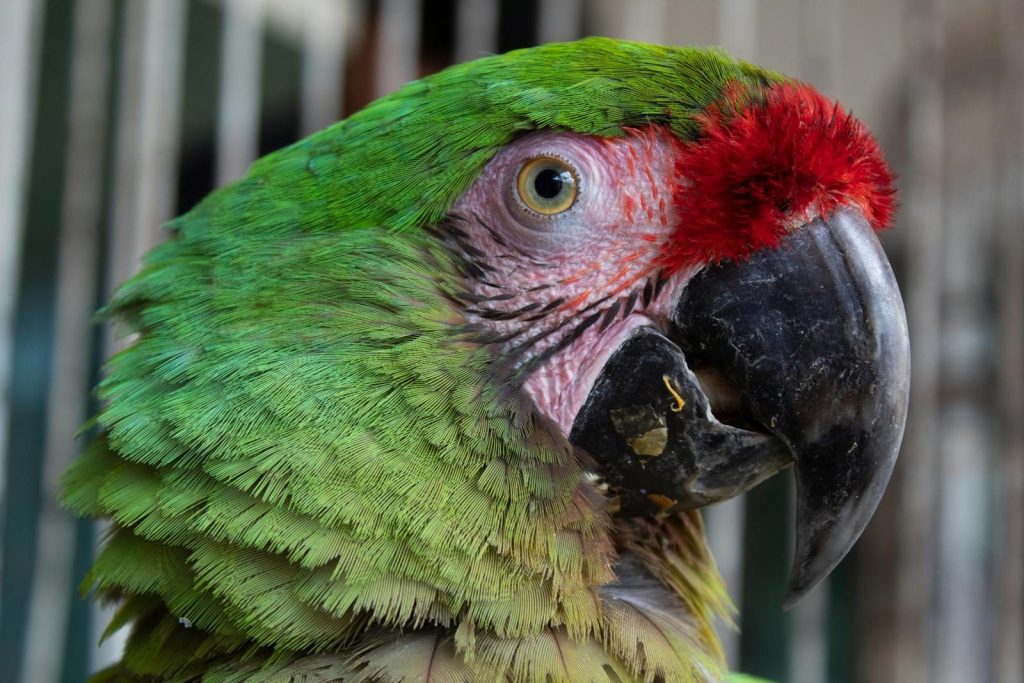
After release, conservationists installed nesting boxes and monitored the birds remotely to reduce human disturbance. Over time, the macaws began adapting to their new environment.
The breakthrough came when chicks were successfully hatched in the wild, marking the first confirmed reproduction of the species in the region in nearly 200 years.
A Symbol of Conservation Hope
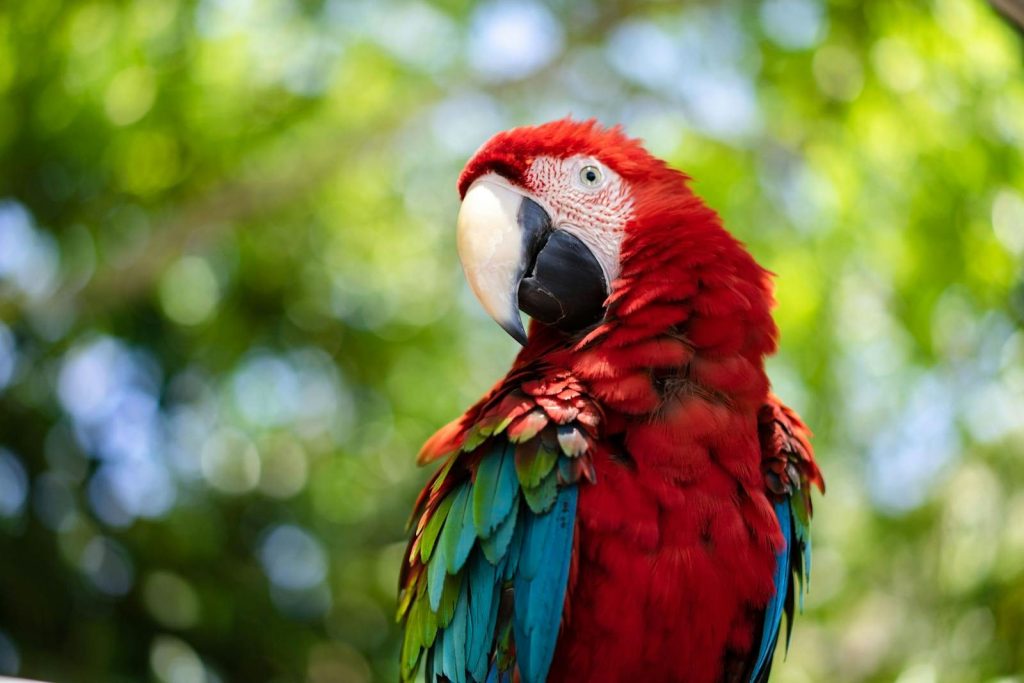
The return of the macaws is being hailed as a powerful example of what coordinated conservation efforts can achieve. It shows that even long-lost species can recover when habitats are restored and protections are enforced.
While challenges like illegal deforestation still threaten the Atlantic Forest, the return of these birds offers renewed hope. It is a reminder that nature can rebound when given the chance.