Keeping exotic animals as pets may sound shocking, but in some countries, owning creatures like lions, crocodiles, or monkeys is surprisingly legal under certain conditions. While dangerous animals often require permits, many smaller exotic species can still be purchased with little oversight.
As social media fuels fascination with unusual pets, experts warn that the growing trend is creating serious welfare problems for animals never meant to live inside human homes. Behind the viral videos and cute photos is a reality that is often far less glamorous.
Social Media Is Driving the Exotic Pet Boom
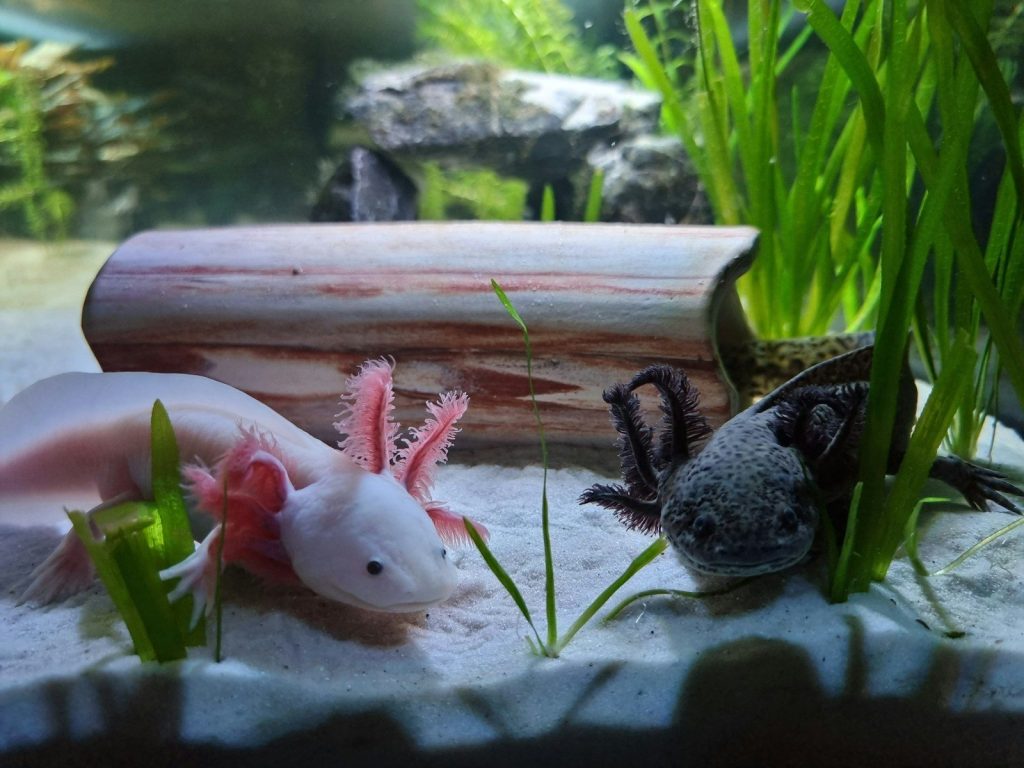
Platforms filled with viral animal videos have changed the way people see wildlife. Sloths, otters, sugar gliders, and tiny monkeys are now viewed by some as trendy companions rather than wild creatures.
Experts say these videos encourage impulsive interest in exotic pets without showing the stress and suffering many animals experience in captivity. Cute online moments rarely reveal the full reality behind the scenes.
Wild Animals Are Not Domesticated Pets
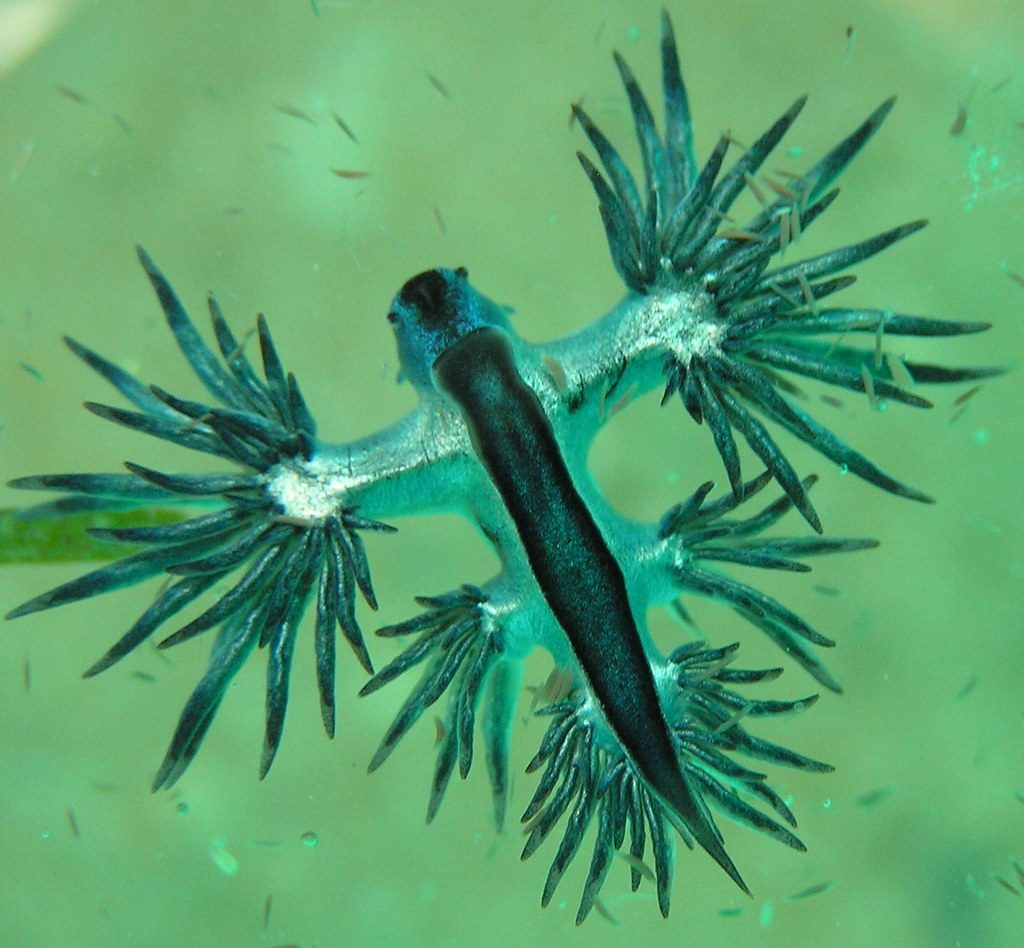
Unlike dogs or cats, exotic animals have not evolved alongside humans over thousands of years. Many species rely on complex environments, specialized diets, and social behaviors that are difficult or impossible to recreate in homes.
Animals like sloths naturally live solitary lives in tropical forests, while primates require constant stimulation and social interaction. Keeping them confined indoors can lead to severe stress and abnormal behavior.
Viral Videos Often Hide Animal Suffering
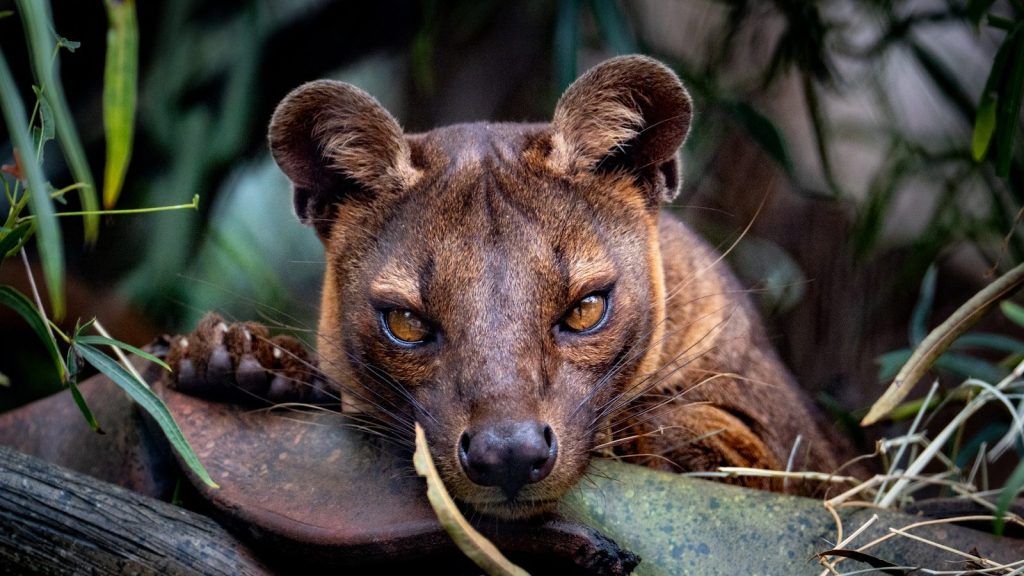
Researchers studying online animal content found that many exotic animals featured in “funny” or entertaining videos show visible signs of distress. Some animals display fear, anxiety, or physical pain while interacting with humans.
Despite this, social media algorithms reward emotionally engaging content, encouraging more people to seek out unusual pets for attention or online popularity. The demand can fuel illegal wildlife trade networks around the world.
Rescue Centers Are Seeing More Abandoned Animals

Wildlife sanctuaries and rescue centers report a growing number of exotic animals being surrendered or abandoned. Many owners underestimate the cost, care, and long-term commitment these animals require.
Some rescued animals arrive malnourished or psychologically traumatized after being kept in unsuitable conditions. In extreme cases, primates and other species have reportedly been confined to tiny cages or fed improper diets.
Laws Often Struggle to Keep Up
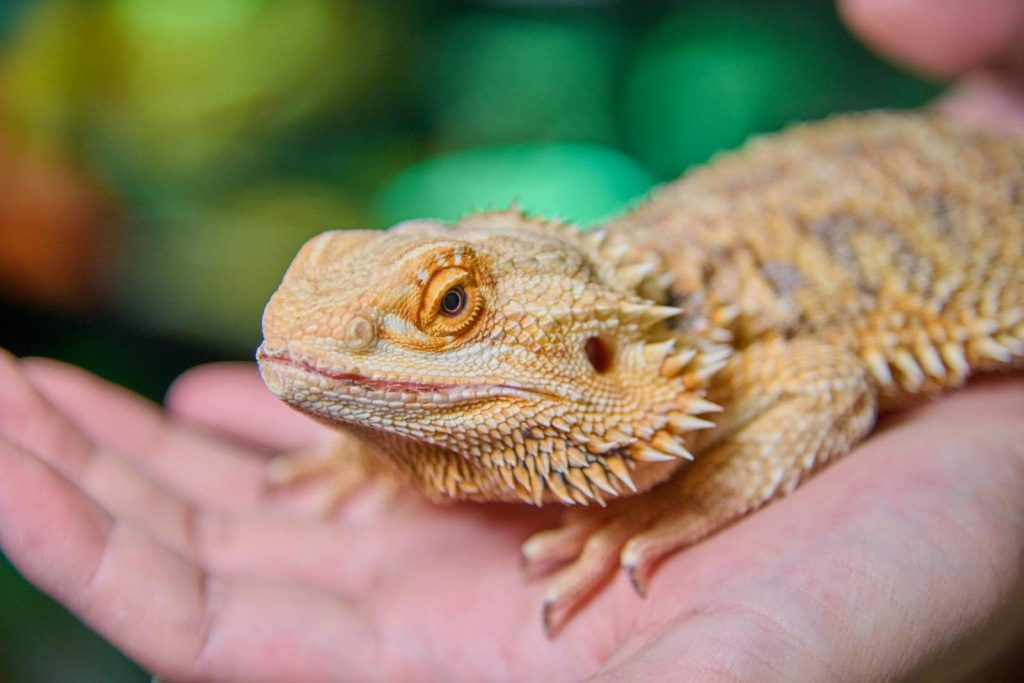
Although some countries have introduced stricter rules for exotic pet ownership, enforcement remains difficult. In the UK, new laws now require licenses for keeping primates, but many experts worry illegal ownership continues unchecked.
Authorities and rescue organizations fear that tighter restrictions may also lead some owners to abandon animals rather than comply with regulations. This creates additional welfare and conservation concerns.
The Ethical Question Behind Exotic Ownership
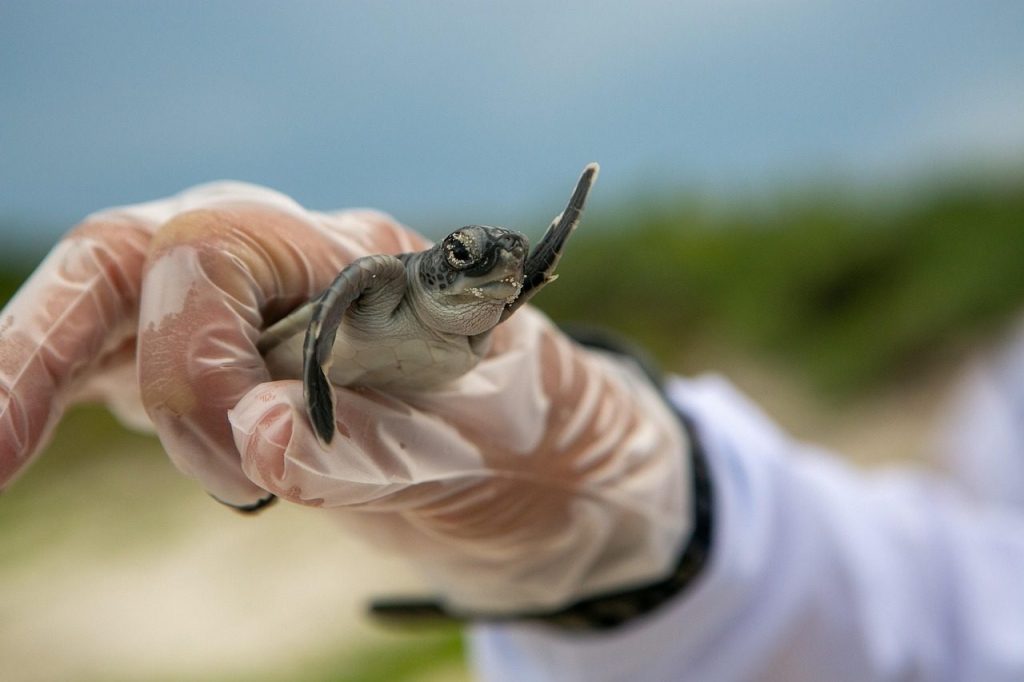
Animal welfare advocates argue that fascination with exotic pets often ignores the needs of the animals themselves. Wild species are frequently treated as status symbols, entertainment, or social media accessories rather than living creatures with natural instincts.
Experts say respecting wildlife means appreciating animals in their natural habitats instead of attempting to own them. What looks adorable online may come at a serious cost to the animal’s wellbeing.
Why Conservationists Are Concerned
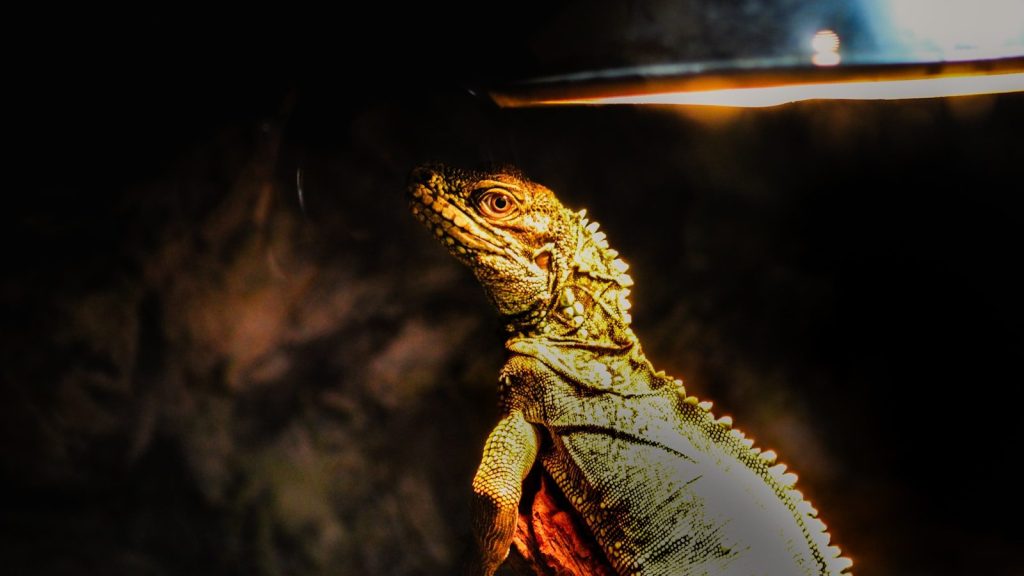
The exotic pet trade does not only affect individual animals. It can also threaten wild populations through illegal trafficking and habitat disruption. Some species become targets simply because they gain popularity online.
Conservationists warn that protecting wildlife requires reducing demand for exotic ownership altogether. Admiring animals from a distance may ultimately be one of the best ways to ensure their survival in the wild.