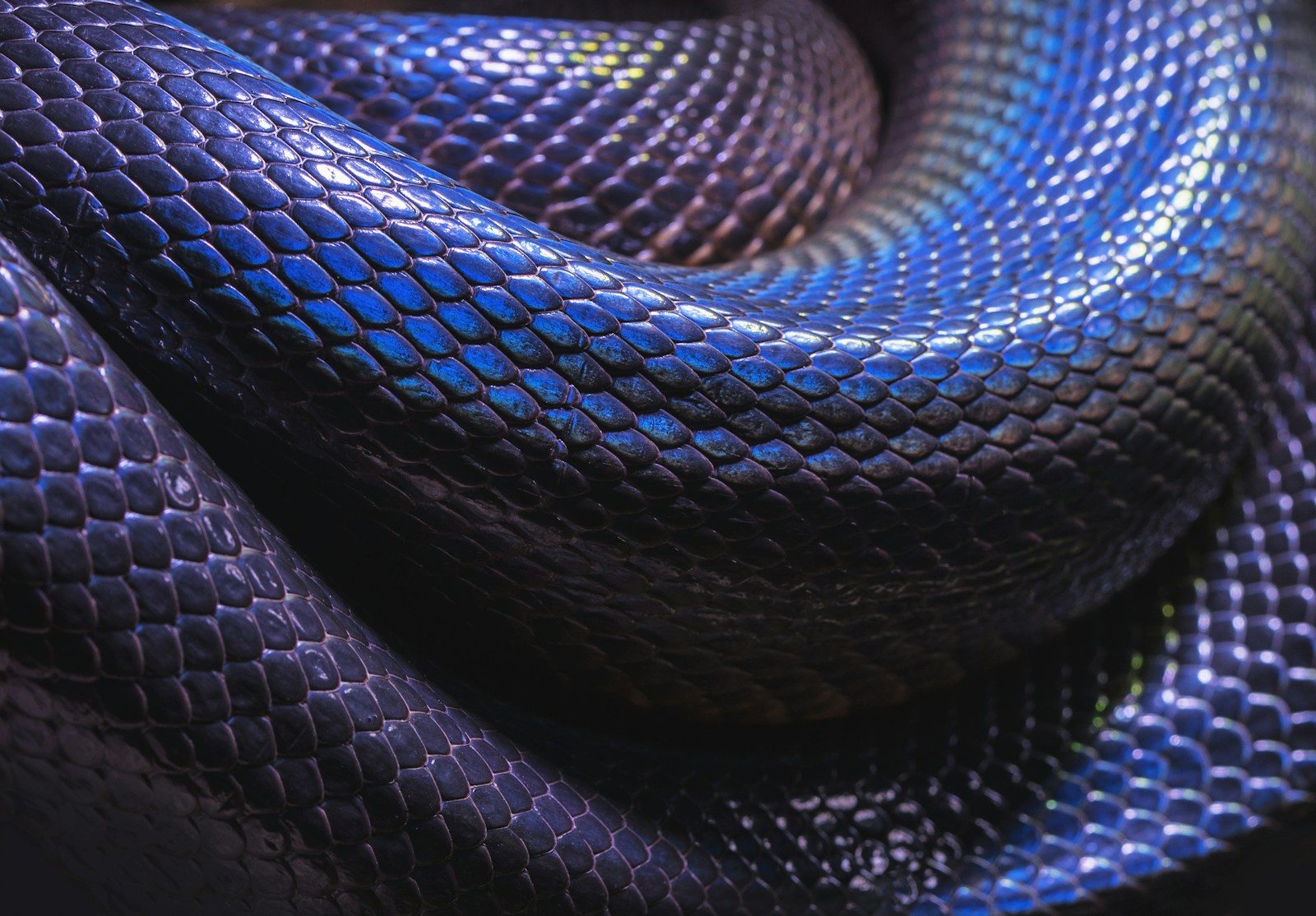
Ophidiophobia is a real mouthful of a word for a very simple idea: a fear of snakes. And while only a small percentage of people experience a full clinical phobia, a much larger portion of the population still feels uneasy around them. That reaction is not entirely irrational either, especially in a country like the United States where dozens of snake species exist, including more than 20 that are venomous.
A Country Full of Snakes
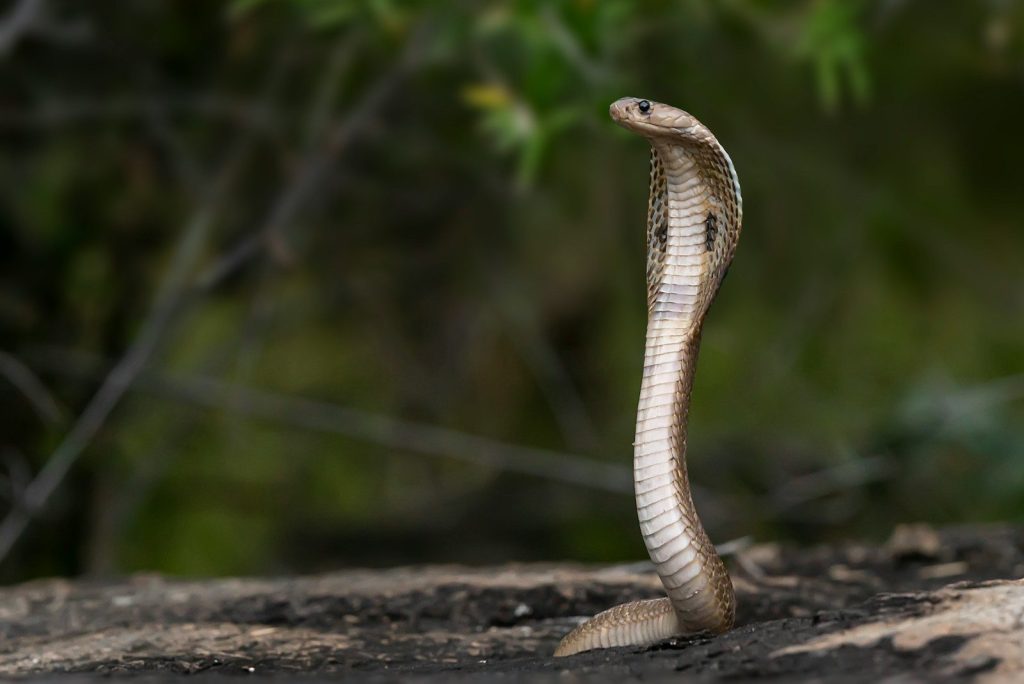
The United States is home to around 100 species of snakes, spread across forests, deserts, wetlands, and suburban edges. Most are harmless and play important roles in controlling rodent populations and maintaining ecosystem balance.
Still, the presence of venomous species such as rattlesnakes, copperheads, and cottonmouths means caution is always advised in certain regions. Encounters are rare, but awareness helps reduce unnecessary risk and fear.
Where You Will Not Find Venomous Snakes
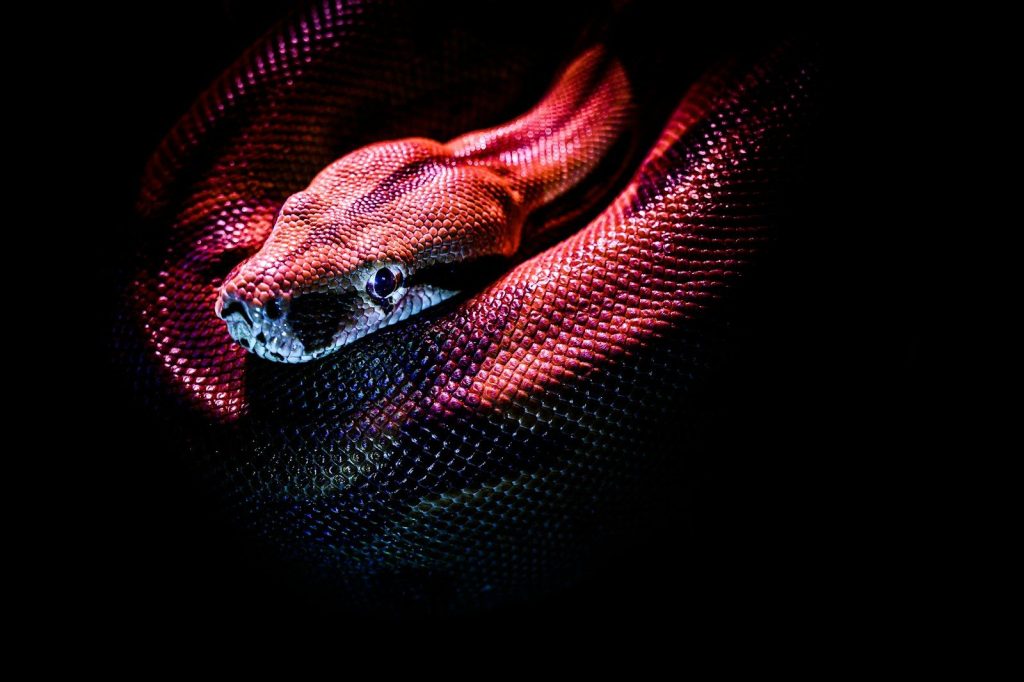
If avoiding venomous snakes is a top priority, there are two U.S. states where no native deadly species are found: Maine and Rhode Island. These New England states are often highlighted as safe zones for those with strong snake anxiety.
However, “no venomous snakes” does not mean “no snakes at all.” Non venomous species still exist in both states, but they are generally considered harmless to humans and rarely pose danger.
Why Florida and California Are Not on the Safe List
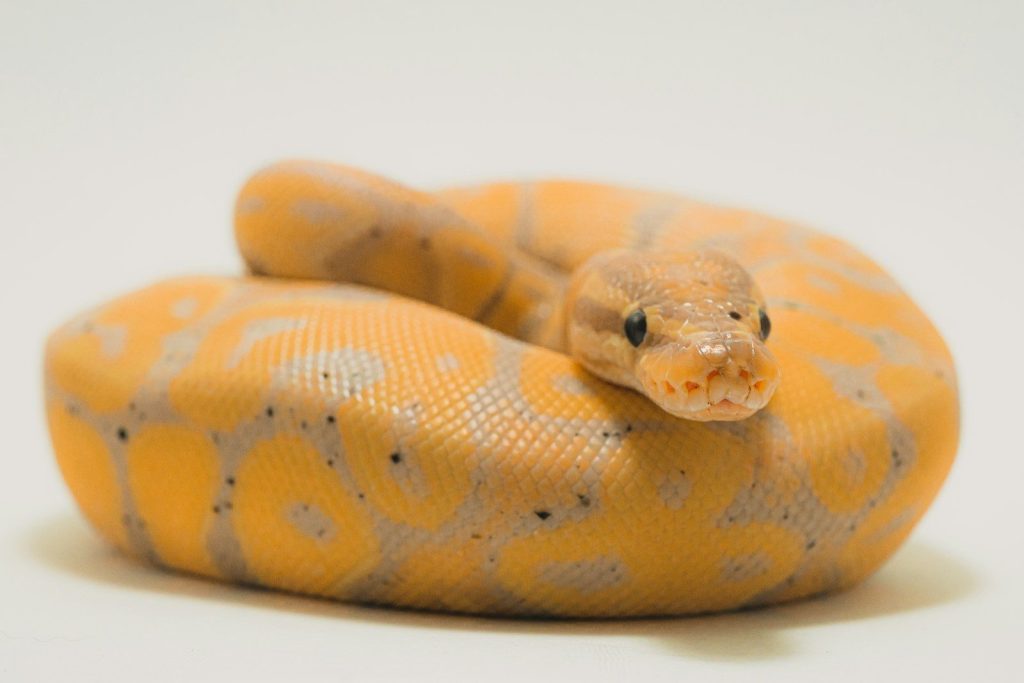
Florida is well known for its rich reptile population, including several venomous snakes such as cottonmouths and rattlesnakes. Its warm, humid environment creates ideal conditions for many snake species to thrive.
California also hosts multiple venomous snakes, including various rattlesnake species found in deserts, mountains, and grasslands. Some of these species are protected under state laws, making it illegal to harm them in certain circumstances.
Mistaken Identity Is a Common Problem
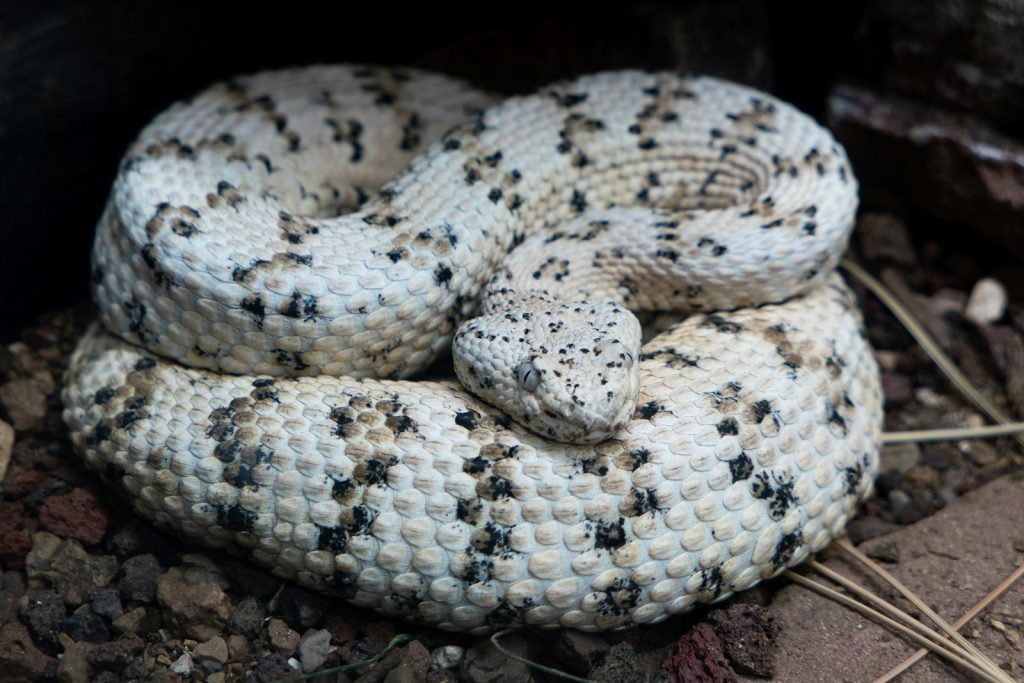
Many snake encounters become alarming simply because harmless species are mistaken for dangerous ones. For example, common watersnakes in the northeastern United States are often confused with venomous cottonmouths.
This misidentification leads to unnecessary fear and sometimes harm to harmless wildlife. Learning basic identification features can significantly reduce panic during outdoor encounters.
Real but Rare Dangerous Encounters
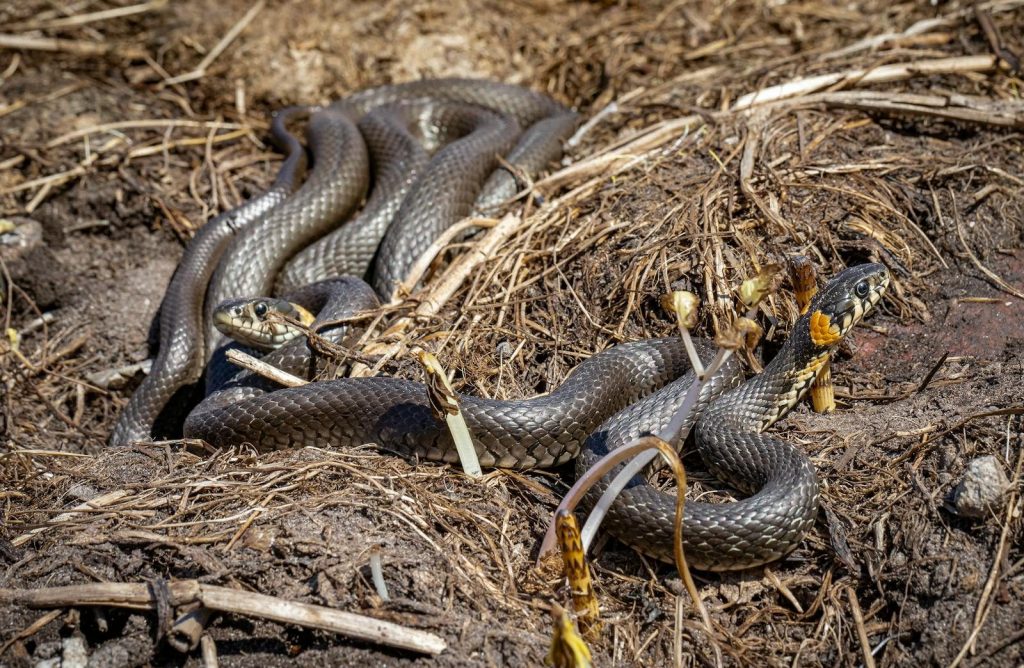
Even in states where venomous snakes exist, serious bites are uncommon. Most snakes prefer to avoid humans and will only strike if they feel threatened or cornered.
Experts emphasize that snake bites are usually defensive, not aggressive. Simple precautions like watching where you step and not handling wild snakes greatly reduce risk.
Why Snakes Matter More Than People Realize
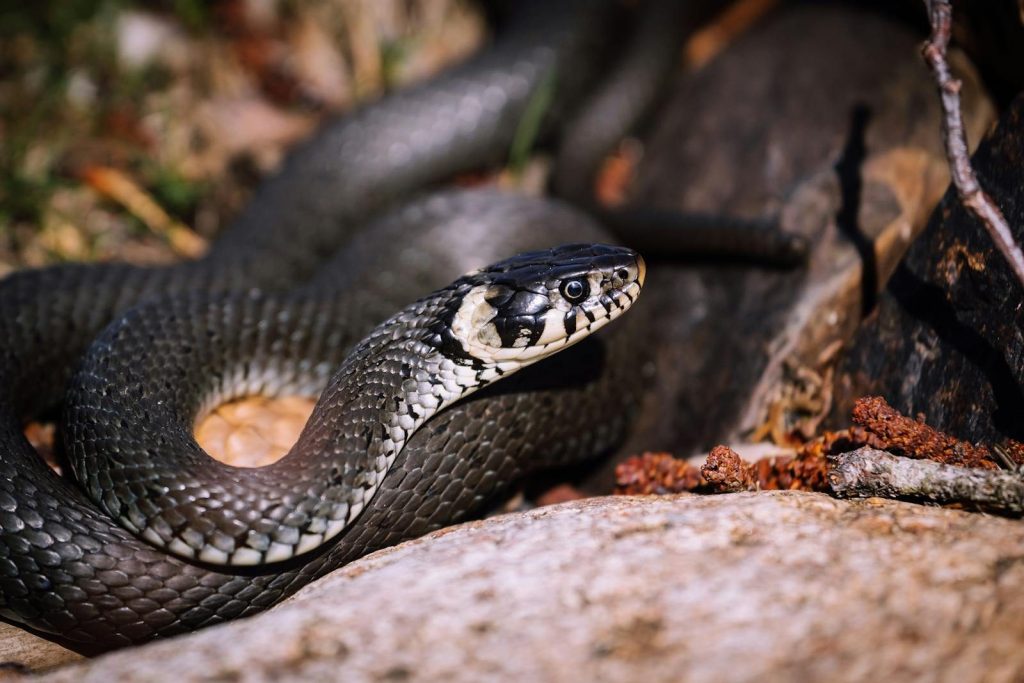
Despite fear and misunderstanding, snakes play a crucial ecological role. They help control rodent populations, which in turn can reduce disease spread and agricultural damage.
Removing snakes from ecosystems can actually create imbalance, leading to larger pest problems. In this way, even the most feared species contribute to environmental stability.