The animal kingdom is full of facts that sound invented until the biology behind them is explained. Some animals freeze through winter, rebuild lost body parts, change structures inside their eyes, or divide the job of sleeping between two halves of the brain. These traits are strange, but each solves a real survival problem. Evolution often finds solutions that seem impossible from a human perspective.
Rather than collecting random trivia, this slideshow focuses on verified adaptations that reveal how flexible animal bodies can be. The examples cover circulation, freezing, regeneration, touch, vision, sleep, and deep-sea feeding. Once the mechanism is understood, the fact becomes even more impressive because it shows exactly what natural selection has made possible. Nature becomes stranger, not less believable, when the details are accurate.
Octopus Hearts
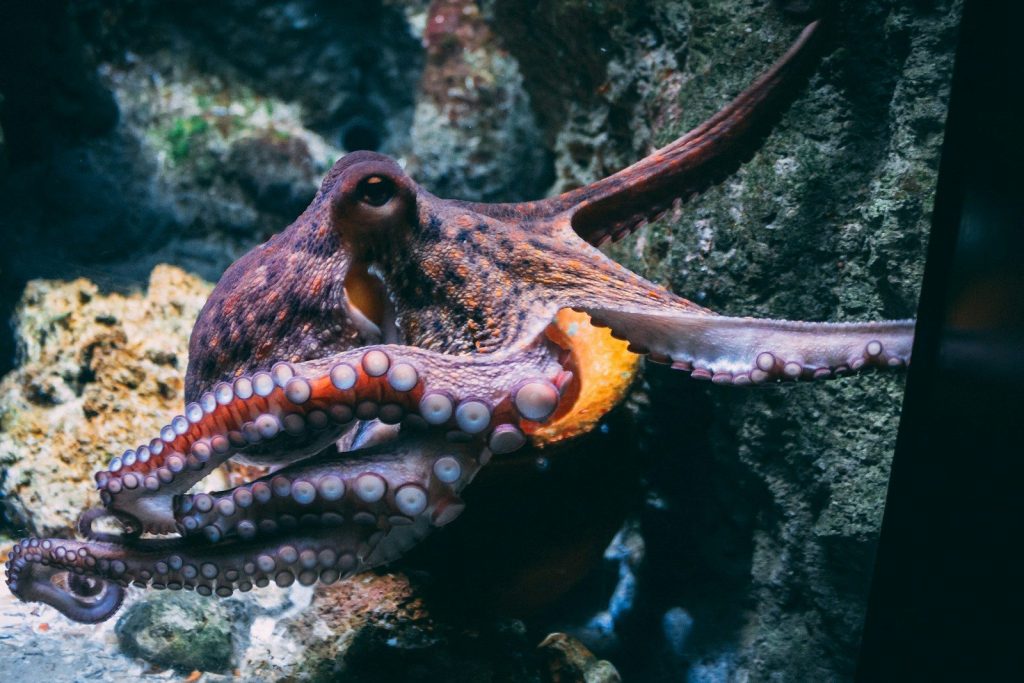
An octopus has three functioning hearts. Two branchial hearts move blood through the gills, while a systemic heart pumps oxygenated blood around the rest of the body. Octopus blood also appears blue because the oxygen-carrying molecule hemocyanin contains copper rather than the iron found in human hemoglobin. That chemistry performs well in cold, low-oxygen marine conditions. The combination sounds like science fiction, but it is simply a different solution to the same basic problem all active animals face: moving oxygen efficiently through the body.
Frozen Wood Frogs

Wood frogs can survive winter while much of the water around their tissues freezes. National Park Service descriptions from Alaska note that frozen frogs can stop breathing and show no heartbeat for months. Their livers produce large amounts of glucose, helping protect cells from dehydration and damaging internal ice formation. Ice forms around cells rather than inside them. When temperatures rise, the animals thaw and normal activity resumes. This is not death followed by resurrection; it is an extreme physiological strategy for surviving long periods of subfreezing weather.
Sea Cucumber Defense
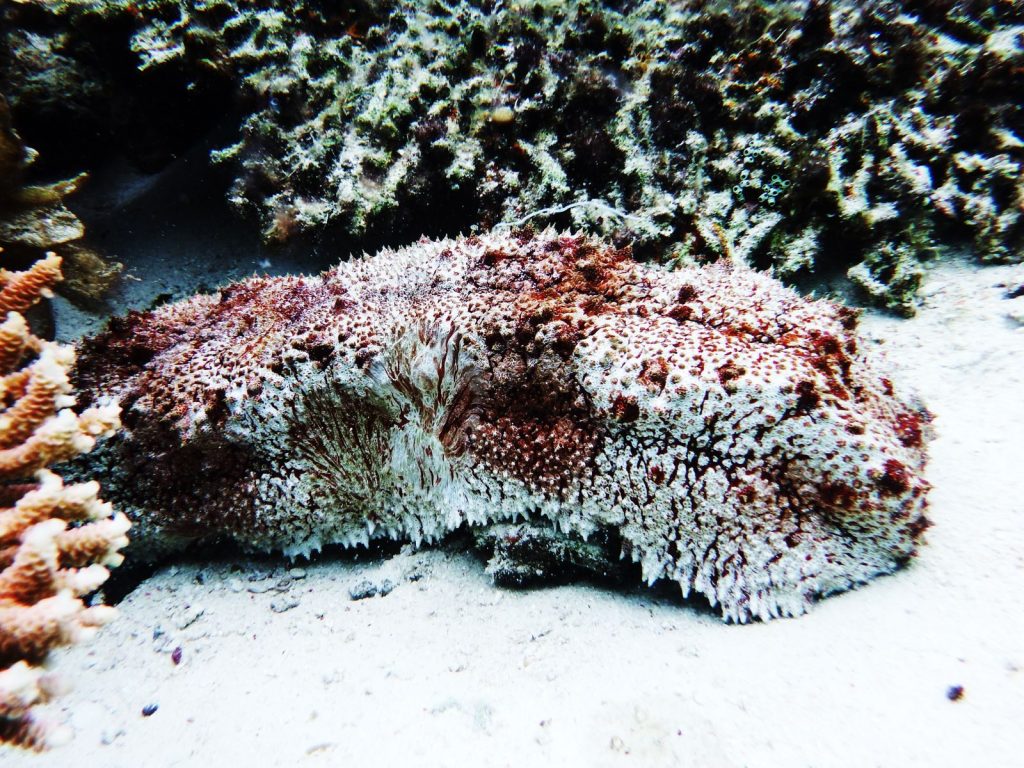
Some sea cucumbers can deliberately eject internal organs when threatened. Smithsonian explains that certain species expel parts of the digestive, respiratory, or reproductive systems, leaving tissue behind while the animal escapes. The missing structures can later regenerate. The defense sounds self-destructive, but regeneration is built into the biology of these echinoderms. Not every species uses exactly the same strategy, and losing organs still carries costs. Even so, the ability to sacrifice major internal structures and then rebuild them is one of nature’s strangest defensive responses.
Reindeer Eyes

Reindeer eyes physically change with the seasons. Research from University College London found that the tapetum lucidum, a reflective layer behind the retina, shifts from golden in summer to deep blue in winter. The winter change is associated with increased retinal sensitivity during prolonged Arctic darkness, although it comes with tradeoffs in visual sharpness. The same animal therefore modifies part of its optical system as seasonal light changes. This is a rare example of a mammalian eye undergoing a structural adjustment to dramatically different annual lighting conditions.
Star-Nosed Mole
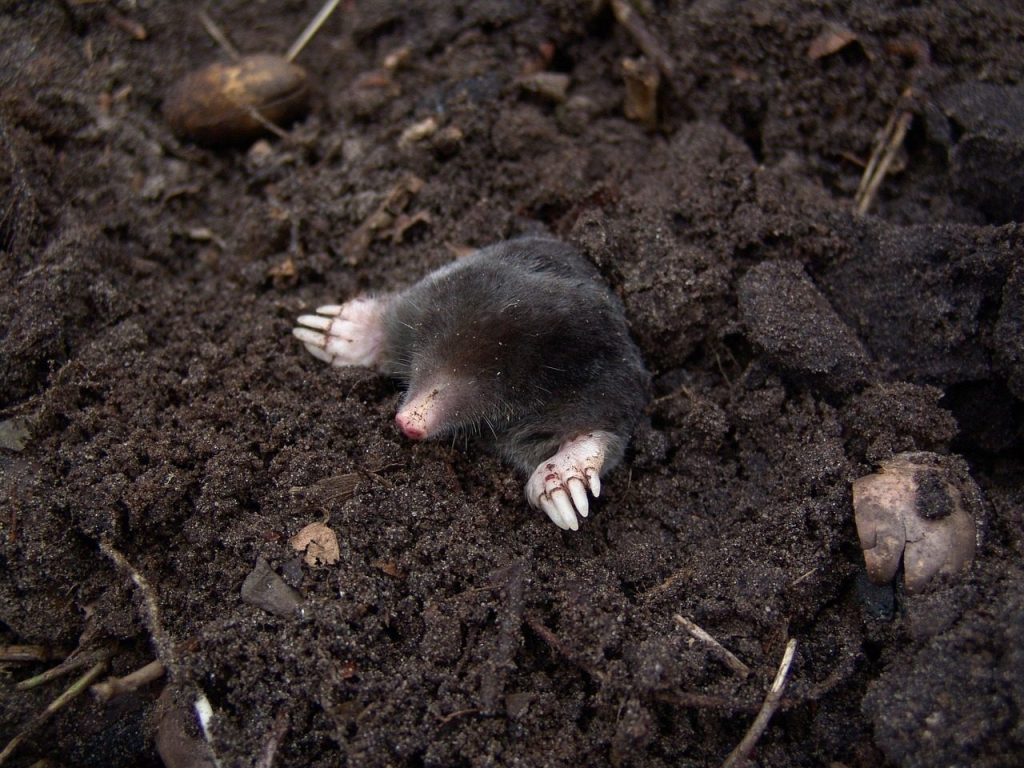
The star-nosed mole has 22 fleshy rays surrounding its nose, and those appendages function as an extraordinary touch organ. Thousands of specialized receptors called Eimer’s organs cover the surface. During foraging, the mole moves the rays rapidly across objects and can identify potential prey in fractions of a second. The star does not grab food like a hand. Instead, it gathers tactile information so quickly that the animal can hunt effectively in dark tunnels and wet habitats where ordinary vision provides relatively little useful information.
Axolotl Regeneration

Axolotls can regenerate entire limbs and repair several other tissues with an effectiveness that has made them important research animals. San Diego Zoo notes that regenerated limbs replace skin, bone, cartilage, muscle, and other tissues rather than simply closing the wound with heavy scarring. Axolotls also keep larval features such as external gills into adulthood. Their regeneration is remarkable, but it does not make them immortal or impossible to injure. Wild populations still face serious threats from habitat degradation, pollution, and introduced species around Mexico City.
Vampire Squid Diet

The vampire squid sounds like a predator from a horror story, yet Monterey Bay Aquarium describes it mainly as a deep-sea scavenger. It feeds on marine snow, the drifting mixture of dead organic material, mucus, fecal particles, and other debris sinking through the water column. Long feeding filaments collect the particles before they are brought toward the mouth. The animal’s scientific name and dark webbed arms created a frightening reputation, but its feeding strategy is closer to patiently gathering falling debris than hunting large living prey in the deep.
Dolphin Sleep

Dolphins cannot simply become deeply unconscious for hours in the way humans do because they must continue surfacing to breathe. NOAA explains that dolphins and whales use unihemispheric sleep, resting one side of the brain at a time while the other remains sufficiently alert for breathing and awareness. This can allow one eye to remain open. The arrangement does not mean dolphins never sleep. Instead, their nervous system divides the job so rest can occur without giving up the voluntary breathing and environmental monitoring required for life in water.
Featured Image: Photo by Tim Morgan on Pexels