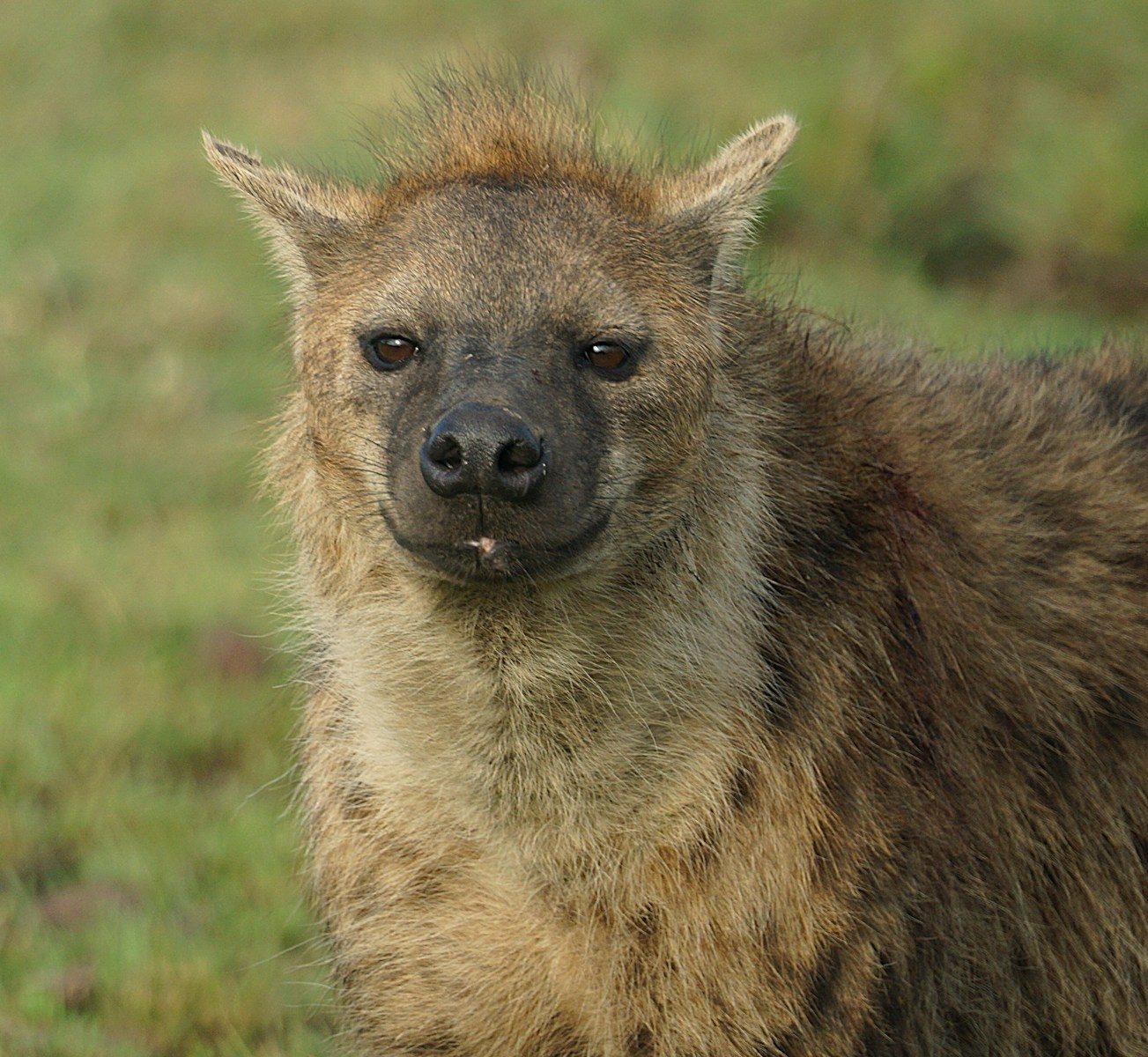
Spotted hyenas are famous for sounds people describe as laughter, but the comparison can be misleading. Their high-pitched giggles do not prove that a hyena is amused or happy. Instead, research shows these calls carry social information, especially during tense interactions involving food, rank, competition, and other members of the clan and changing social pressure within groups over long periods.
That makes hyena vocal behavior more interesting than a simple joke about “laughing animals.” A clan contains complicated relationships, and individuals use many sounds to communicate across different situations. By examining giggles, whoops, growls, and social context, researchers can learn how hyenas identify one another, negotiate status, and coordinate life inside one of the mammal world’s most complex societies in the wild and captivity.
Spotted Hyena Giggles

The classic hyena “laugh” is a rapid series of high-pitched calls usually called giggling. Researchers studying captive spotted hyenas found that giggles encode information rather than simply expressing pleasure. Acoustic details can reveal characteristics of the caller, helping other hyenas respond appropriately during social encounters. Giggles are often heard in situations involving excitement, submission, frustration, or competition. Calling the sound laughter is understandable because it resembles human laughter, but scientists avoid assuming that the emotional experience behind it is the same as ours.
Social Rank

A hyena’s giggle can carry clues about social status. Research led by Nicolas Mathevon found that acoustic features of the call were associated with dominance information, allowing listeners to gain useful social knowledge from sound alone. Rank matters greatly in spotted hyena clans because it influences access to food and interactions with other members. A lower-ranking animal may face very different pressures from a dominant one. The vocalization therefore functions within a structured society, not as a random burst of comic-sounding noise.
Age Signals

Hyena giggles also contain information related to age. In acoustic studies, researchers were able to identify age-related differences in the structure of calls. That means a listening hyena may gain clues about who is vocalizing before seeing the caller clearly. In a large clan, such information can matter during feeding or conflict, when several animals may be calling at once. Age is only one part of the message, but it shows how a sound that seems chaotic to human ears can contain biologically meaningful details.
Individual Identity
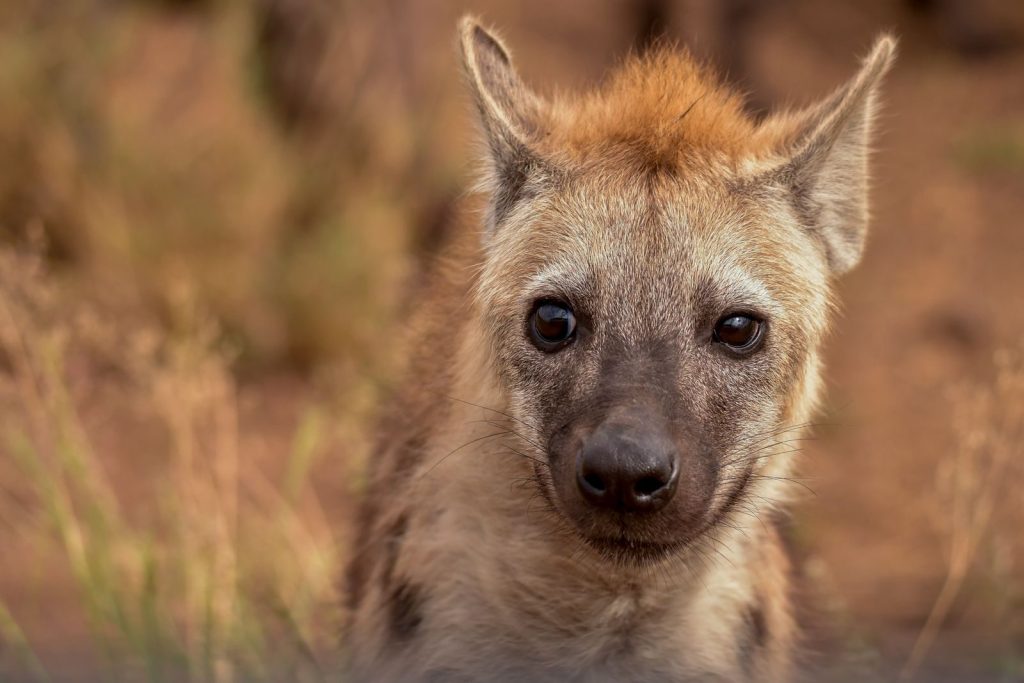
Researchers have found that spotted hyena vocalizations can carry signatures of individual identity. A giggle is therefore not necessarily interchangeable with every other giggle in the clan. Differences in pitch and other acoustic properties may help listeners recognize who produced the call. Individual recognition is valuable in a society built around long-term relationships, alliances, kinship, and rank. To people, a group of vocalizing hyenas may sound like uncontrolled laughter, but to the animals the calls may provide information about specific social partners nearby.
Whoop Calls

The long, rising “whoop” is one of the spotted hyena’s most recognizable calls and serves a different role from giggling. Whoops can travel across long distances, helping separated clan members communicate when they cannot see one another. Researchers studying hyena vocal behavior have linked these calls to social coordination and identity. A whooping animal may advertise its presence or help maintain contact across a large territory. The haunting sound is therefore better understood as long-range communication than as another version of the famous hyena laugh.
Clan Hierarchy

Spotted hyena clans can contain dozens of individuals organized into stable social hierarchies. Females and their offspring generally dominate immigrant adult males, and rank can influence feeding priority, alliances, and reproductive opportunities. Such a system creates many situations in which communicating identity and status is useful. Vocalizations work alongside posture, scent, and physical interactions to help hyenas navigate those relationships. The more scientists study the clan, the less appropriate the old stereotype of hyenas as mindless scavengers or constantly laughing villains becomes.
Feeding Conflicts
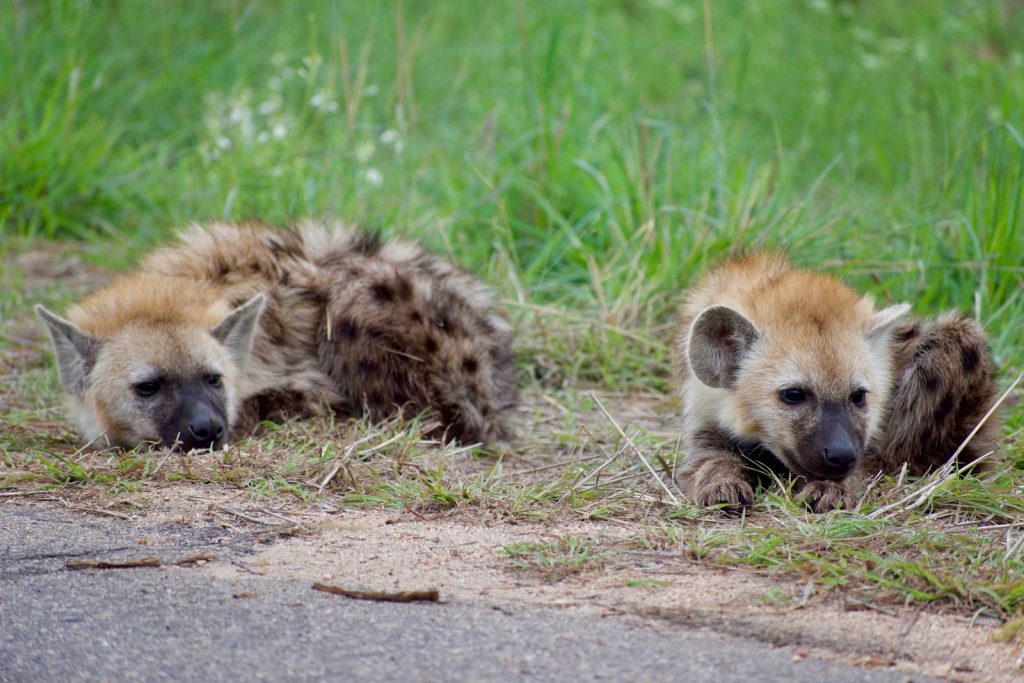
Many hyena giggles occur around food, where competition can be intense. A carcass may attract several clan members with different ranks and relationships, creating rapid changes in social pressure. Subordinate animals can be displaced by dominant ones, while allies and relatives may affect the outcome. Giggles heard in these moments may reflect arousal or submission rather than happiness. Studying calls during feeding helps researchers connect sound structure with real social situations, revealing why the same vocal behavior can mean much more than the human label “laughter” suggests.
Hyena Intelligence

Spotted hyenas live in unusually complex societies and show sophisticated social cognition. Research has examined their ability to recognize relationships, respond to rank, form alliances, and adjust behavior according to who is present. Their varied vocal repertoire supports that social life, with different calls carrying information across short and long distances. The famous giggle is only one piece of this communication system. Seeing hyenas as socially intelligent predators provides a more accurate picture than treating their sounds as evidence of constant happiness, humor, or cruelty.
Featured Image: Photo by Gurth Bramall on Unsplash