Pigeons are so familiar in cities that people often see them only as background noise, sidewalk crowds, or messy neighbors. That reputation hides a much richer story. The common urban pigeon descends from rock doves that humans domesticated thousands of years ago, creating a long relationship between people and one remarkably adaptable bird. Its success is partly a story of domestication, travel, and human-made habitat.
Pigeons have carried messages, navigated long distances, raised chicks with unusual crop milk, and learned to thrive around buildings that resemble ancestral cliffs. Calling them the world’s most misunderstood bird is subjective, but their biology and history clearly deserve more respect than the simple label of urban pest usually allows. Looking closer reveals an animal shaped by both natural adaptation and centuries of human influence.
Rock Dove Origins

Most city pigeons descend from domesticated rock doves, birds originally associated with cliffs and rocky landscapes across parts of Europe, North Africa, and Asia. Humans transported and bred them for food, sport, communication, and companionship, and escaped or released birds established feral populations around the world. Urban buildings provide ledges, roofs, bridges, and sheltered recesses that can resemble natural cliff nesting sites. Their success in cities is therefore not mysterious: people helped create the conditions that allowed these adaptable birds to spread so widely.
Ancient Partnership
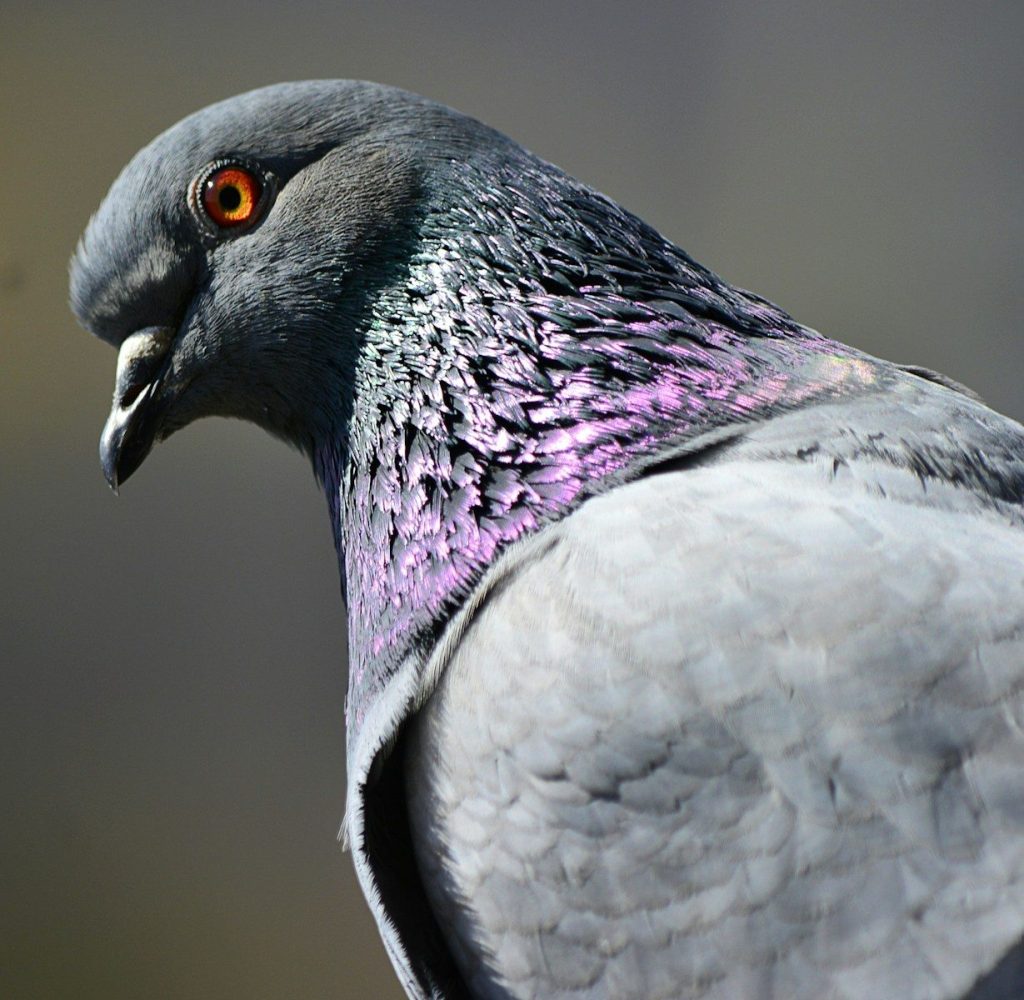
Humans have kept pigeons for thousands of years, long before modern cities existed. Archaeological and historical evidence shows that pigeons were raised for food, breeding, religious purposes, sport, and message carrying. Selective breeding produced an extraordinary range of domestic forms with different colors, shapes, and behaviors. The ordinary pigeon on a sidewalk is connected to that history. Seeing feral pigeons only as invaders overlooks the fact that humans deliberately domesticated, transported, and released their ancestors across continents over many generations.
Homing Ability

Homing pigeons can return to a familiar loft after being released far away, a talent people deliberately selected and used for communication. Their navigation relies on multiple cues rather than one mysterious sense, including learned landmarks and broader environmental information. Before portable electronic communication, this ability had real practical value. A message attached to a trained bird could travel back toward its home loft even when roads were slow or battlefield communication systems failed. That made pigeon navigation more than a curiosity; it became useful technology.
Wartime Service

Pigeons carried military messages during both world wars, sometimes when other communication methods were damaged or unavailable. Smithsonian collections preserve the story of Cher Ami, a U.S. Army Signal Corps pigeon associated with delivering a crucial message during World War I despite serious injuries. Many other pigeons also served in military systems. Their usefulness came from reliable homing behavior and the ability to travel through conditions that could interrupt wires or other equipment. The history complicates the modern stereotype of pigeons as useless city birds.
Crop Milk
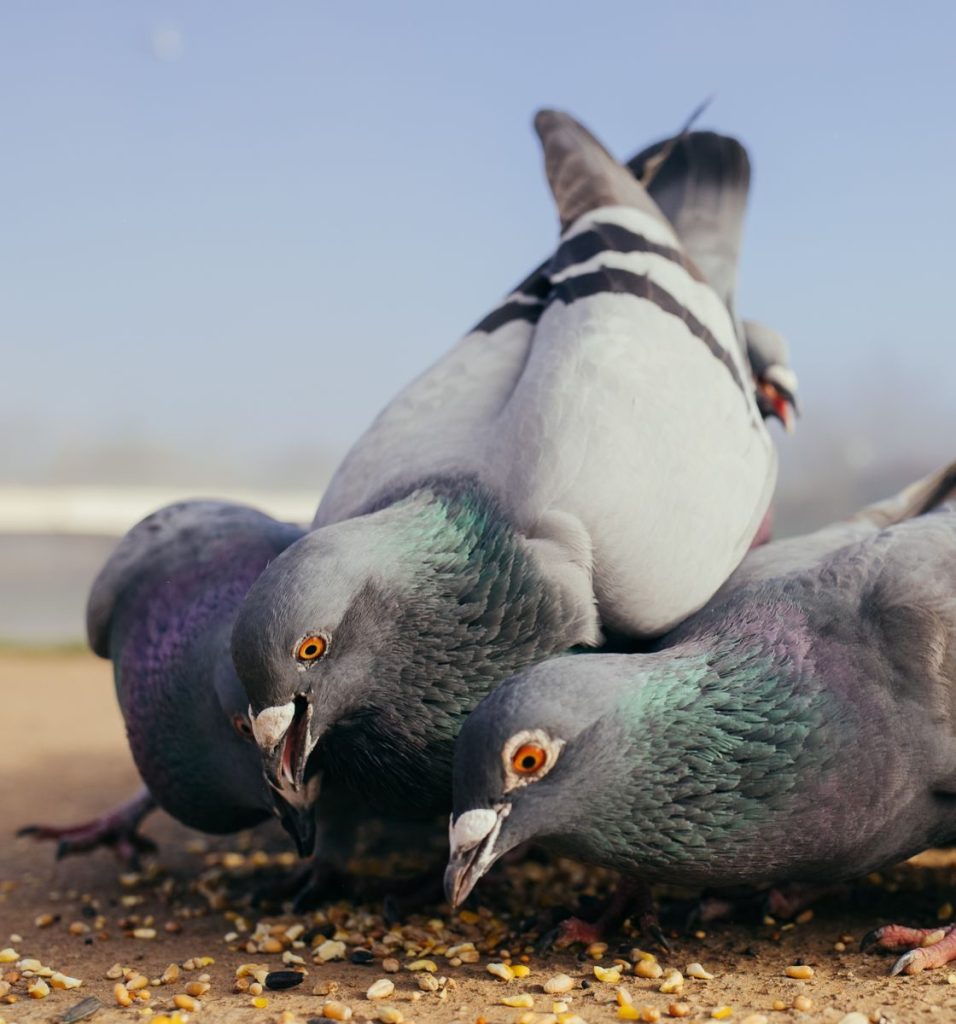
Pigeon parents produce a nutrient-rich substance known as crop milk to feed their chicks. It forms in the crop rather than mammary glands, so it is not the same as mammalian milk. Both males and females can produce it and regurgitate it for newly hatched squabs. Smithsonian sources describe crop milk as rich in fats and proteins. Shared feeding helps chicks grow quickly during their first weeks. This unusual parental system is one reason pigeons are biologically more interesting than their everyday presence might suggest.
Urban Intelligence

Pigeons succeed in cities because they can adjust to unpredictable food, traffic, people, noise, and changing structures. Studies have shown that pigeons can learn visual categories, remember locations, and solve discrimination tasks, although those laboratory abilities should not be turned into exaggerated claims about humanlike intelligence. What matters is behavioral flexibility. A bird that can recognize useful feeding places, navigate familiar routes, and respond to repeated patterns gains a strong advantage in urban environments where conditions change constantly and opportunities appear in unusual places.
Disease Reputation

Pigeons can carry pathogens, especially where large roosts create heavy accumulations of droppings, but ordinary sightings should not be treated as automatic health emergencies. Public health concerns are more relevant when dried droppings become airborne during cleanup or when buildings support dense, long-term roosts. Practical sanitation and proper protective measures are more useful than fear. Avoid handling droppings with bare hands, control large accumulations, and follow local guidance when cleaning contaminated areas. A pigeon merely walking nearby is not the same exposure scenario.
Pigeon Diversity

The pigeon and dove family contains hundreds of species with very different colors, sizes, habitats, and diets. Common names such as pigeon and dove do not create a strict scientific division between two separate groups. The family includes forest fruit eaters, desert species, island birds, and familiar urban rock pigeons. Reducing all pigeons to the birds seen around city squares hides that diversity. Even the most familiar feral pigeon represents only one branch of a broad evolutionary family spread across much of the world.
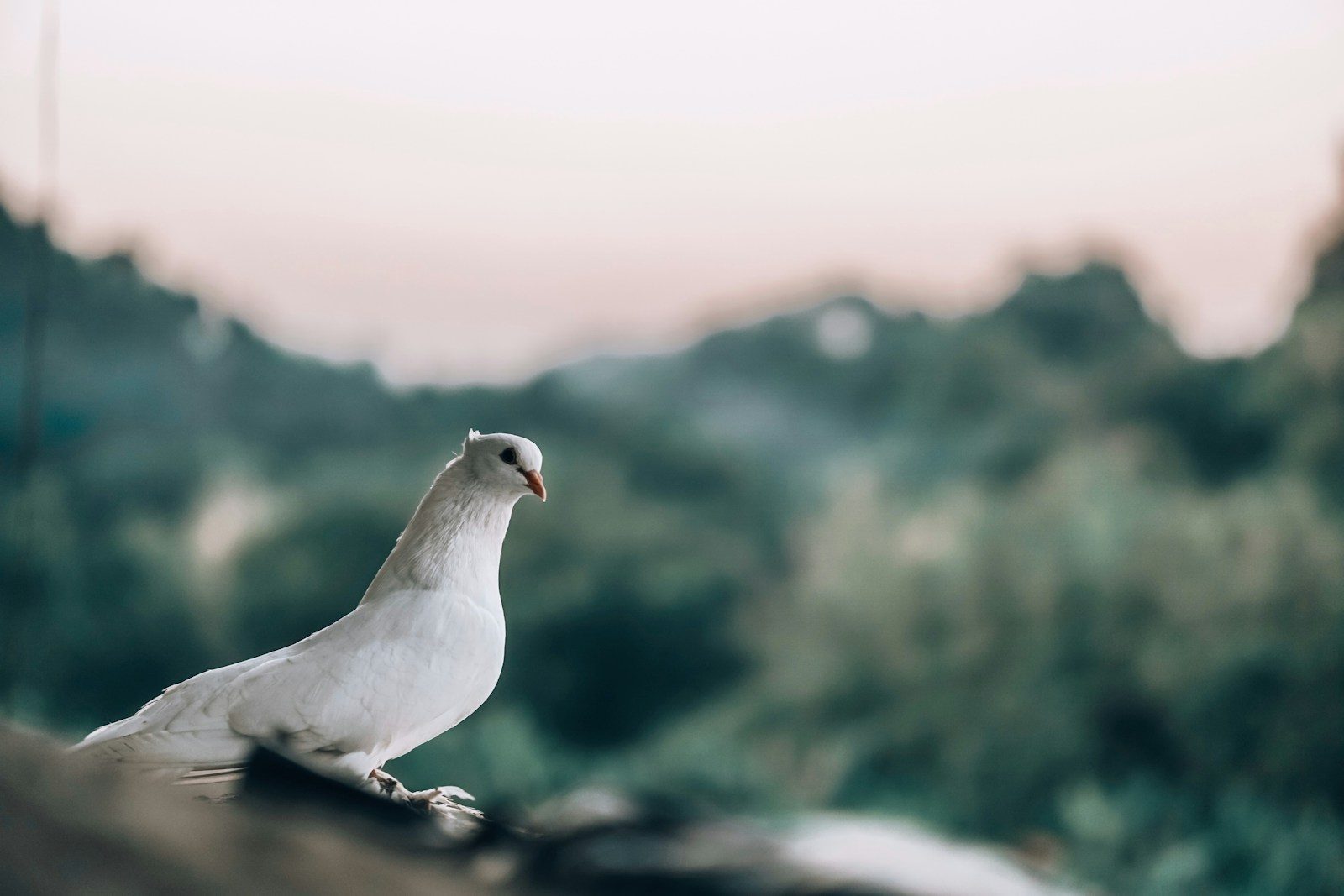
Featured Image: Photo by Al Ishrak Sunny on Unsplash