
A motionless bumblebee can look dead, especially after a cold night or sudden drop in temperature. But insects do not regulate body temperature the way mammals do, and a chilled bee may become extremely sluggish. In some cases, warming allows normal movement to return. That can look like resurrection on camera, even though the bee was alive throughout the episode.
The safer scientific explanation is cold torpor or severe chill, not “coming back to life.” Bumblebees can generate heat with their flight muscles and are unusually capable of functioning in cool conditions, but they still have thermal limits. A bee that slowly begins moving after warming may simply be recovering from temporary cold-related inactivity rather than reversing death itself today.
Bee Isn’t Dead
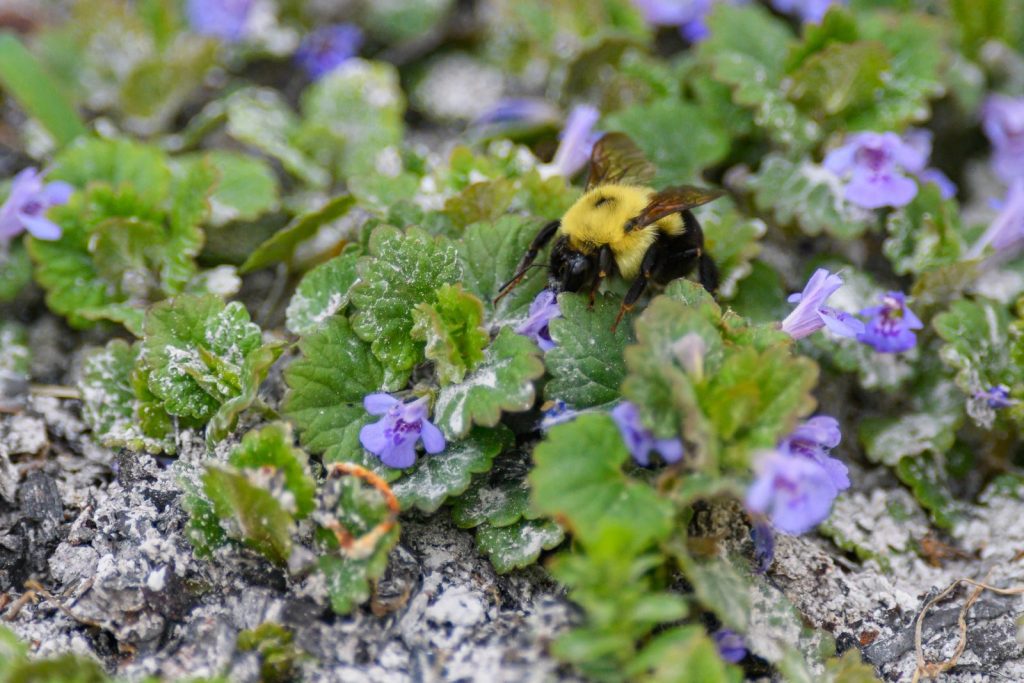
A bee that is completely still is not automatically dead. Bumblebees sometimes rest for surprisingly long periods, and cold temperatures can reduce their activity even further. The Bumblebee Conservation Trust advises people to watch before intervening because queens in particular may spend time resting on the ground after emerging from hibernation. If the insect begins moving again as conditions improve, the apparent “revival” is better explained by normal physiology than by any return from death. Short observation can prevent a healthy resting bee from being disturbed unnecessarily.
Cold Torpor

Cold can push bumblebees into a state of greatly reduced activity called torpor. Their metabolism slows and movement may become so limited that an observer sees almost no obvious signs of life. Research on winter-active bumblebees shows that workers and queens differ in cold tolerance, while broader bee physiology research describes cold torpor as occurring when thermoregulation can no longer maintain activity. Torpor is reversible if conditions improve before the insect suffers lethal cold injury. Recovery depends on how cold the bee became and how long exposure lasted.
Warming Flight Muscles

Bumblebees can warm themselves by vibrating their powerful thoracic flight muscles. This internal heat production lets them operate at air temperatures that would leave many other insects inactive. The same muscles must reach a sufficiently high temperature before efficient flight becomes possible. A chilled bee may therefore begin with tiny leg or abdominal movements, then become more coordinated as its thorax warms, eventually reaching a point where flight is possible again. This warming behavior is one reason bumblebees can forage during cool mornings and spring weather.
Bumblebee Thermoregulation

Bumblebees are unusually good at thermoregulation for insects, but they still depend on environmental conditions. Their dense hair helps retain heat, while muscle activity can raise thoracic temperature above the surrounding air. These adaptations are valuable in cool climates and early spring, when queens often forage in chilly weather. They do not make bumblebees immune to cold. If temperatures drop too far or remain low for too long, torpor can progress toward cold injury or death. Their impressive cold tolerance has limits, and different species or castes may tolerate chilling differently.
Sugar Water Caution

People often reach for sugar water when they see a grounded bumblebee, but conservation guidance recommends restraint. The Bumblebee Conservation Trust says sugar water should be a last resort, used only when there are no suitable flowers nearby and the bee has clearly remained inactive for an unusually long time. A 50/50 mixture of white sugar and water can provide a temporary energy boost, but natural nectar and pollen remain the appropriate long-term food. Honey should not be offered because it can carry pathogens that may harm bees.
Winter Queens

Only new bumblebee queens normally survive winter in temperate regions, spending the cold months in hibernation before emerging in spring. That seasonal biology helps explain why queens seen resting early in the year may appear unusually slow. After emergence they must rebuild energy reserves, feed on flowers, and search for a nest site. A quiet queen on the ground may simply be resting between flights, so giving her time and space is often the best first response. Their spring survival depends heavily on finding enough early flowers after months without normal foraging.
When Help Matters

A bumblebee may genuinely need help if it is in immediate danger of being stepped on, trapped indoors, soaked, or stranded where no flowers are available. Even then, the gentlest response is usually best. Conservation guidance suggests moving a vulnerable bee only a short distance to shelter or a bee-friendly flower when necessary. Handling should be minimal because a resting insect may recover on its own, and unnecessary interference can create additional stress or injury. If the bee remains unresponsive for a long period, local wildlife or insect specialists may offer guidance.
Safe Bee Assistance

The most accurate takeaway from a dramatic “bee comes back to life” video is that insect physiology can fool human eyes. A cold or resting bumblebee may appear lifeless, then become active as temperature and energy improve. That is remarkable without adding a resurrection claim. If a bee is simply resting, leave it alone. If it is clearly vulnerable, move it carefully to a safe flower and use sugar water only as a temporary last resort. The biology is already dramatic enough without claiming that a dead animal was revived.
Featured Image: Photo by Ingemar Johnsson on Unsplash


