Calling one venomous animal the most dangerous on Earth is harder than it sounds. Venom toxicity matters, but so do dose, delivery, behavior, geographic overlap, treatment access, and how often people actually encounter the species. An animal with extremely potent venom may rarely bite humans, while another can create more medical emergencies because contact happens more often in everyday life and travel.
These animals are included because reliable medical or scientific sources document venom capable of causing severe illness or death. They are not arranged as a universal ranking, because no single measurement captures real-world danger. The practical lesson is simpler: know which venomous species occur where you live or travel, avoid handling them, and treat suspected serious envenoming as a medical emergency.
Inland Taipan

The inland taipan is often described as having exceptionally toxic venom, and Australian Museum notes that laboratory mouse tests place it among the most toxic snakes known. Its venom contains components that can affect nerves, muscles, and blood clotting. Yet real-world danger is shaped by exposure as well as toxicity. The species lives in remote inland Australia and generally avoids people, so bites are uncommon. A bite is still a medical emergency, but calling this secretive snake the world’s deadliest animal would confuse venom potency with actual human risk.
Coastal Taipan

The coastal taipan is a large Australian elapid capable of delivering a substantial amount of highly toxic venom. Australian Museum describes venom effects involving the nervous system and blood clotting, making untreated envenoming potentially life-threatening. The snake occurs across parts of northern and eastern Australia and New Guinea, bringing it into greater overlap with people than its inland relative. Even so, it does not hunt humans. Serious risk arises when a defensive bite delivers venom, which is why rapid first aid and professional medical treatment are essential after suspected exposure.
Tiger Snake

Tiger snakes are medically important venomous snakes found across parts of southern Australia. Their venom can affect the nervous system, muscles, and blood clotting, and significant bites require urgent treatment. Australian Museum describes them as generally shy animals that often attempt to escape when disturbed. That distinction matters because dangerous venom does not equal constant aggression. Encounters become risky when people accidentally step near a concealed snake, try to catch one, or prevent it from retreating. Leaving the animal alone is far safer than testing how tolerant it may be.
Sydney Funnel-Web
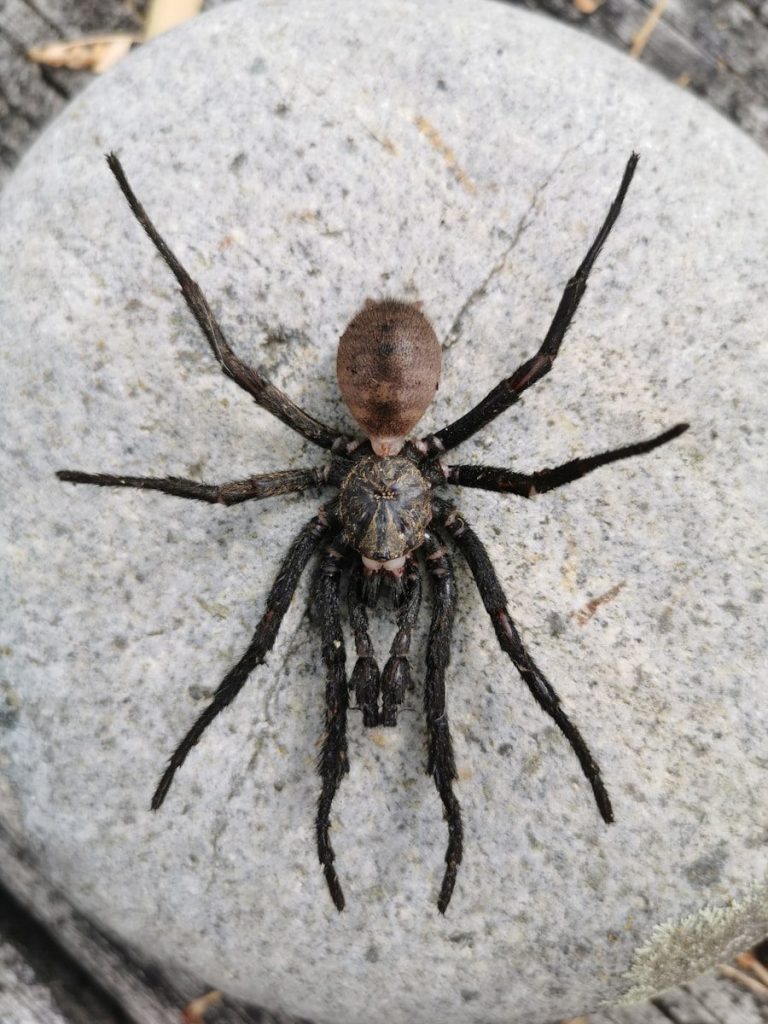
The Sydney funnel-web spider has caused fatal human envenoming in the past, making its medical importance well established. Australian Museum notes that 13 deaths were attributed to funnel-web bites before an effective antivenom became available in the early 1980s, with no confirmed fatalities since its introduction. Males are particularly significant because their venom contains potent neurotoxins. The history shows why treatment access changes real-world danger. A suspected bite still requires immediate emergency care, even though modern antivenom has dramatically improved outcomes compared with the period before treatment existed.
Box Jellyfish

Some box jellyfish possess venom capable of causing severe pain, cardiovascular collapse, and death within a short time after major exposure. Queensland health authorities warn that dangerous species occur in tropical Australian waters and that severe stings can rapidly become medical emergencies. Risk is regional and seasonal rather than equal across every beach or every jellyfish species. Local closures, protective clothing, warning signs, and current first-aid guidance matter. The animal does not need to pursue a swimmer; accidental contact with long venomous tentacles can be enough to cause serious envenoming.
Blue-Ringed Octopus
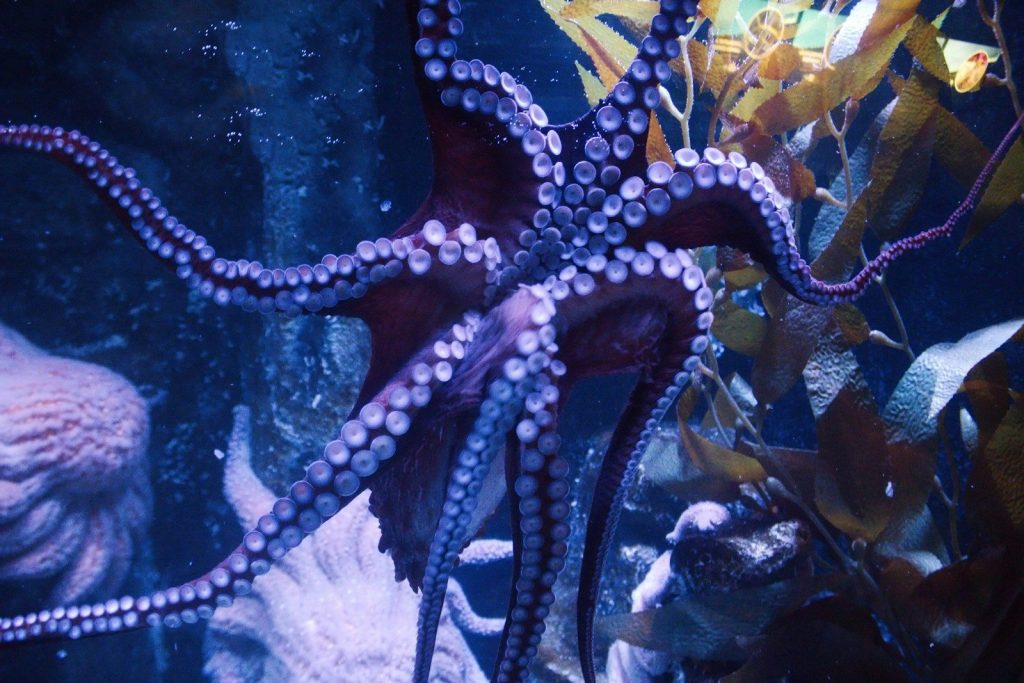
The blue-ringed octopus is small enough to fit in a shell or rocky crevice, but its bite can deliver tetrodotoxin, a potent neurotoxin. Queensland health guidance warns that severe poisoning can cause numbness, weakness, paralysis, and breathing failure. The bite may initially be painless, making the danger easy to underestimate. Bright blue rings become conspicuous when the animal is disturbed, but people should never handle one to provoke that display. Most risk is preventable by leaving small octopuses and occupied shells alone in areas where the species occurs.
Cone Snail

Cone snails are predatory marine mollusks that use a harpoon-like tooth to inject venom into prey. Some species, particularly larger fish-hunting cones, can cause severe human envenoming. Queensland health authorities warn that cone-shell stings may produce paralysis and can be fatal. Their attractive patterned shells create a special problem because beachcombers may pick up a living animal without realizing it can sting. The safest rule is simple: do not handle unfamiliar cone-shaped shells in tropical waters, especially when an animal may still be inside and capable of extending its proboscis.
Stonefish

Stonefish are dangerous mainly because they are so difficult to see. These bottom-dwelling fish can resemble rocks or coral, and venomous spines along the back may inject toxin when someone steps on or handles them. Queensland health guidance describes stonefish stings as extremely painful and potentially serious, requiring prompt treatment. The fish does not chase people or deliberately seek contact. Risk comes from accidental pressure on a well-camouflaged animal. Wearing suitable footwear and avoiding contact with concealed marine life can reduce the chance of a painful encounter.
Scorpions
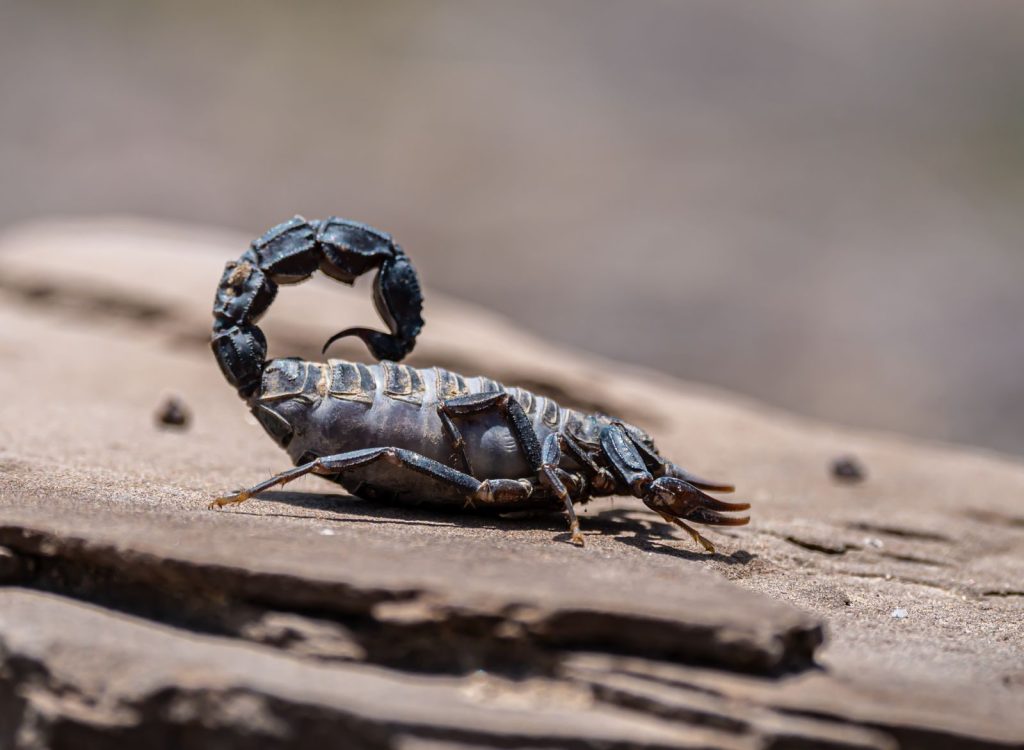
Scorpions are a large and diverse group, and only a minority of species possess venom likely to cause life-threatening illness in humans. CDC travel guidance notes that medically important scorpions occur in several regions and that severe stings may affect the nervous and cardiovascular systems, especially in children and other vulnerable patients. Most scorpion stings are not fatal. That makes species and location important. In risk areas, checking shoes and bedding, avoiding bare-handed handling, and seeking prompt care for severe symptoms are sensible precautions without treating every scorpion as equally deadly.
Featured Image: Photo by Petr Ganaj on Pexels