Tapirs look like animals built from several familiar parts: a rounded body, short legs, small ears, and a flexible nose that resembles a miniature trunk. They are not pigs, however. Tapirs belong to the odd-toed ungulate group that also includes horses and rhinoceroses, and their lineage reaches deep into mammalian evolutionary history. Their appearance is unusual, but their anatomy is highly functional.
Four living tapir species survive today, three in Central or South America and one in Southeast Asia. They are strong swimmers, fruit eaters, seed dispersers, and mostly secretive forest animals. Their striped calves and mobile snouts get attention, but the deeper story is how well tapirs are adapted to moving, feeding, and hiding in dense habitats. They are much more than unusual faces in rainforest photographs.
Four Tapir Species
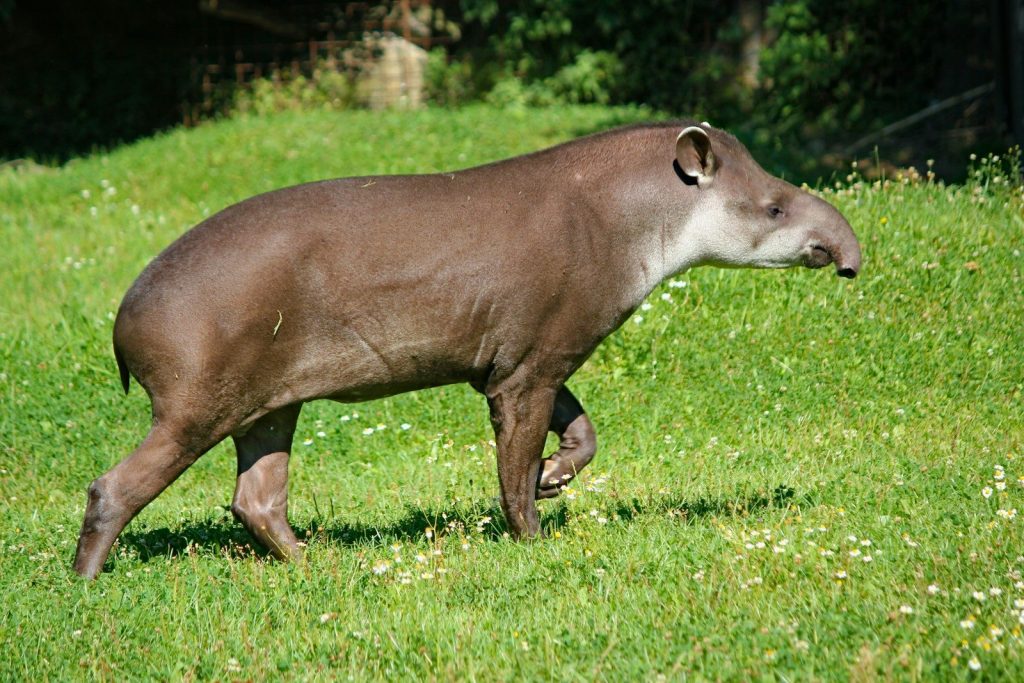
There are four living tapir species: Baird’s tapir, the lowland tapir, the mountain tapir, and the Malayan tapir. Three live in the Americas, while the Malayan tapir occurs in Southeast Asia. They differ in size, color, elevation, and habitat, but all share the same compact build and flexible snout. Fossil relatives once occupied a wider geographic range, so today’s scattered populations represent only part of a much older tapir story. That makes each surviving species an important branch of a once broader lineage.
Flexible Snout
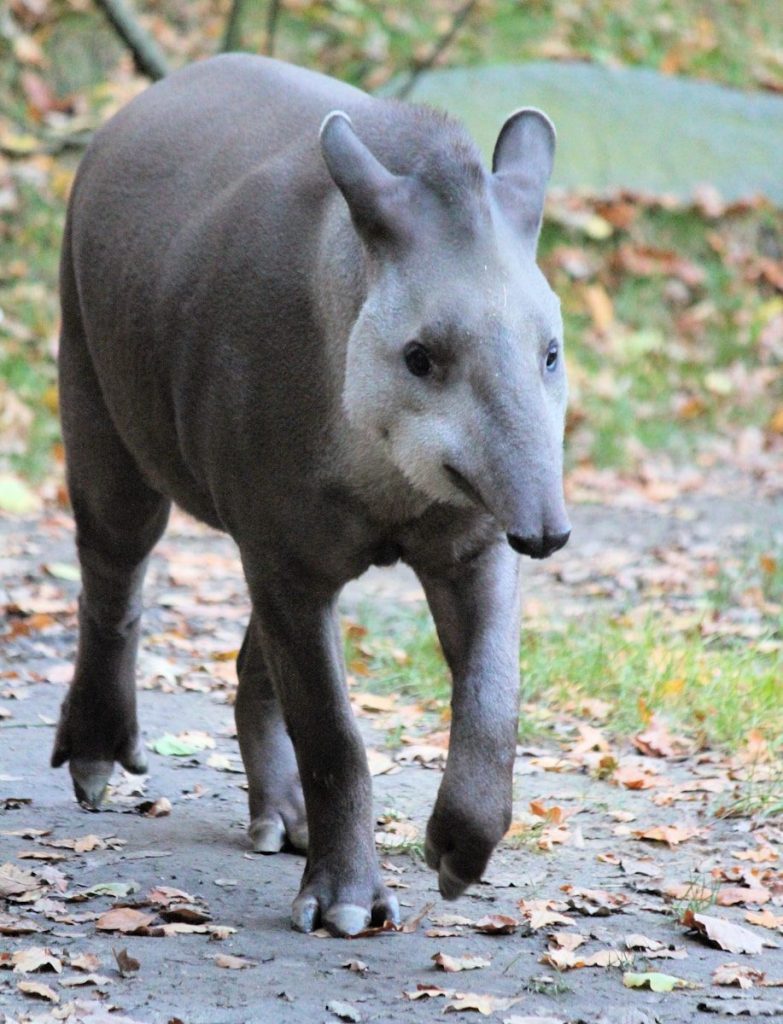
A tapir’s short trunk is formed by an elongated nose and upper lip. San Diego Zoo describes it as a flexible, prehensile tool that can grab branches, strip leaves, pluck fruit, detect odors, and even act like a snorkel when the animal is partly submerged. It is much shorter than an elephant’s trunk, but it gives the tapir remarkable control while feeding. The structure is one reason tapirs look so unusual at first glance, yet its usefulness becomes obvious when watching one browse through dense vegetation.
Striped Calves
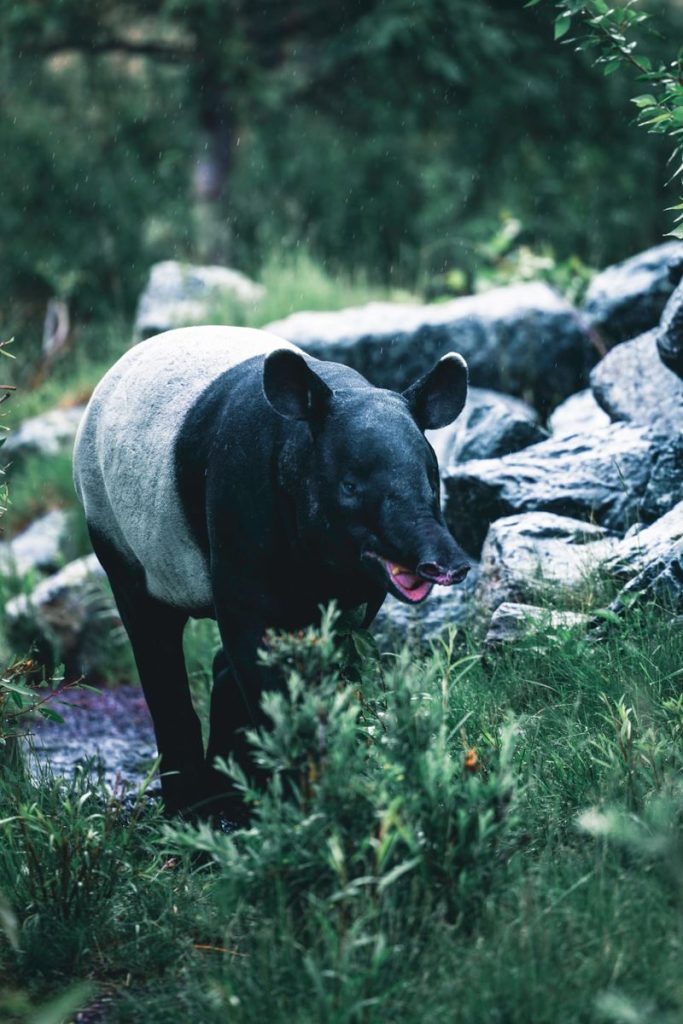
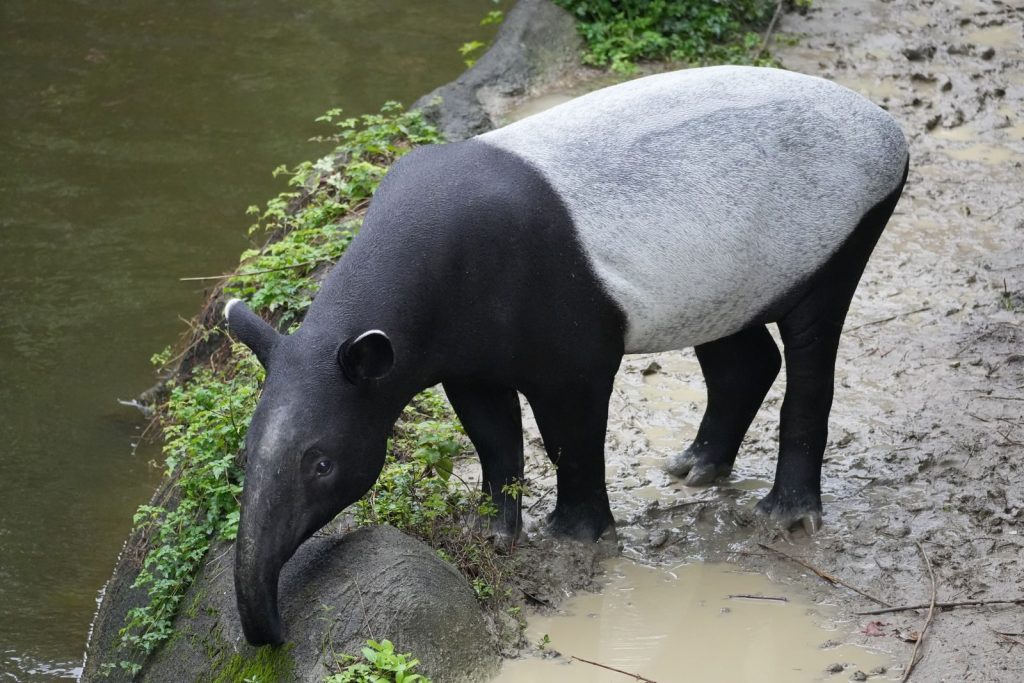
Tapir calves look dramatically different from adults. Youngsters are born with pale spots and stripes running across a darker coat, creating a pattern that can help break up their outline among leaves, shadows, and forest vegetation. The markings fade as the calf grows, eventually giving way to the adult coloration of its species. Malayan tapirs become especially distinctive later in life because adults develop a broad pale saddle across the middle of the body. The temporary baby pattern is a classic example of age-related camouflage.
Strong Swimmers

Tapirs are excellent swimmers and spend considerable time around rivers, ponds, wetlands, and other freshwater habitats. They may enter water to cool down, feed on aquatic plants, travel, or avoid irritation from insects. Their sturdy bodies do not look streamlined like those of seals, yet powerful limbs allow them to move confidently through water. The flexible snout can remain above the surface for breathing. A tapir can also walk along submerged bottoms, showing that its relationship with water is more extensive than its land-animal appearance suggests.
Fruit Lovers

Tapirs are herbivores that eat leaves, shoots, grasses, aquatic vegetation, and a wide range of fruits. Their mobile snout helps pull vegetation toward the mouth and pick individual items from branches or the ground. Fruit can be especially important because it connects feeding with seed dispersal. A tapir may swallow seeds at one location, travel through the forest, and later deposit them elsewhere. That turns an ordinary meal into a process that can influence where future plants grow across the animal’s home range.
Seed Dispersers
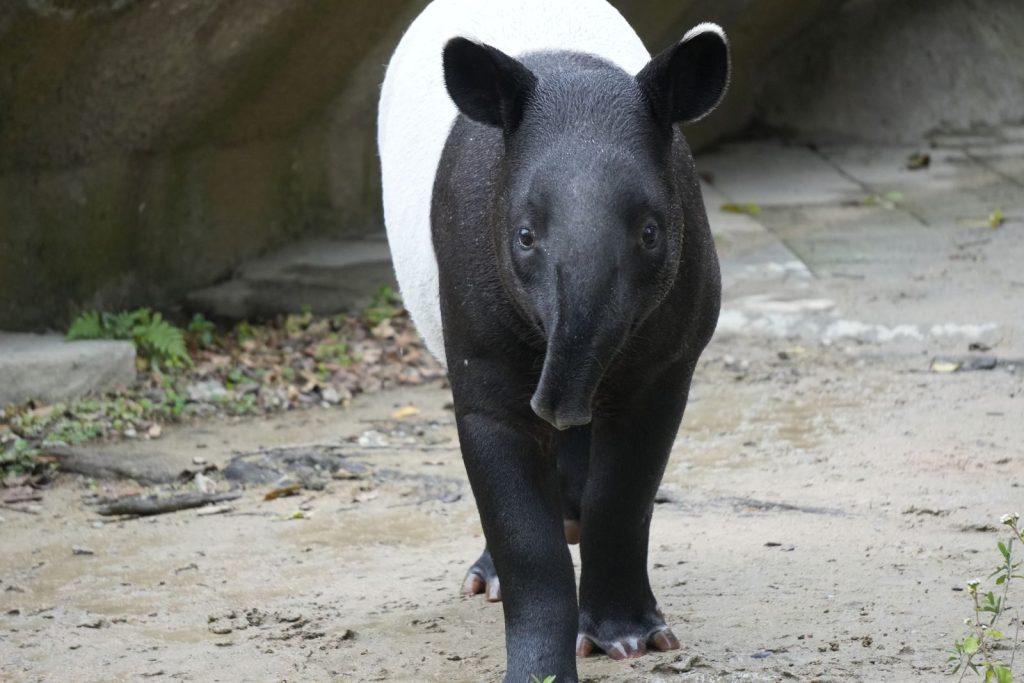
Tapirs can move seeds over meaningful distances because they are large-bodied fruit eaters that travel through broad areas of forest. A peer-reviewed review of tapir ecology concluded that Neotropical tapirs may be particularly important for dispersing some large seeds that smaller animals cannot carry as effectively. Seeds that survive passage through the digestive system can be deposited away from the parent plant. This ecological role is why tapirs are sometimes described informally as gardeners of the forest, although the exact effect differs among habitats and plant species.
Mostly Secretive
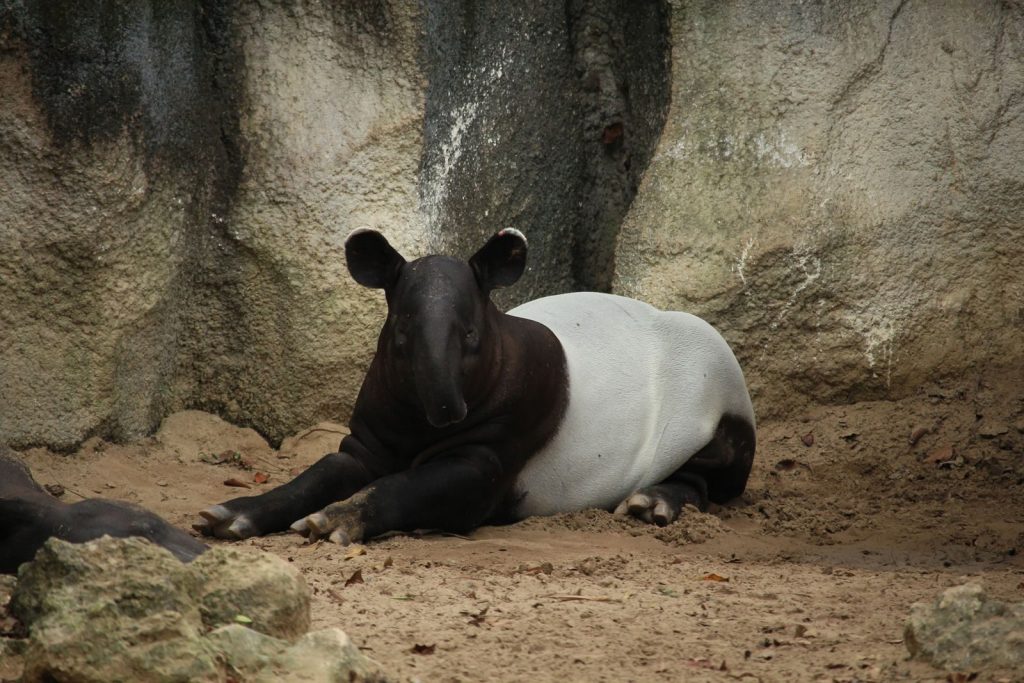
Many tapirs are most active around dusk, dawn, or nighttime, although activity patterns vary by species, location, temperature, and human disturbance. Dense vegetation, quiet movement, and low-light activity make them surprisingly difficult to see despite their large size. A tapir resting in shade or water during the day may become much more active after temperatures drop. Strong smell and hearing help compensate when visibility is limited. Their secretive routine is one reason researchers often rely on camera traps and tracking rather than direct observation alone.
Forest Threats
Tapirs face pressure from habitat loss, fragmentation, roads, hunting, and other human activities across different parts of their range. The severity varies among species and regions, so it is misleading to treat every population as identical. Large connected habitats matter because tapirs need room to move between feeding, resting, and water sites. Protecting them can also help preserve ecological processes such as seed dispersal. Losing tapirs therefore removes more than a distinctive mammal; it can also weaken relationships between large herbivores and tropical forest plants.
Featured Image: Photo by Dušan veverkolog on Unsplash