When scientists fail to record a species for decades, extinction can seem like the most likely explanation. Yet some animals survive unnoticed in remote forests, mountains, caves, islands, or oceans. A later sighting can feel like a return from extinction, even though the species was never truly gone in the first place. In conservation, absence of evidence is not always evidence of absence.
These rediscoveries are often called Lazarus species, but that phrase is shorthand rather than literal resurrection. The animals below were missing from scientific records, presumed extinct, or feared lost before living individuals were confirmed again. Their stories show why field surveys, local knowledge, camera traps, and genetic tools still matter in conservation. It also shows why declaring extinction requires strong evidence.
Coelacanth
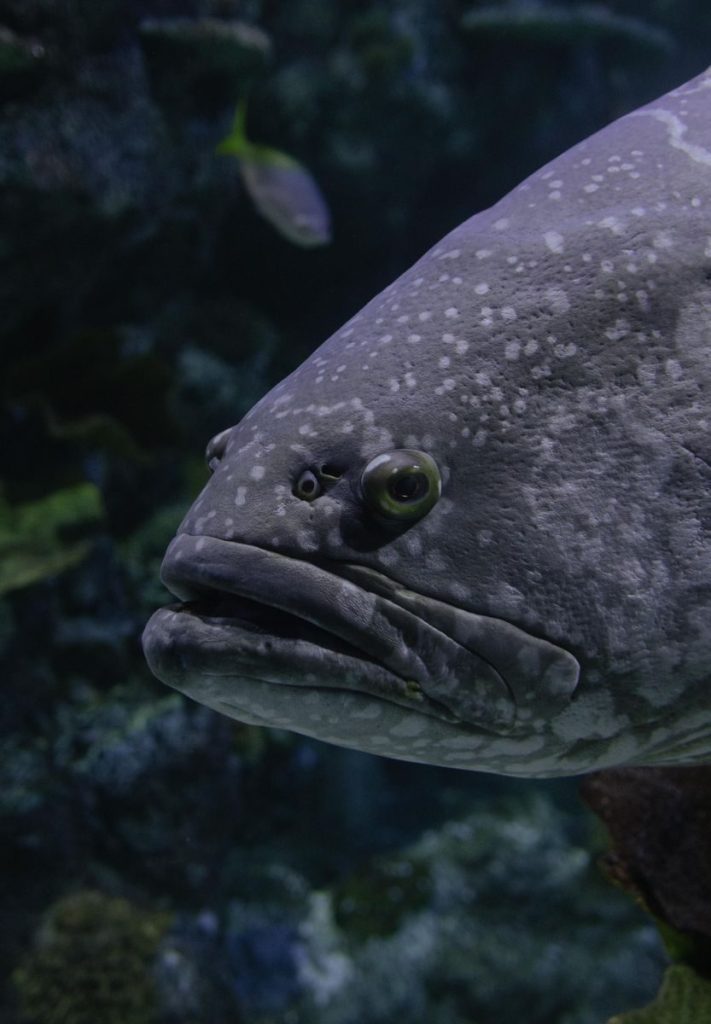
The coelacanth became one of the most famous wildlife rediscoveries when a living specimen was found off South Africa in 1938. Scientists had known the group mainly from fossils and believed it had vanished tens of millions of years earlier. The discovery showed that a lineage thought lost still survived in deep marine habitats. Two living coelacanth species are now recognized. Their slow growth and reproduction also make them vulnerable, so rediscovery did not remove the need for careful protection and research.
Takahē
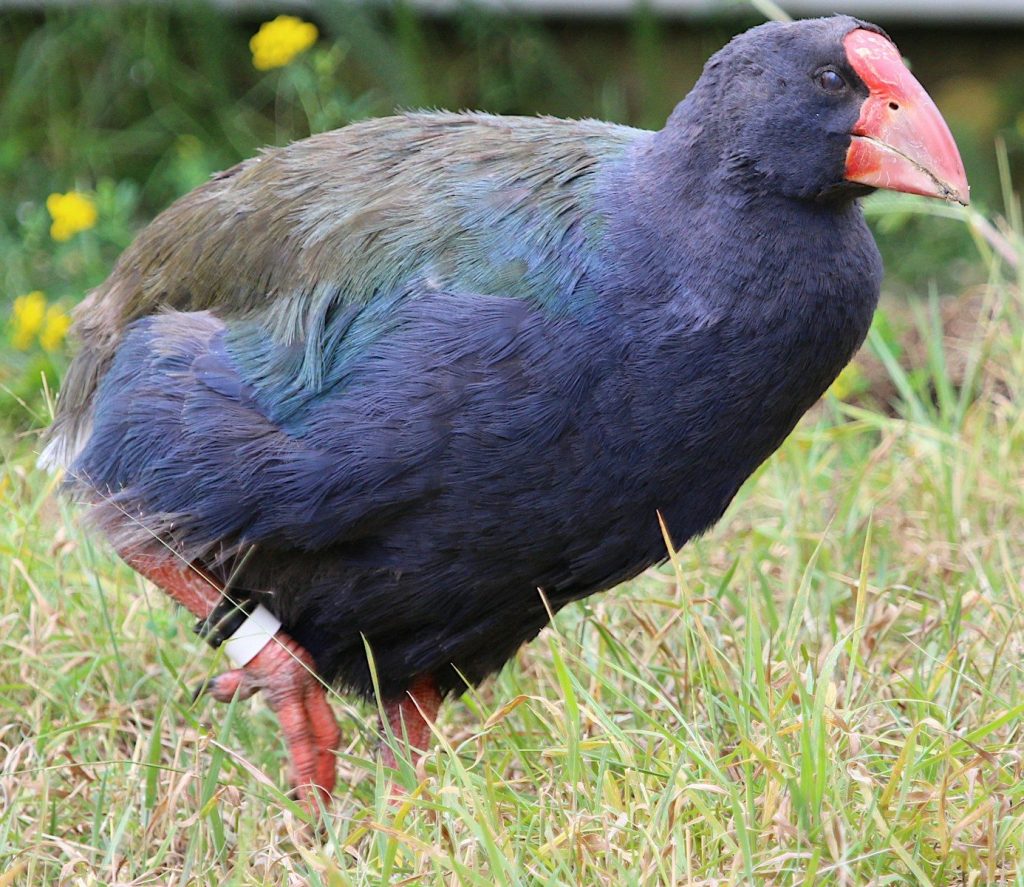
New Zealand’s takahē was believed extinct for nearly half a century before Geoffrey Orbell and his party found living birds in the Murchison Mountains in 1948. That discovery launched a long-running recovery program involving predator control, breeding, translocations, and wild releases. New Zealand’s Department of Conservation reported in 2025 that the total population had grown beyond 500 birds. The takahē story shows how a rediscovery can become the starting point for decades of active conservation rather than a reason to relax.
Silver-Backed Chevrotain
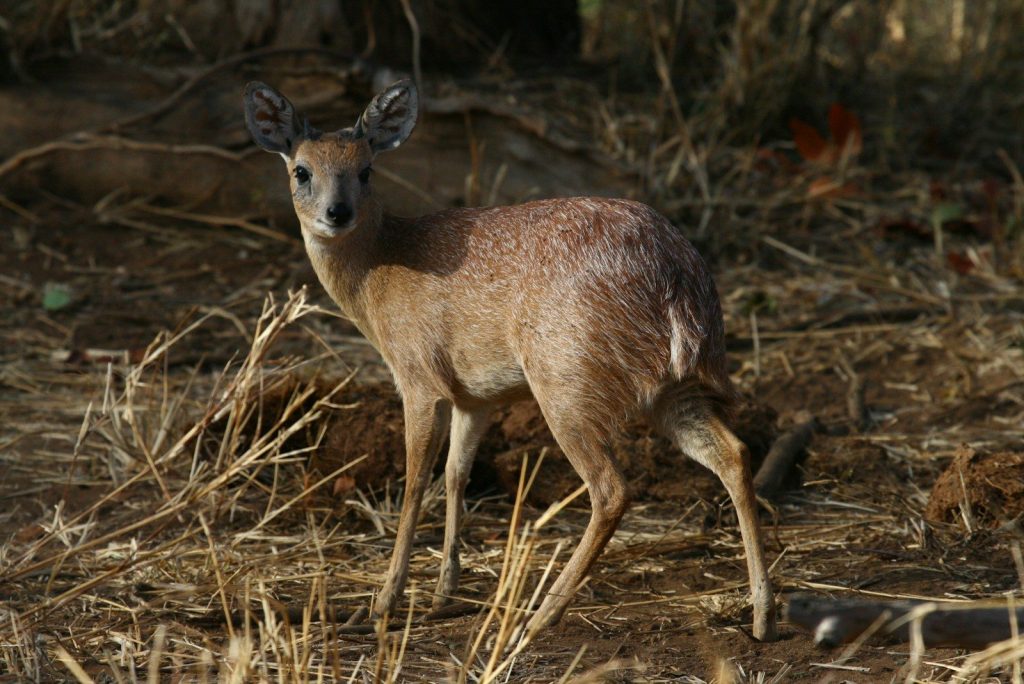
The silver-backed chevrotain, a small hoofed mammal from Vietnam, had not been scientifically documented for decades before camera traps confirmed its survival in 2019. Researchers worked with local communities to identify promising forest sites, then placed cameras where residents reported seeing a small deerlike animal. The images confirmed that the species still existed. Finding it alive did not answer how many remained or whether populations were secure, but it gave conservationists a chance to study threats, range, and habitat needs before further declines occurred.
Somali Sengi
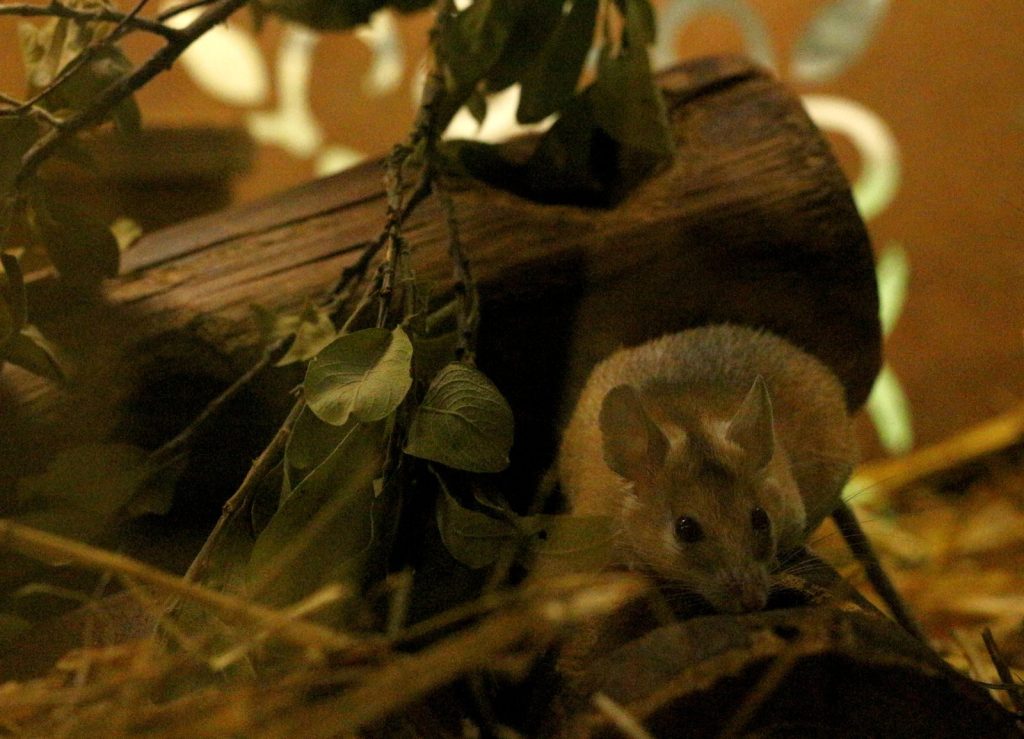
The Somali sengi, also called the Somali elephant shrew, had gone without scientific documentation for more than half a century before researchers found it again in Djibouti. The discovery expanded understanding of its range beyond Somalia and showed that rocky, arid habitats could still support surviving populations. Sengis are small insect-eating mammals with long noses and fast movements. Rediscovery allowed scientists to begin asking basic questions about distribution and ecology that had been impossible to answer while the species remained known only from old records.
Voeltzkow’s Chameleon
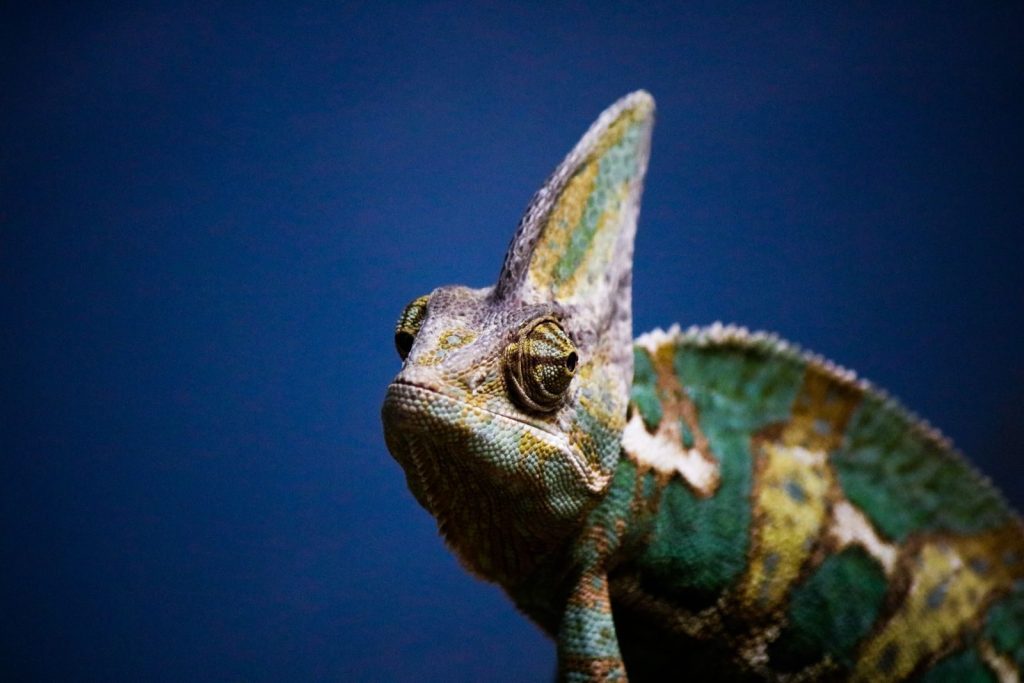
Voeltzkow’s chameleon disappeared from scientific view for more than a century before researchers rediscovered it in Madagascar during a 2018 expedition. Living females revealed striking color patterns that historical specimens had not shown clearly. The species appears to have a short seasonal life cycle linked to the rainy season, which may help explain why surveys missed it for so long. Its rediscovery demonstrates how timing matters in field biology, because a species can be present yet difficult to detect outside a narrow window of activity.
Attenborough’s Echidna
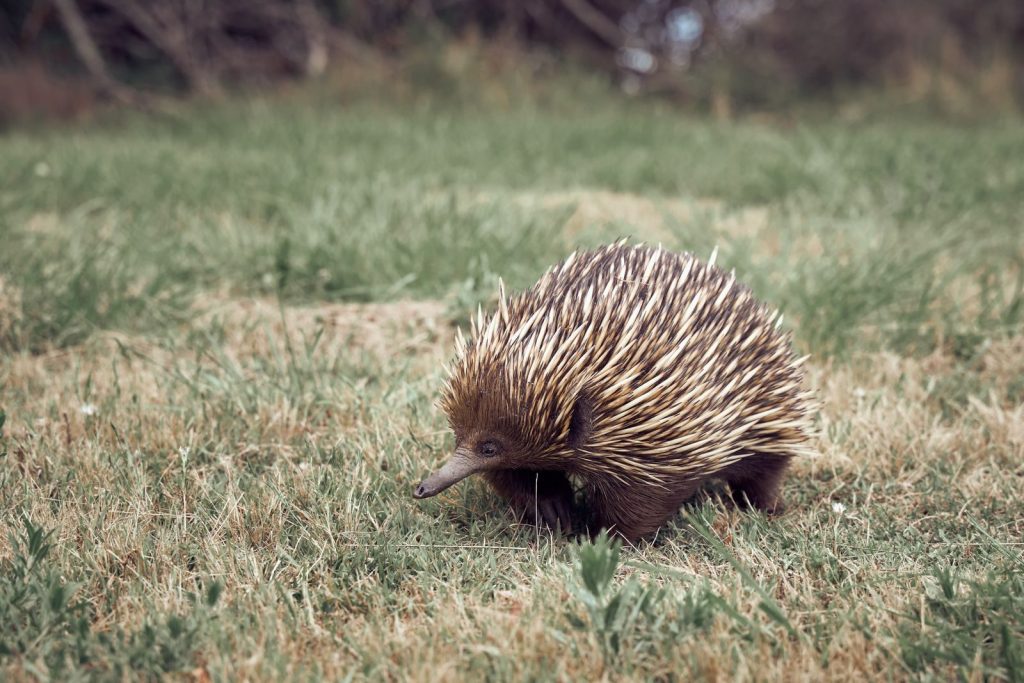
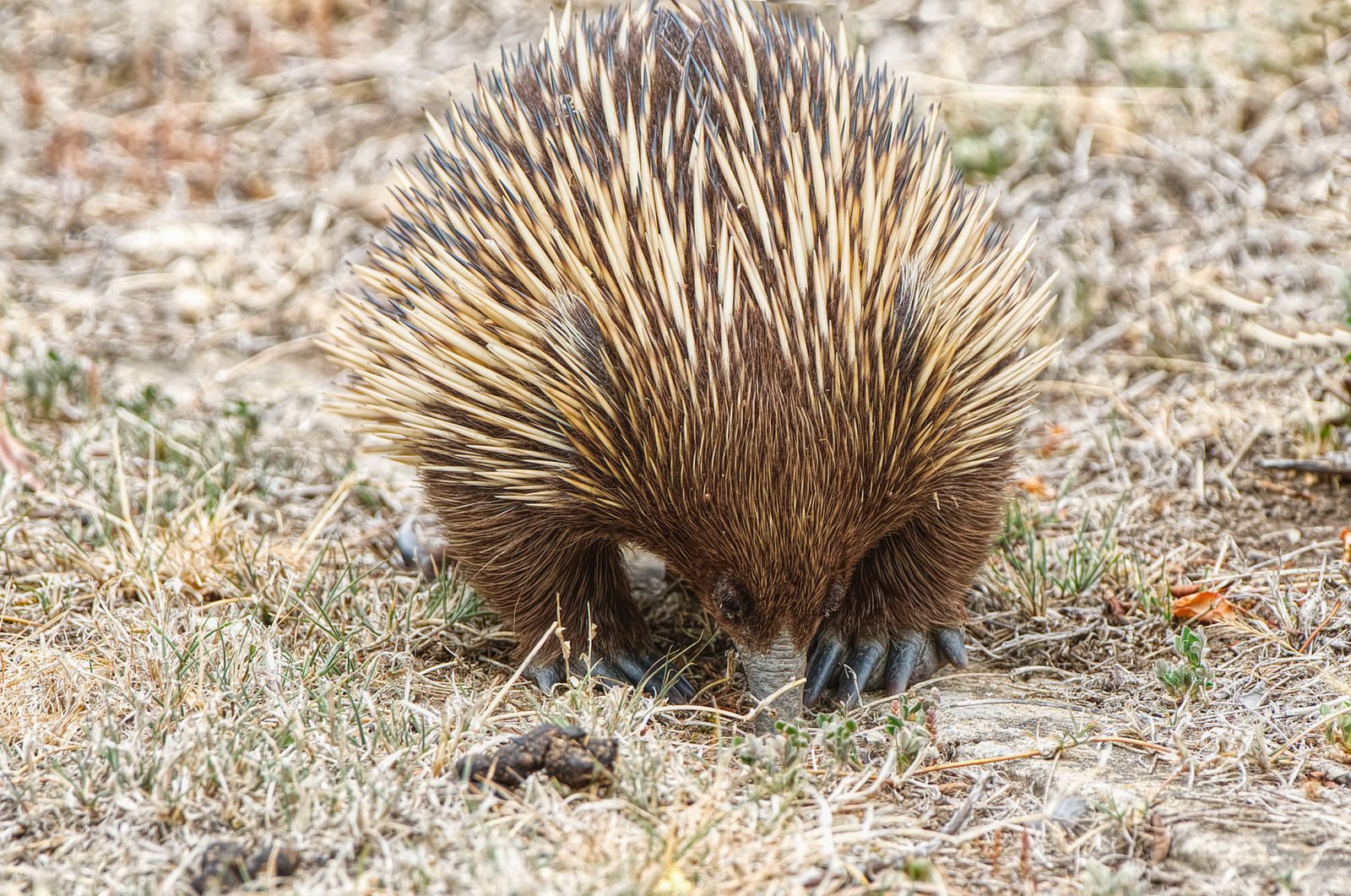
Attenborough’s long-beaked echidna was known from a specimen collected in 1961 in Indonesia’s Cyclops Mountains. For decades, scientists lacked confirmed modern evidence that the species survived. In 2023, an expedition obtained the first known photographs and video of a living individual using remote cameras. This egg-laying mammal is nocturnal, shy, and restricted to rugged habitat, all of which make detection difficult. Rediscovery confirmed survival, but its limited range and conservation status mean protecting the surrounding forest remains essential. Continued surveys are now needed to learn how many individuals remain and where they occur.
De Winton’s Mole
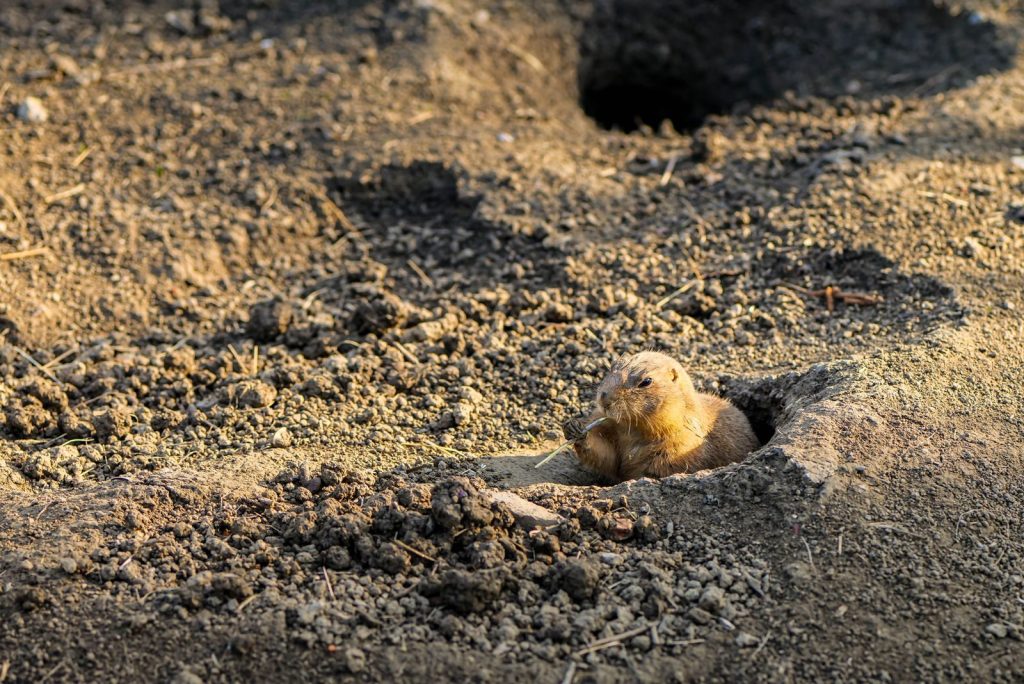
De Winton’s golden mole had not been confirmed since 1936 and was long feared extinct. Researchers searching South Africa’s west coast used tracks, field surveys, and environmental DNA to detect the species despite its underground lifestyle. Genetic evidence helped confirm the rediscovery announced in 2023. Golden moles move beneath loose sand and often leave little visible evidence at the surface. The case shows how newer genetic methods can reveal animals that traditional visual surveys may miss, especially when a species spends most of its life hidden.
Fagilde Spider
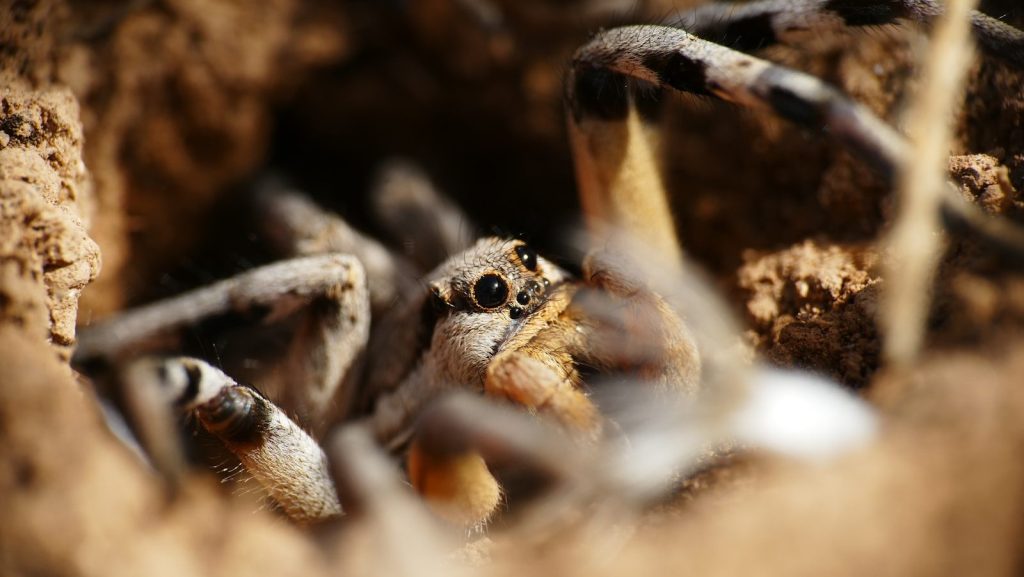
Fagilde’s trapdoor spider was known only from Portugal and had not been scientifically recorded since 1931. Targeted searches eventually located living spiders, and DNA analysis helped confirm the species after more than nine decades without a verified record. Trapdoor spiders spend much of their lives concealed in burrows, which makes them easy to overlook even in landscapes that are not extremely remote. The rediscovery also highlights the value of searching carefully for small, secretive animals that receive far less public attention than large mammals or birds.
Featured Image: Photo by Optical Chemist on Pexels