
The claim that a 20-minute walk can keep bee populations healthy needs an important correction. Britain’s BeeWalk program does use walking volunteers to monitor bumblebees, but the official protocol is not a 20-minute stroll. Volunteers typically walk a fixed route of about one to two kilometers once a month from March through October, and the walk itself usually takes about one or two hours.
The “20 minutes” refers more closely to the extra time needed to submit sightings online after the survey. The conservation value comes from repeated, standardized observations across many locations and years. Those records help scientists track abundance, identify declines, and measure responses to pressures such as heatwaves and land-use change. The walk helps bees indirectly by producing evidence that guides conservation.
BeeWalk Monitoring

BeeWalk is the Bumblebee Conservation Trust’s standardized monitoring scheme for bumblebees across Britain. More than 800 volunteers walk registered routes and record the species and numbers they see. Because the same route is repeated through the season and over multiple years, observations can be compared in a consistent way. That makes the program more useful than occasional sightings alone. The goal is not simply to spot bees, but to build long-term data that can reveal population change across the country.
Fixed Monthly Routes
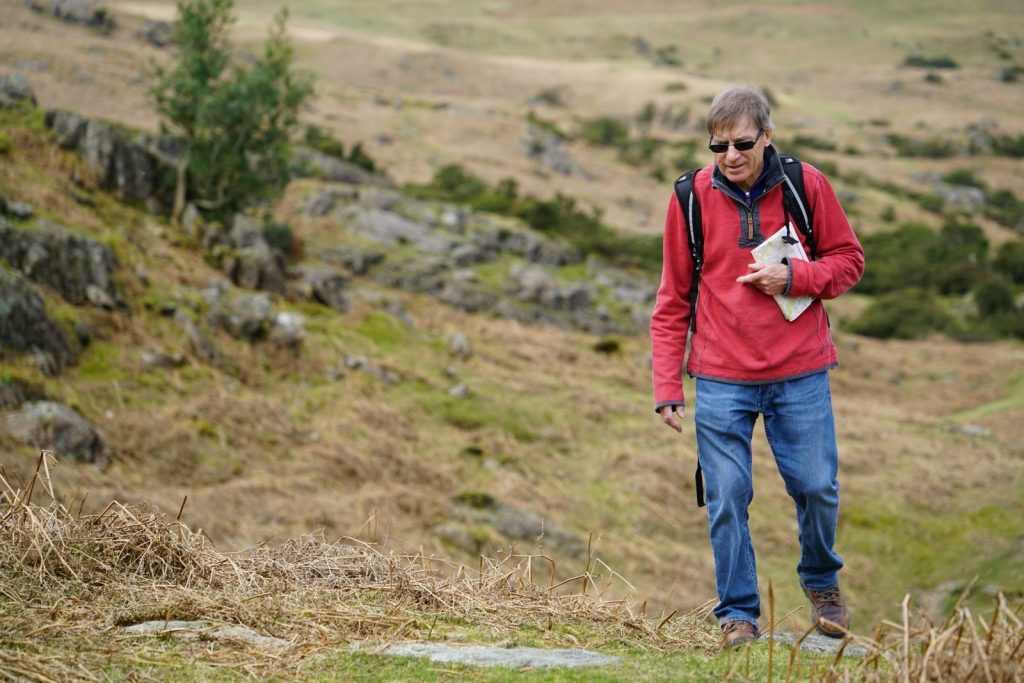
Each volunteer chooses and registers a fixed route, usually around one to two kilometers long. The same transect is then walked at least once a month between March and October, covering most of the main bumblebee flight season. Keeping the route consistent matters because large changes in location would make counts harder to compare. Standardization allows researchers to separate genuine population patterns from differences caused simply by volunteers visiting different habitats or walking completely different distances each time across every survey month.
Counting Bumblebees
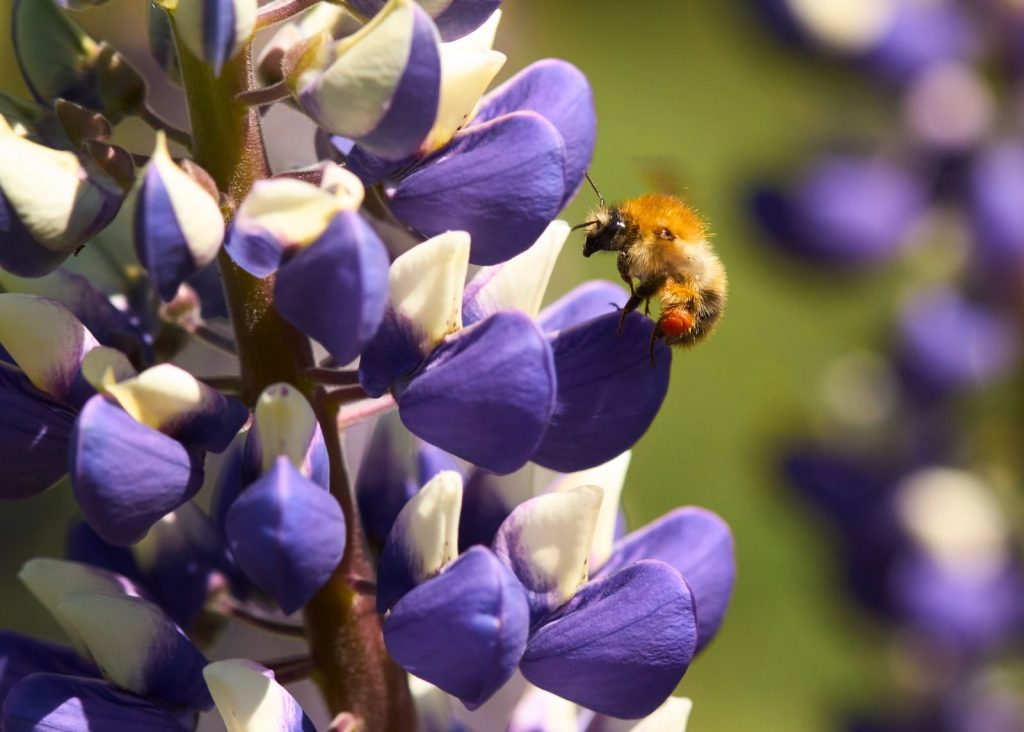
During a survey, BeeWalkers identify and count the bumblebees they encounter along the route. That requires basic identification skills, which volunteers can develop through training and conservation resources. Recording species rather than simply writing down “bee” gives scientists far more useful information because different bumblebees may respond differently to climate, habitat, flowers, or land management. Repeated counts can show whether one species is increasing while another is becoming scarce, even when the total number of bees looks relatively stable over time.
Long-Term Trends
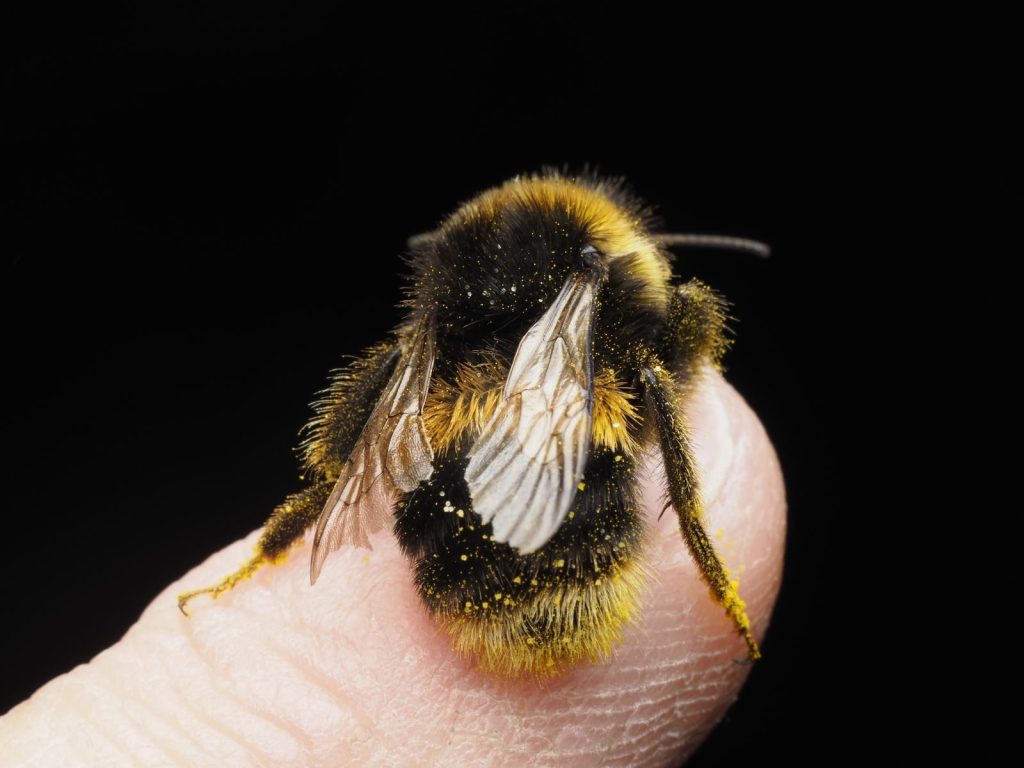
Long-term monitoring can reveal trends that a single good or bad summer would hide. BeeWalk has operated since 2008, creating a large dataset that conservationists can use to examine changes in abundance over time. The 2026 annual report describes it as Britain’s standardized bumblebee-monitoring scheme. Long-running records are particularly valuable because insect populations naturally fluctuate with weather and season. Scientists need repeated observations across many years before they can distinguish short-term variation from a more persistent decline or recovery across regions.
Heatwave Warning Signs

BeeWalk data has already helped researchers examine how extreme heat affects bumblebees. The Bumblebee Conservation Trust reported in July 2026 that several common species showed sharp drops during the intense 2022 heatwaves, with effects also visible in queen numbers the following spring. Other hot years produced different patterns, suggesting that duration, timing, and peak temperature all matter. Without repeated standardized counts, these responses would be much harder to detect across a national population rather than at one garden or field.
Citizen Science

Citizen science makes broad monitoring possible because professional researchers cannot repeatedly survey every suitable habitat across Britain. Trained volunteers expand the number of routes, seasons, and local areas that can be covered. Their observations feed into conservation research, policy, and advocacy when collected using a consistent protocol. This does not mean every casual walk becomes scientific evidence automatically. The strength comes from standardized routes, repeated timing, identification, and data submission, which allow thousands of individual observations to become a useful national dataset.
Twenty-Minute Confusion

The headline’s 20-minute figure is easy to misunderstand. The Bumblebee Conservation Trust says a monthly BeeWalk usually takes about one or two hours, followed by around 20 minutes or less to submit sightings online. So a short walk by itself is not a proven treatment for bee population decline. What helps is participating in a structured monitoring program, because accurate data can reveal where populations are changing and give conservationists better evidence for deciding where habitat protection or restoration is most needed.
How To Help
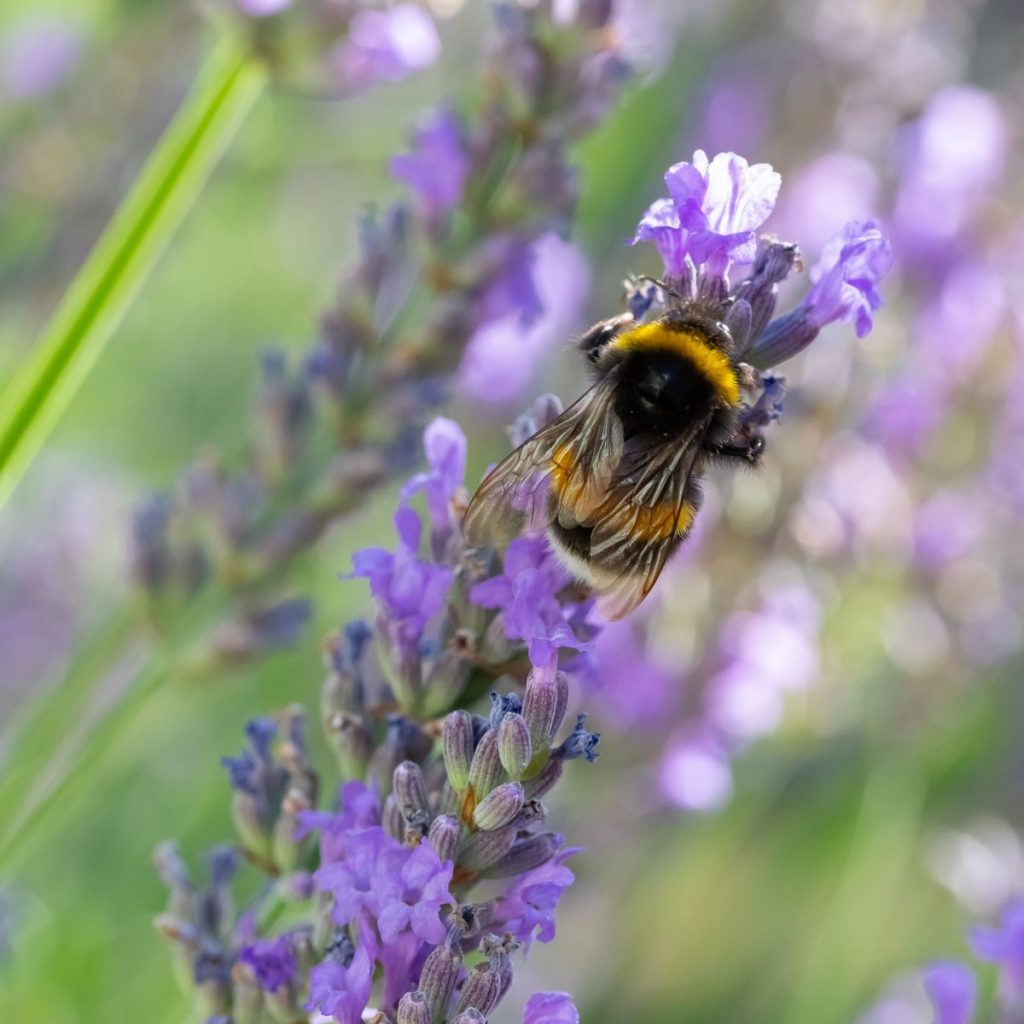
You do not have to become a BeeWalker to help bumblebees. The Trust also points people toward shorter pollinator counts, casual verified wildlife recording, and practical habitat actions such as growing bee-friendly flowers. If you do join a monitoring scheme, consistency matters more than speed. Walking the same route, learning common species, recording what you see, and submitting observations can turn an ordinary outing into useful conservation data. The benefit comes from information collected carefully, not simply from spending a particular number of minutes outdoors.
Featured Image: Photo by Yiğit Efe Kuyu on Unsplash


