
A honey bee swarm can contain thousands of individuals, yet it can choose a new home without a single bee acting as a commander. Cornell researchers studying swarms of up to about 10,000 bees found that a relatively small group of scouts searches for possible nest cavities, advertises promising options, and gradually builds support for the best site successfully today.
The process looks like competition rather than a peaceful vote. Scouts inspect different cavities, perform waggle dances for sites they support, and recruit other scouts to check those locations. Better sites receive stronger advertising, so support tends to accumulate there. Once enough scouts gather at one candidate, the swarm reaches a quorum and prepares to leave together as one unit.
Swarm Departure
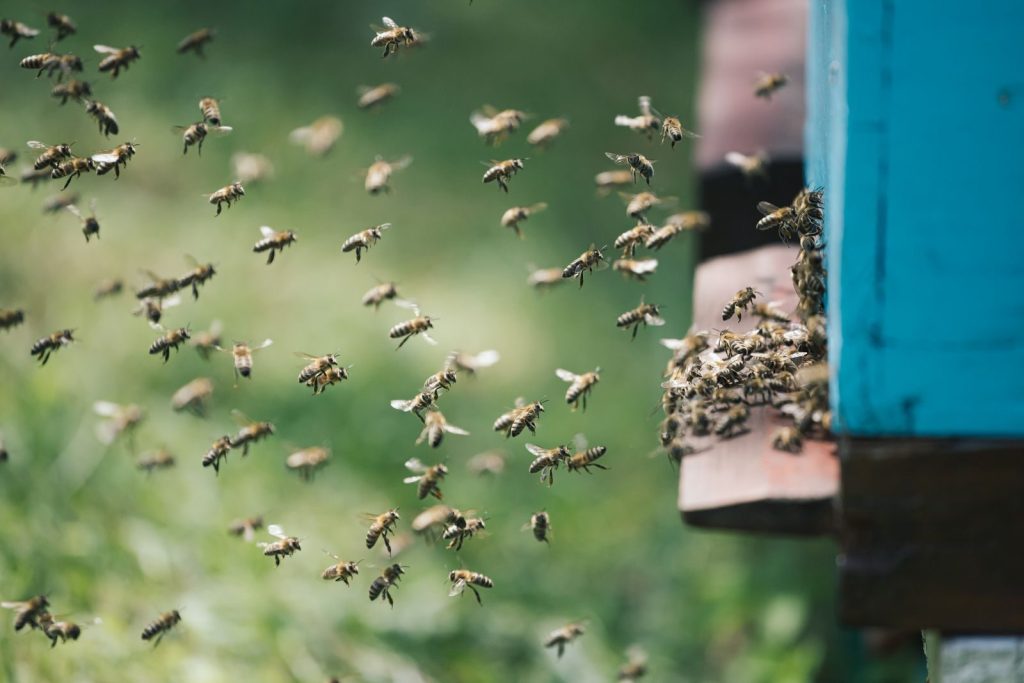
Swarming begins when a honey bee colony becomes crowded enough to divide. The old queen leaves with a large share of the workers and temporarily clusters on a branch or other surface while scouts search for a permanent cavity. Cornell researchers described swarms containing thousands of bees waiting while only several hundred scouts handle most of the house hunting. The hanging cluster may look inactive, but a complex search and decision process is happening around it. That temporary stop can last many hours while scouts compare alternatives.
Scout Bees
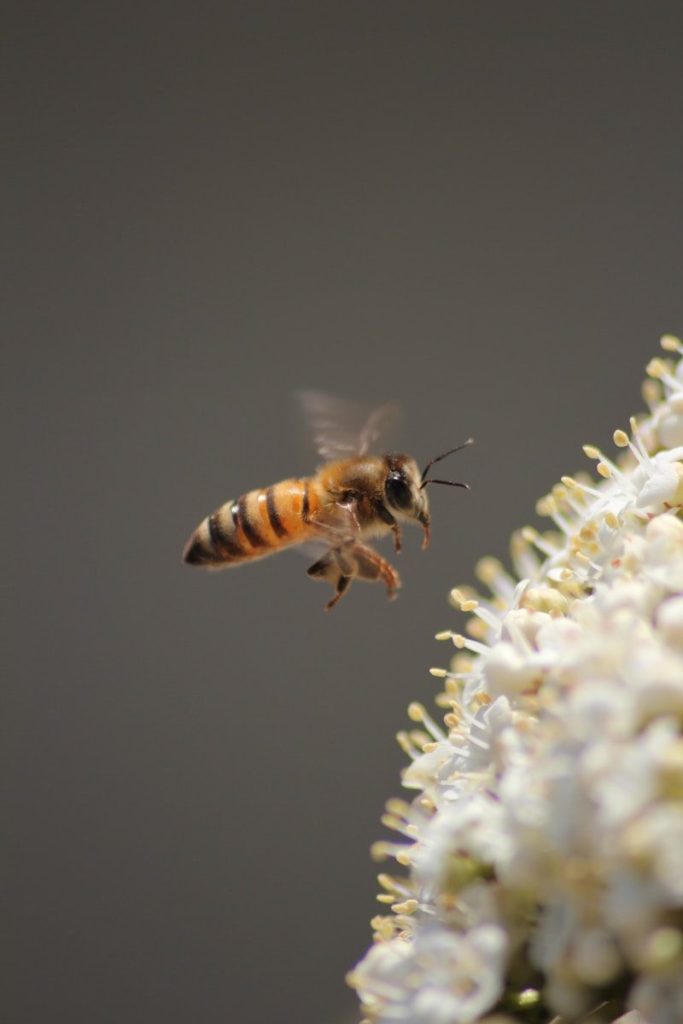
Only a minority of swarm members act as nest-site scouts. These experienced workers fly through the surrounding landscape looking for cavities that could house the new colony. They inspect features such as space and suitability, then return to the swarm if a site seems promising. Because different scouts discover different places independently, the colony receives information from multiple sources rather than depending on one leader. That distributed search reduces the chance that one poor discovery determines the swarm’s future across the landscape.
Waggle Dance

A scout that finds a promising cavity can advertise it through a waggle dance on the swarm cluster. The dance communicates direction and distance, much as honey bees use waggle dances when recruiting nestmates to food. Cornell experiments found that scouts danced more strongly for better nest sites. Other scouts then followed the dance, visited the advertised cavity themselves, and could return to recruit additional bees if they also judged the site favorably. This turns private information about a cavity into a social signal the swarm can evaluate.
Better Sites Win

The competing dances do not all receive equal support. In Cornell experiments, scouts advertising higher-quality cavities performed longer dances than scouts promoting mediocre sites. That difference recruits more bees to investigate the stronger option, allowing support for a good cavity to grow faster. The process is not perfect unanimity, and some scouts may continue promoting alternatives. Yet the colony’s recruitment system makes site quality influence how quickly each candidate gains followers, helping the swarm avoid many poor choices over time.
Stop Signals

Honey bee nest decisions also involve inhibitory signals. Later research showed that scout bees can deliver brief stop signals to bees advertising competing sites, reducing the intensity of rival recruitment. These signals help prevent the swarm from remaining stuck between alternatives when several good cavities are available. The decision therefore depends on both positive advertising and negative feedback. Together, waggle dances and stop signals allow a large group to narrow multiple options into one destination without centralized control or a bee issuing orders.
Quorum Decision

The swarm does not wait until every scout agrees. Cornell experiments found that takeoff could begin once roughly 15 scouts were present at a candidate nest, creating a quorum. Researchers tested this by offering swarms several suitable nest boxes and watching where scouts accumulated. Even while some bees continued advertising another site, reaching the threshold at one location was enough to trigger the next stage. This quorum system lets a colony balance careful evaluation with the need to make a timely decision.
Flight Preparation
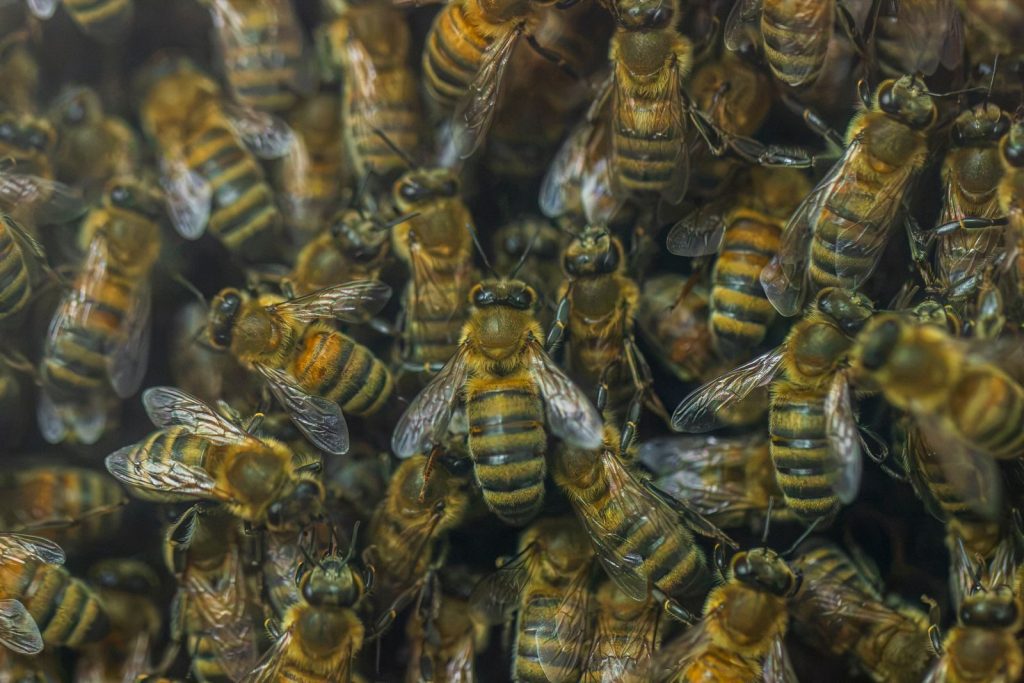
Before thousands of bees can leave together, they must warm their flight muscles. Cornell researchers observed scouts moving through the swarm and pressing vibrating thoraxes against resting bees after a nest-site quorum had formed. This behavior helped stimulate the clustered workers to prepare for flight. The researchers reported that the swarm lifted off after the bees’ thoraxes had warmed sufficiently. The home-selection process therefore ends not merely with a choice, but with coordinated physiological preparation for a group departure together.
Swarm Takes Flight
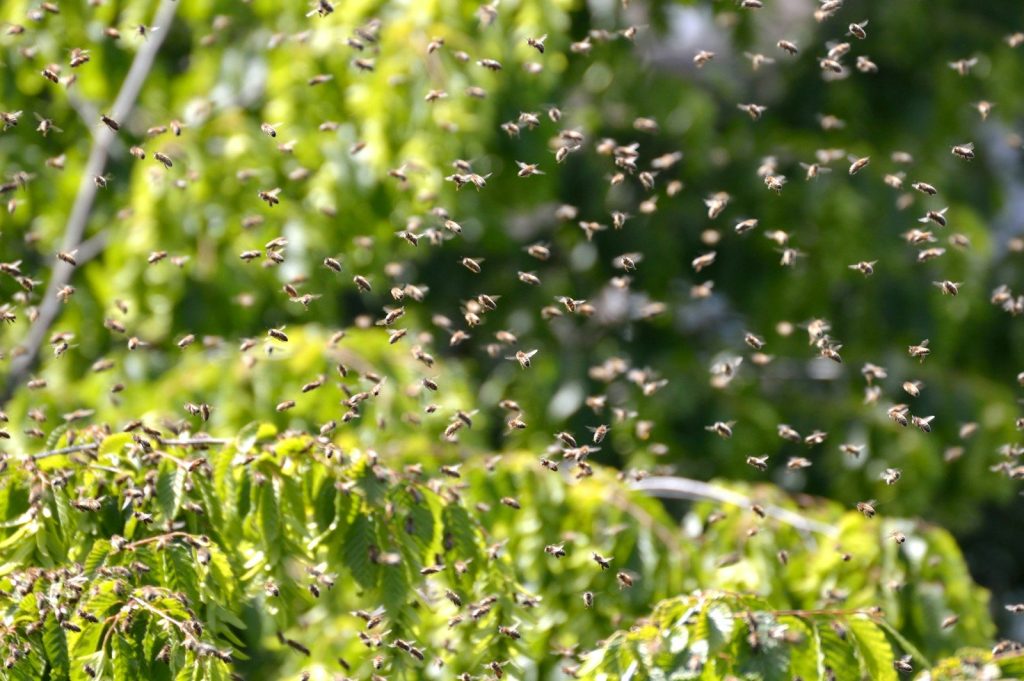
Once the swarm is ready, thousands of bees leave the temporary cluster and move toward the selected nest site. The spectacle can look chaotic, but the destination was shaped by hours of scouting, recruitment, competition, and quorum sensing. Cornell experiments found that superior nest boxes were usually chosen even when they were not discovered first. That makes honey bee house hunting a striking example of collective decision-making in which simple individual behaviors produce an organized outcome at the level of the entire swarm.


