For years, the seagrass beds off the coast of Mozambique were being stripped of one of the ocean’s most delicate and unusual creatures: seahorses. What was once a thriving habitat quietly turned into a hotspot for illegal harvesting, driven by global demand and local poverty. The situation seemed unsustainable, and conservationists feared the species could disappear from the region entirely.
But in one small coastal community, an unexpected shift began to change everything.
A Hidden Trade That Took Over the Seagrass
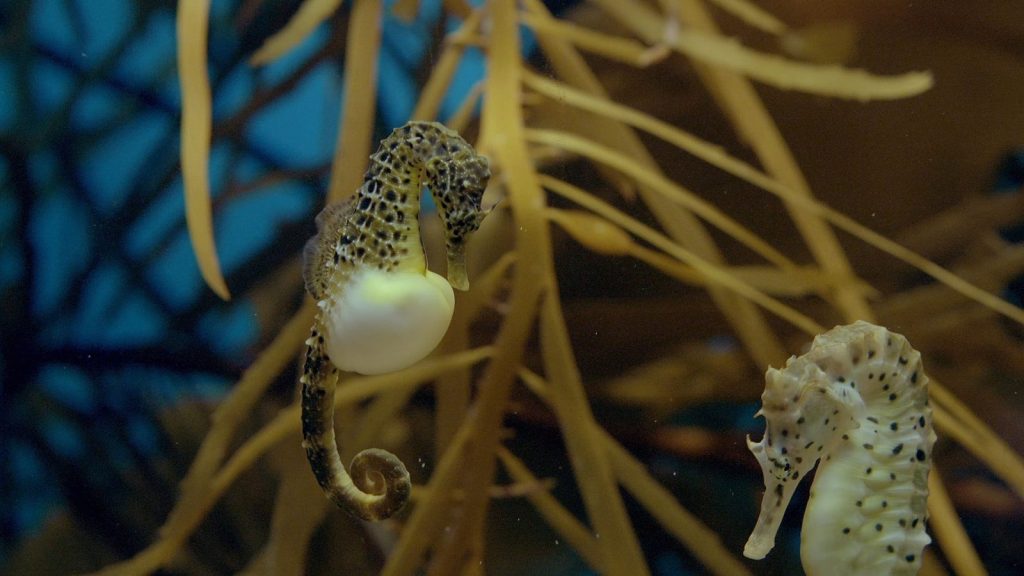
Along the remote coastline near Vilanculos, fishermen were approached by traders offering cash for dried seahorses, which are used in traditional medicine markets across parts of Asia. With limited income opportunities, many locals turned to the trade.
Seahorses were small, easy to collect, and highly valued once dried. Over time, they were even nicknamed “diamonds” because of the income they generated. But the price paid at the source was tiny compared to their value in international markets, pushing extraction to unsustainable levels.
A Fragile Species Under Pressure
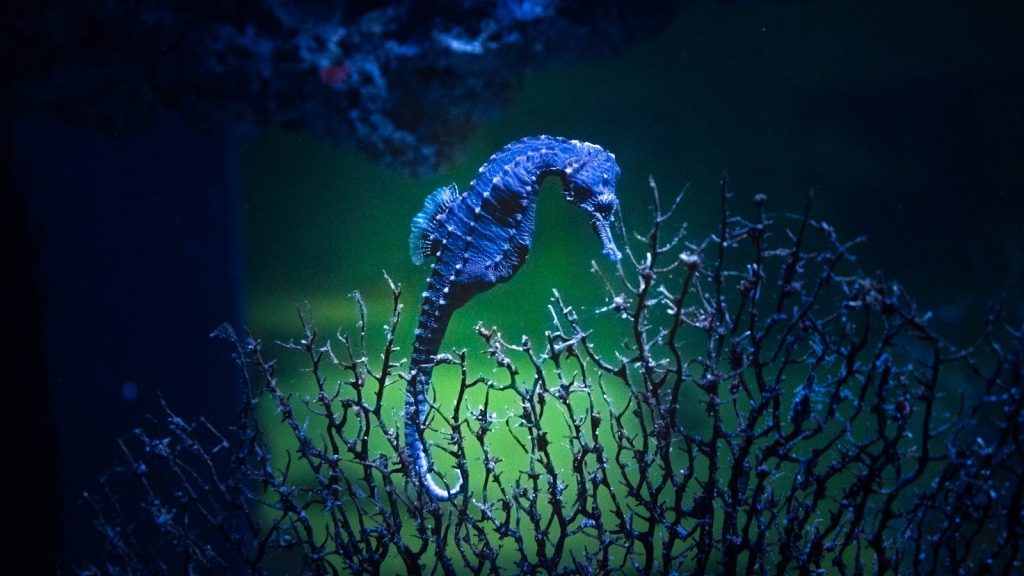
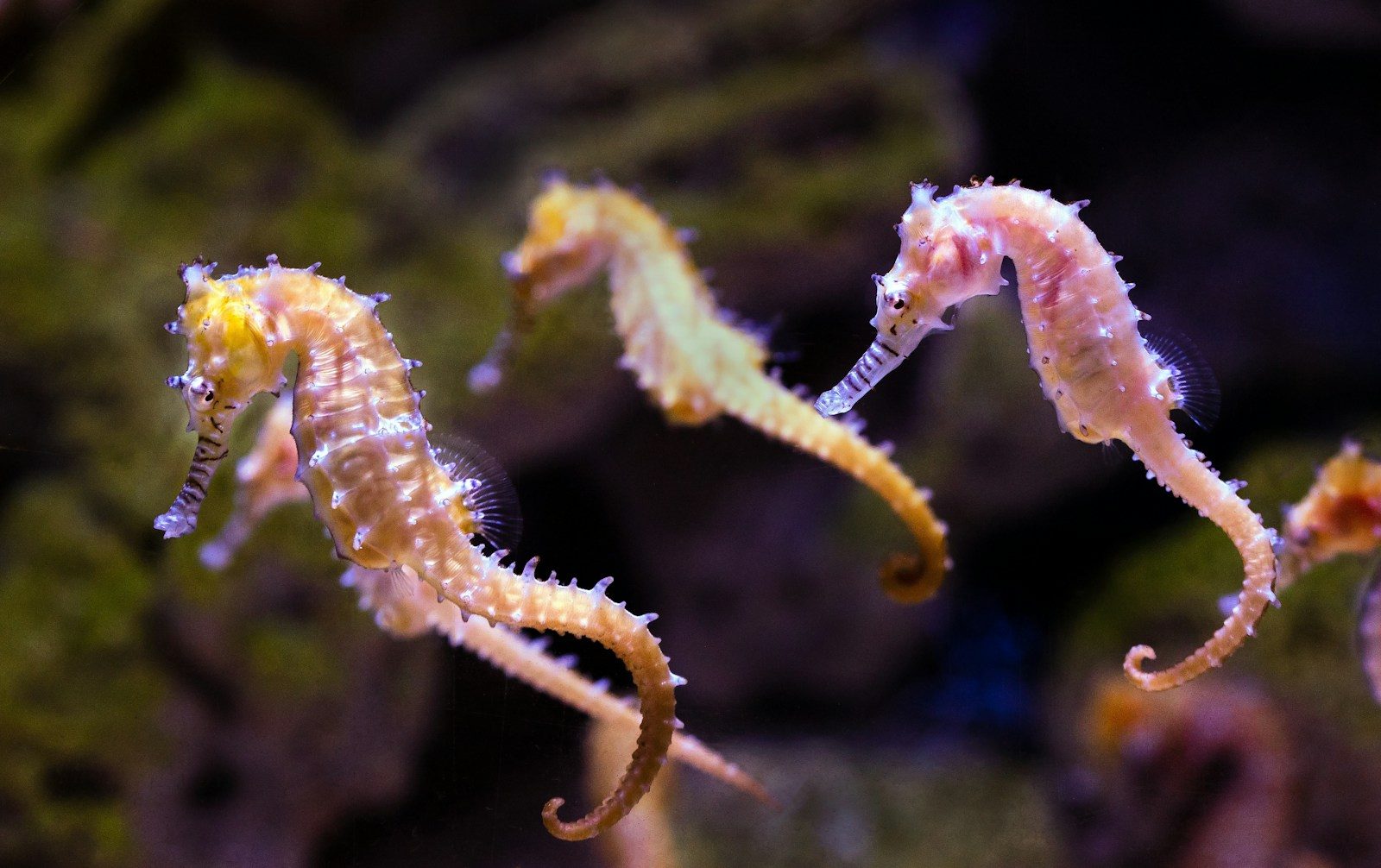
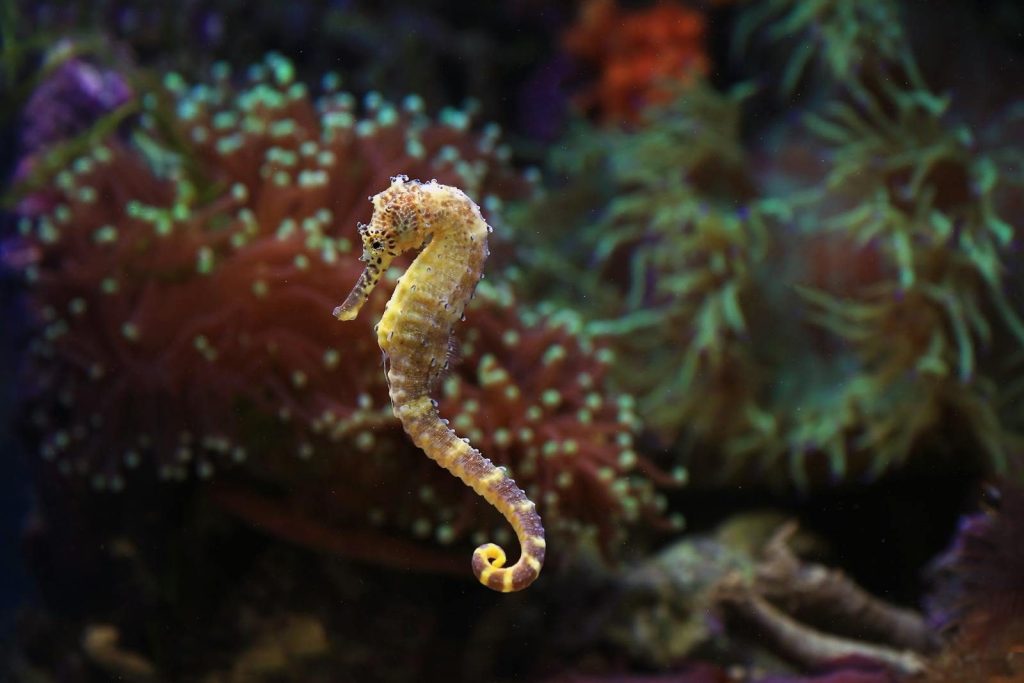
Three species of seahorses live in Mozambique’s waters, including giraffe, common, and thorny seahorses. These animals depend heavily on healthy seagrass ecosystems, where they anchor themselves using their tails and remain hidden from predators.
Unlike many fish, seahorses are extremely poor swimmers and tend to stay within a very small home range for life. This makes them especially vulnerable to overharvesting. Once local populations decline, they recover very slowly, if at all.
Global Demand and the Rise of Illegal Trade
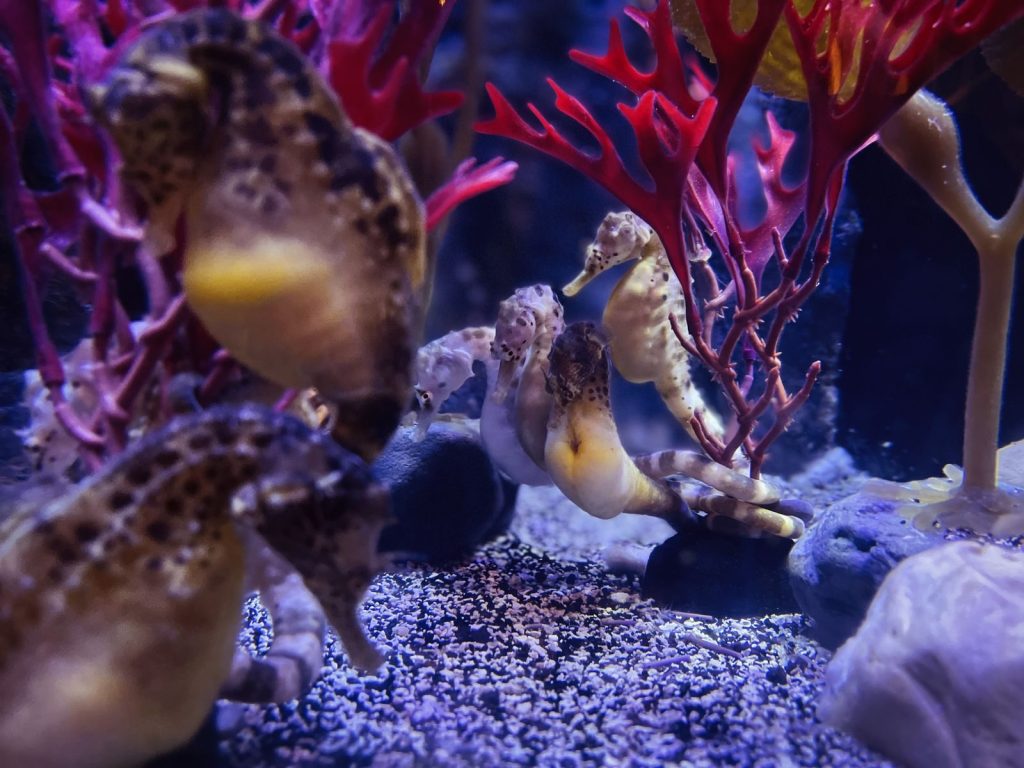
Despite international protections under CITES regulations, seahorse trafficking did not stop. Instead, it shifted underground.
Large markets in parts of Asia continued to demand dried seahorses, where they are sold for traditional remedies. Investigations found that much of the trade continued through illegal supply chains, even from countries that had officially banned exports.
This created a situation where conservation laws existed on paper, but enforcement on the ground was weak.
A Community Reaches a Breaking Point
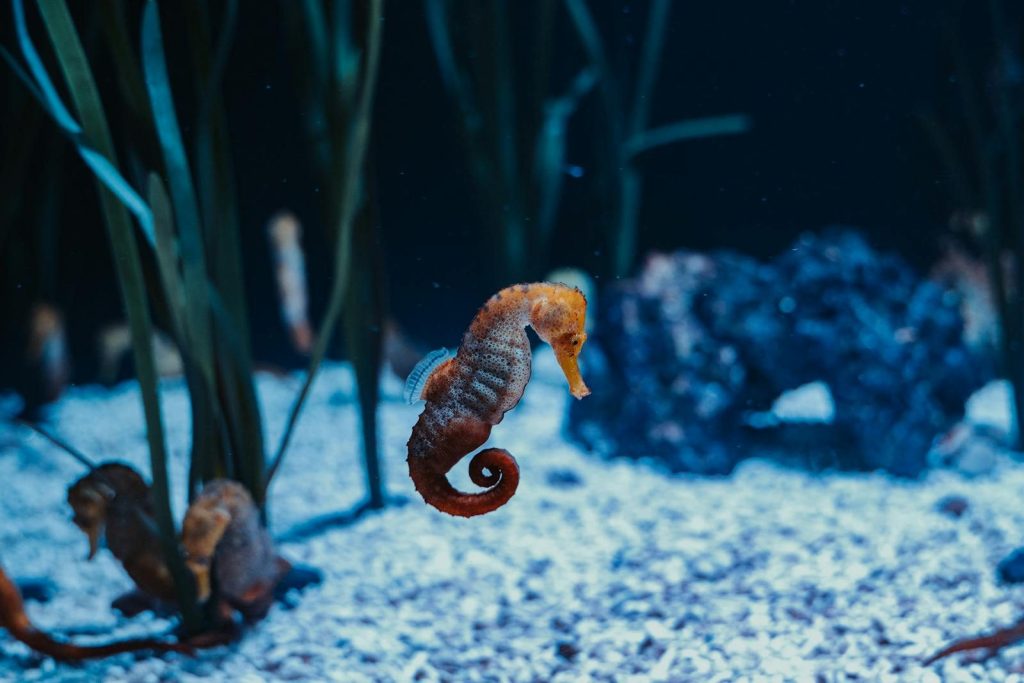
In Mangalisse and surrounding villages, seahorse harvesting had become a survival strategy. But as catches declined, so did income. The very resource people depended on was disappearing.
At the same time, conservation groups and local leaders began warning that if the trend continued, both the species and the livelihoods tied to it would collapse completely.
This realization set the stage for a very different kind of solution.
Turning Poachers Into Protectors
Instead of relying solely on enforcement, a community-led initiative called ParCo was created to change the system from within. The approach focused on education, local leadership, and new economic opportunities.
Former fishermen who once collected seahorses began training as guides, leading eco-tours into seagrass habitats. Visitors could now snorkel and observe living seahorses in their natural environment, turning conservation into a source of income.
Crucially, this model made live seahorses more valuable than dead ones.
A Quiet Recovery Beneath the Waves
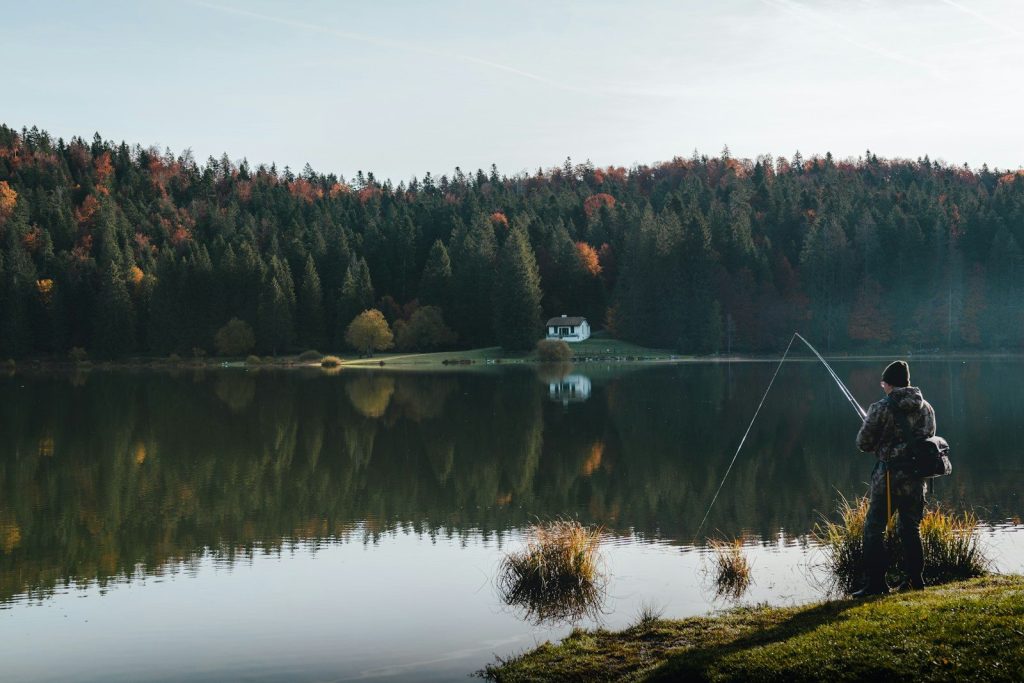
Over time, something remarkable began to happen. Seahorse sightings increased in areas where ecotourism was active. Fishermen who once relied on extraction were now actively protecting the same habitats.
What was once a story of rapid decline slowly became one of cautious recovery.
The future of seahorses in Mozambique is still fragile, shaped by global demand and environmental change. But in these coastal waters, one lesson is already clear: when communities are given ownership of conservation, nature has a chance to recover.