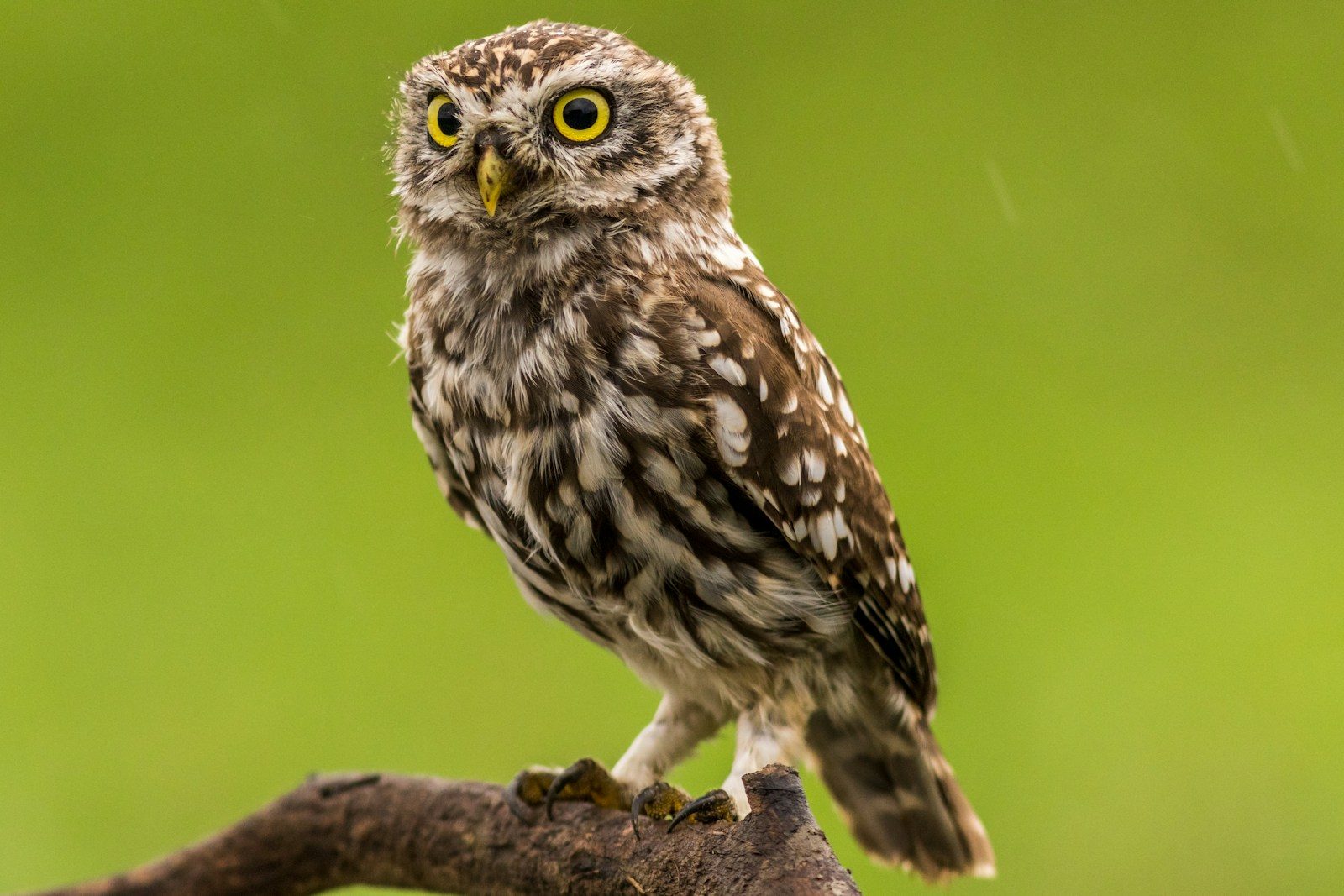
Owls are often associated with quiet flight and mysterious nighttime behavior, but some species are far more powerful and physically imposing than many people realize. Among them are large owls that combine silent hunting ability with surprising strength and aggressive predatory instincts.
These birds are not just symbols of wisdom or forest calm. In reality, certain owl species function as top tier predators in their ecosystems, capable of taking down surprisingly large prey relative to their size.
Some Owl Species Reach Impressive Sizes
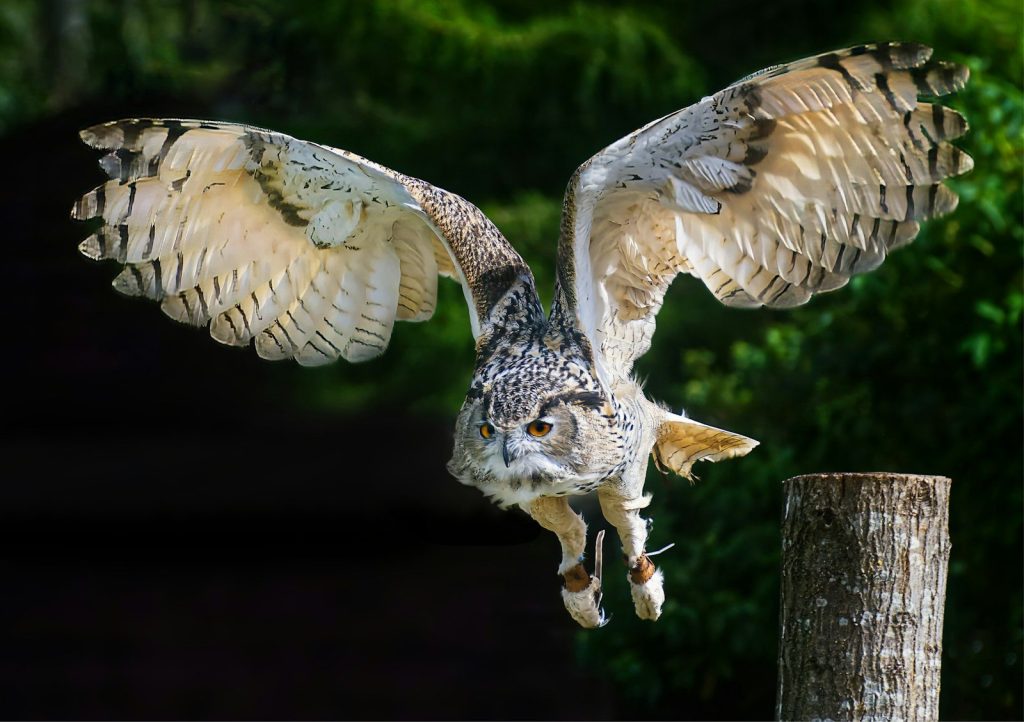
While many people imagine owls as small to medium sized birds, some species grow much larger and heavier than expected. The largest owls can have wingspans that rival smaller raptors, giving them a dominant presence in the sky.
Their size allows them to hunt in colder and more demanding environments where strength and endurance matter. This physical advantage sets them apart from smaller woodland owl species.
Silent Flight Makes Them Highly Efficient Predators
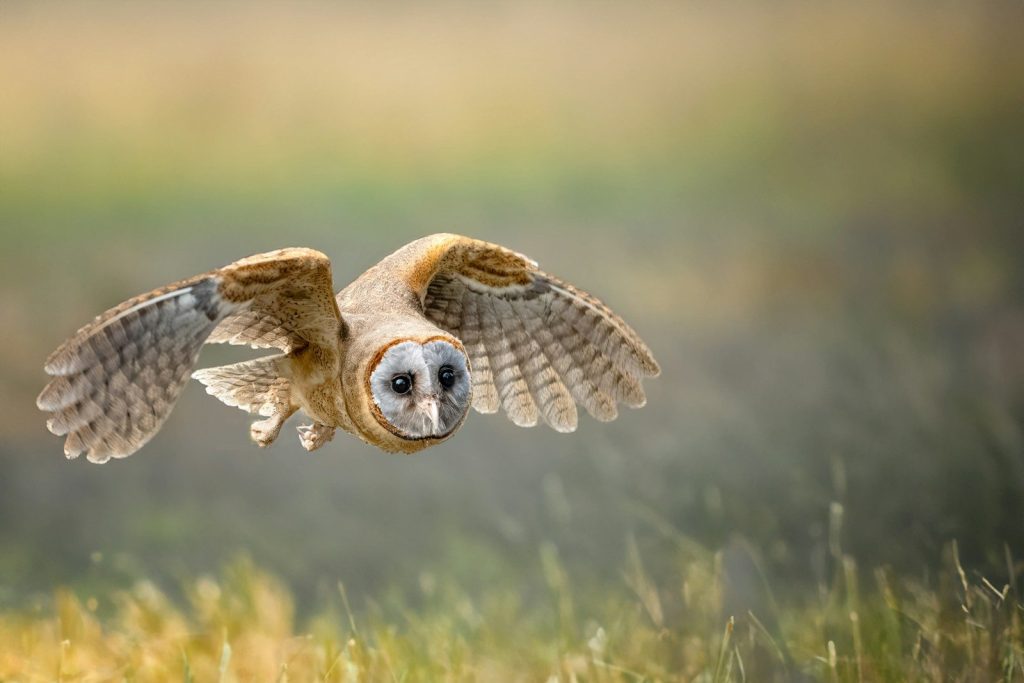
Owls are uniquely adapted for near silent flight, which allows them to approach prey without detection. Specialized feather structures reduce turbulence and eliminate most sound during movement.
This stealth capability gives them a major advantage during nighttime hunting. Prey animals often do not detect them until the final moment of attack.
Powerful Talons Deliver Lethal Precision
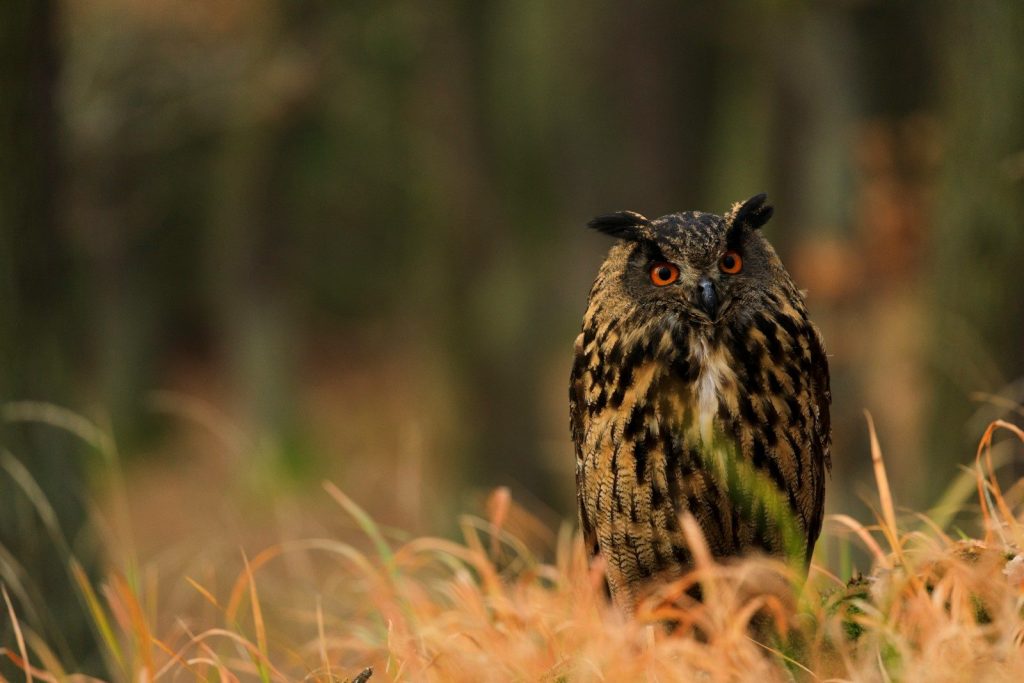
An owl’s talons are its primary hunting tools and are capable of exerting significant force. These sharp claws allow them to capture and hold struggling prey with remarkable efficiency.
Once an owl locks onto a target, escape becomes extremely difficult for the prey. This makes them highly effective hunters despite their quiet appearance.
Diet Includes Surprisingly Large Prey
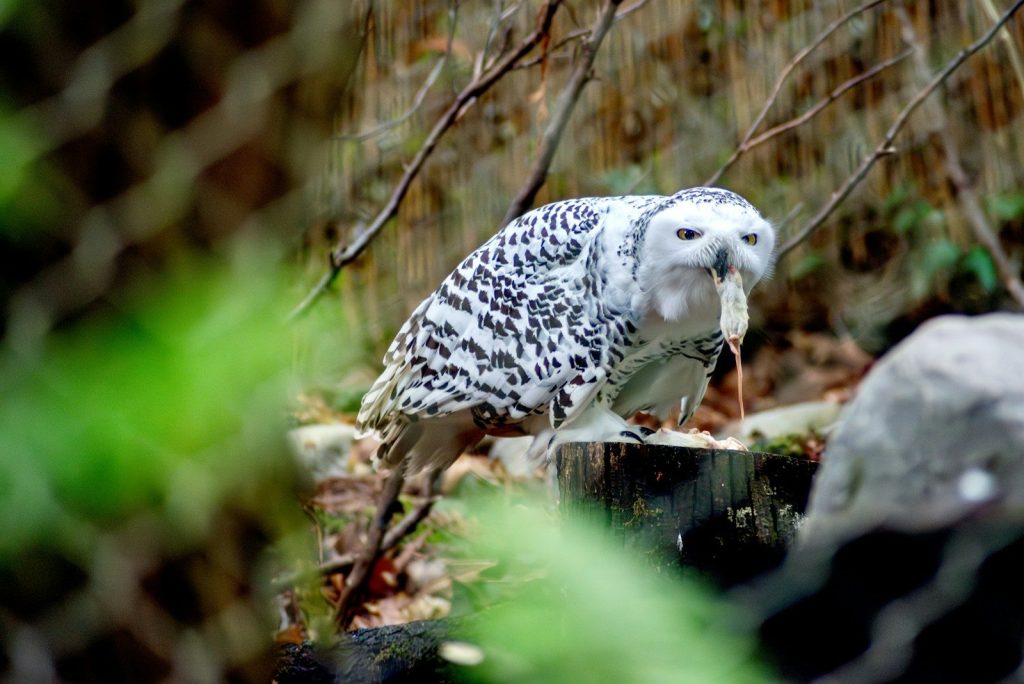
Some of the larger owl species are capable of hunting animals such as rabbits, small mammals, and even other birds. Their strength allows them to handle prey that might seem too large for a flying predator.
This diverse diet helps them survive in environments where food availability changes seasonally. It also highlights their role as important apex or near apex predators in some regions.
Night Vision And Hearing Create A Hunting Advantage

Owls possess highly specialized vision adapted for low light conditions, allowing them to detect movement in near darkness. Combined with exceptional hearing, they can pinpoint prey with great accuracy.
These sensory adaptations make them extremely efficient nocturnal hunters. Even minimal movement can be enough to reveal a target.
Powerful Birds That Are Often Underestimated
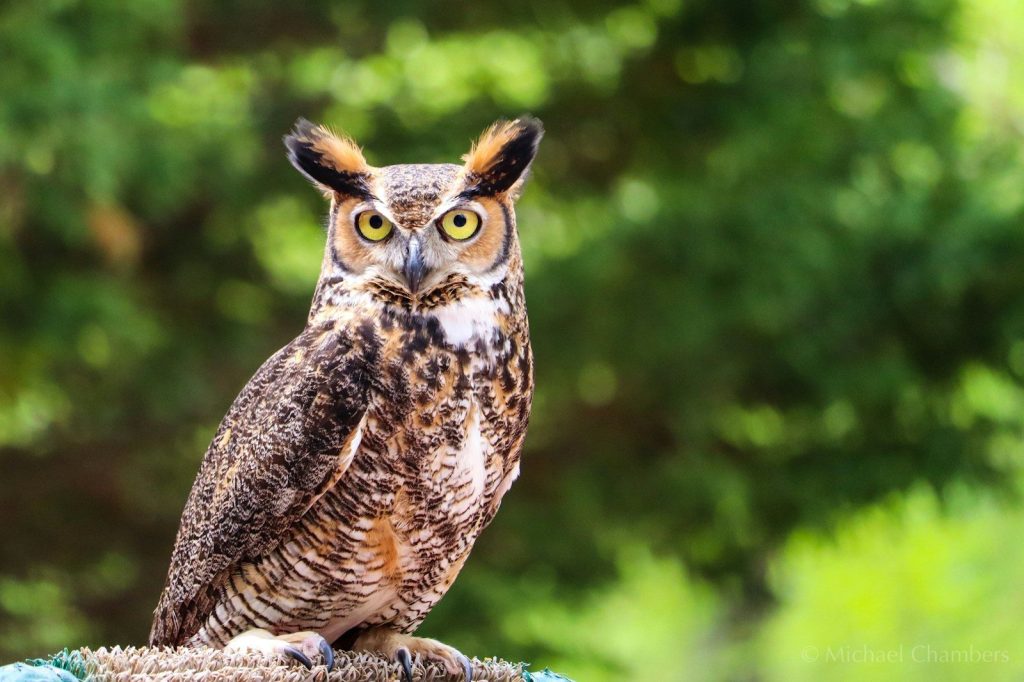
Despite their reputation, owls are often underestimated due to their calm appearance and silent behavior. In reality, they are highly skilled predators with physical abilities that rival many diurnal birds of prey.
Their combination of stealth, strength, and sensory precision makes them one of nature’s most effective nighttime hunters.