Hibernation is more than a very long sleep. It is a specialised form of dormancy in which metabolism falls dramatically so an animal can conserve energy when food is scarce and conditions are harsh.
Not every animal that becomes inactive in winter is a true hibernator. Different species reduce body temperature, breathing and heart rate by very different amounts.
Metabolism Slows Down

True hibernation involves a major reduction in metabolic activity. The animal burns stored energy far more slowly than it would while active. This allows small mammals to survive weeks or months when insects, seeds and other food sources are difficult or impossible to find.
Heart Rate Drops
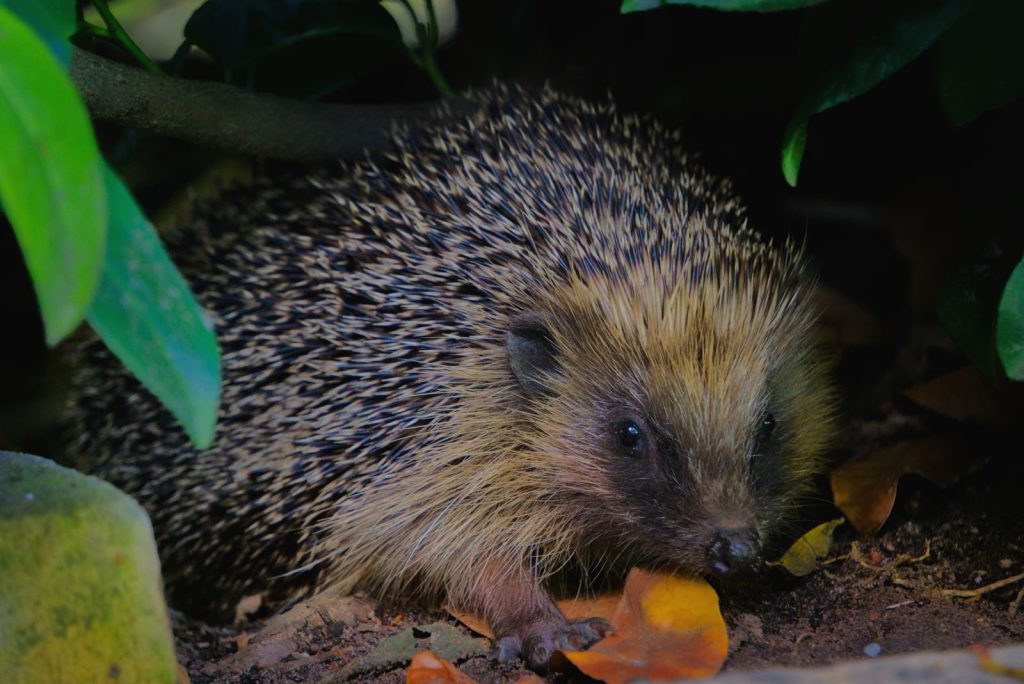
The heart may beat only a fraction as quickly as during normal activity. Blood circulation remains sufficient to supply essential organs, but unnecessary energy use is reduced. Breathing also slows and may become irregular, with long pauses between breaths in some species.
Body Temperature Falls

Many small hibernators allow their body temperature to drop close to the temperature of the surrounding den. Arctic ground squirrels can undergo especially dramatic shifts. Lower temperature reduces the speed of chemical reactions and therefore cuts the energy required to maintain the body.
Animals Store Fuel First
Before hibernation, many animals eat heavily and accumulate fat. That stored energy becomes their main fuel during months when they are not feeding normally. Some species also cache food and wake periodically to eat, so hibernation strategies differ greatly.
They Sometimes Wake Up
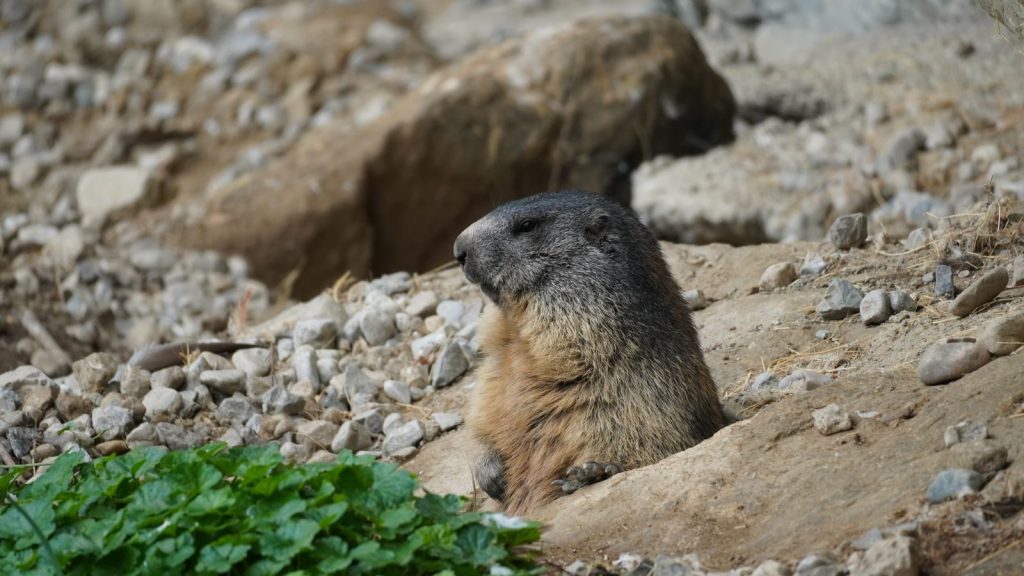
True hibernators do not necessarily remain continuously inactive. Many periodically return to normal body temperature in events called arousals. These warm-up periods use large amounts of energy, and scientists are still studying why they are necessary.
Bears Are Different
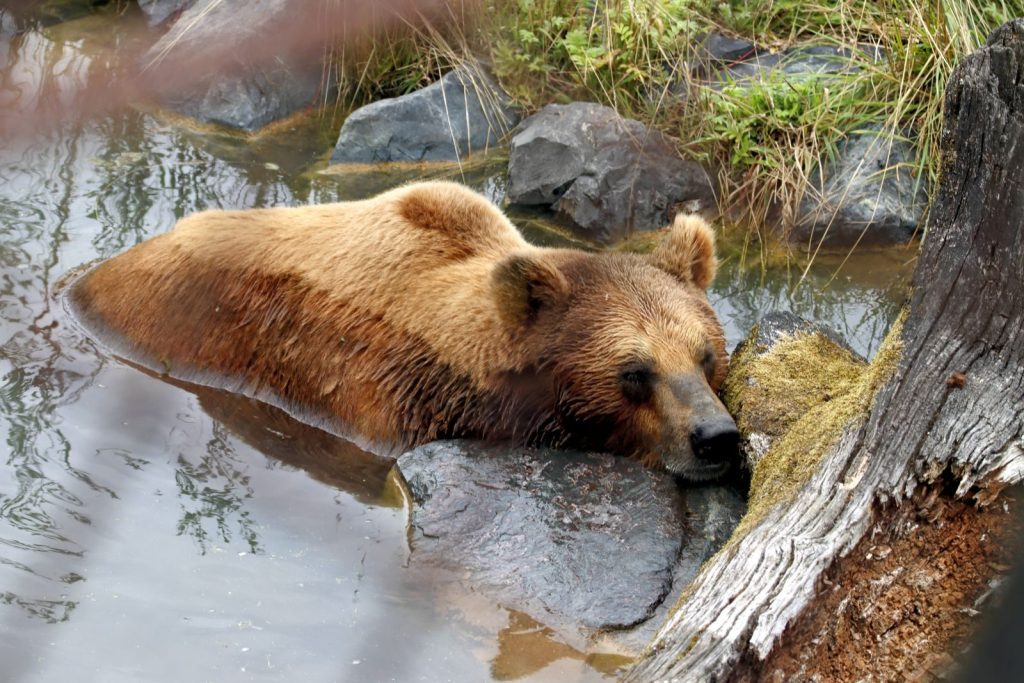
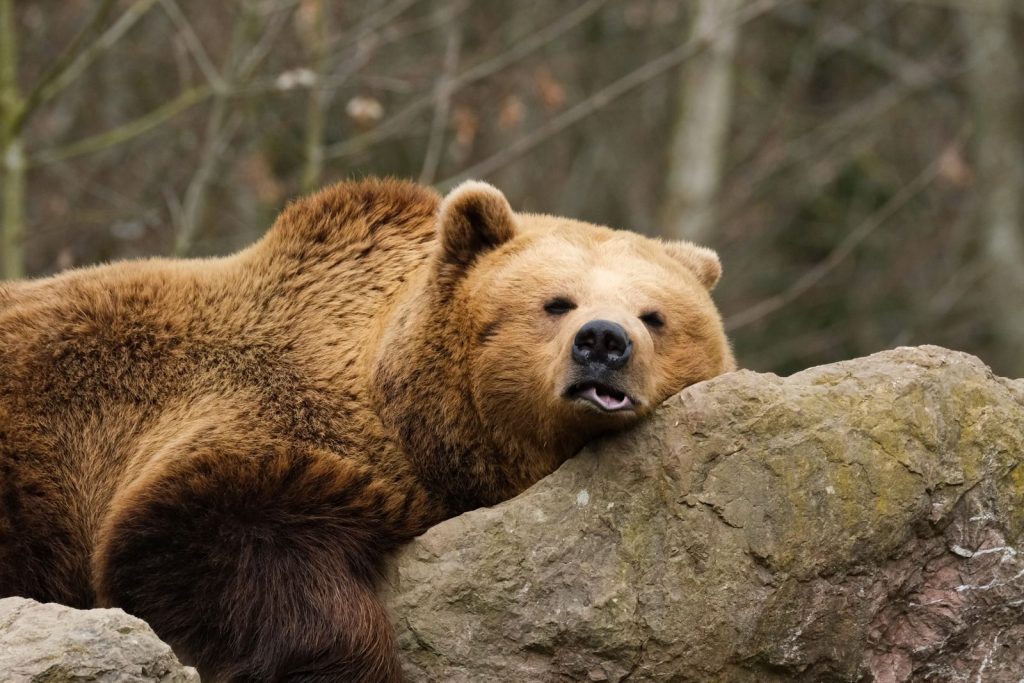
Bears spend winter in dens and dramatically lower metabolism and heart rate, but their body temperature falls less than in many small mammals. They can also wake relatively quickly. Biologists still commonly describe bear winter dormancy as hibernation, although its physiology differs from classic small-mammal hibernation.
Survival Comes at a Cost

Animals must enter hibernation with sufficient stored energy. Waking too often, being disturbed repeatedly or emerging before food returns can use vital reserves. Young, sick or underweight animals may be especially vulnerable to running out of stored fuel.
Dormancy Takes Many Forms

Hibernation is only one survival strategy. Reptiles may enter brumation, insects can undergo diapause and some animals use short daily periods of torpor. All reduce energy use, but the timing, temperature changes and physiological mechanisms differ.