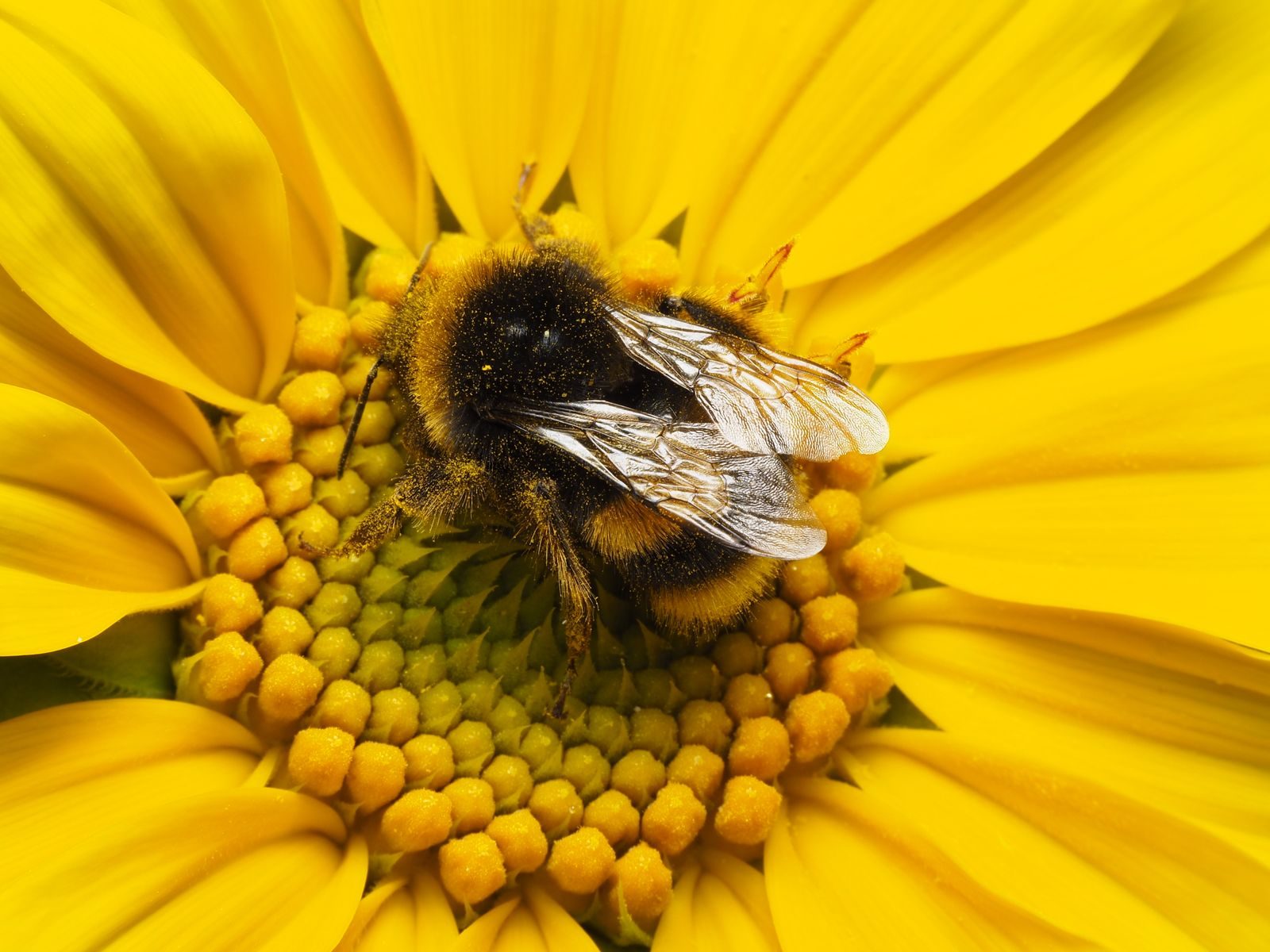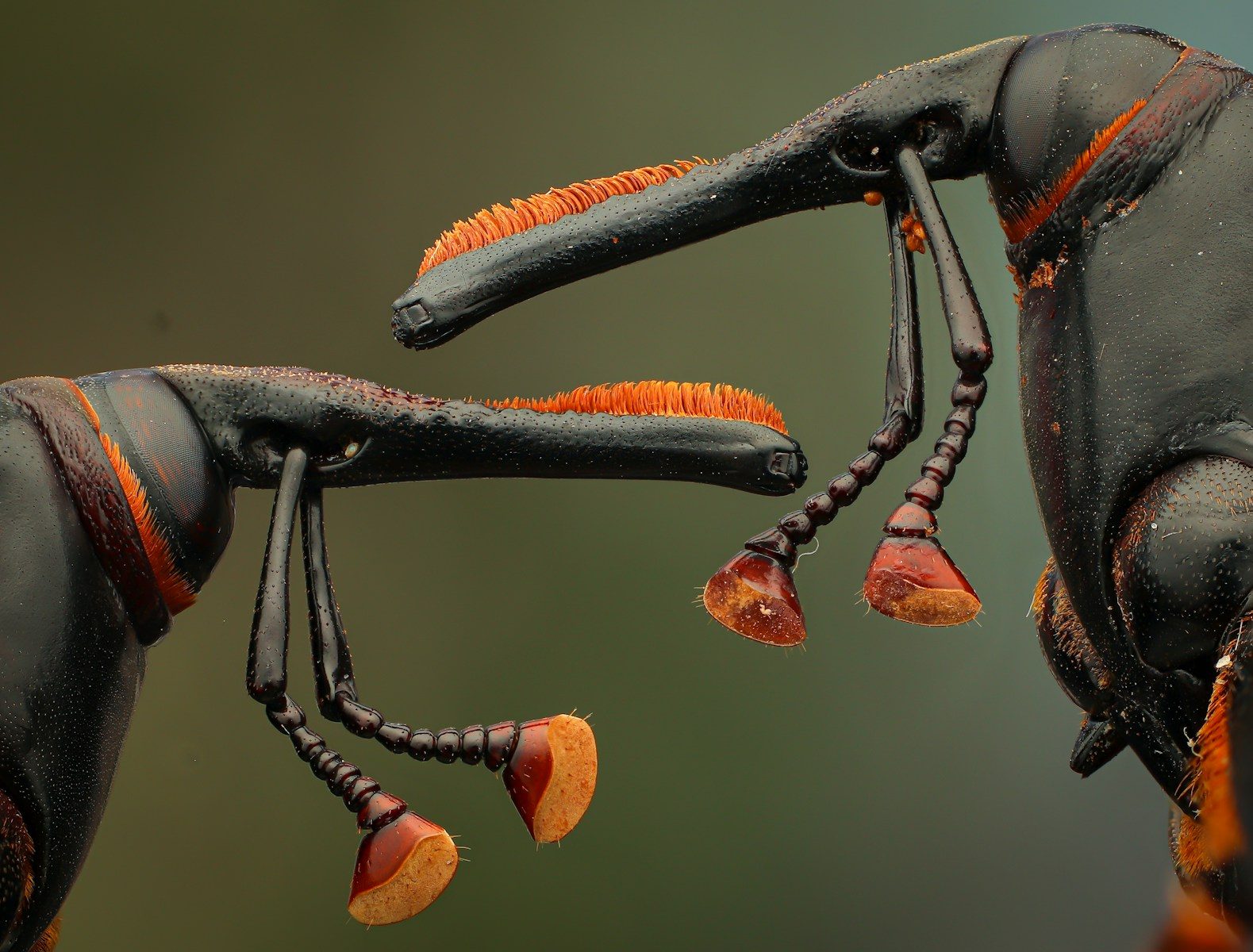
Naming the world’s single “largest insect” is harder than it sounds. One species may win by body mass, another by body length, another by wingspan, and another by total surface area.
These insects represent several legitimate ways of being enormous. Their measurements also vary by sex and individual, so the list is not presented as one scientifically definitive ranking from first to eighth.
Titan Beetle
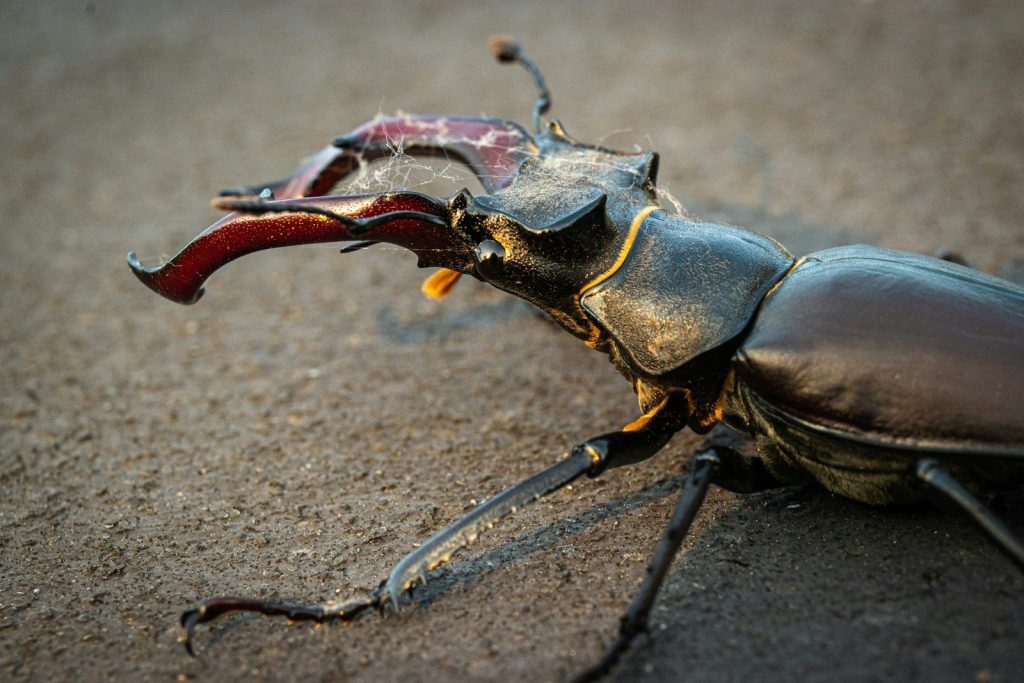
The titan beetle, Titanus giganteus, lives in tropical South America and is commonly cited among the largest beetles by body length. Smithsonian describes it as generally considered the largest known beetle, while Natural History Museum material records adults approaching 17 centimeters.
Its enormous mandibles add to its intimidating appearance, although adult titan beetles are not giant predators roaming the forest for vertebrate prey. Most of their life history remains associated with wood and tropical forest habitats. Their sheer length makes a fully grown specimen dramatically larger than the beetles most people encounter.
Goliath Beetle

Goliath beetles are enormous African scarab relatives with thick bodies and striking black, white, or brown markings. They are particularly impressive when mass rather than simple length is used to compare insects.
Natural History Museum material notes that Goliath beetle larvae can reach around 80 to 100 grams before adulthood, while adults weigh considerably less. This illustrates why “largest” needs a defined metric: the heaviest life stage may not be the longest adult insect. Goliath beetles nevertheless remain among the most massive-looking beetles alive, with powerful legs and heavily built bodies.
Wētāpunga

New Zealand’s wētāpunga is a giant flightless orthopteran and one of the heaviest insects on Earth. The New Zealand Department of Conservation says fully grown individuals can be heavier than a mouse or sparrow.
Wētāpunga once occurred more widely but survived naturally on Hauturu-o-Toi/Little Barrier Island after introduced predators eliminated mainland populations. Conservation breeding and translocation have established additional protected populations. Their impressive mass is therefore paired with a vulnerable conservation history: being giant and flightless provided little defense against invasive mammalian predators that New Zealand’s native insects had not evolved alongside.
Giant Stick Insect
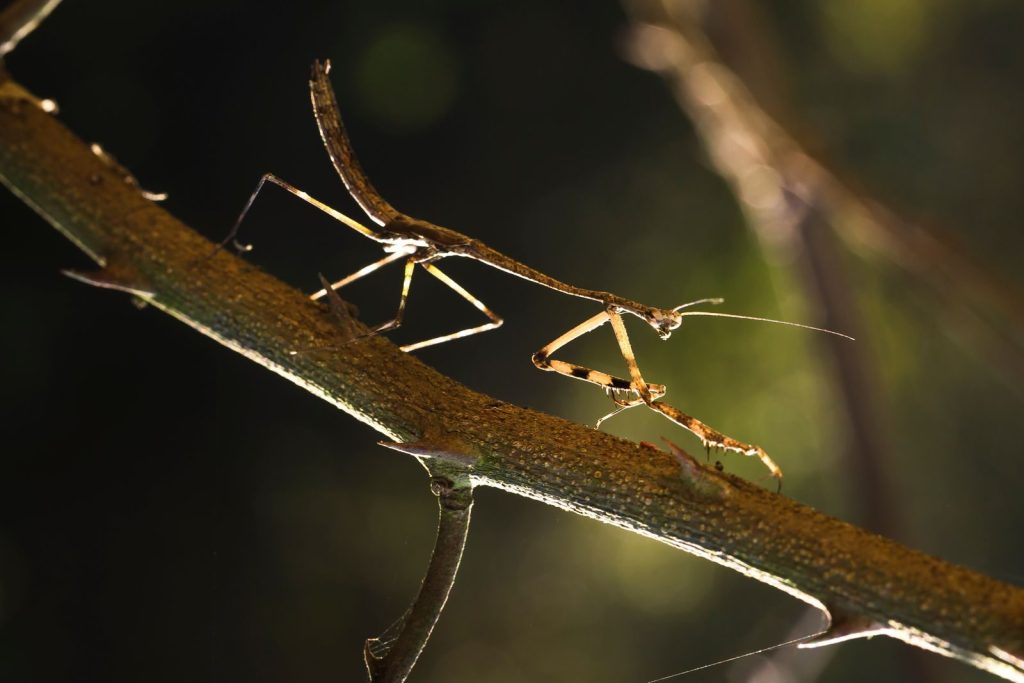
Stick insects achieve extraordinary size mainly through length rather than heavy bodies. Smithsonian educational material identifies a Chinese stick insect exceeding 60 centimeters when legs are included, illustrating how extreme this body plan can become.
Their long, narrow shape helps them resemble twigs or branches, making enormous size compatible with camouflage. Different “longest insect” records can also change as new species and exceptional specimens are documented, which is another reason a largest-insect list needs caution. A stick insect can dwarf a beetle in total length while weighing much less because most of that size is slender body and limbs.
Atlas Moth

The Atlas moth is among the world’s most imposing moths, with broad patterned wings that can cover an enormous area. Its wings are reddish-brown with translucent patches and curved tips that contribute to its unmistakable appearance.
Atlas moths illustrate another definition of insect size: wing surface rather than body weight. Their adult bodies are relatively modest compared with the expanse of the wings. Like many giant silk moths, the adult stage is focused largely on reproduction after energy was accumulated during larval growth. They belong on any list of insect giants even though other moths can exceed them in wingspan.
White Witch Moth
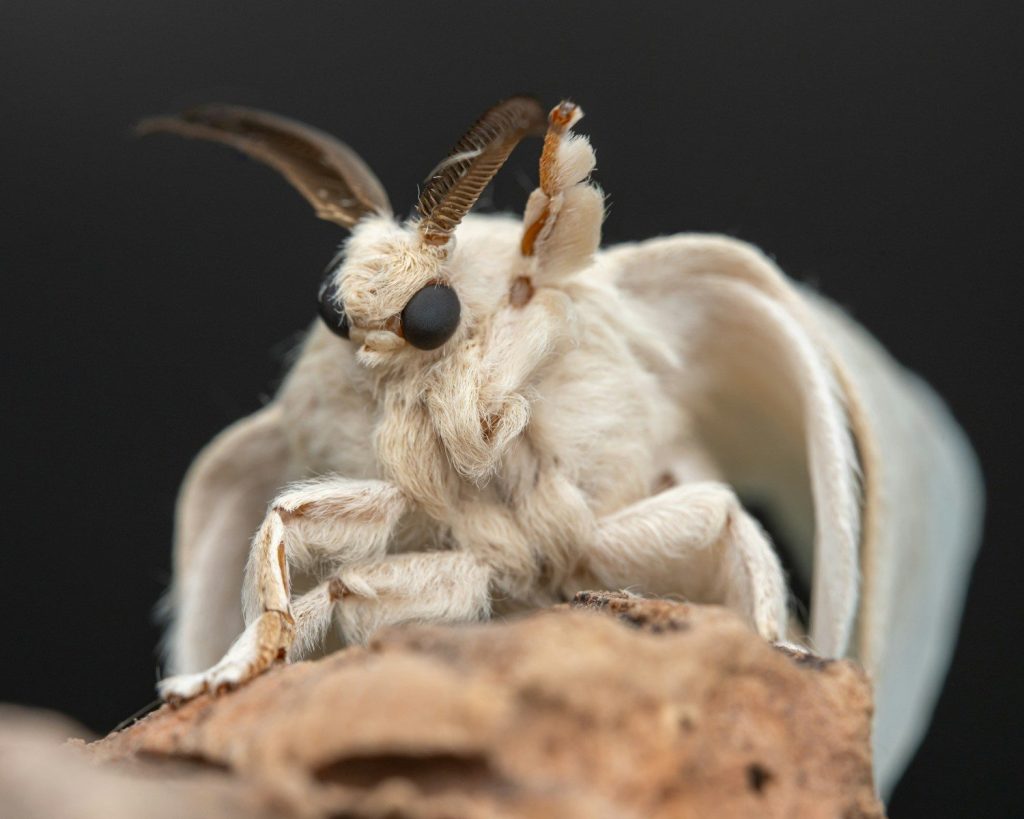
The white witch moth is famous for extraordinary wingspan. Natural-history references commonly place exceptional specimens around 25 to 30 centimeters across, making it a serious contender when insects are compared from wingtip to wingtip.
Its enormous wings are patterned in complex gray and brown lines that help the resting moth blend against bark. Unlike a heavy wētā or thick-bodied beetle, most of its visual scale comes from thin wings. That difference demonstrates why insect records become confusing when “biggest” is used without specifying whether the measurement means weight, body length, wingspan, or wing area.
Queen Alexandra’s Birdwing

Queen Alexandra’s birdwing is the world’s largest butterfly by wingspan. Females are much larger than males and can reach roughly 27 centimeters across, according to the Natural History Museum.
The species occurs naturally only in a small area of Papua New Guinea, making its enormous size even more remarkable. Large female wings are brown and cream, while smaller males display striking blue-green coloration. Habitat loss and its restricted distribution have made conservation especially important. A butterfly this large may look impossible beside familiar garden species, but its record comes from genuine adult wingspan rather than exaggerated photographs.
Hercules Beetle

Hercules beetles earn their giant appearance from both body size and, in males, an enormous pair of horn-like structures extending from the head and thorax. Those horns can make an adult look far longer than its heavy body alone would suggest.
They are rhinoceros beetles native to tropical regions of the Americas. Males use their dramatic horns primarily in contests with other males rather than to attack humans. Like other contenders on this list, their dimensions show how record claims depend on what is measured. A horned male may appear extraordinarily long without being the heaviest insect.
Featured Image: Photo by Dix Balino on Unsplash