Releasing an animal into the wild may seem like a kind or harmless act, but in many cases, it can seriously damage ecosystems, threaten native wildlife, and even put the animal itself in danger. Around the world, invasive species introduced by humans have disrupted food chains, spread disease, and caused long term environmental problems that are often impossible to reverse.
Some animals become aggressive predators in places where they do not naturally belong, while others reproduce so quickly that native species cannot compete. Even pets raised in captivity often lack the survival skills needed to live safely in the wild. Wildlife experts continue to warn that responsible pet ownership and proper relocation practices are essential to protecting biodiversity.
Goldfish Can Grow Into Ecosystem Destroyers
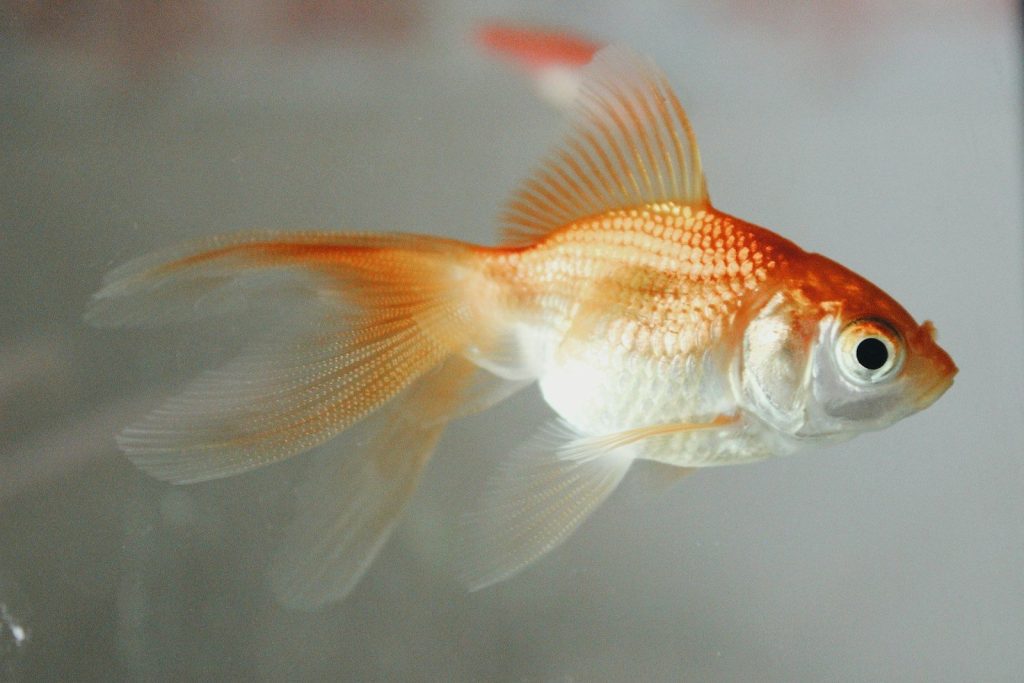
Many people assume releasing a pet goldfish into a pond or lake is harmless, but goldfish can become a major invasive threat. In the wild, they often grow much larger than expected and disturb sediment while feeding, which clouds water and damages aquatic habitats.
Goldfish also compete with native fish for food and breeding space. In several countries, massive wild goldfish populations have already become difficult to control, proving how one small pet can create a huge environmental issue.
Rabbits Multiply Faster Than Ecosystems Can Handle
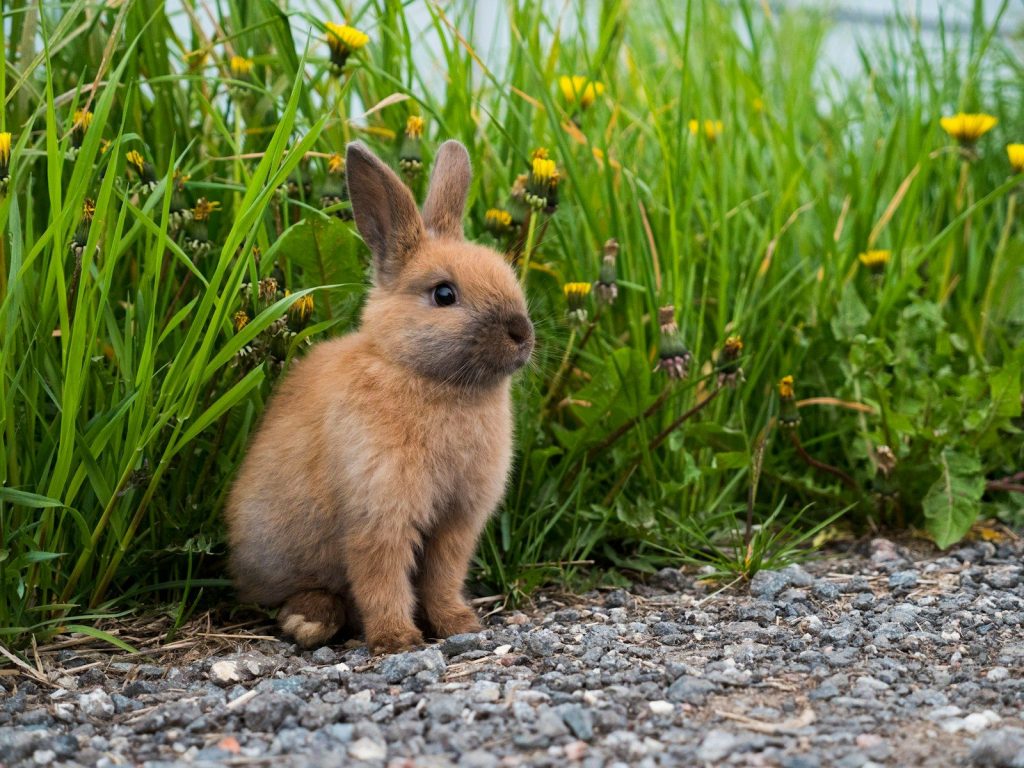
Rabbits may look harmless, but releasing them into the wild has caused environmental disasters in several regions. In places like Australia, introduced rabbit populations exploded rapidly due to the lack of natural predators.
Large rabbit populations destroy vegetation, contribute to soil erosion, and outcompete native herbivores. Their burrowing can also damage farmland and natural habitats.
Pet Turtles Often Become Invasive Predators
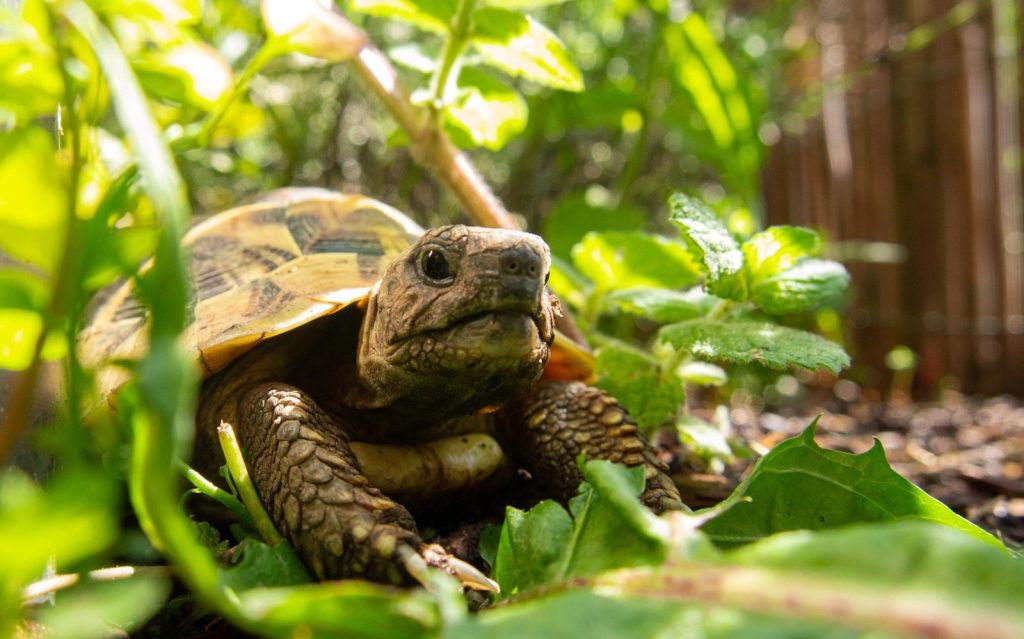
Red eared sliders and other pet turtles are commonly released into ponds and waterways when owners no longer want them. Unfortunately, these turtles often survive and spread aggressively.
They compete with native turtles for food, basking spots, and nesting areas. In some ecosystems, invasive turtles have become so widespread that native species struggle to survive.
Lionfish Are Devastating Coral Reef Ecosystems
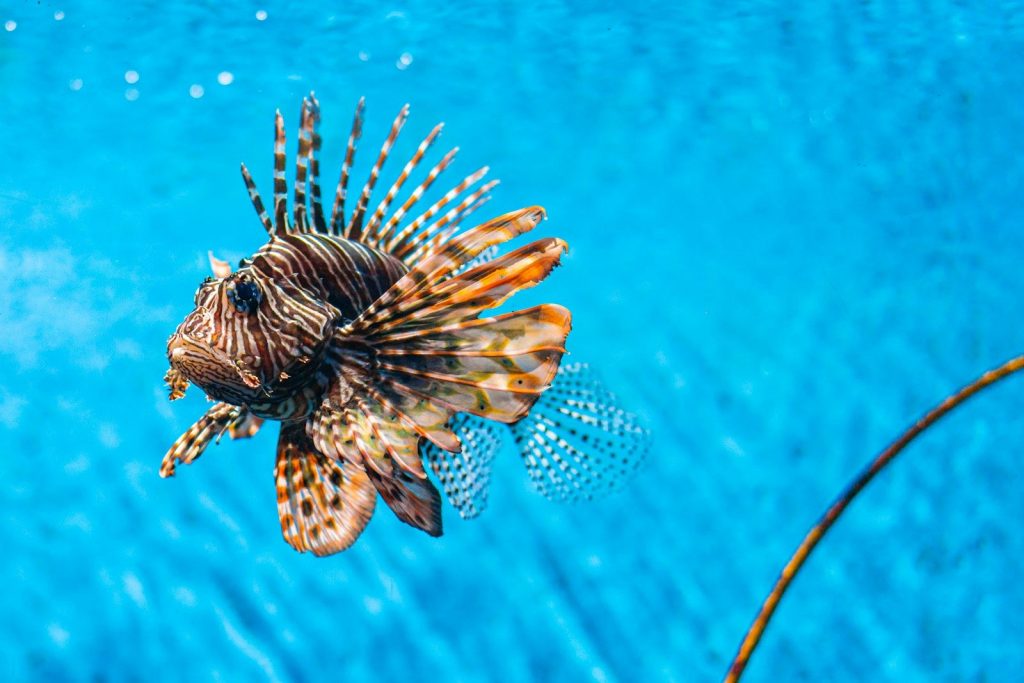
Lionfish are beautiful but highly destructive predators when introduced outside their native range. In the Atlantic Ocean and Caribbean Sea, released aquarium lionfish populations exploded over the past few decades.
They consume huge numbers of small reef fish and reproduce at alarming rates. Because few native predators recognize lionfish as prey, their populations continue to spread rapidly across vulnerable reef ecosystems.
Domestic Cats Can Decimate Native Wildlife

Outdoor and abandoned domestic cats are responsible for enormous declines in birds, reptiles, and small mammals worldwide. Cats are natural hunters, and even well fed pets continue to kill wildlife instinctively.
On islands and isolated ecosystems, introduced cats have contributed to multiple extinctions. Wildlife experts strongly encourage responsible pet management to reduce ecological damage.
Aquarium Fish Can Completely Alter Waterways
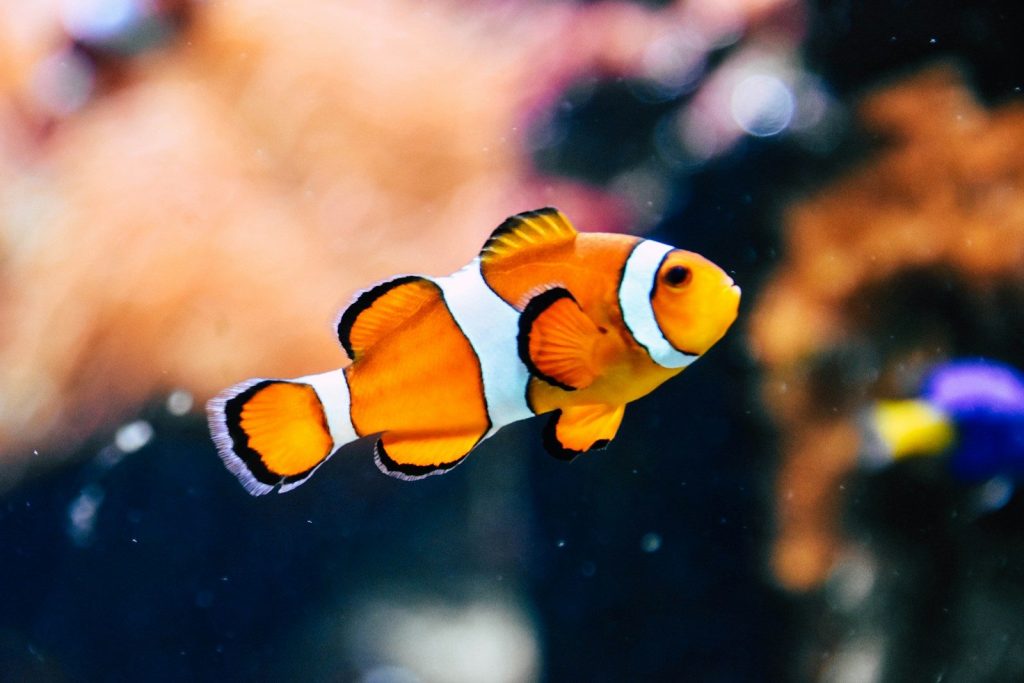
Many aquarium species released into rivers and lakes become invasive due to their adaptability and lack of predators. Fish such as plecos, cichlids, and snakeheads have established populations far from their native habitats.
These fish often disrupt food chains, damage riverbanks, and compete with native species for resources. Once established, invasive fish populations are notoriously difficult to remove.
Cane Toads Poison Native Predators
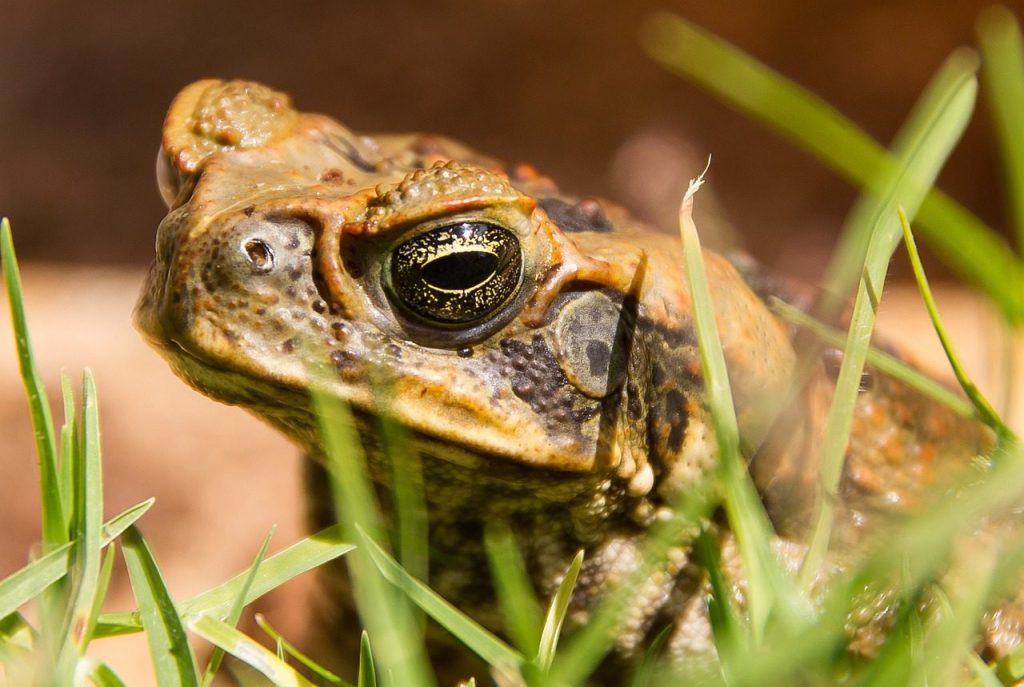
Cane toads were intentionally introduced in some regions to control agricultural pests, but they quickly became a serious ecological problem. Their toxic skin can kill predators that attempt to eat them.
Native snakes, lizards, and mammals often die after attacking cane toads because they have no natural resistance to the toxins. Their rapid spread has had devastating effects on biodiversity.
Monkeys Released From Captivity Create Public Safety Risks
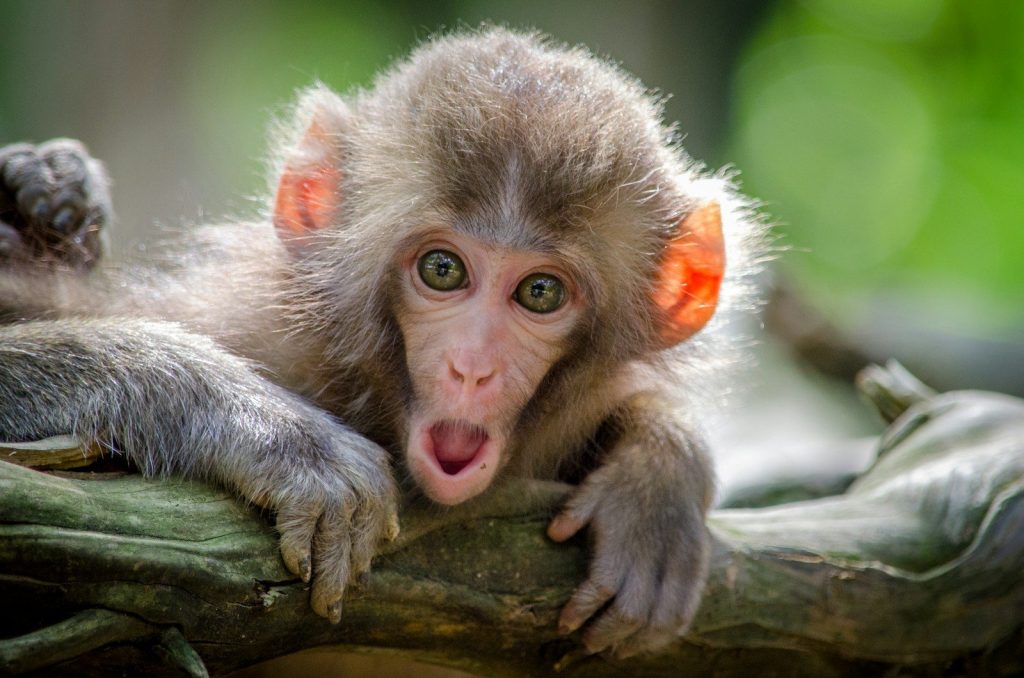
In some areas, escaped or released monkeys have formed wild populations near urban environments. These animals can spread disease, damage crops, and become aggressive toward humans.
Primates also adapt surprisingly well to human dominated environments, which increases conflict with local communities and wildlife alike.
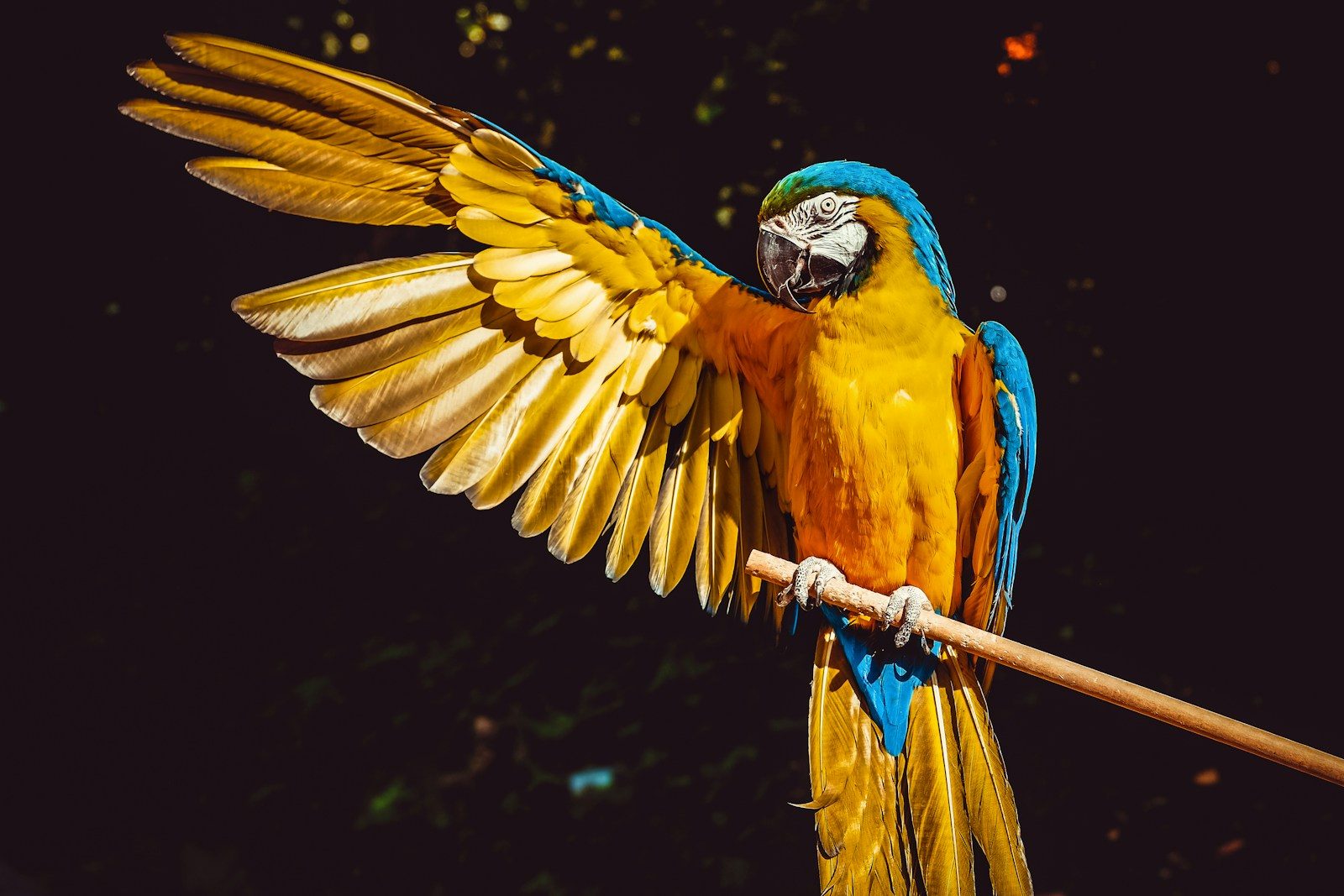
Parrots Can Outcompete Native Birds
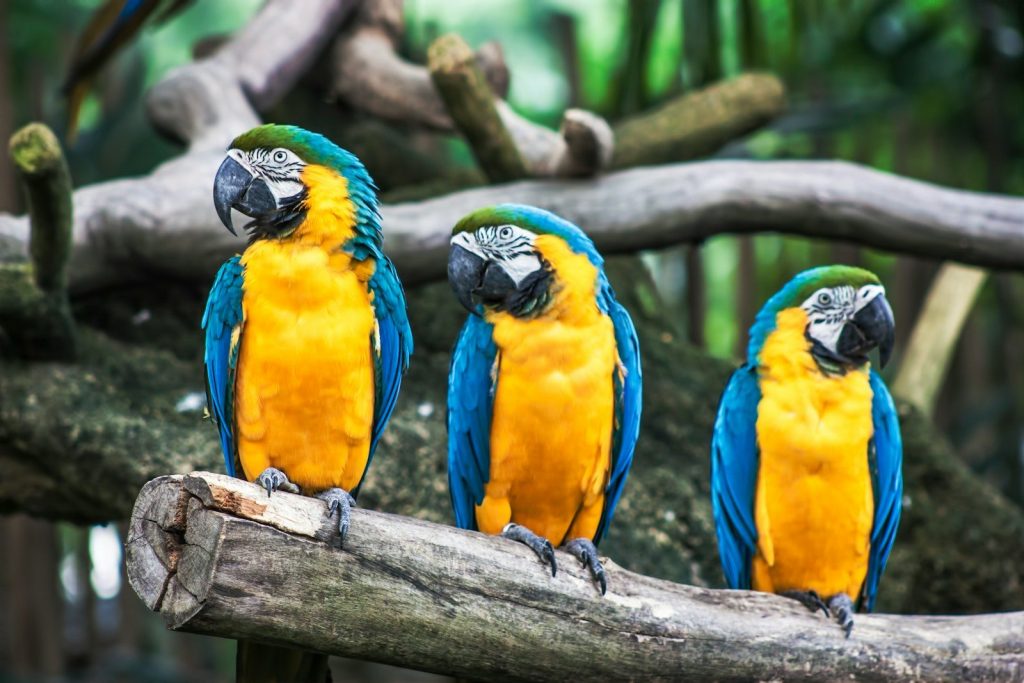
Released pet parrots have formed wild colonies in several major cities around the world. While colorful and fascinating, non native parrots can compete with local bird species for nesting sites and food.
Some populations thrive so successfully that they begin altering local ecosystems and impacting native bird behavior.