Fire is one of the most powerful natural forces on Earth, and most animals instinctively avoid it due to heat, smoke, and habitat destruction. However, some species behave differently in fire affected environments, showing resilience, adaptation, or even opportunistic behavior in areas recently exposed to flames.
Scientists explain that no animal is truly “immune” to fire, but certain species have evolved strategies that allow them to survive, tolerate, or take advantage of burned landscapes. These adaptations range from burrowing underground to exploiting newly cleared habitats.
Echidnas Survive By Going Underground
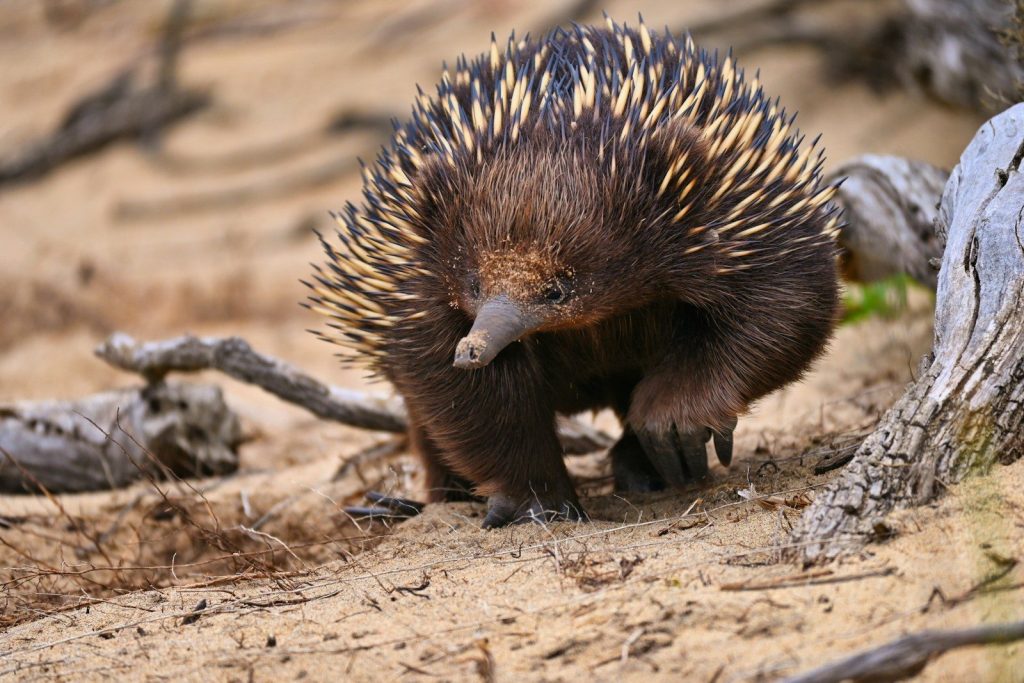
Echidnas avoid fire by using deep burrows or entering a low energy state when temperatures rise. Their behavior allows them to survive intense bushfire conditions in Australia.
By staying underground, they avoid direct exposure to flames and heat. This strategy is one of the most effective natural fire survival methods.
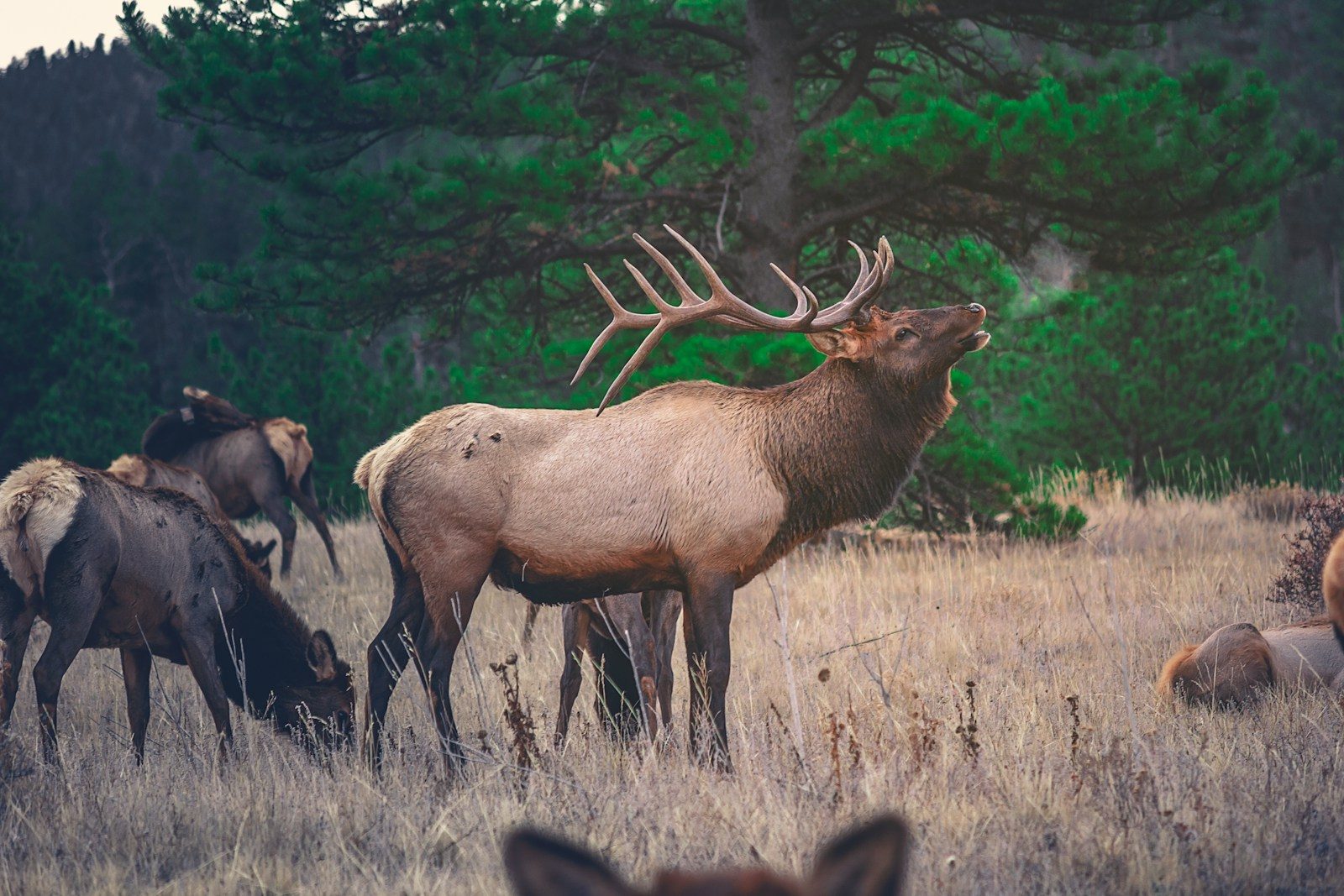
Elk Move Through Burn Zones To Feed
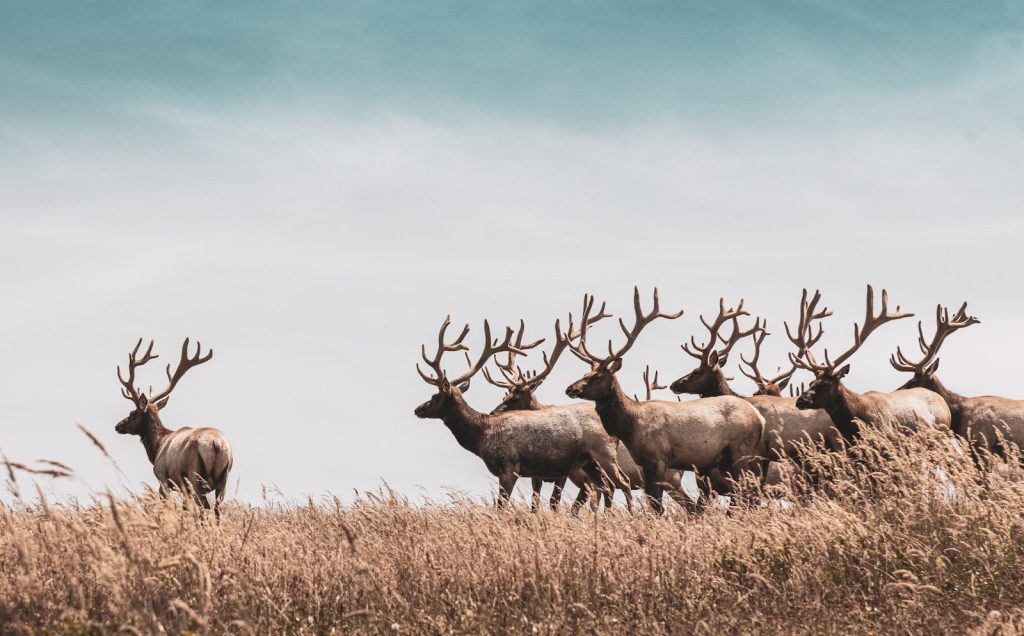
Elk are often seen grazing near or inside recently burned areas once flames have passed. The regrowth of vegetation provides highly nutritious food that attracts them quickly.
They typically avoid active flames but return soon after conditions stabilize. This behavior helps them take advantage of improved feeding grounds.
Bison Thrive In Fire Shaped Grasslands
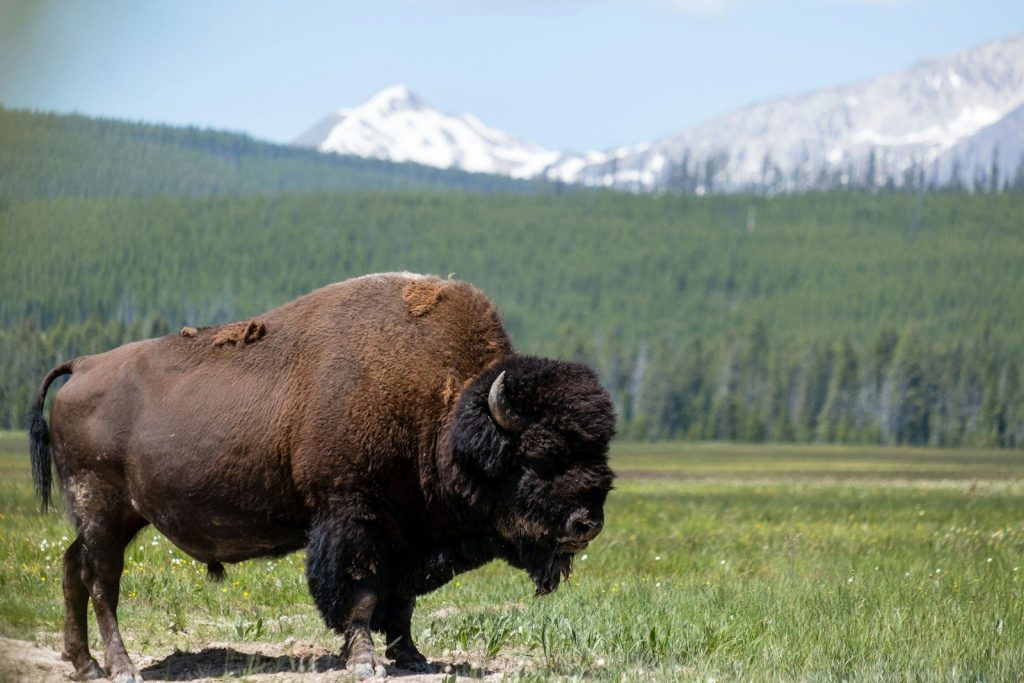
Bison have evolved in ecosystems where natural fires historically shaped grasslands. Their thick bodies and movement patterns allow them to survive near fire affected regions.
After burns, they often migrate toward fresh grass growth. This makes fire an indirect part of their feeding cycle.
Gopher Tortoises Create Fire Safe Shelters
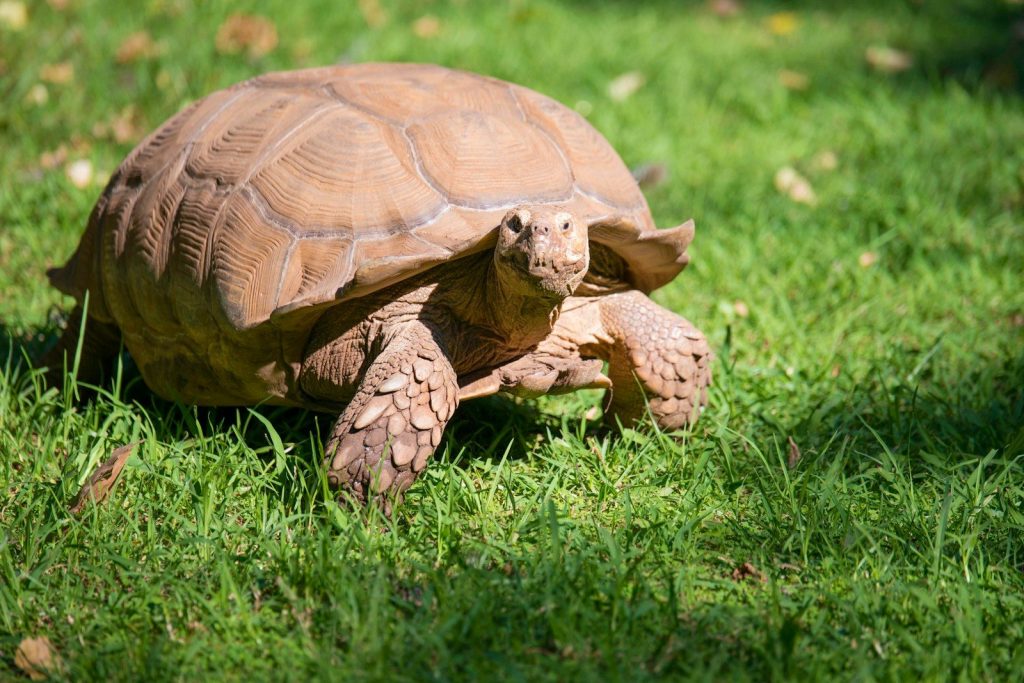
Gopher tortoises dig extensive underground burrows that protect them from surface fires. These burrows also serve as refuge for many other species during fire events.
The underground environment remains stable even when fires pass above. This makes them important ecosystem engineers in fire prone habitats.
Spotted Owls Adapt To Burned Forests
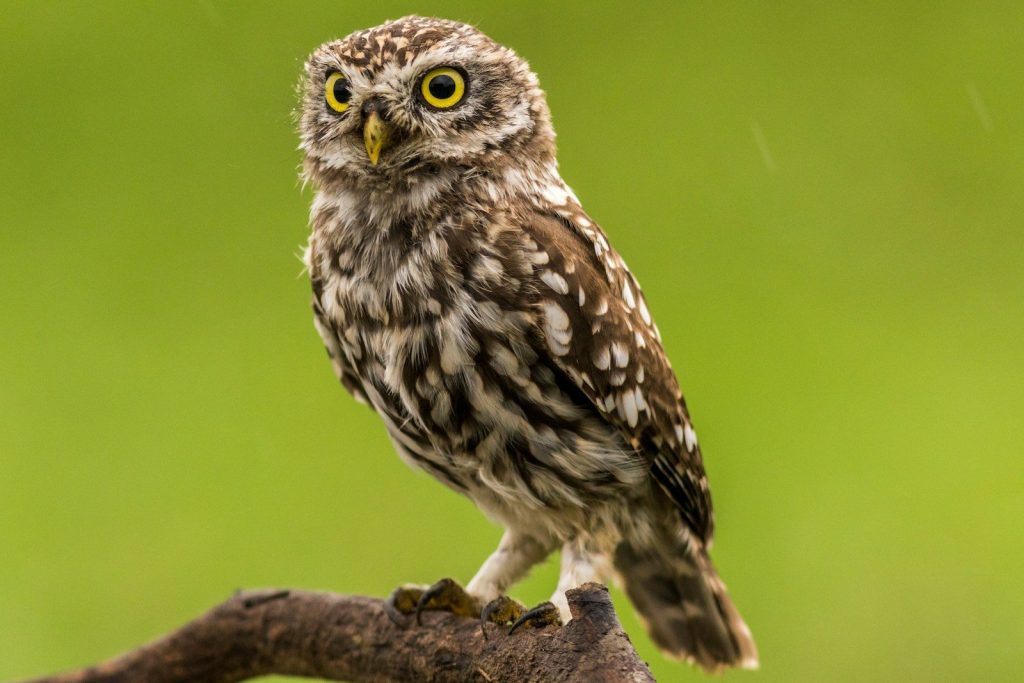
Spotted owls often remain in territories even after low intensity fires. They continue to hunt and nest in areas where forest structure is partially affected.
Burned landscapes can even improve hunting visibility in some cases. Their adaptability helps them survive in changing forest conditions.
Abert’s Squirrels Use Tree Canopies For Safety
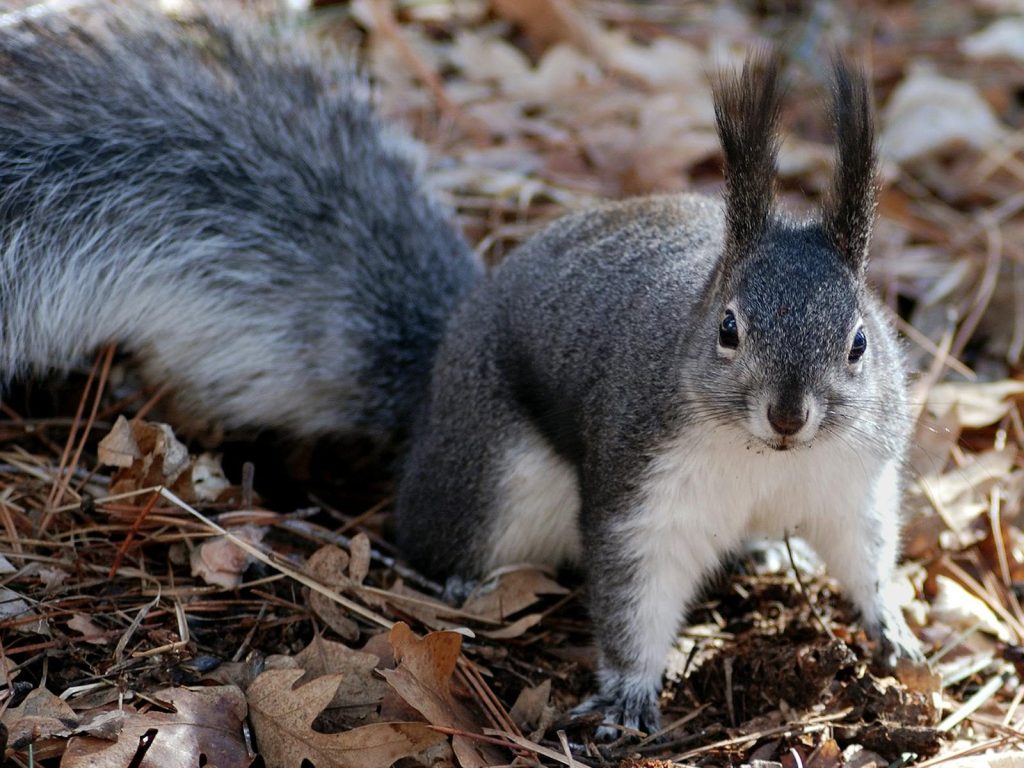
Abert’s squirrels live high in pine trees where low ground fires are less likely to reach them. Their habitat provides a natural buffer against flames.
They rely on forest structure that has evolved alongside periodic fire cycles. This makes them well suited to fire prone ecosystems.
Killdeer Protect Ground Nests During Burns
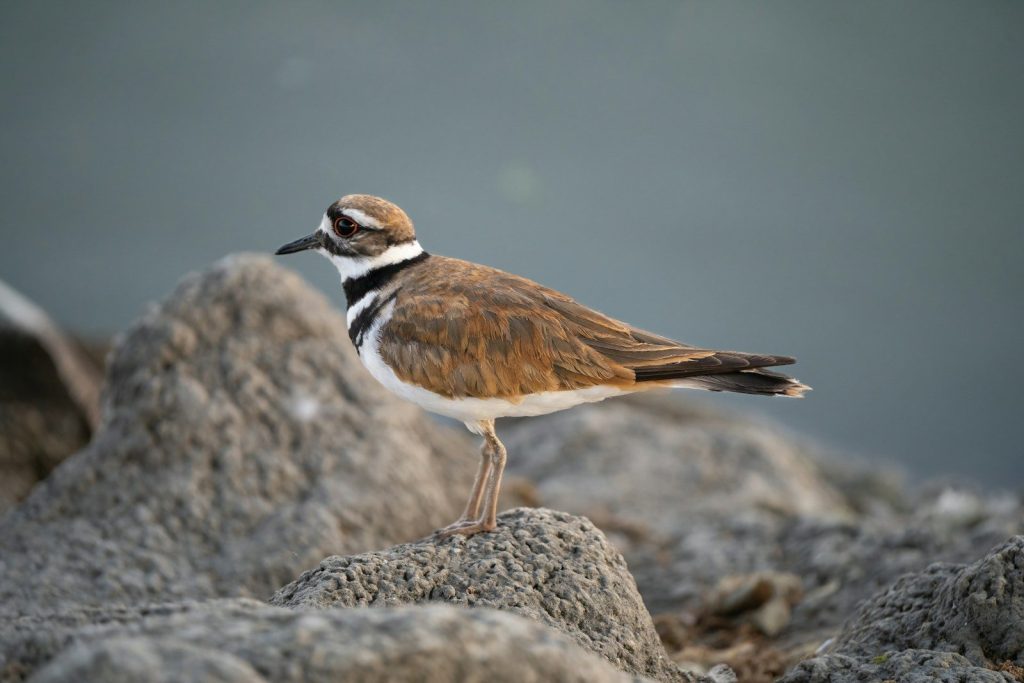
Killdeer birds nest directly on the ground and use protective behaviors during fire exposure. In some cases, they rely on moisture and timing to reduce heat impact on eggs.
Their nesting strategy is risky but works within natural fire cycles. They depend on quick recovery of vegetation after burns.