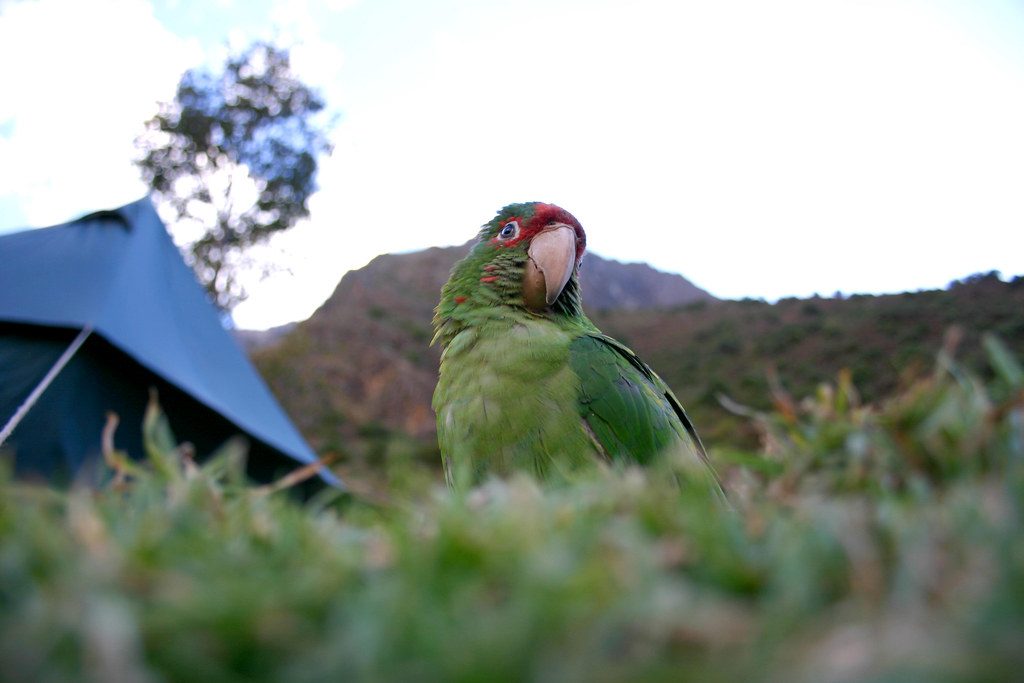
Today, flocks of colorful parrots can still be spotted flying through parts of the United States. Non-native species thrive in cities across Florida, California, Texas, and even New York.
But America once had a native parrot of its own.
Long before escaped exotic birds filled urban skies, the forests and swamps of eastern North America were home to the Carolina parakeet, a brilliant green and yellow bird that traveled in loud, social flocks. It was the only parrot species native to the eastern United States.
By the early 20th century, it was gone forever.
The Last Carolina Parakeet

The final known Carolina parakeet was named Incas. He lived at the Cincinnati Zoo, where conservationists hoped captive breeding could save the species from extinction.
Incas arrived at the zoo in 1885 alongside several other parakeets. He later bonded with another bird named Lady Jane, and the pair remained together for more than 30 years.
Despite laying eggs multiple times, none of their chicks survived.
Lady Jane eventually died, and Incas passed away just over a year later on February 21, 1918. The exact cause of death remains uncertain. Some believed it was old age, while others speculated illness or even stress after losing his longtime companion.
In a strange twist, the preserved body of Incas disappeared after his death and was never recovered.
A Colorful Bird Lost to History
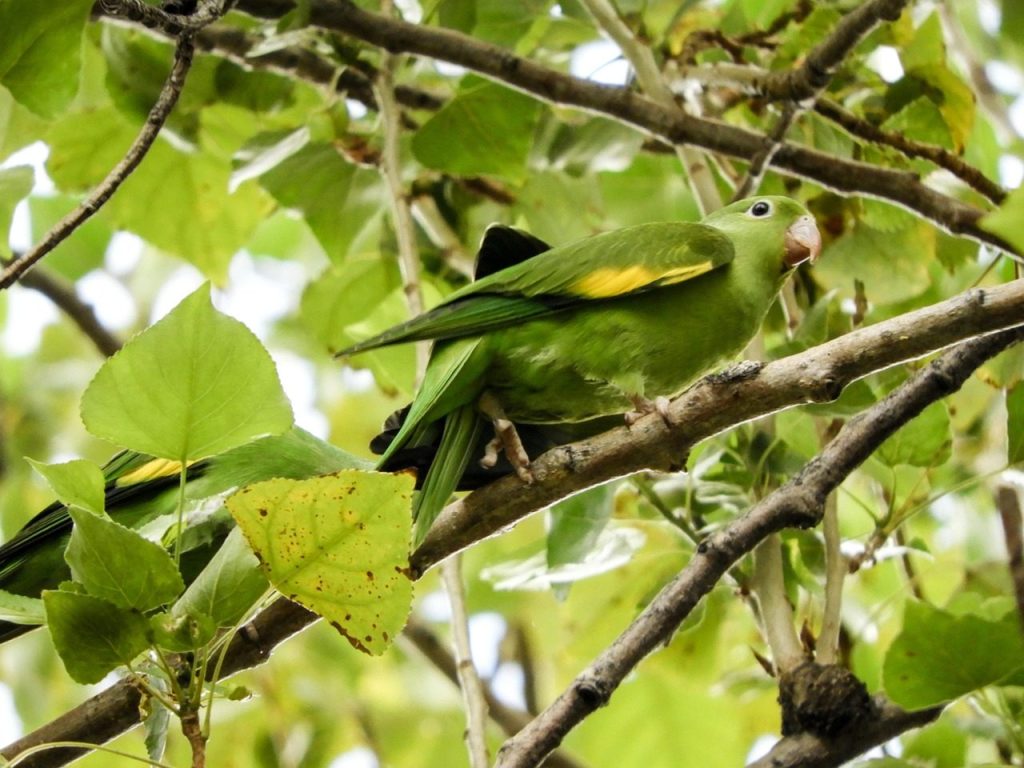
The Carolina parakeet was unlike any other bird native to the United States. It had bright green feathers, a yellow head, and a reddish-orange face.
These medium-sized parrots gathered in noisy flocks that could number in the hundreds. They lived throughout forests, wetlands, and swampy river systems stretching from Florida to the Midwest and even parts of southern Canada.
Unlike many birds, they adapted surprisingly well to human settlement at first.
Unfortunately, humans did not return the favor.
Hunted Into Extinction
As European settlers expanded across North America, forests were cleared for farmland and growing towns. Carolina parakeets often fed on cultivated fruit and crops, which quickly made them targets for farmers.
Large flocks were shot in huge numbers.
Their social behavior made the problem even worse. When one bird was injured or killed, the rest of the flock often circled back instead of fleeing, allowing hunters to wipe out dozens at once.
At the same time, fashion trends created another deadly threat.
During the late 1800s, feathers became popular decorations on women’s hats and clothing. The growing demand for colorful plumage led to widespread hunting across many bird species, including Carolina parakeets.
This “plume boom” devastated already declining populations.
The Mystery of Their Final Decline
By the early 1900s, wild Carolina parakeets had become extremely rare. Small populations survived mostly in Florida, but then something unexpected happened.
They disappeared rapidly.
Scientists still debate exactly why the remaining birds vanished so suddenly. Habitat destruction certainly played a role, but researchers also suspect disease, competition with invasive honey bees, and environmental pressures may have contributed.
Some unconfirmed sightings continued into the 1930s and even later, though none were officially verified.
In 1939, the species was formally declared extinct.
A Warning for Modern Conservation
The extinction of the Carolina parakeet remains one of the greatest wildlife tragedies in American history.
It serves as a reminder that even abundant species can vanish quickly when habitat destruction, hunting, and human expansion combine over time.
Today, parrots are among the most threatened bird groups in the world. Nearly half of all parrot species face serious conservation risks due to deforestation, illegal wildlife trade, and climate pressures.
The story of America’s lost parrot highlights how fragile ecosystems can become when key species disappear.
The Bird America Forgot
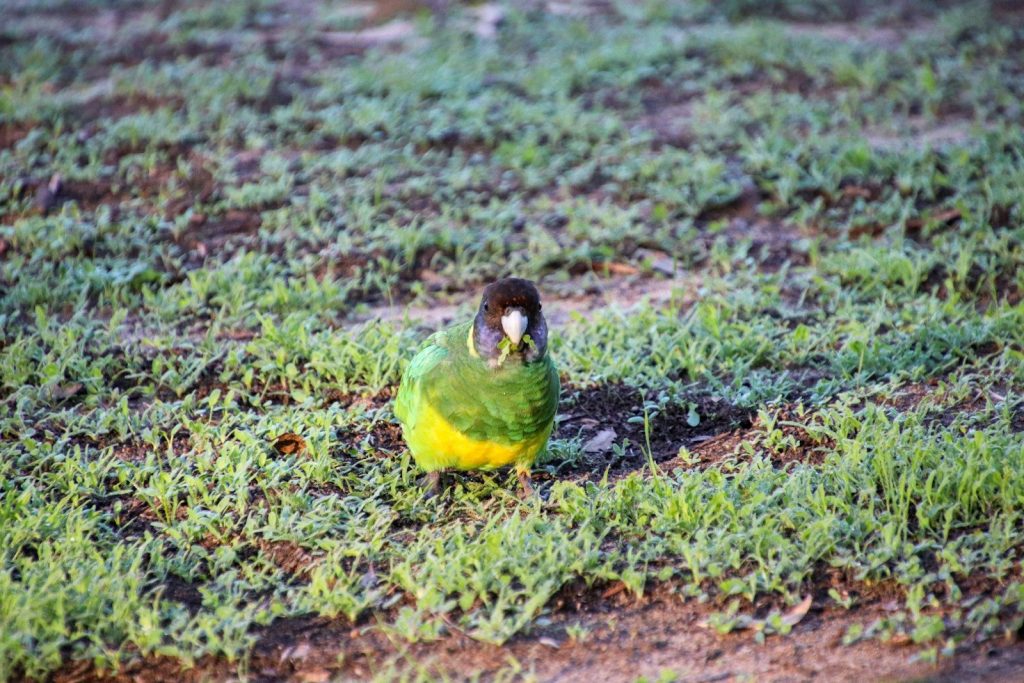
Unlike bald eagles or bison, the Carolina parakeet is rarely discussed today. Many Americans do not even realize the country once had a native parrot.
Yet for centuries, these bright birds filled forests and swamps with noise and color across much of eastern North America.
Now they survive only in paintings, museum illustrations, and scattered historical records.
The tragedy of the Carolina parakeet is not just about one extinct bird. It is about how quickly nature can be lost when warning signs are ignored.