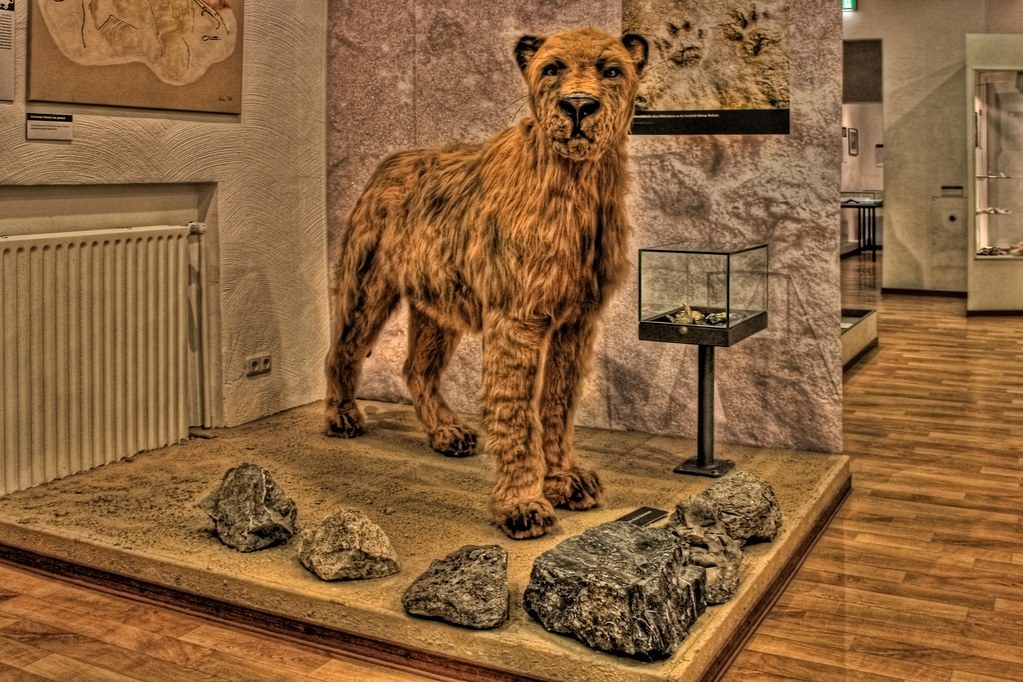
A remarkably well preserved cave lion uncovered from Siberian permafrost has given scientists an unprecedented look into the genetics of one of the Ice Age’s most iconic predators. New DNA analysis has revealed that cave lions were far more distinct from modern lions than previously believed, reshaping our understanding of their evolution and behaviour.
A Predator Frozen in Time
The cave lion, known scientifically as Panthera spelaea, was long assumed to be a larger, more rugged version of today’s African lion. Fossils and cave art have reinforced this image for more than a century. However, recent discoveries from frozen remains in Siberia have allowed scientists to move beyond assumptions and examine the animal at a molecular level.
Among the most extraordinary finds are two exceptionally well-preserved cubs recovered from permafrost, including a female specimen named Sparta, estimated to be around 32,000 years old.
Decoding Ancient Genomes

Researchers from Stockholm University and the Swedish Museum of Natural History analysed 12 cave lion genomes collected across Eurasia and North America. These were compared with 20 genomes from modern lions living in Africa and southern Asia.
The results showed that cave lions and modern lions split from a common ancestor far earlier than expected. Instead of diverging around 500,000 years ago as once thought, the genetic evidence suggests the split occurred more than 1.5 million years ago.
This places cave lions on a completely separate evolutionary branch with a long independent history.
A Distinct and Independent Lineage
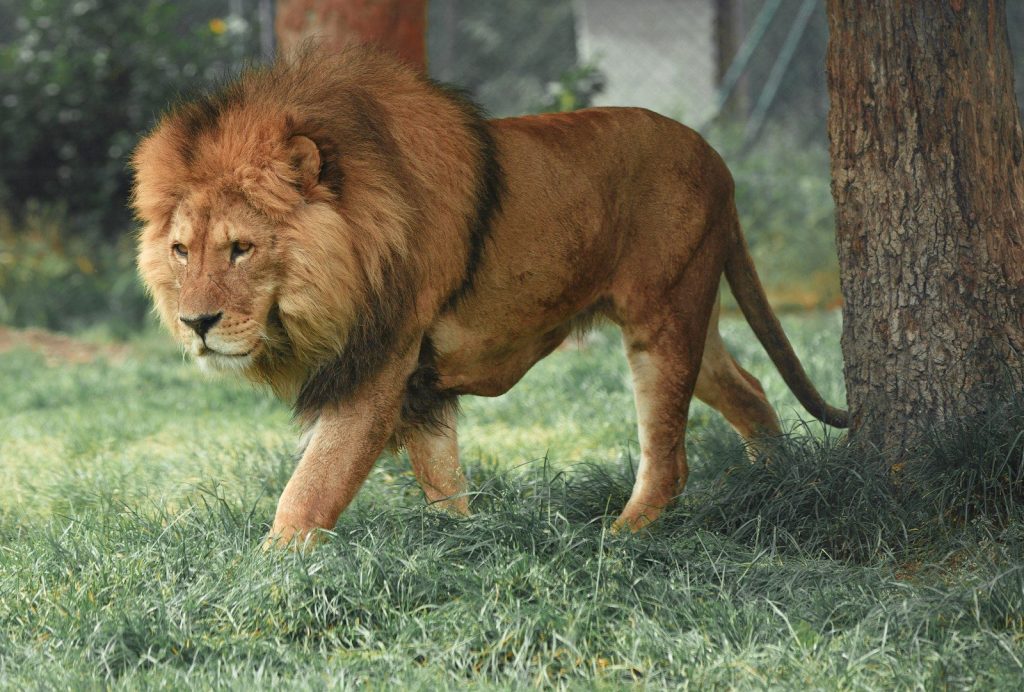
Scientists found that cave lions were not simply oversized versions of modern lions but a genetically distinct population with unique biological traits. Differences were identified in genes linked to brain function, vision, growth, and circulatory development.
These findings suggest that cave lions likely behaved differently as well as looking different, reinforcing the idea that they were a separate evolutionary lineage rather than a regional variant of modern lions.
Life Appearance and Behaviour in the Ice Age

Evidence from fossils and ancient cave art already hinted that cave lions differed in appearance from modern lions. Males are believed to have lacked the prominent manes seen today, and their coats may have been lighter, helping them blend into Ice Age environments.
Their adaptations would have suited the harsh, open landscapes they inhabited, where survival depended on endurance, camouflage, and cooperative hunting strategies.
Interbreeding Across Ancient Landscapes
Despite their long separation, cave lions did not evolve in complete isolation. Genetic analysis revealed multiple episodes of interbreeding with modern lions over tens of thousands of years.
These encounters were not constant but occurred during specific climate shifts. When ice sheets expanded during colder periods, cave lions are believed to have moved southward, coming into contact with modern lion populations in regions such as Central and Southwest Asia.
These interactions left small but detectable traces of modern lion DNA in cave lion genomes.
Climate Change Shaped Their Evolution
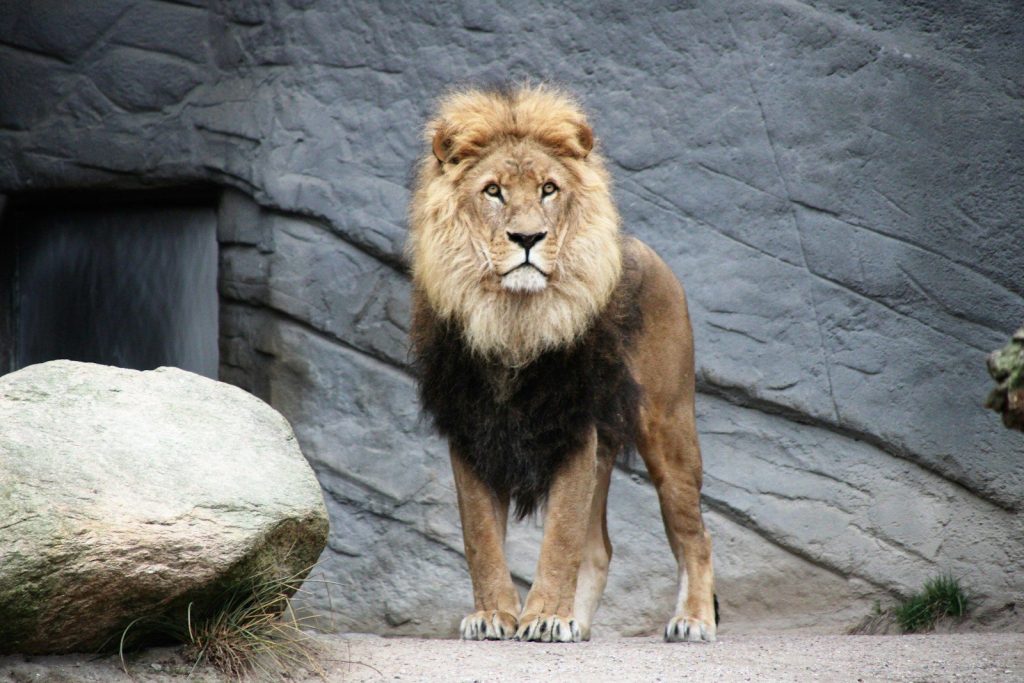
The study also highlights how dramatically shifting climates influenced the movement and interaction of species during the Ice Age. As habitats changed, populations that were once separated were pushed together, allowing for brief periods of genetic exchange.
Researchers believe these climate driven migrations played an important role in shaping the evolutionary history of both cave lions and modern lions.