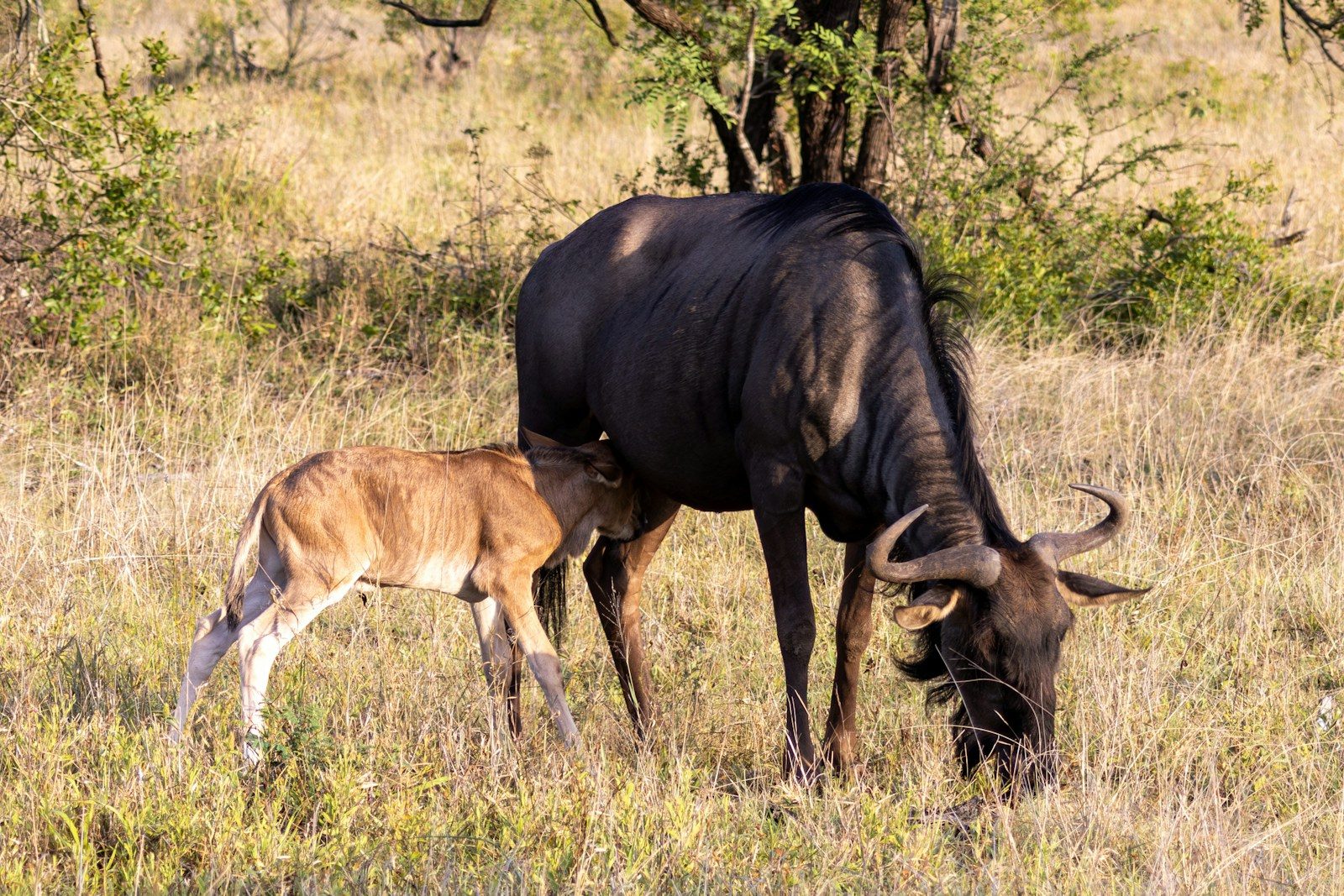
Every year, the Serengeti becomes the stage for one of the most astonishing natural events on Earth. Between January and March, up to 500,000 wildebeest calves are born across the plains in just a few short weeks, turning East Africa into what is effectively the world’s largest maternity ward.
A Birth Boom Like No Other
At the peak of the calving season in February, as many as 8,000 wildebeest calves can be born in a single day. That means a newborn arrives somewhere on the plains every few seconds. This extraordinary surge of life is part of the Great Migration, when millions of animals move across Tanzania and Kenya in search of fresh grazing land.
The scale of the event is almost unimaginable, with vast herds spread across the landscape as new life appears in constant waves.
The Great Migration That Shapes Life in the Serengeti
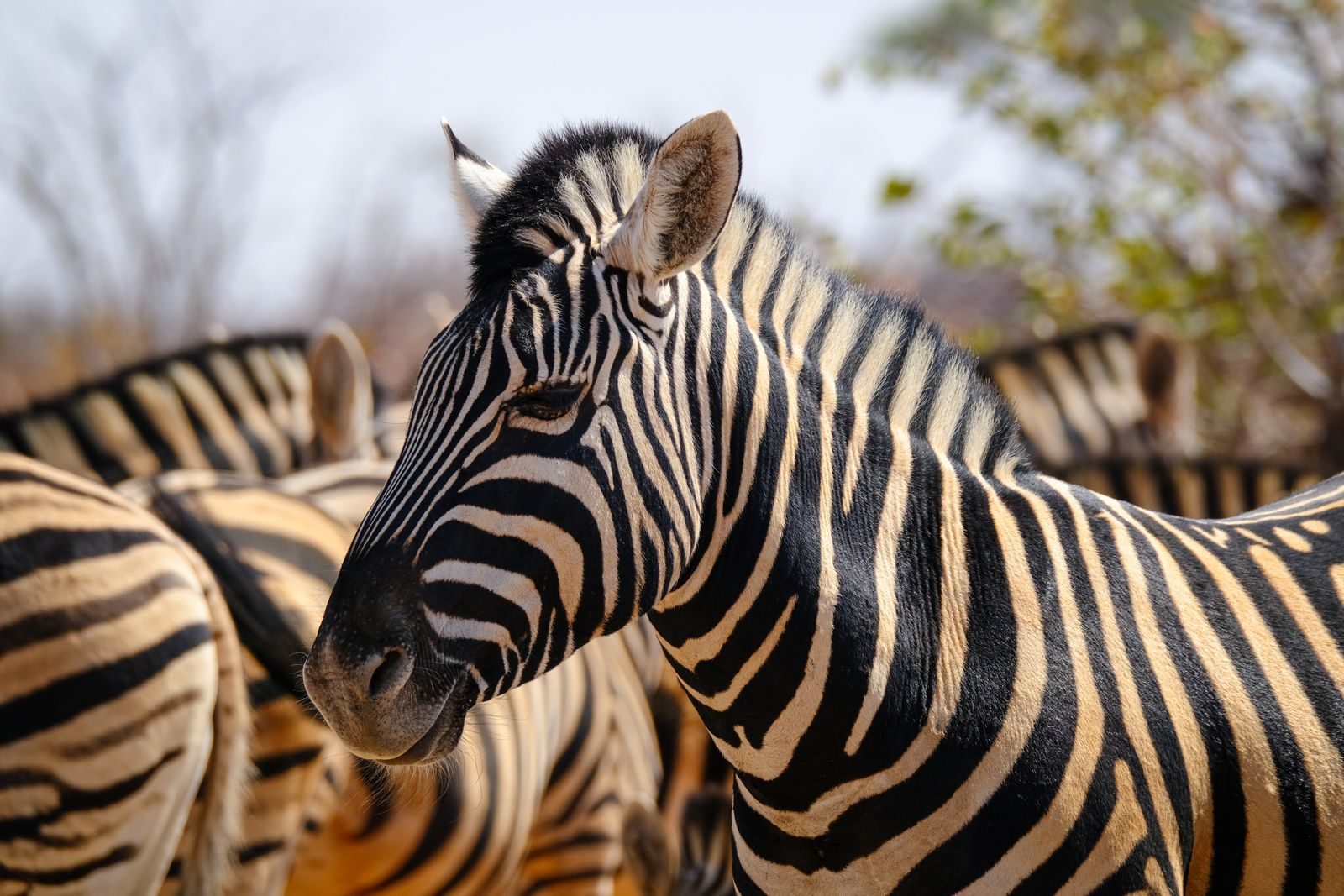
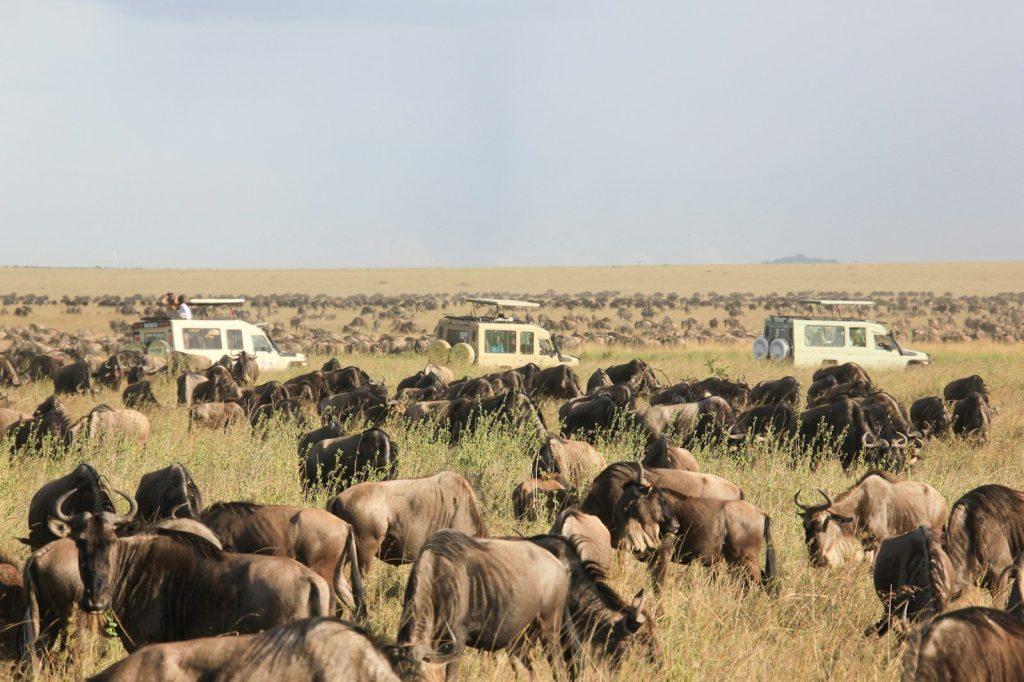
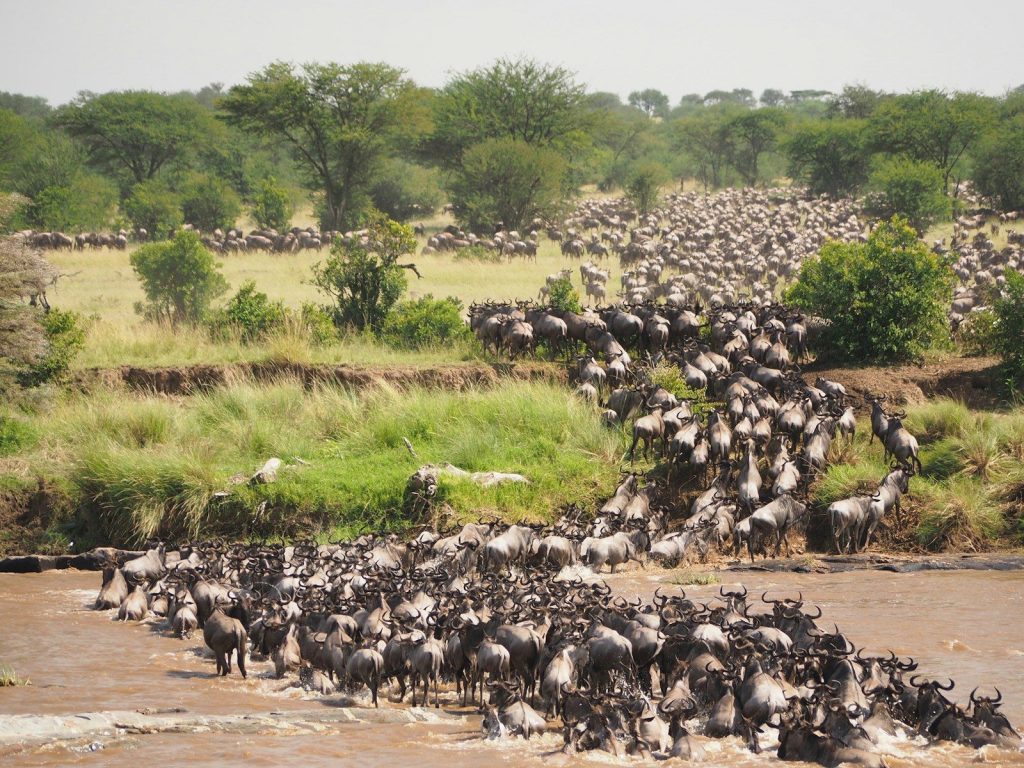
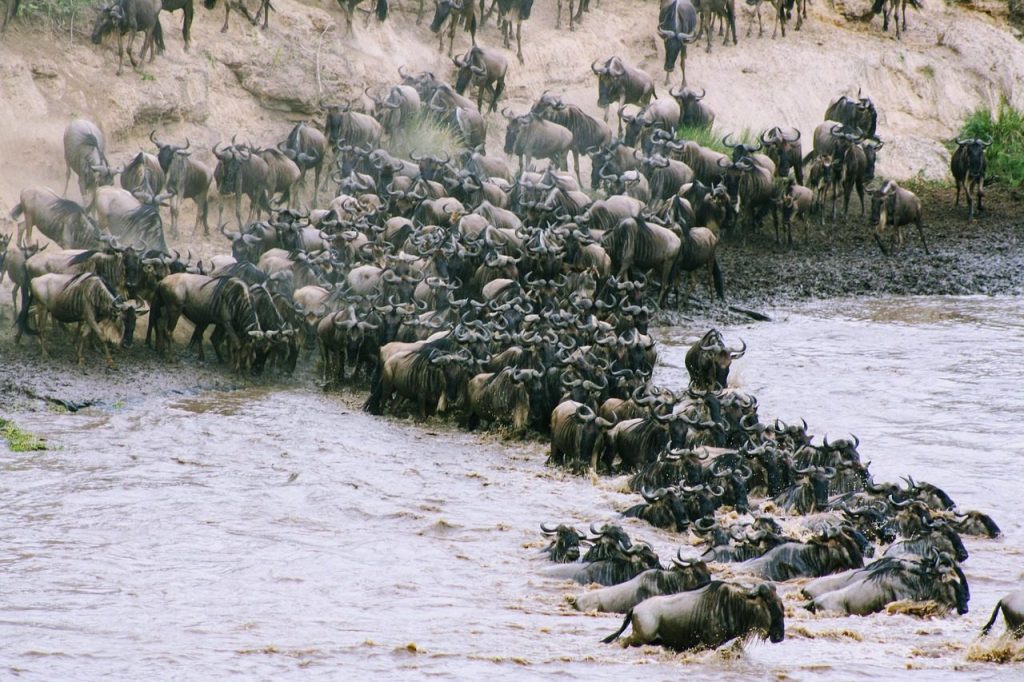
The calving season is just one chapter in the Great Migration, one of the largest animal movements on the planet. More than 1.8 million wildebeest, along with hundreds of thousands of zebras and other grazing animals, travel through the Serengeti and Maasai Mara ecosystem each year.
This journey is driven by rainfall and fresh grass. The herds follow seasonal patterns, constantly moving to find food and water, while also facing some of the most dangerous predators in Africa.
Why the Serengeti Becomes a Nursery
Most calves are born in the southern Serengeti and the Ngorongoro Conservation Area, particularly in the Ndutu region. This area offers nutrient rich short grass plains enriched by volcanic soil, which helps mothers produce milk and provides ideal grazing conditions.
The open landscape also offers some protection. With fewer places for predators to hide, newborn calves have a slightly better chance of survival during their first vulnerable days.
A Survival Strategy in Overdrive
The timing of births is highly synchronised. Around 80 to 90 percent of calves are born within a narrow three week window. This strategy overwhelms predators such as lions, hyenas, and cheetahs, making it impossible for them to target every newborn.
This mass birthing approach increases the odds that at least a portion of calves will survive long enough to join the migrating herds.
Born Ready for Action
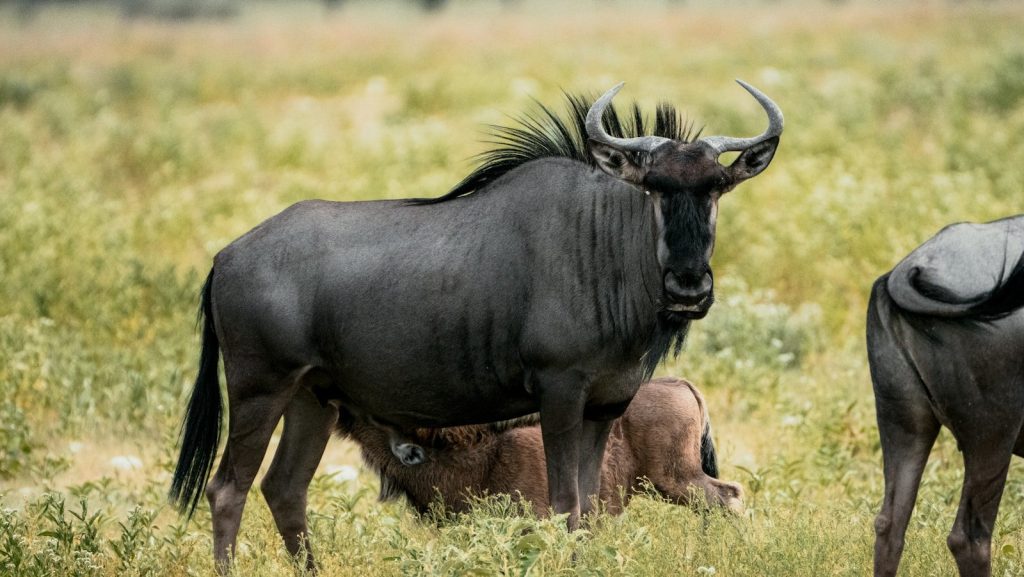
Wildebeest calves enter the world surprisingly well prepared. Weighing around 20 kilograms at birth, they can stand within minutes and run shortly after. Their legs are already strong, allowing them to keep up with the herd almost immediately.
Their survival depends on speed and coordination. In a landscape filled with predators, hesitation can be deadly, so rapid movement is essential from the very beginning.
Life in a Predator-Filled World
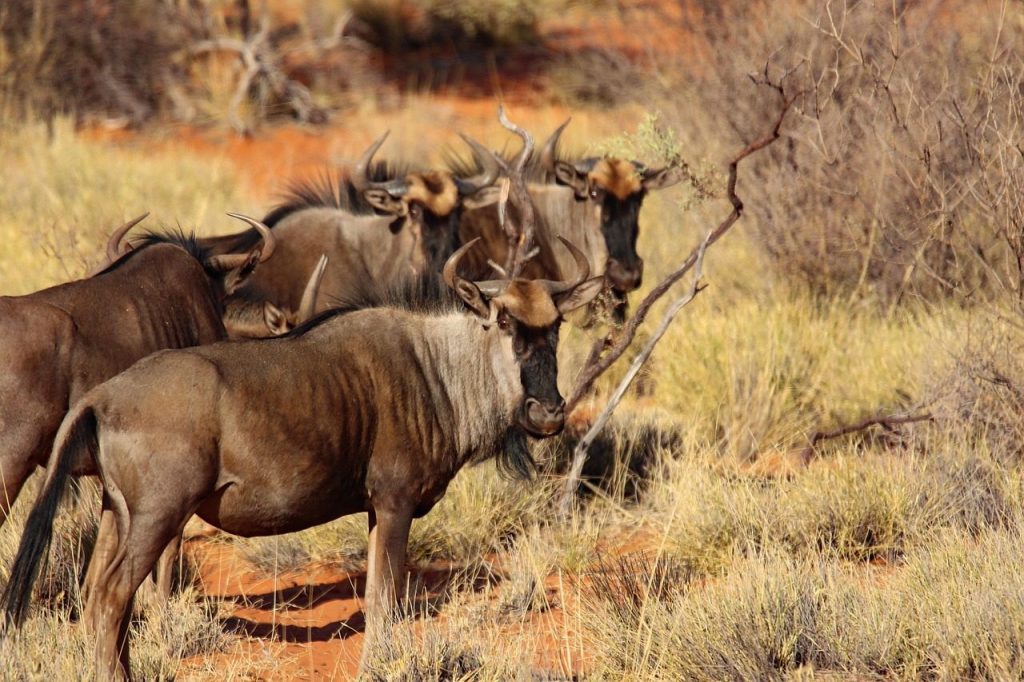
Despite being born in massive numbers, many calves do not survive their early weeks. The Serengeti is home to lions, cheetahs, hyenas, and crocodiles, all of which take advantage of the vulnerable young.
Still, the sheer scale of the calving event ensures the continuation of the species. Even with heavy losses, enough calves survive to sustain the enormous migrating population.