The animals alive today are only a small sample of the forms their broader evolutionary groups once produced. Fossil records reveal giant relatives of modern sloths, kangaroos, penguins, sharks, armadillos, snakes, beavers, and wombats. Saying today’s animals themselves “used to be bigger” is often inaccurate, because these giants were usually separate extinct species across many branches of the animal tree.
A better way to tell the story is to compare living animals with remarkable prehistoric relatives from the same larger lineages. Some giants vanished thousands of years ago, while others disappeared millions of years earlier. Their fossils show that familiar body plans can become dramatically larger when climate, food, predators, and ecosystems create different evolutionary opportunities over immense spans of time.
Sloths
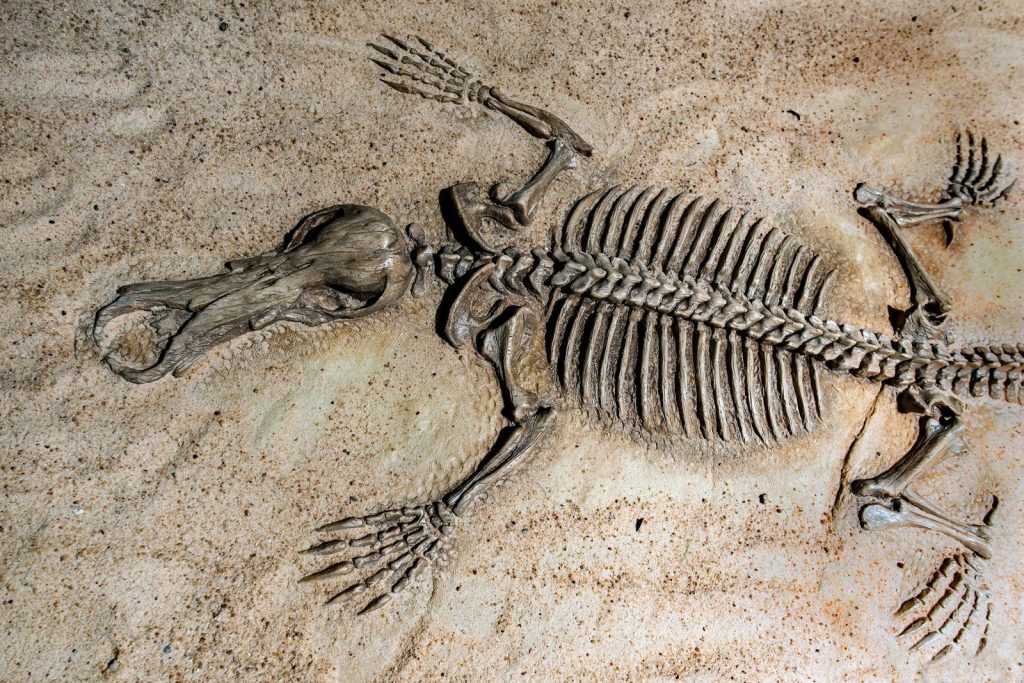
Modern tree sloths are lightweight climbers, but their broader lineage once included enormous ground-dwelling forms. Megatherium, one of the best-known giant ground sloths, could reach sizes far beyond any living sloth. Natural History Museum accounts describe some giant ground sloths as weighing several tonnes. These animals walked on the ground rather than hanging beneath branches and used powerful limbs to reach or pull vegetation. Their extinction left only the much smaller arboreal sloths that now survive in Central and South American forests.
Kangaroos
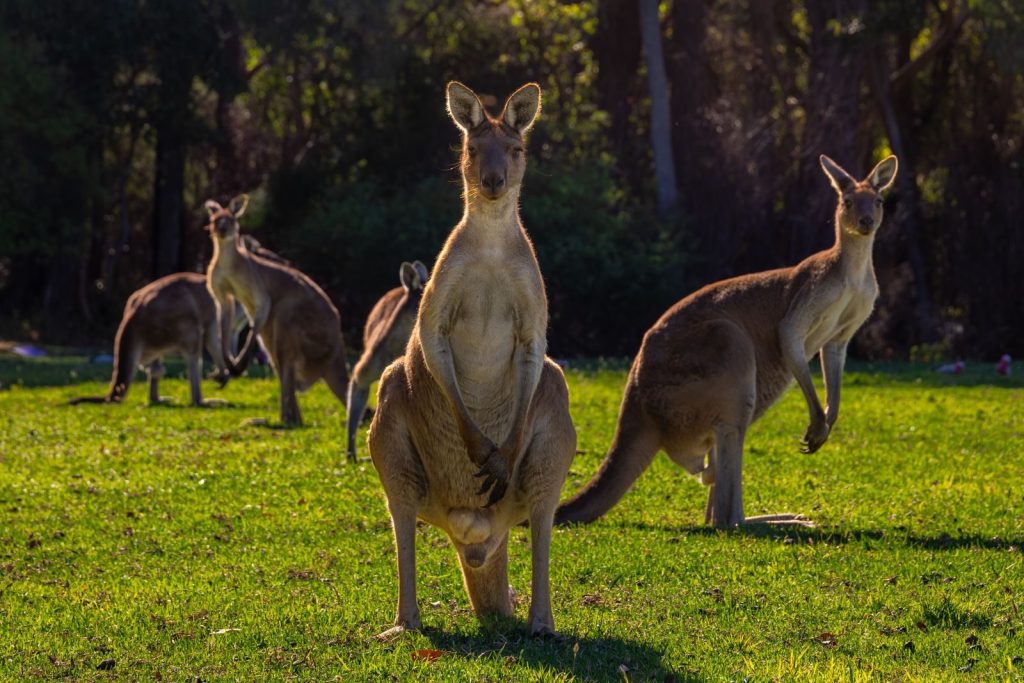
Australia once supported much larger kangaroo relatives than any living species. Procoptodon goliah, often called the giant short-faced kangaroo, stood around two meters tall and has been estimated at roughly 200 kilograms. Its skull and body proportions differed from modern kangaroos, so it was not simply a scaled-up red kangaroo. Fossils show that Pleistocene Australia held a remarkable range of giant marsupials. Today’s kangaroos preserve part of that evolutionary story, but not the extraordinary body size reached by some extinct relatives.
Penguins
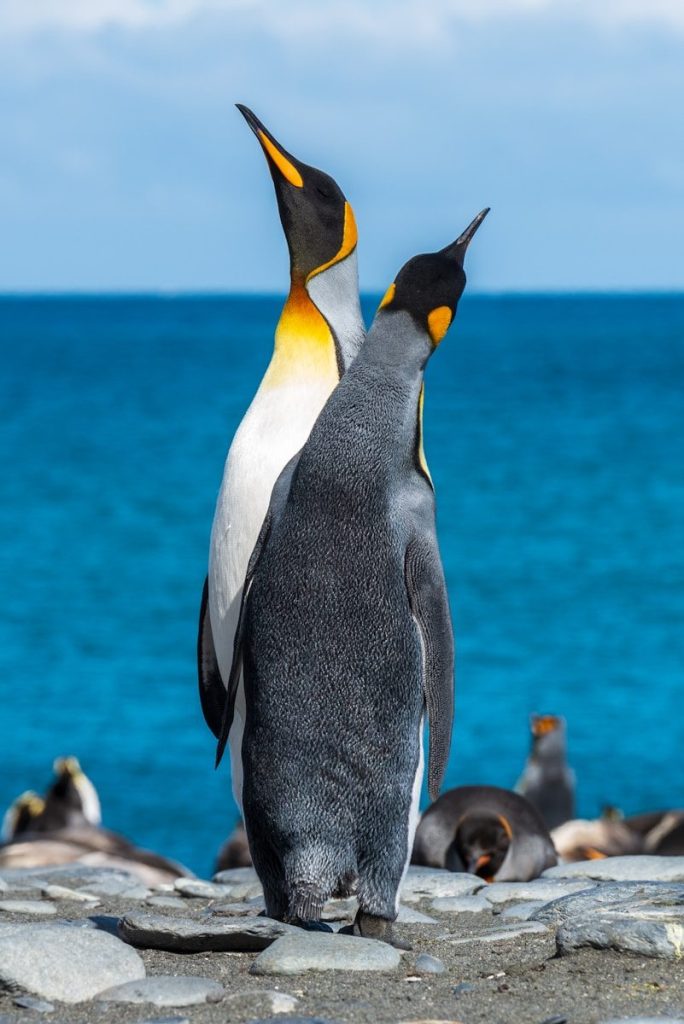
Penguins have also produced giants. Fossils from New Zealand show that some ancient penguins greatly exceeded the size of today’s emperor penguin. The species Kumimanu fordycei was estimated at roughly 150 kilograms when described, making it one of the heaviest penguins known from the fossil record. These giant birds lived tens of millions of years ago, after non-avian dinosaurs disappeared. Their size shows that the penguin body plan once occupied a very different scale from the compact seabirds familiar to us today.
Sharks
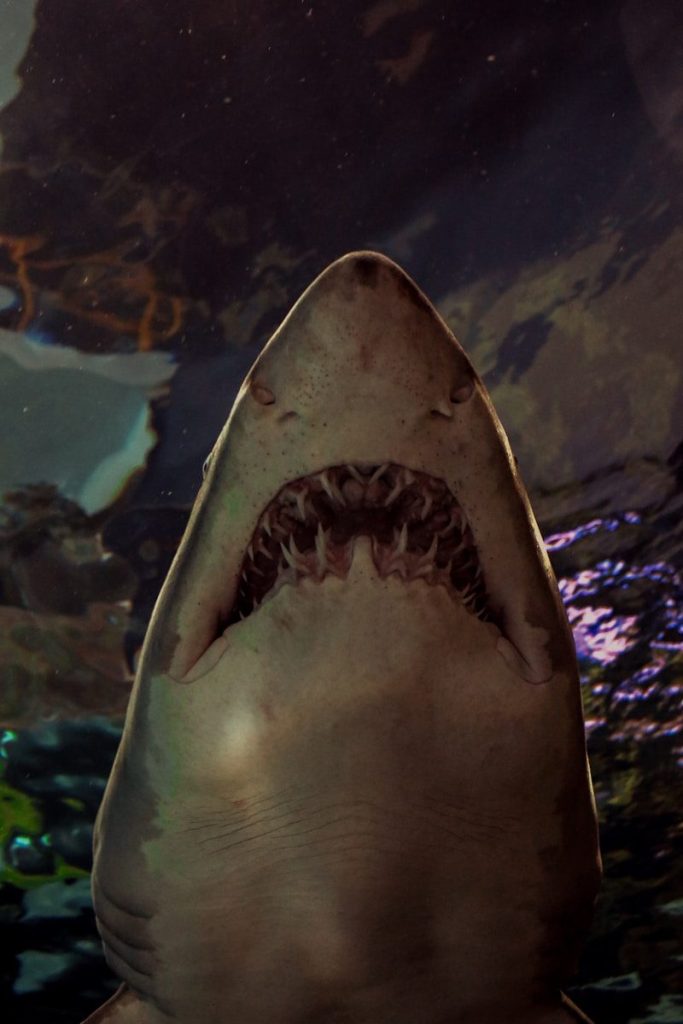
No living shark approaches the estimated size of Otodus megalodon, the extinct megatooth shark that lived until roughly 3.6 million years ago. Scientists reconstruct its dimensions from enormous fossil teeth and vertebrae because sharks have mostly cartilaginous skeletons that rarely fossilize completely. Smithsonian estimates commonly place large megalodon individuals around 15 to 18 meters in length, though exact maximum size remains debated. The modern great white is impressive, but it is not simply a smaller surviving megalodon; the two belong to different lineages.
Armadillos
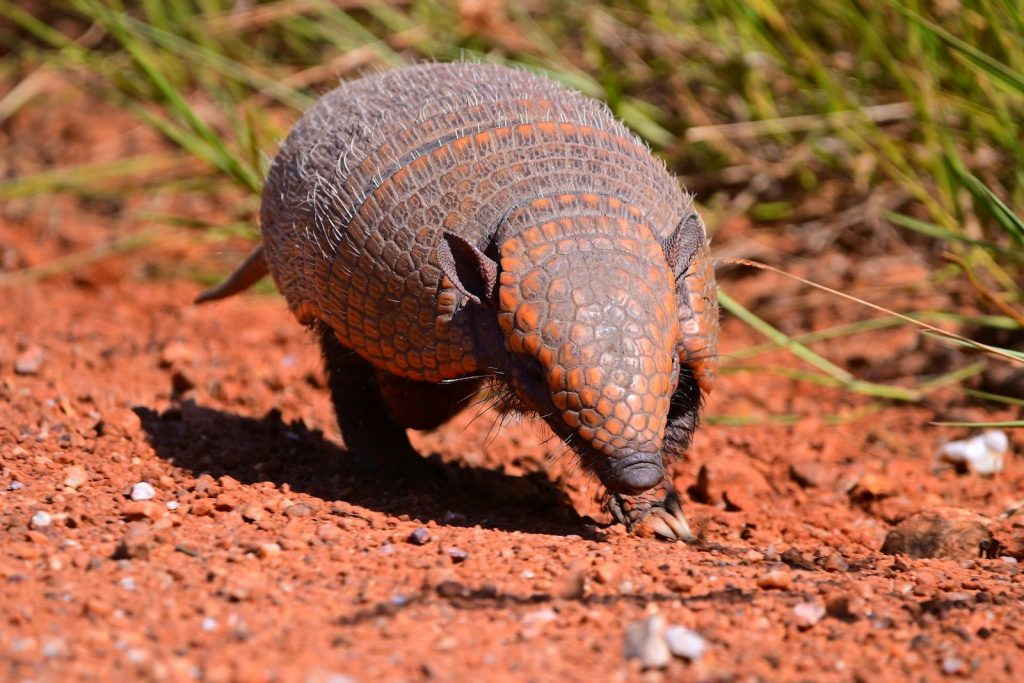
Living armadillos are modest in size, but glyptodonts were massive armored relatives that roamed the Americas during the Ice Age. These mammals carried rigid, domed shells made from fused bony plates and some grew to the size of a small car. Fossil and genetic evidence places glyptodonts within the broader armadillo lineage. Their heavy armor made them look almost reptilian, yet they were mammals. The contrast with modern armadillos shows how dramatically body size and armor design changed within this evolutionary branch.
Snakes
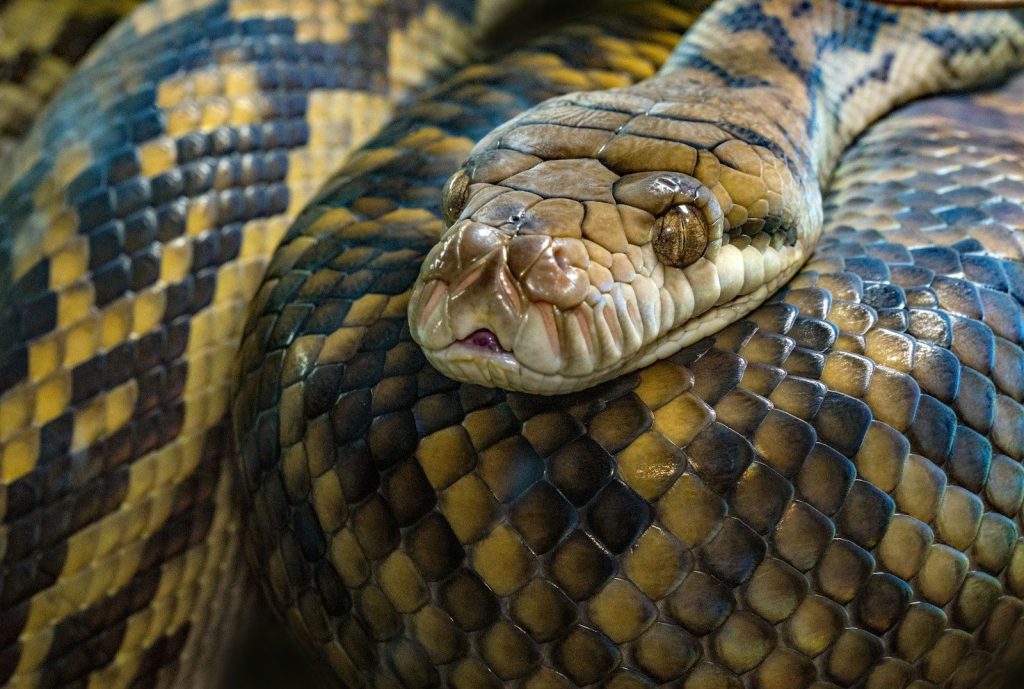
Titanoboa shows how enormous snakes could become under very different ancient conditions. Fossils from Colombia indicate that this Paleocene snake reached lengths far beyond modern boas and anacondas, with early estimates around 13 meters or more. Smithsonian displays have used a reconstruction about 48 feet long to illustrate its scale. Titanoboa lived in warm tropical environments around 60 million years ago. It was not an ancestor of every modern snake, but it demonstrates that the snake body plan once supported truly gigantic predators.
Beavers
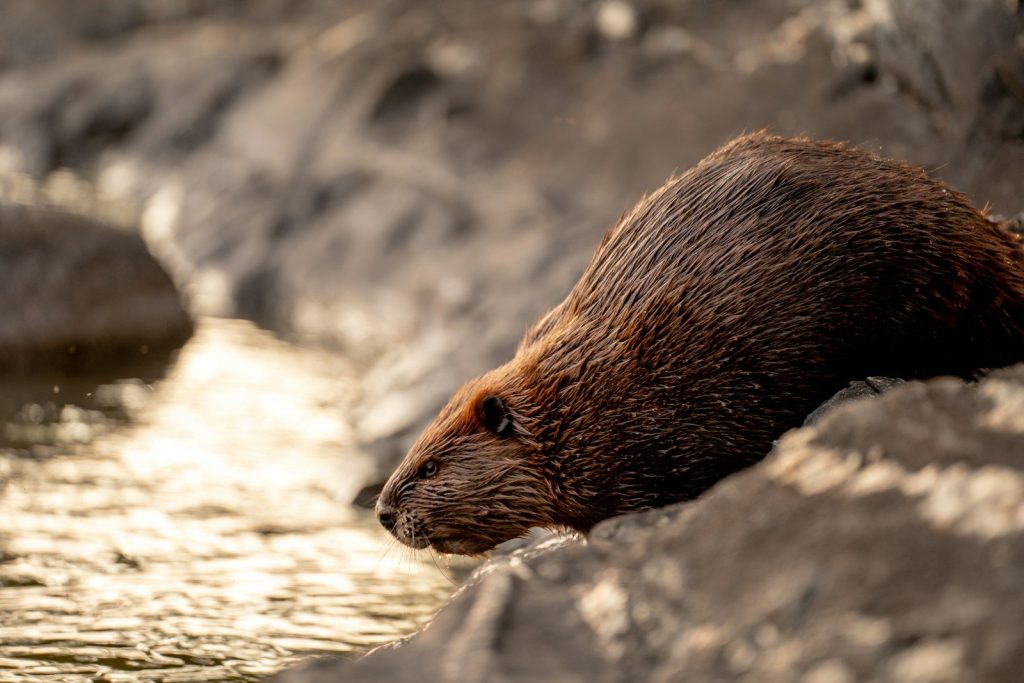
North America once had a giant beaver that dwarfed the species building dams today. Castoroides could grow to around two meters long and weigh many times more than a modern North American beaver. Fossils show an animal with large cutting teeth, but its lifestyle was not necessarily identical to that of today’s dam-builders. Giant beavers disappeared near the end of the Pleistocene. Their remains remind us that familiar groups can contain extinct members with proportions and ecological roles quite different from their living relatives.
Wombat Relatives
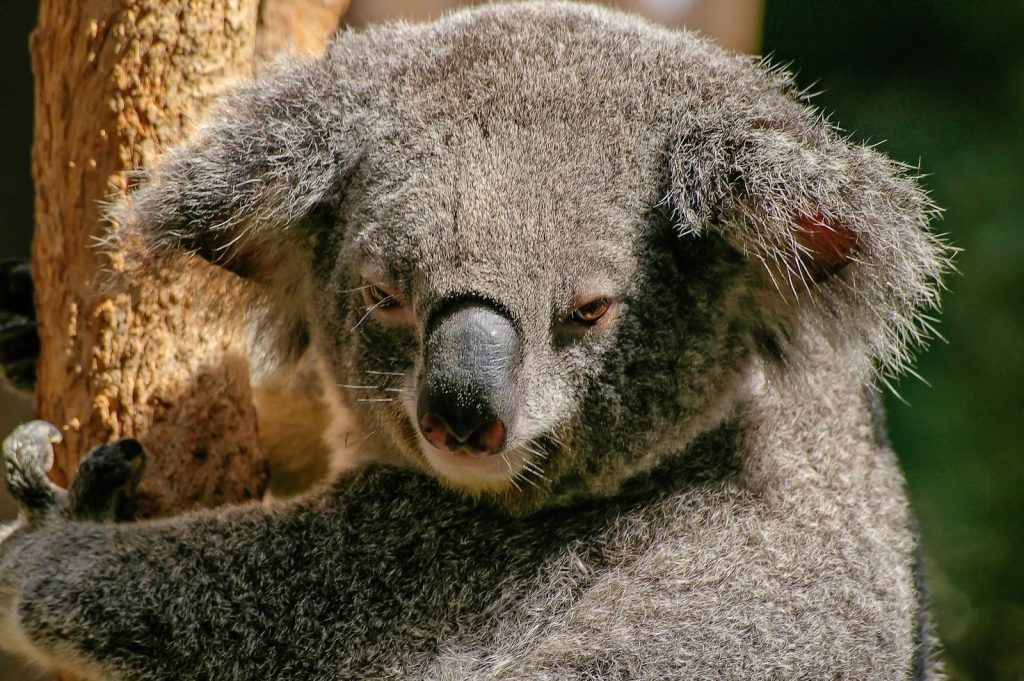
Diprotodon was the largest known marsupial and belonged to the same broader group as wombats and koalas. This Australian giant had a heavy body and has often been described as resembling an enormous wombat, although it was its own distinct genus. Adults could reach several meters in length and weigh well over a tonne. Diprotodon survived into the late Pleistocene before disappearing along with many other Australian megafauna. Modern wombats offer only a small-bodied glimpse of the evolutionary branch that once produced this massive herbivore.
Featured Image: Photo by April Pethybridge on Unsplash