Electricity in animals is more varied than the phrase “most electric” suggests. Some species generate powerful discharges that can stun prey or deter attackers, while others produce weak fields for navigation and communication. Still others generate no useful shock at all, but possess specialized receptors that detect the faint electrical signals produced by living bodies in very different ecological settings.
Because these abilities serve different purposes, there is no meaningful scientific ranking that puts every electric animal on one scale. These eight examples instead show the range of biological electricity, from high-voltage fish to mammals and sharks that use electroreception. Together, they reveal how evolution has repeatedly turned electrical signals into tools for hunting, sensing, communication, and defense across water and land.
Electric Eels
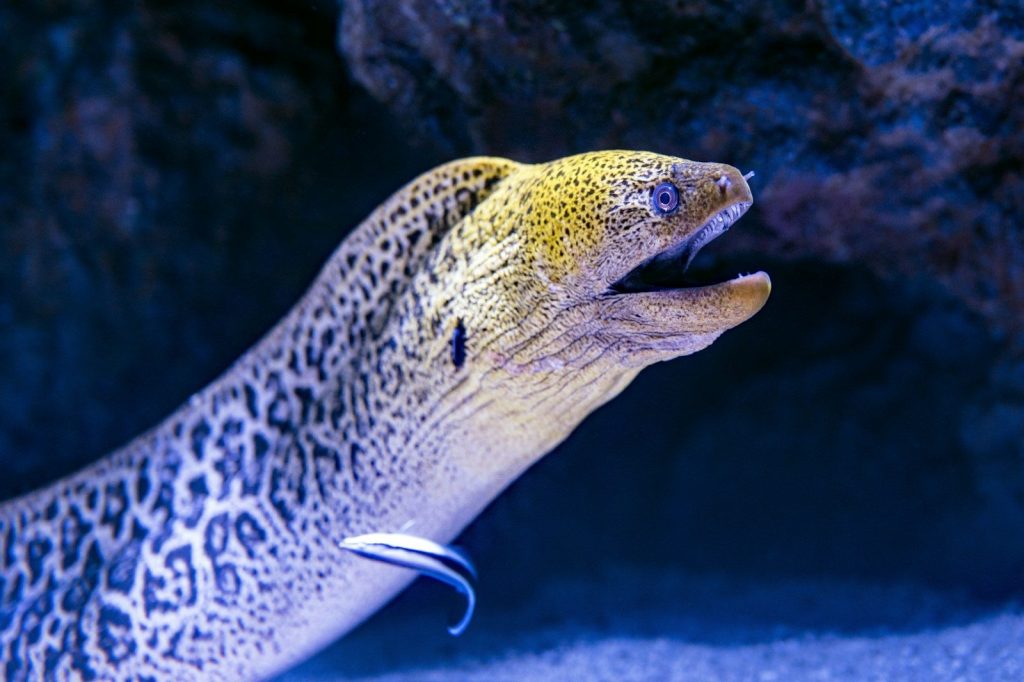
Electric eels are famous for producing powerful discharges with specialized organs made from modified muscle cells called electrocytes. Different pulses serve different purposes, including sensing surroundings, communicating, stunning prey, and deterring threats. Research on the genus Electrophorus identified a species capable of producing discharges measured at up to 860 volts, higher than earlier records associated with electric eels. Despite the name, these South American freshwater fish are not true eels. Their electrical system is an extraordinary example of muscle tissue evolving into a biological power source.
Pacific Electric Ray
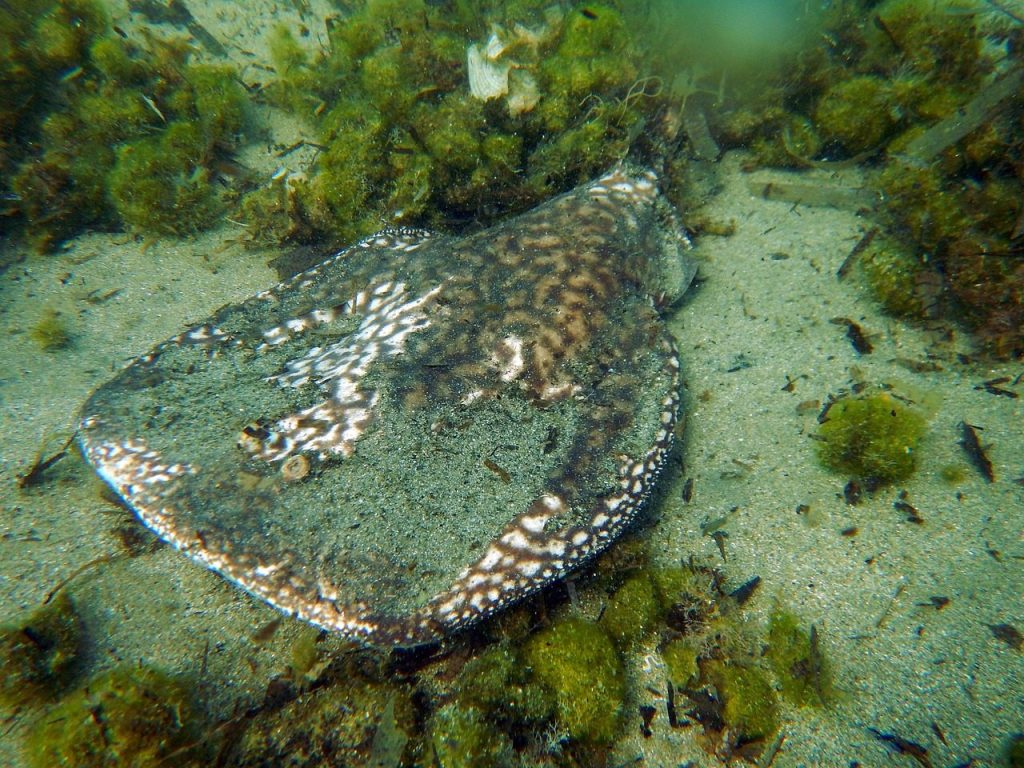
The Pacific electric ray carries two large electric organs on either side of its head. Monterey Bay Aquarium reports that these organs can generate currents of up to about 45 volts, enough to knock down an adult. The ray uses electricity to subdue fish and for defense rather than to light up the water or continuously charge its surroundings. Much of the organ consists of modified muscle tissue arranged to produce a coordinated discharge. The species shows that powerful electrogenesis evolved independently in rays as well as freshwater fishes.
Electric Catfish
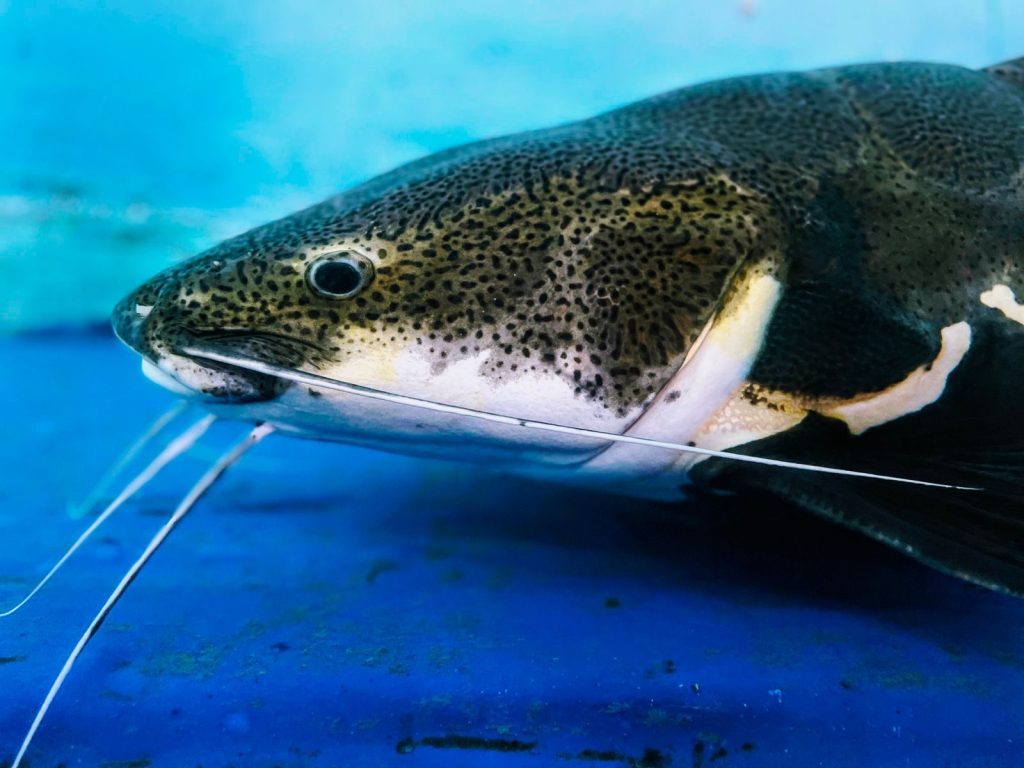
Electric catfish from tropical Africa possess an electric organ that forms a layer around much of the body. Some species can generate discharges reaching hundreds of volts, strong enough to stun prey or discourage predators. The organ is composed of specialized cells that work together much like many small electrical units connected into a larger system. Electric catfish are mainly nocturnal, so electricity provides an effective weapon in dark or murky freshwater. Their ability evolved separately from the electrical organs of electric eels and rays.
Elephantnose Fish
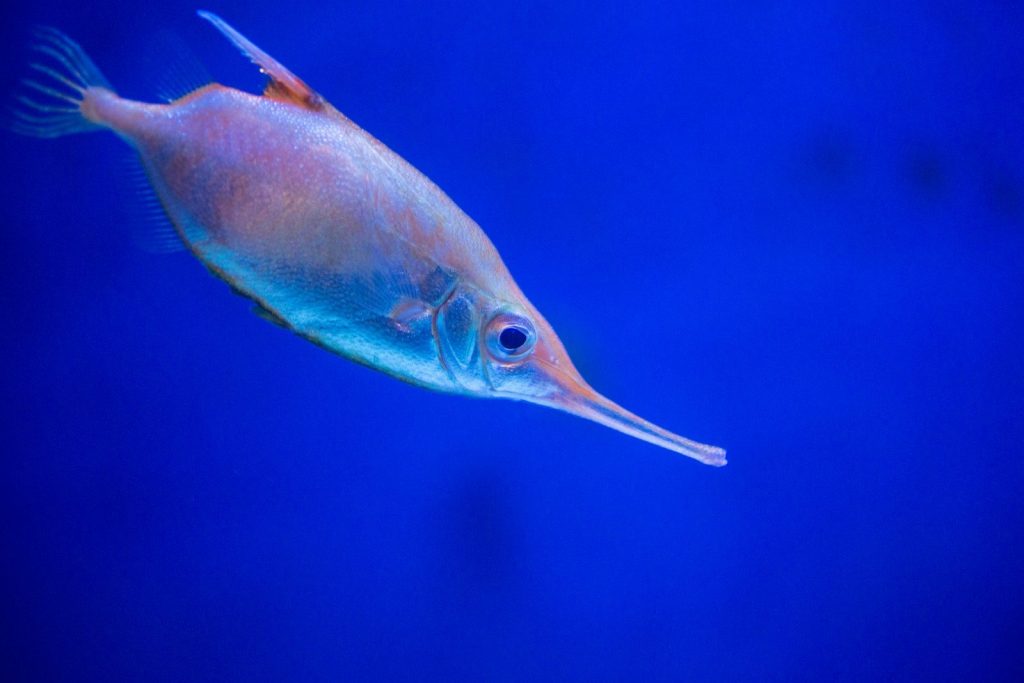
Elephantnose fish use electricity in a much gentler way. New England Aquarium explains that these African mormyrids possess electric organs that emit weak signals and electroreceptors that detect them. The resulting pulses help fish communicate and sense nearby objects in dark or cloudy water. Instead of shocking prey, the fish effectively monitors distortions in its self-generated electric field. More than 200 mormyrid species use variations on this system, demonstrating that biological electricity can function as a sophisticated sensory and social channel rather than a weapon.
Black Ghost Knifefish
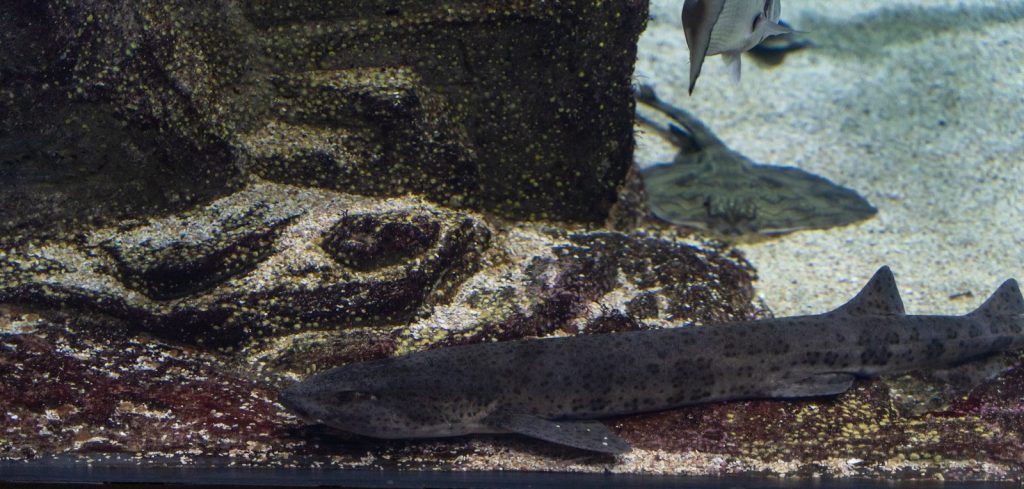
The black ghost knifefish of South America continuously produces a weak electric field that is far too small to stun prey. Objects entering that field alter its shape, and thousands of electroreceptors on the fish’s body detect those changes. This allows the animal to locate objects and prey even in darkness. Electric organ discharges also carry information during social interactions. The fish therefore combines electrogenesis and electroreception into an active sensing system, somewhat analogous to using a self-generated signal to probe an environment that eyes cannot fully reveal.
Great White Shark
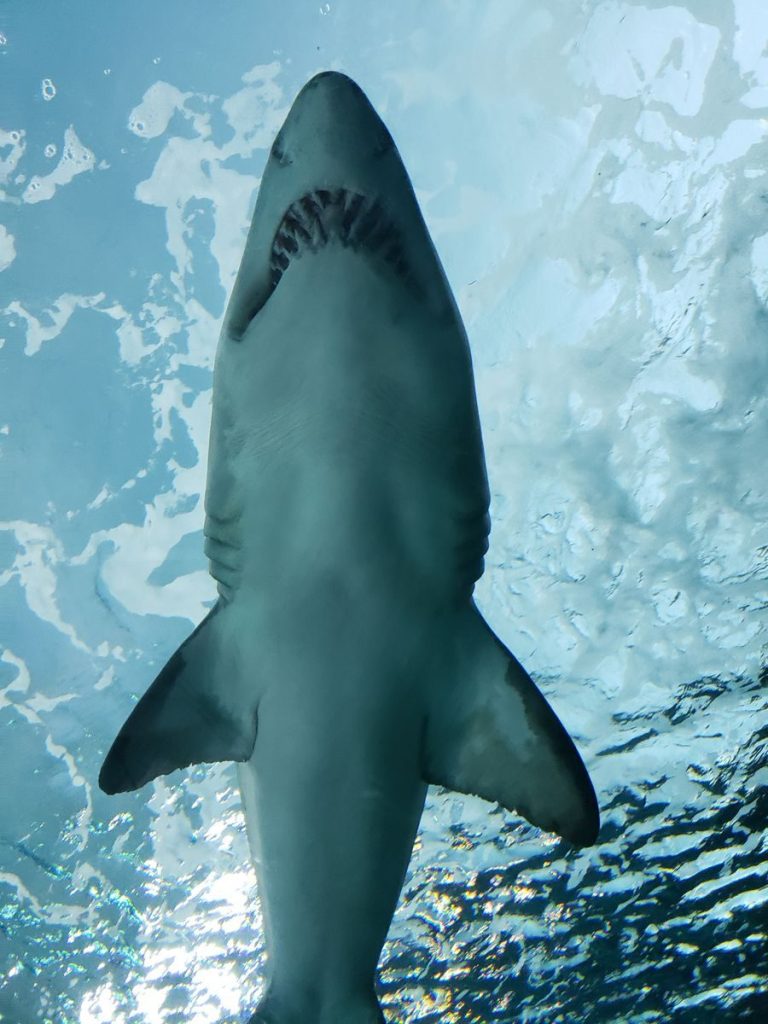
Great white sharks do not generate defensive electric shocks, but they can detect extremely faint electrical fields. Pores on the head contain the ampullae of Lorenzini, sensory structures that respond to electrical signals created when animals contract muscles. Smithsonian explains that sharks can use electroreception to locate prey and may also obtain navigational information from electromagnetic cues. This ability becomes especially useful when visibility is poor or prey is hidden. The shark’s “electric” talent is therefore detection, not electricity production.
Hammerhead Sharks

Hammerhead sharks also use the ampullae of Lorenzini to detect weak electrical signals from prey. Their unusually broad heads spread sensory pores across a wide surface, while the sharks sweep the head over the seafloor during searches. Smithsonian describes hammerheads locating fish hidden beneath sand by sensing signals that remain detectable even when vision is blocked. No dramatic shock is involved. Instead, electroreception gives these predators information unavailable to human senses, allowing them to find living targets concealed within a visually featureless bottom.
Platypus
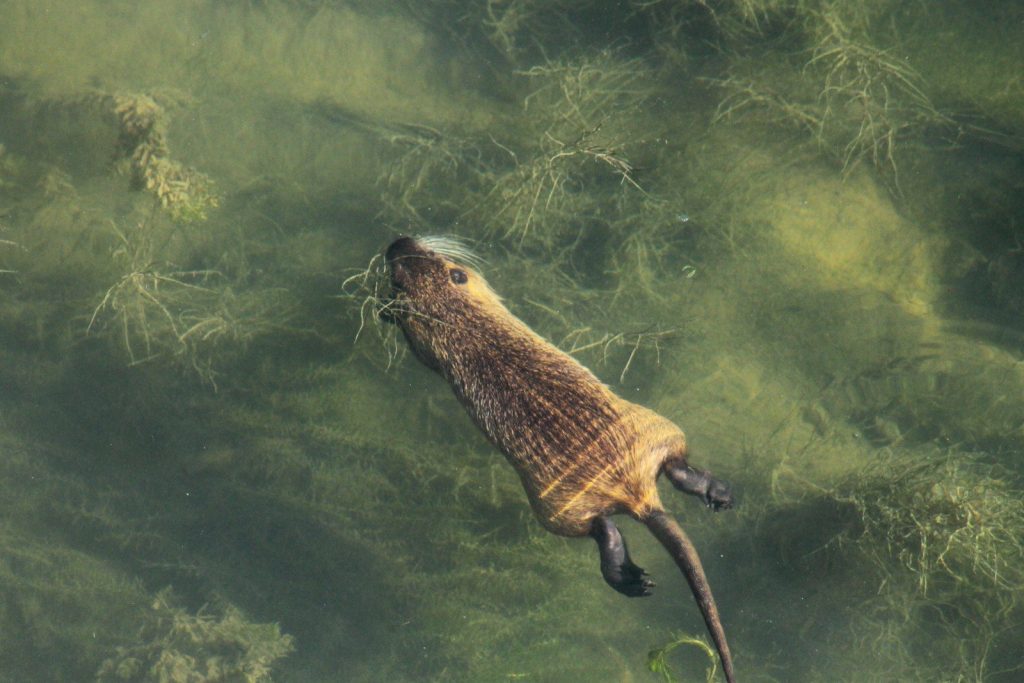
The platypus adds a mammalian example to the electric-sensing story. When it dives, it closes its eyes, ears, and nostrils, relying heavily on receptors in its flexible bill to locate prey. Electroreceptors detect weak electrical signals generated by muscle activity in small aquatic animals, while touch receptors provide additional information. The platypus does not shock its food with electricity; it senses electricity already produced by living tissues. This unusual feeding system helps the animal hunt along muddy streambeds where ordinary vision would be of little use.
Featured Image: Photo by Mark Thomas on Pexels