Orangutans spend much of their lives above the forest floor, moving through tropical canopies with long arms, strong hands, and remarkable balance. Their tree-based lifestyle affects almost everything they do, from finding fruit and building sleeping nests to raising young. Life in the canopy is demanding, but orangutans are exceptionally well adapted to it. These adaptations support them throughout long daily routines.
There are three living orangutan species, all native to the islands of Borneo or Sumatra. Although they share many behaviors, populations differ in ecology and social patterns. This slideshow follows the major parts of an orangutan’s daily and lifelong experience, while also showing why intact forests are essential for the survival of these critically endangered great apes in the wild today.
Rainforest Canopy
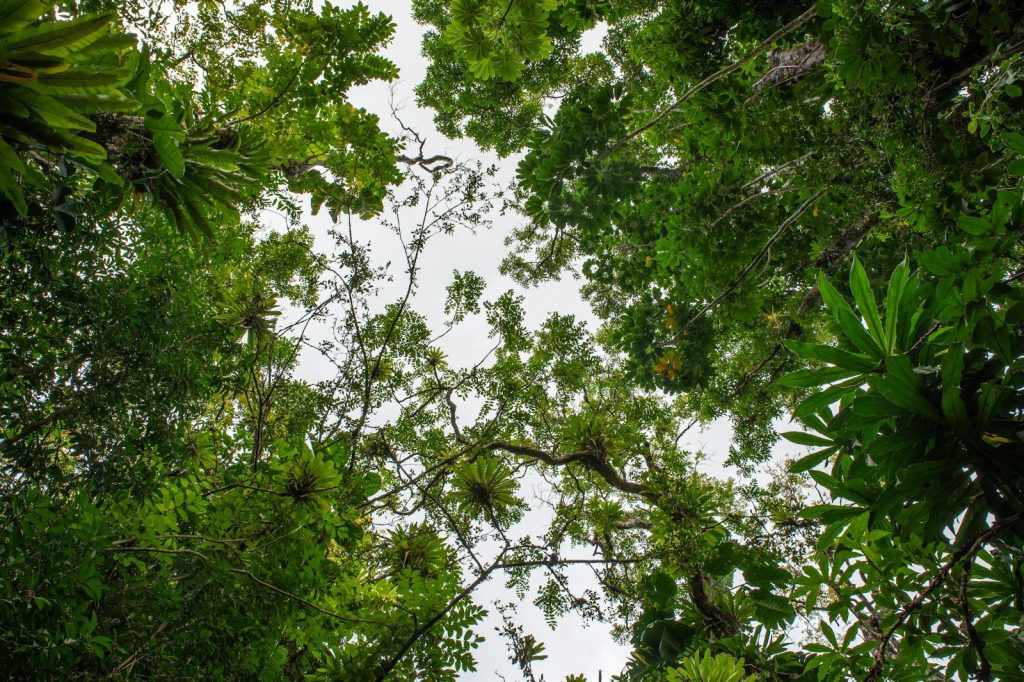
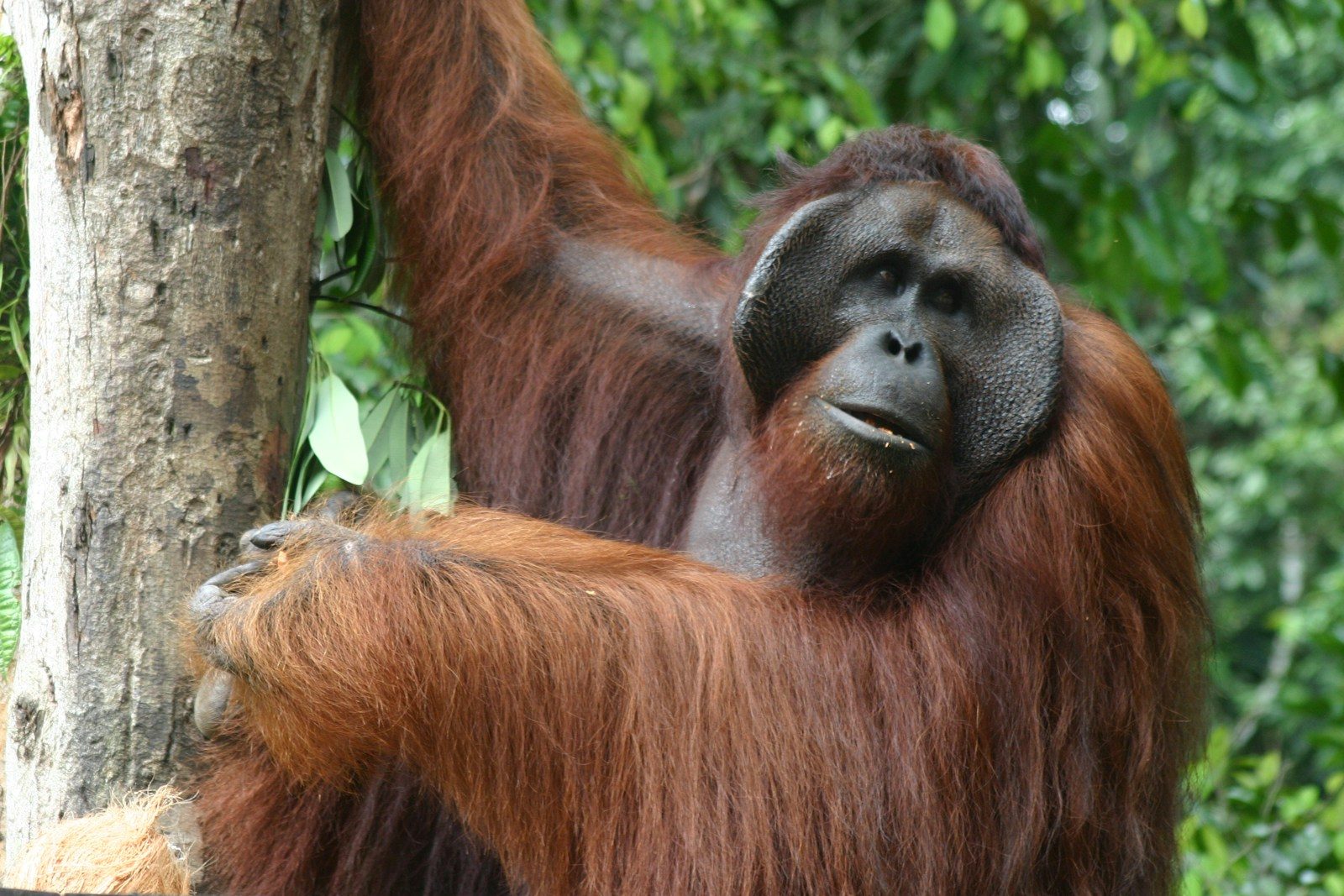
Orangutans are the largest primarily arboreal mammals, spending most of their time in trees rather than on the ground. Their forest world is three-dimensional, with food, resting places, travel routes, and danger spread across different heights. Moving through the canopy can reduce some ground-level risks while providing direct access to fruiting trees. Smithsonian describes orangutans as highly adapted to arboreal life. Forest fragmentation therefore does more than remove trees; it can break the connected pathways these apes use to travel and forage.
Powerful Arms
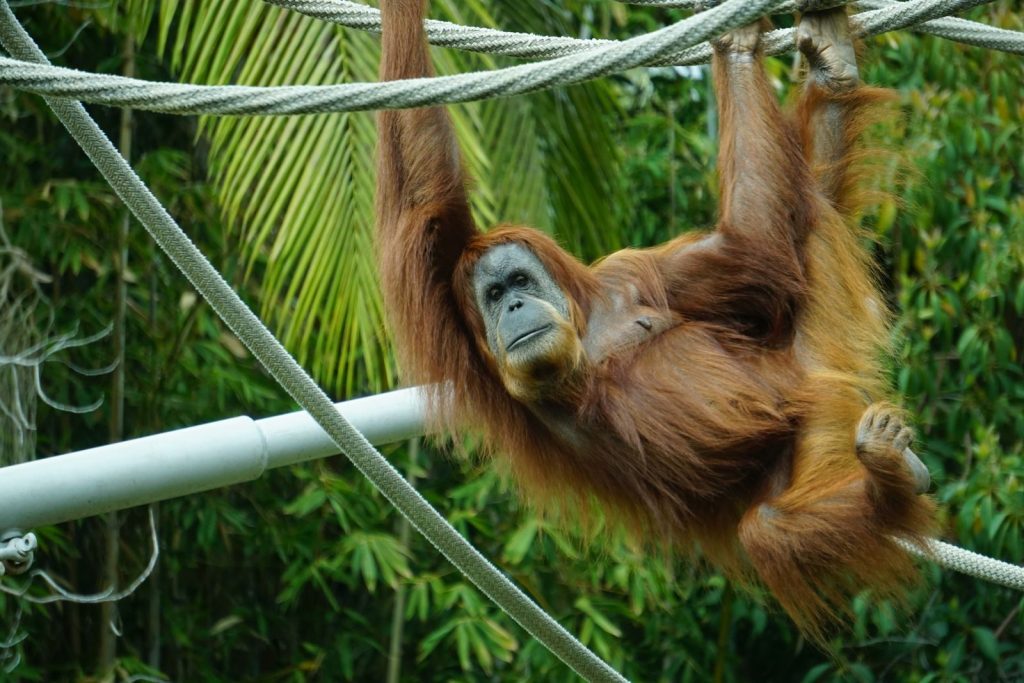
An orangutan’s body is built for controlled movement through branches. Its arms are much longer than its legs, while strong hands and feet can grip supports as the animal shifts its weight. Rather than racing through the canopy, orangutans often move deliberately, testing branches and using several points of contact. Their shoulder joints provide a wide range of motion that helps them reach in different directions. These features allow a heavy great ape to navigate a flexible environment where a bad choice of support could mean a dangerous fall.
Fruit Diet
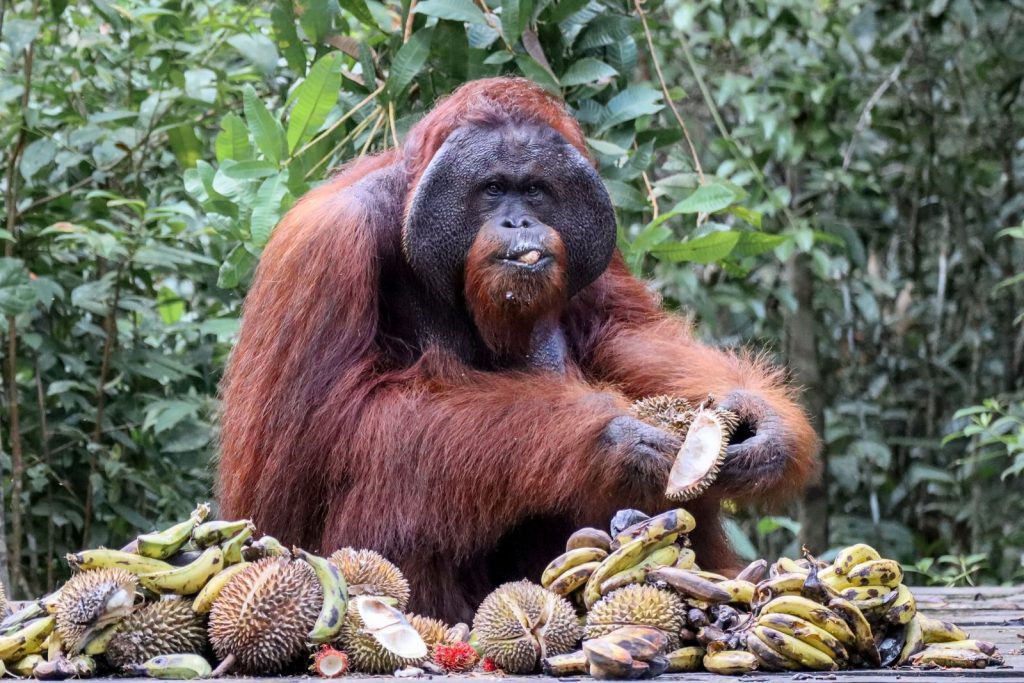
Fruit is a major part of an orangutan’s diet, and finding it requires extensive knowledge of a changing forest. Smithsonian notes that orangutans also eat leaves, bark, flowers, insects, and other foods when fruit is less available. Because tropical trees fruit at different times and places, individuals must remember productive feeding sites and travel between them. By eating fruit and moving through the forest, orangutans also disperse seeds, helping some plants reproduce away from the parent tree and contributing to rainforest ecology.
Daily Foraging
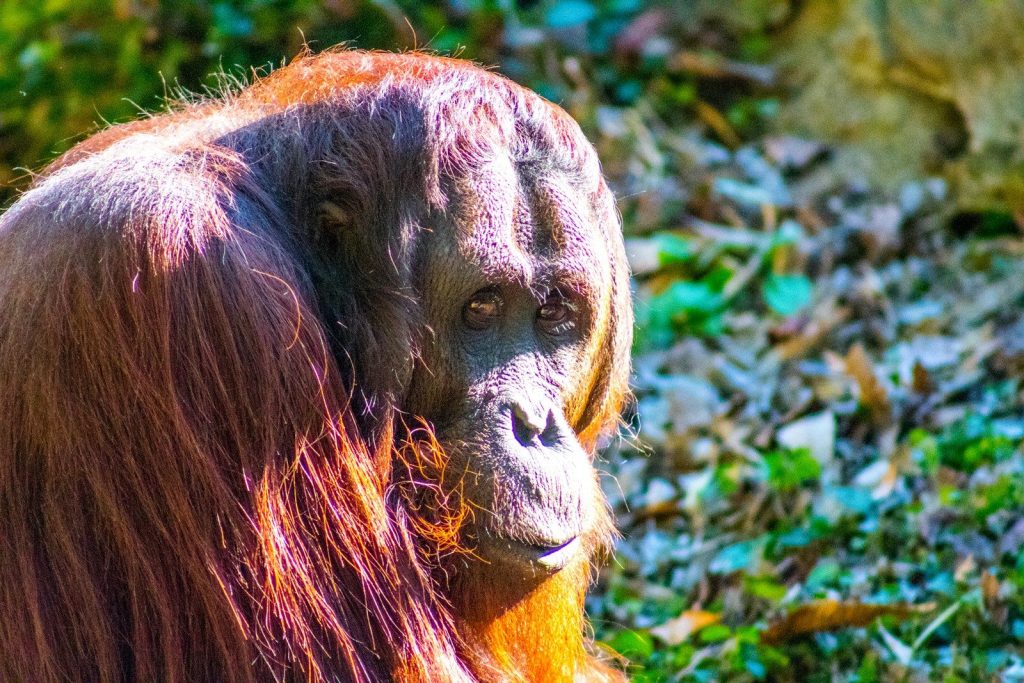
A large part of an orangutan’s day is spent searching for, reaching, processing, and eating food. Different fruits require different techniques, and some foods are protected by tough shells, spines, or other barriers. Young orangutans learn by staying near their mothers and observing what they eat. Smithsonian research describes orangutans using detailed knowledge of when and where foods become available. That memory is especially valuable in forests where the abundance of fruit can change dramatically across seasons and from one area to another.
Nightly Nests
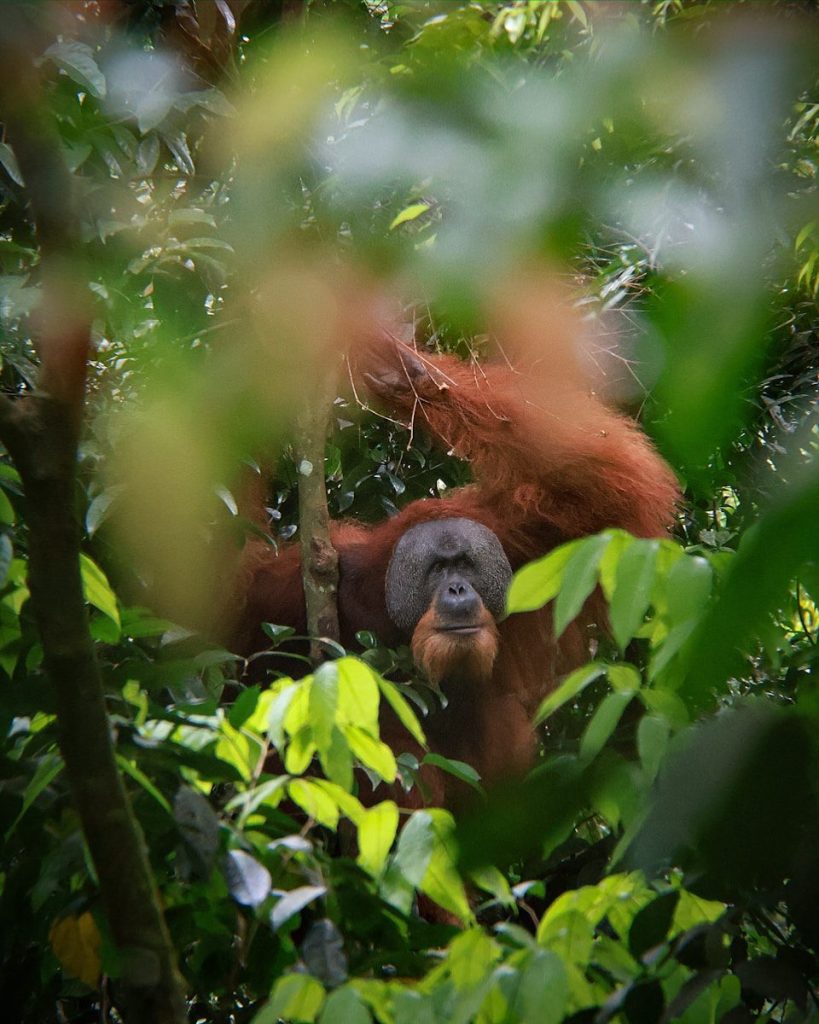
Orangutans usually construct sleeping nests in trees, bending and weaving branches into a platform that supports their weight. A fresh nest can be built rapidly, yet it reflects careful selection of a suitable location and materials. Nests keep an orangutan above the forest floor during the night and provide a stable resting surface among branches. Researchers can also use abandoned nests as evidence of orangutan presence, making nest counts one tool for studying populations in dense forests where direct sightings are difficult.
Long Childhood
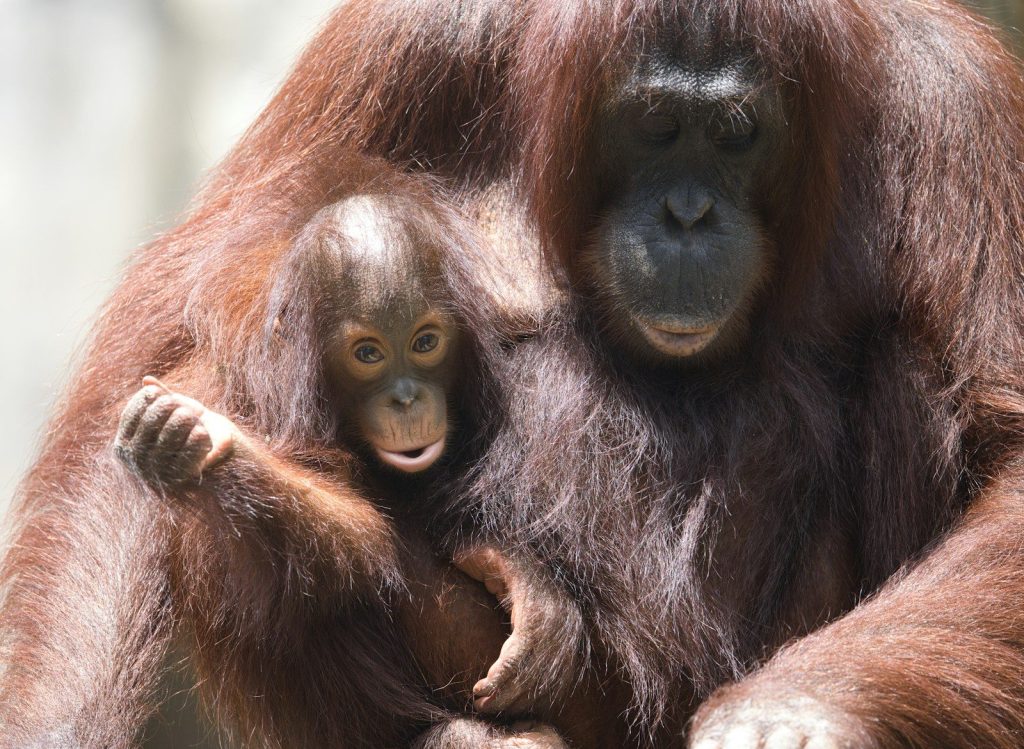
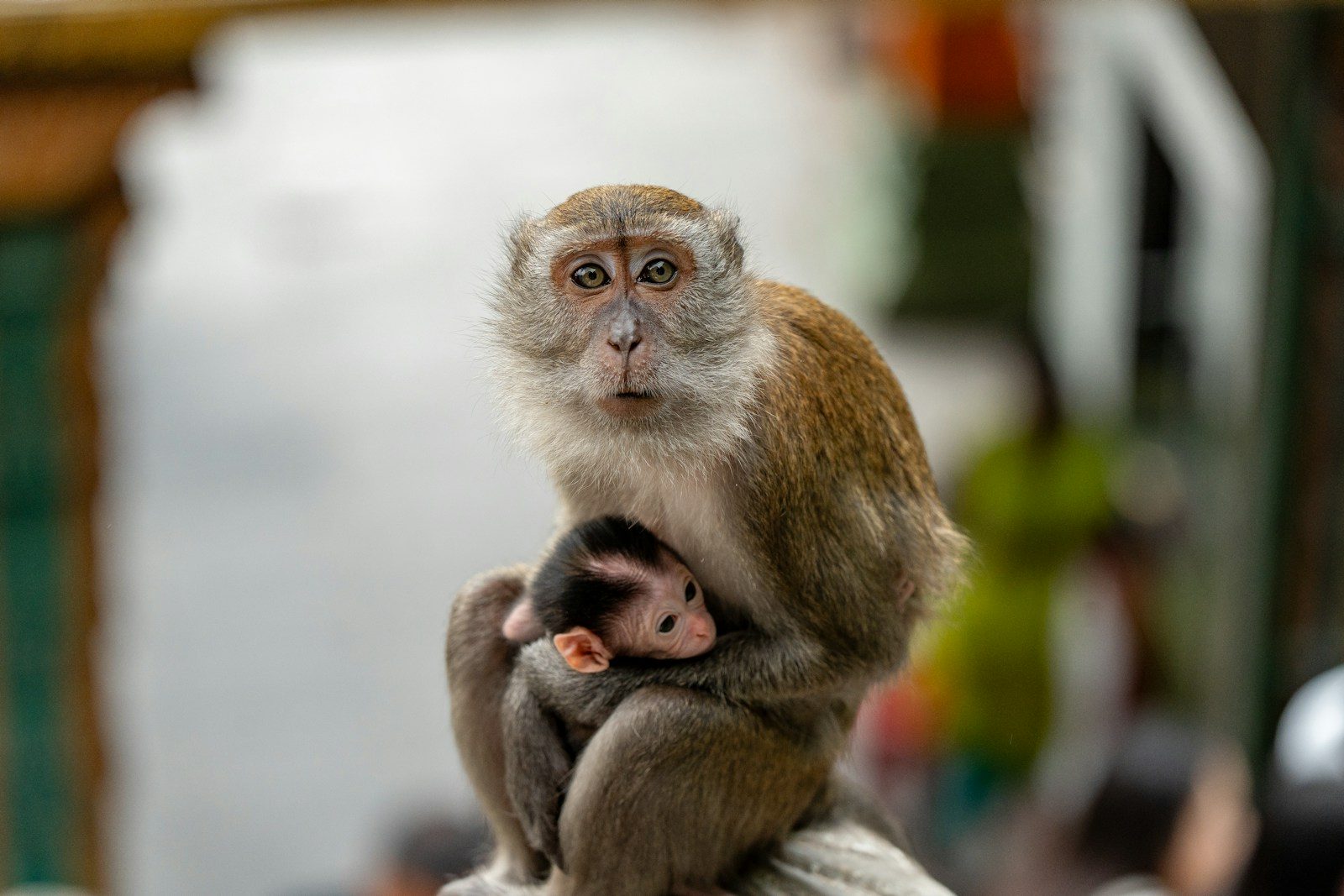
Orangutan childhood is unusually long. Infants remain in close contact with their mothers and gradually gain the coordination, judgment, and feeding knowledge required for independent life. Smithsonian notes that young orangutans may nurse for six to eight years, one of the longest nursing periods among mammals. During those years, the mother becomes a living source of information about safe travel routes, seasonal foods, and useful techniques. Long dependency also means females reproduce slowly, which makes population recovery after losses especially difficult.
Social Life
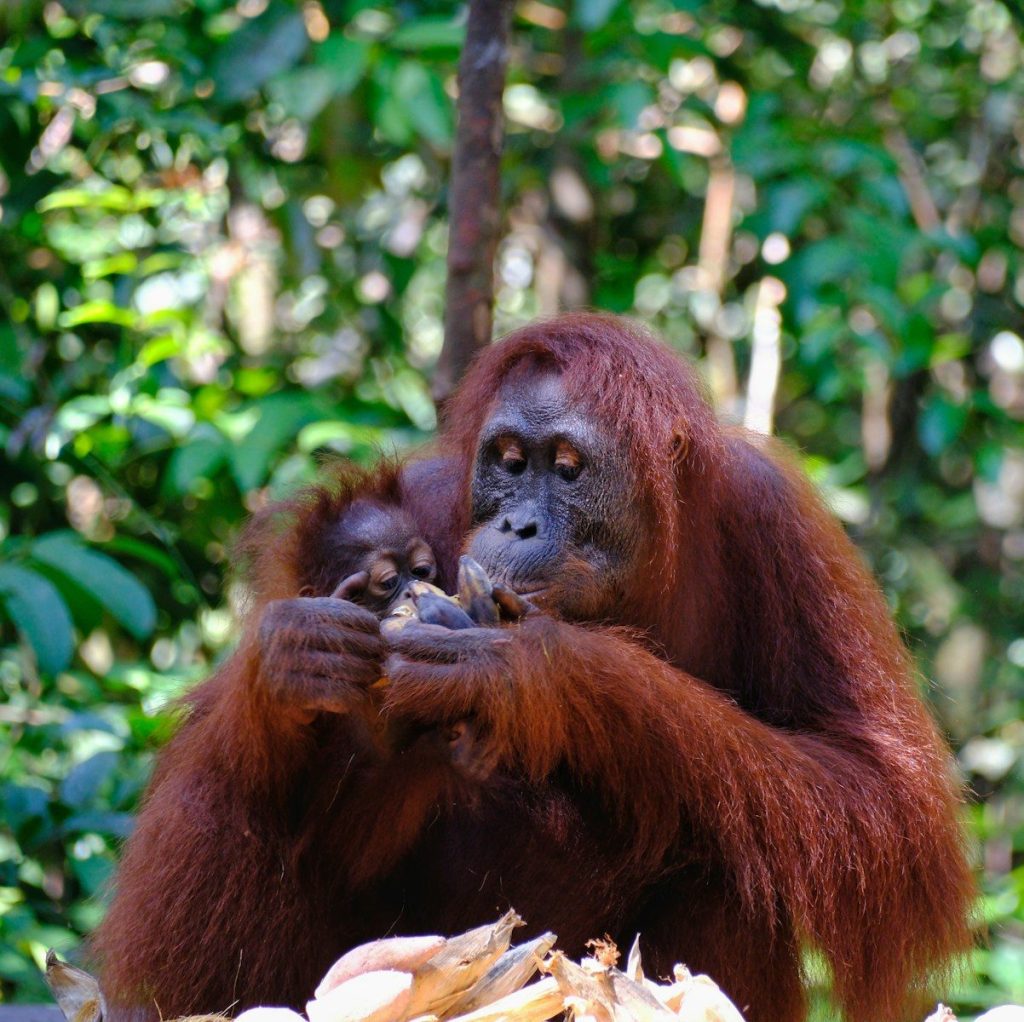
Orangutans are less group-living than chimpanzees or gorillas, but calling them completely solitary oversimplifies their social lives. Adult males often travel alone, while females commonly move with dependent young and may interact with other orangutans where food is concentrated. Relationships, mating, vocal communication, and overlapping ranges still connect individuals across the forest. Smithsonian describes a semi-solitary social system rather than permanent isolation. That flexible pattern helps orangutans cope with food that can be widely scattered through tropical forests and changing local conditions.
Forest Threats
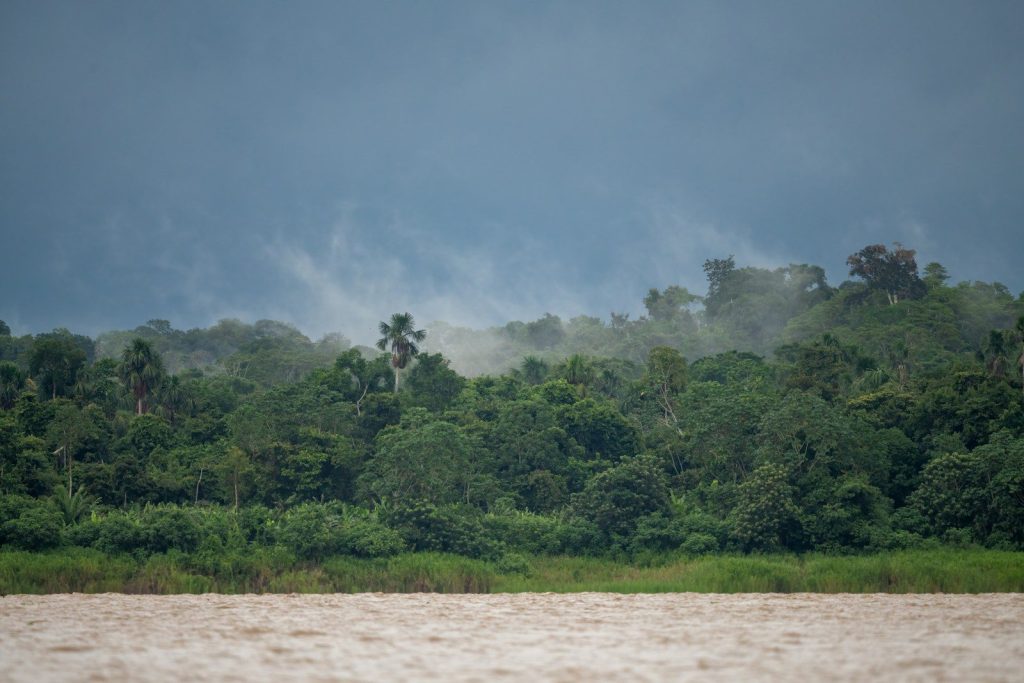
All three orangutan species are currently classified as Critically Endangered, and habitat loss remains a central threat. Forests have been cleared or fragmented for agriculture, roads, logging, mining, and other development, while fires and illegal killing add further pressure. Because orangutans depend heavily on trees for food, movement, and shelter, removing connected forest directly disrupts their way of life. Conservation therefore requires protecting habitat as well as reducing hunting, trafficking, and conflict where orangutans and people share increasingly altered landscapes.
Featured Image: Photo by carolyn etherington on Unsplash