A dramatic encounter filmed in South Africa’s Kruger National Park showed a blue wildebeest turning away from one lioness only to find two more waiting ahead.
Instead of stopping, the wildebeest jumped over the pair, kicked one lioness during the leap, and continued running as more members of the pride joined the chase.
One Lioness Appears
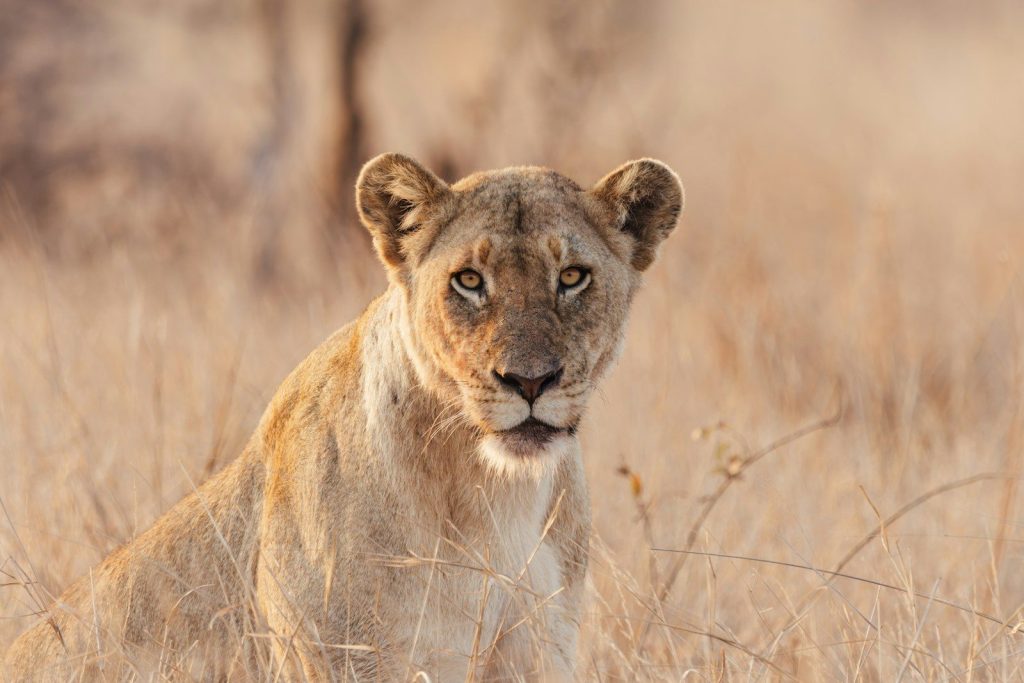
Visitor Lauren Hughey was filming with guide Bonga Njujula when the wildebeest noticed a lioness and changed direction. That escape route immediately created another problem because two additional lionesses were positioned ahead.
Two Lions Block the Route
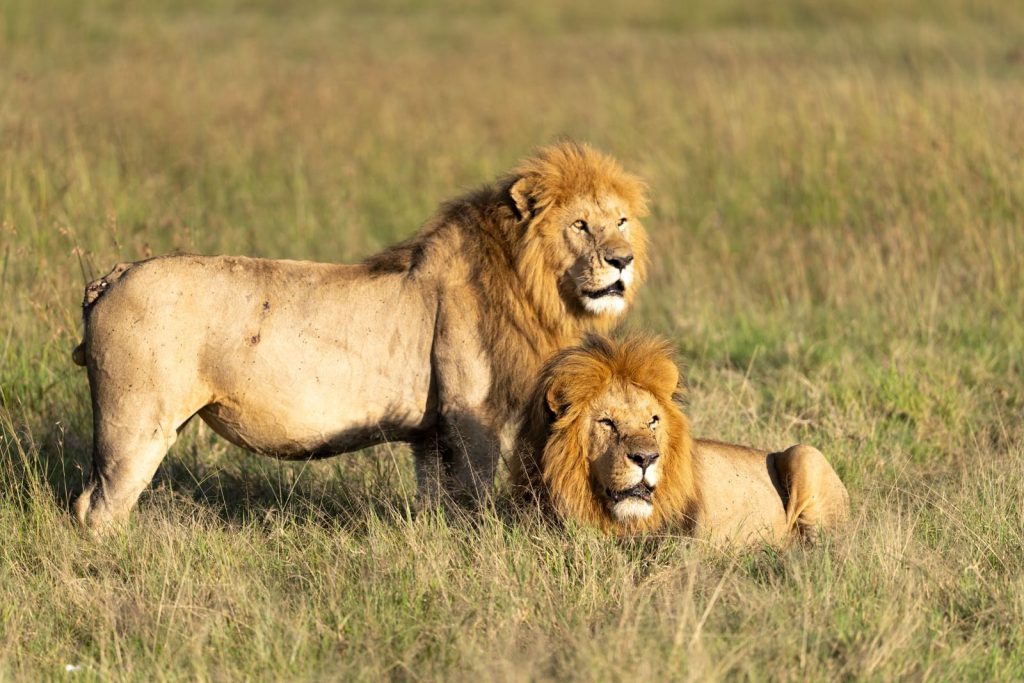
The waiting lionesses gave the wildebeest little time to choose another direction. Lions often rely on teamwork to place prey between several hunters, improving the chances that one animal can grab the target as it turns away from another.
The Wildebeest Jumps

Rather than trying to run around the two cats, the wildebeest launched itself over them. The sudden leap carried its body above the waiting predators and changed the encounter in a fraction of a second.
A Hoof Hits a Lioness

During the jump, one of the wildebeest’s legs struck a lioness in the head. The kick was part of the animal’s escape rather than a prolonged attempt to fight. Hooves and horns give adult wildebeest dangerous defensive weapons when predators get close.
Four More Join

The danger did not end after the jump. Four additional lionesses reportedly joined the pursuit, bringing the chasing group to seven. The wildebeest therefore had to keep running despite the enormous burst of energy already spent avoiding the first ambush.
Water Becomes the Escape Route

The wildebeest headed into a shallow section of water. Running through water creates extra resistance, but reaching the opposite side forced the lionesses to follow through the same terrain while the prey maintained momentum.
The Pride Falls Behind
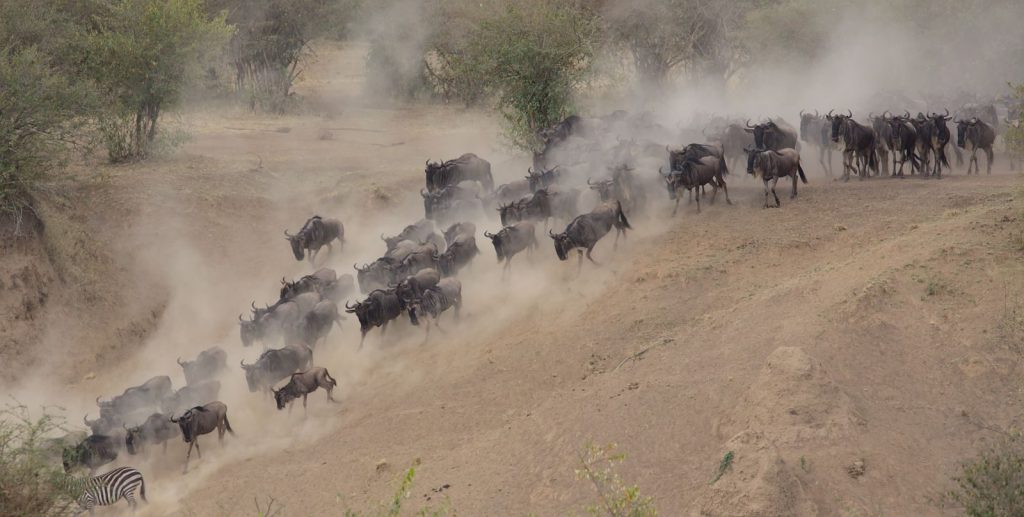
The wildebeest eventually created enough distance to escape. The video demonstrates why even coordinated predators do not succeed on every hunt. A healthy prey animal can change direction, strike back, exploit terrain, or simply sustain its sprint long enough to survive.
One Second Changed Everything

The decisive moment was not an intentional battle with seven lions. It was a rapid survival response: turn, jump, kick, and keep moving. In predator-prey encounters, a single missed grab or unexpected movement can decide whether the hunt ends with a meal or an escape.
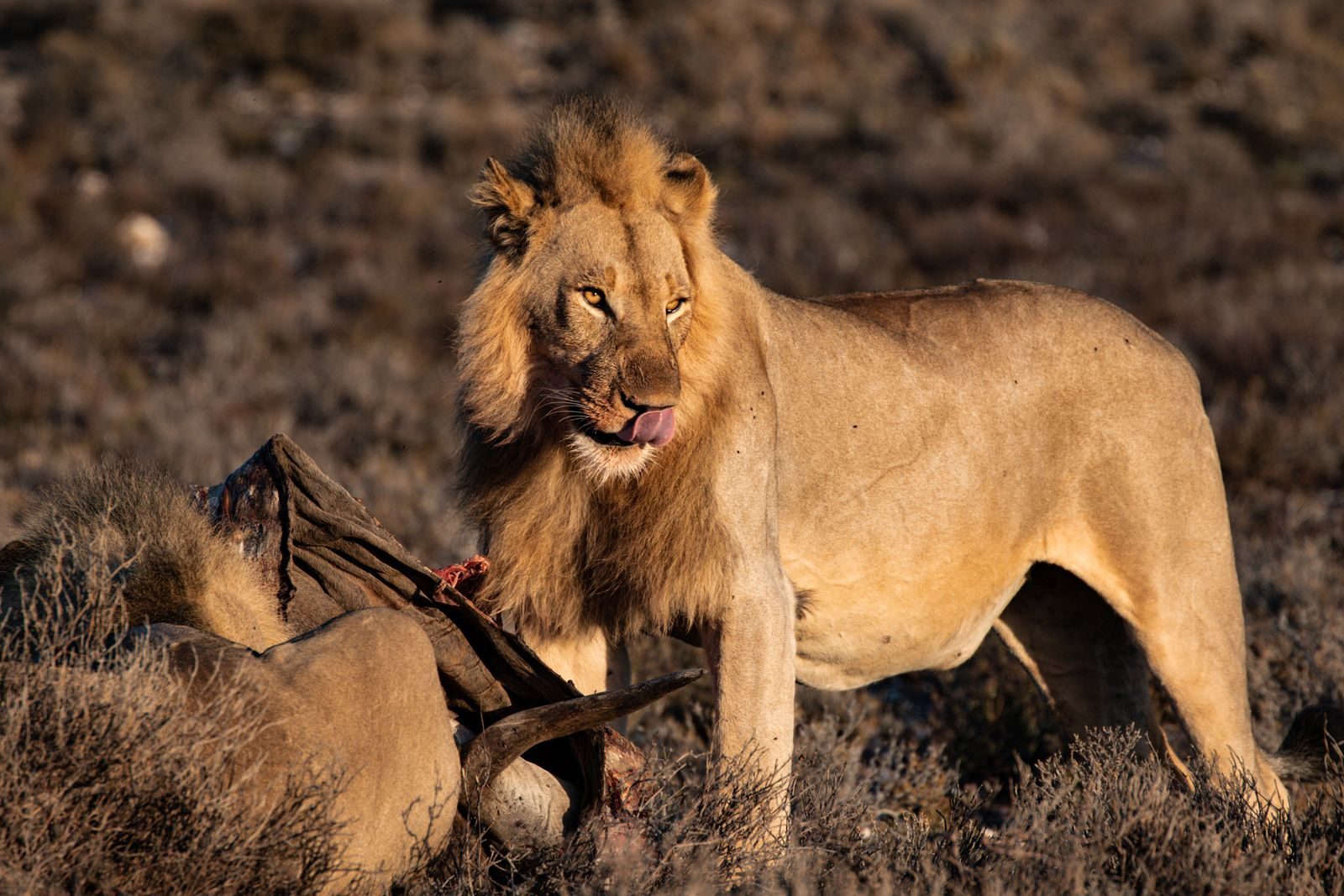
Featured Image: Photo by Elena Blessing on Pexels