Skip to content

Recent Posts

  • Rangers Pull a Giraffe From Deadly Tanzanian Mud
  • How Orcas Surround Prey and Hunt Together
  • How an Octopus Hunts With Three Hearts
  • What Elephants Do When Others Get Too Close
  • Baby White Rhino Mick Takes His First Outdoor Steps

Most Used Categories

  • Nature & Wildlife (716)
  • Risk (66)
  • Human Interest (48)
  • Exotic Animals (24)
  • Survival (22)
  • Hunting (22)
  • Bees/Swarms fear (20)
  • Suspense (16)
  • Adventure (3)
  • Gears (2)
Skip to content
  • About Us
  • Contact Us
  • Disclaimer
  • Privacy Policy
  • Terms & Conditions

Hive Hunters Tales

  • Suspense
  • Nature & Wildlife
  • Human Interest
  • Hunting
  • Bees/Swarms fear
  • Exotic Animals
  • Risk
  • Survival
  • Adventure
  • Gears
  • Home
  • Suspense
  • What Elephants Do When Others Get Too Close
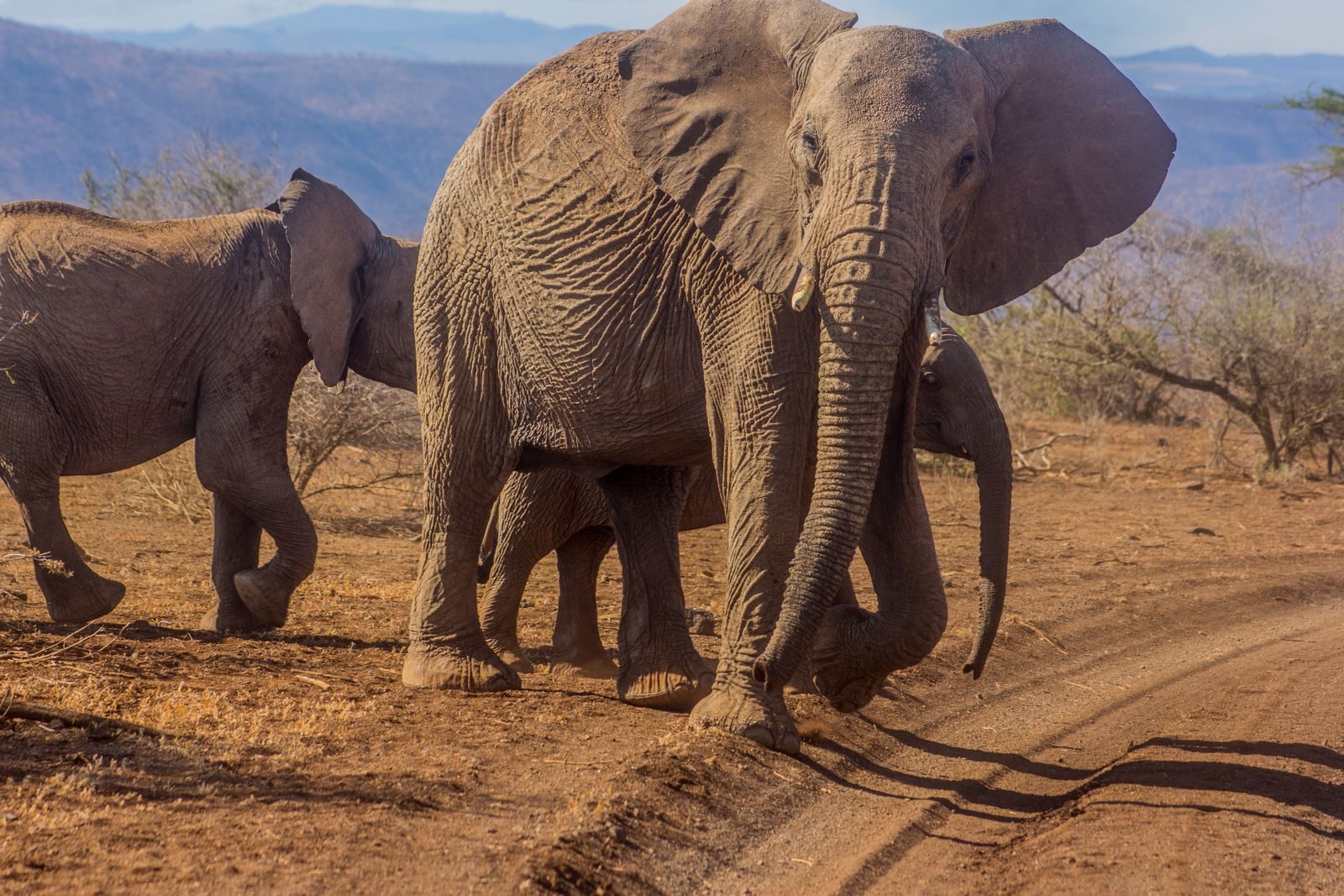
A herd of African elephants walking through a dry savannah landscape, showcasing wildlife in its natural habitat.

What Elephants Do When Others Get Too Close

JakeAugust 10, 2026August 9, 2026

No single verified clip could be matched confidently to the original title. Elephant reactions also vary depending on whether the approaching animal is a predator, another elephant, livestock, a vehicle, or a person.

Their first response is not always an attack. Elephants gather information through smell, sound, sight, touch, posture, and the behavior of other herd members.

Elephants Detect Trouble Early
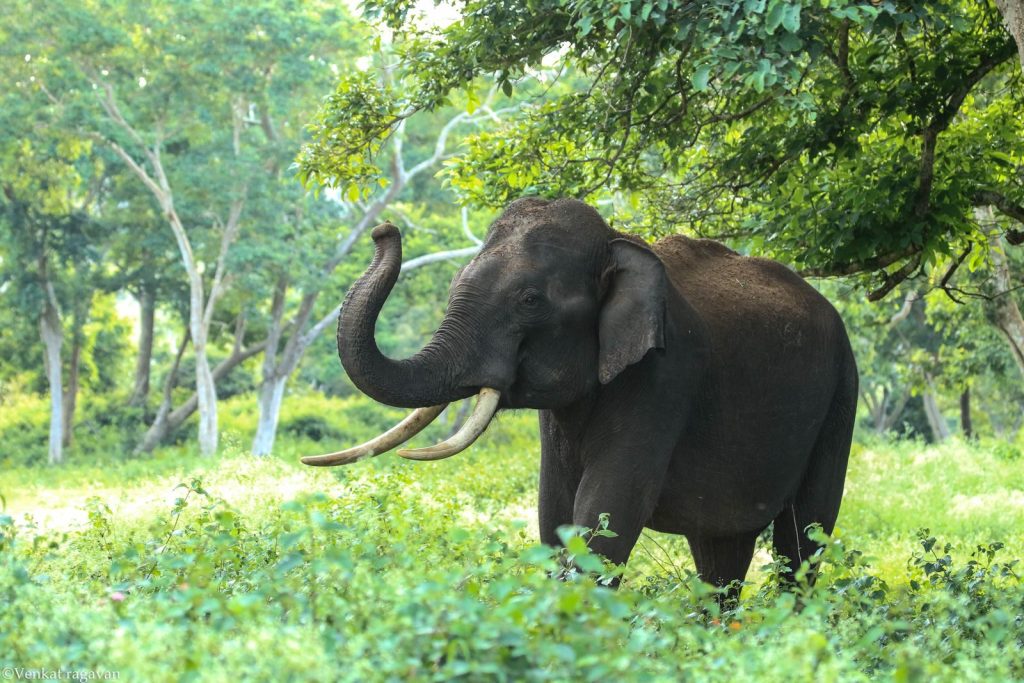
Captivating photo of a wild Asian elephant in Bandipur forests, Karnataka, India.
Photo by Venkat Ragavan on Pexels

Elephants possess an exceptionally developed sense of smell and can pick up information carried through the air. They also communicate using low-frequency calls that travel long distances. These senses can alert a herd before a potential threat reaches immediate striking distance.

Adults Protect the Calves
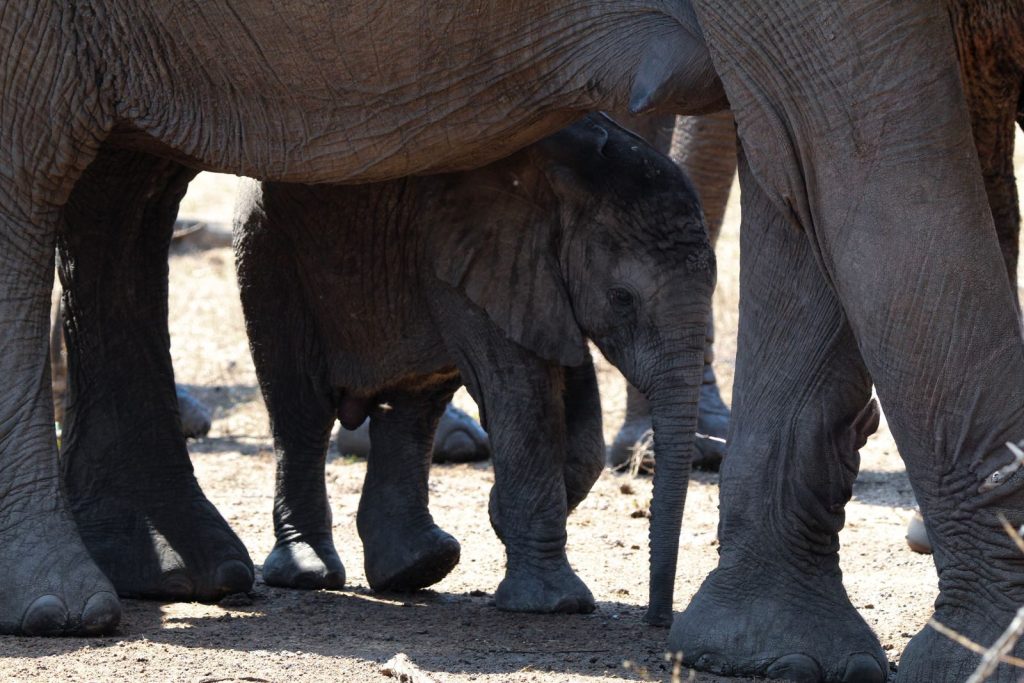
Adorable baby elephant nestled under a protective herd in South Africa's Kruger National Park.
Photo by Chané Timmerman on Pexels

When predators threaten a breeding herd, older elephants may produce warning calls that cause members to bunch together. Calves receive protection from the bodies of larger females, reducing the predator’s ability to isolate a vulnerable youngster.

Tigers Can Threaten Young Elephants
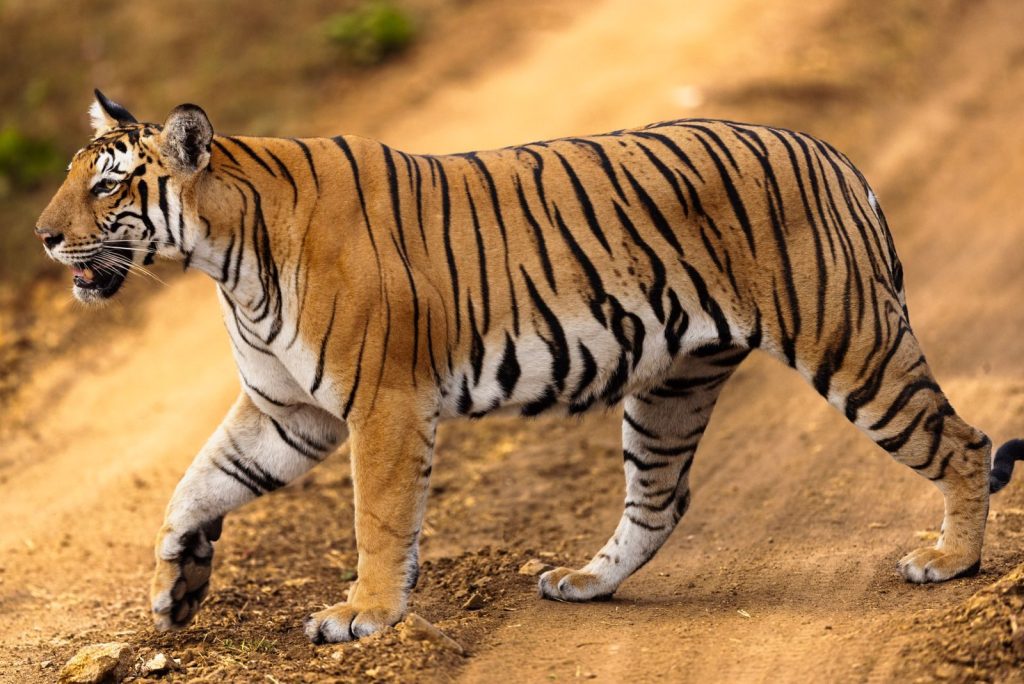
Stunning image of a Bengal tiger walking on a dirt path in Karnataka's wilderness.
Photo by Raghavendra Narayan on Pexels

Healthy adult elephants have few natural predators, but calves can be vulnerable. Smithsonian notes that tigers may attack young Asian elephants where their ranges overlap. A nearby herd dramatically changes the risk because adult females can cooperate in defence.

Elephants Use Body Language
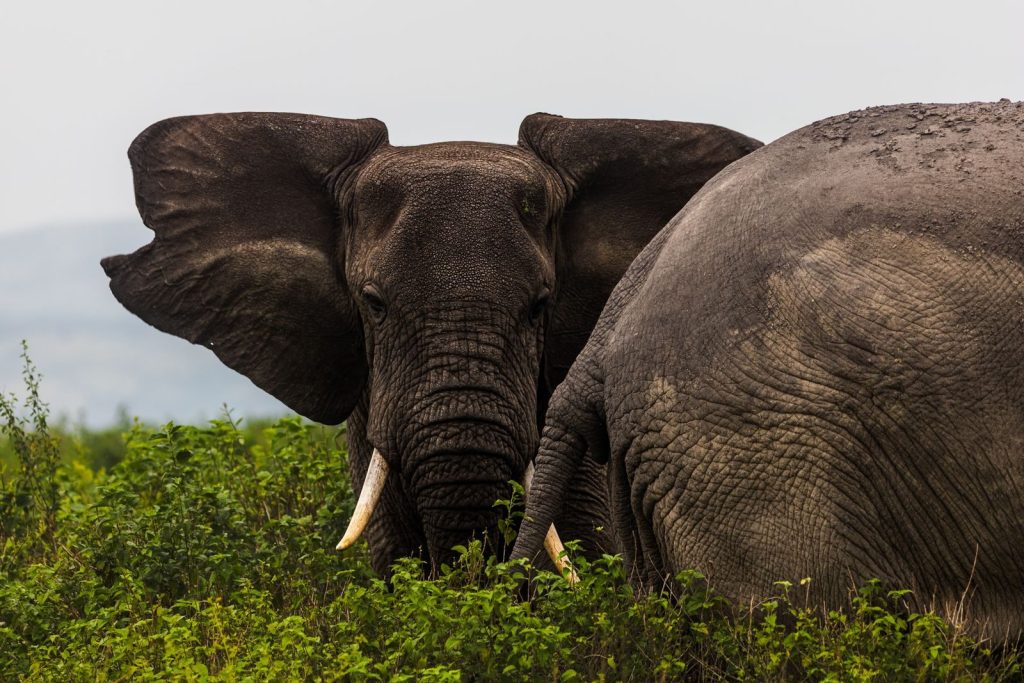
Close-up of two elephants grazing in a lush green grassland, showcasing wildlife in nature.
Photo by Eric Kamoga on Pexels

An elephant can signal discomfort through posture, head position, trunk movement, vocalizations, or assertive movements. Captive elephant teams also observe charging and trunk swinging as normal behaviors that can severely injure humans simply because an elephant is so large and strong.

Herd Members Correct Each Other
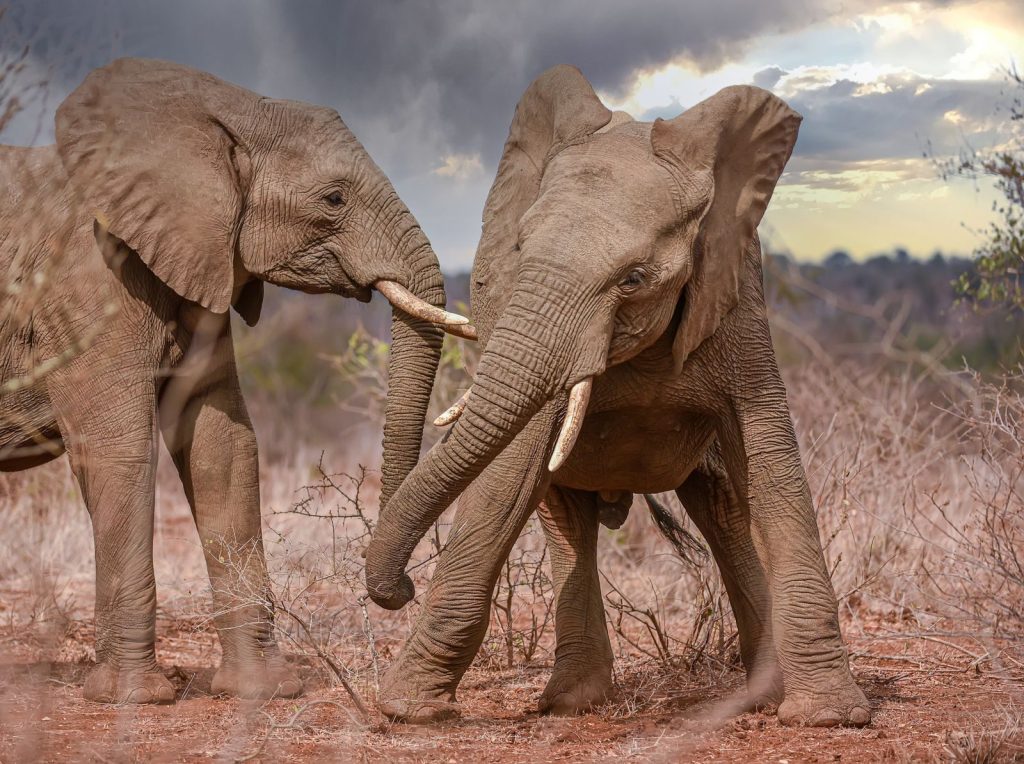
Two African elephants interacting in a brown savanna field under a dramatic sky.
Photo by Frans van Heerden on Pexels

Elephants also enforce boundaries within their own social groups. Smithsonian keepers have watched experienced female Bozie step between other elephants, nudge them with her foot, and use body position when interactions around a calf became too rough.

A Charge Creates Space
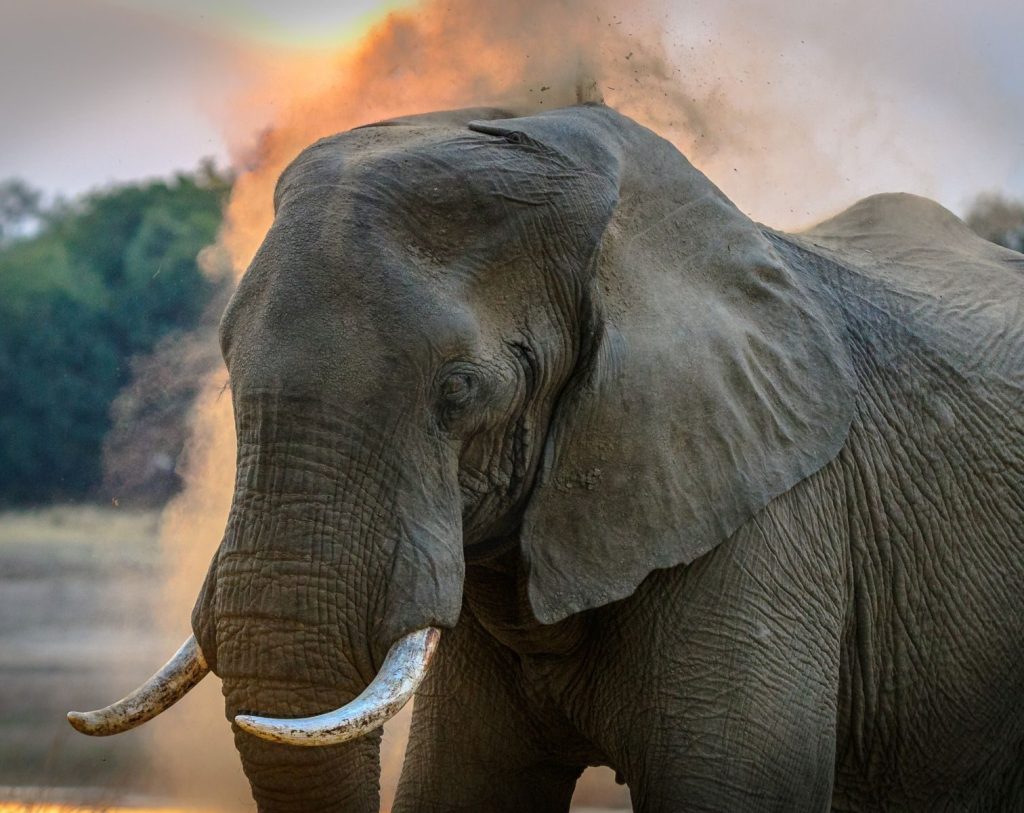
Close-up portrait of a majestic African elephant in Mpika, Zambia during sunset safari.
Photo by Harvey Sapir on Pexels

A short rush may cause another animal to retreat without a prolonged fight. But people should never assume a charge is harmless or “only a bluff.” A several-ton elephant can injure a human, vehicle occupant, or smaller animal before there is time to react.

Humans Receive Warnings Too
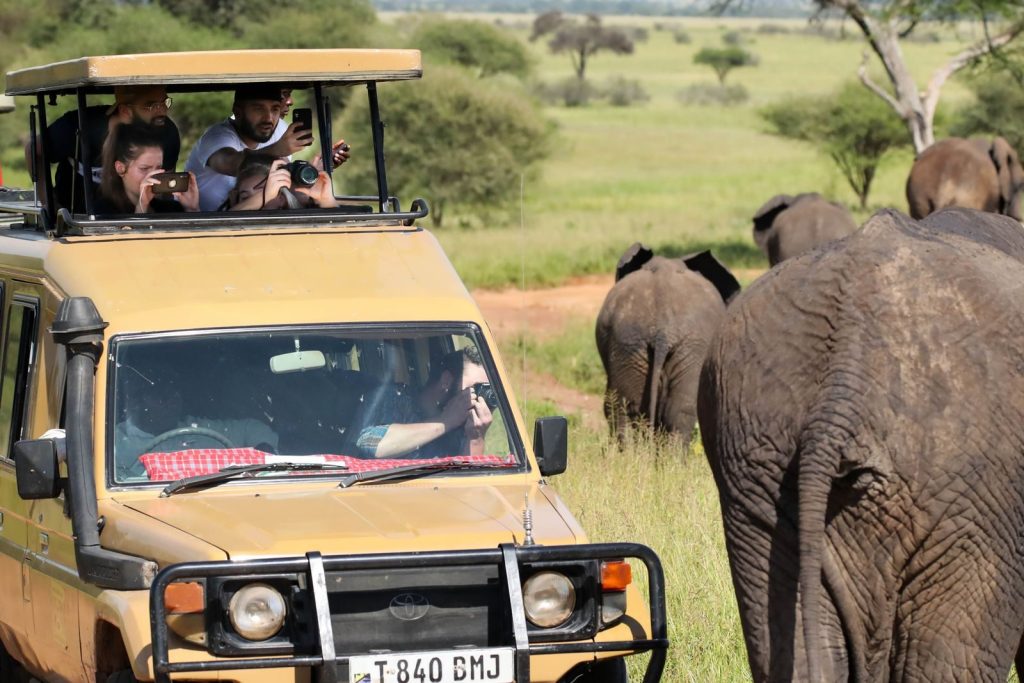
Tourists in a safari vehicle observe and photograph elephants during an African safari.
Photo by Gerbert Voortman on Pexels

A wild elephant does not distinguish tourists as harmless simply because they want photographs. People who block its route, crowd a calf, approach on foot, or push closer in a vehicle can create a dangerous situation. Familiarity with humans also does not make an elephant predictable.

Space Prevents the Conflict
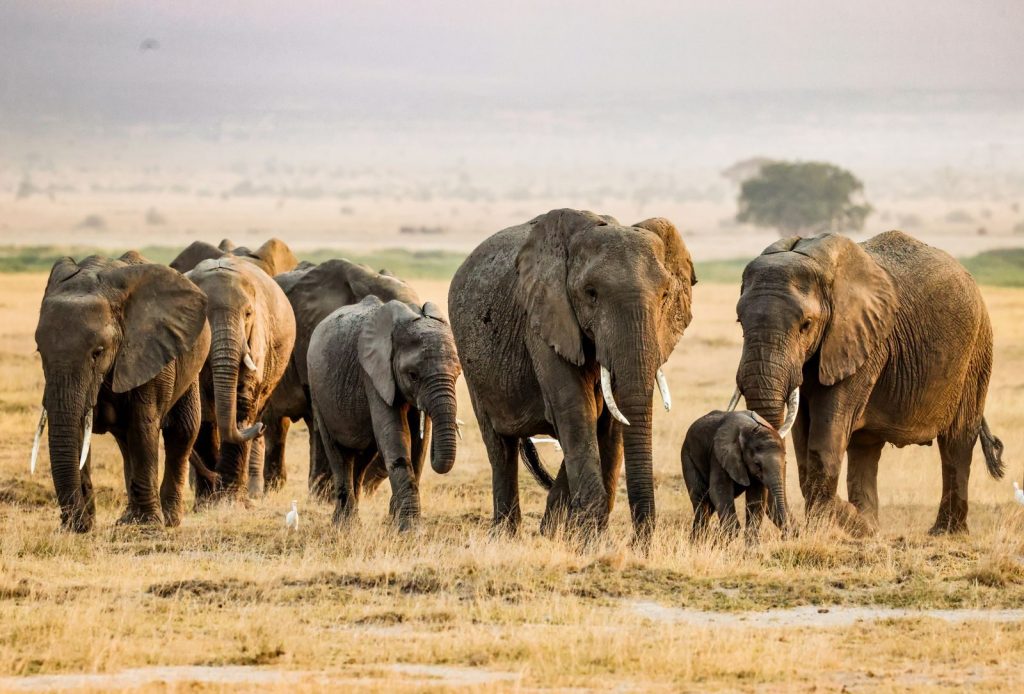
A stunning view of African elephants in the savannah of Kajiado County, Kenya during daytime.
Photo by Fali Poncha on Pexels

The safest encounter ends before the elephant needs to defend itself. Wildlife viewers should follow local guide instructions, remain inside permitted areas, never surround a herd, and leave an obvious escape route. Distance protects both the people and the elephants from an unnecessary confrontation.

Featured Image: Photo by ATHUMAN KOMORA GARISSE on Pexels
Post navigation

Previous: Baby White Rhino Mick Takes His First Outdoor Steps
Next: How an Octopus Hunts With Three Hearts

Related Posts

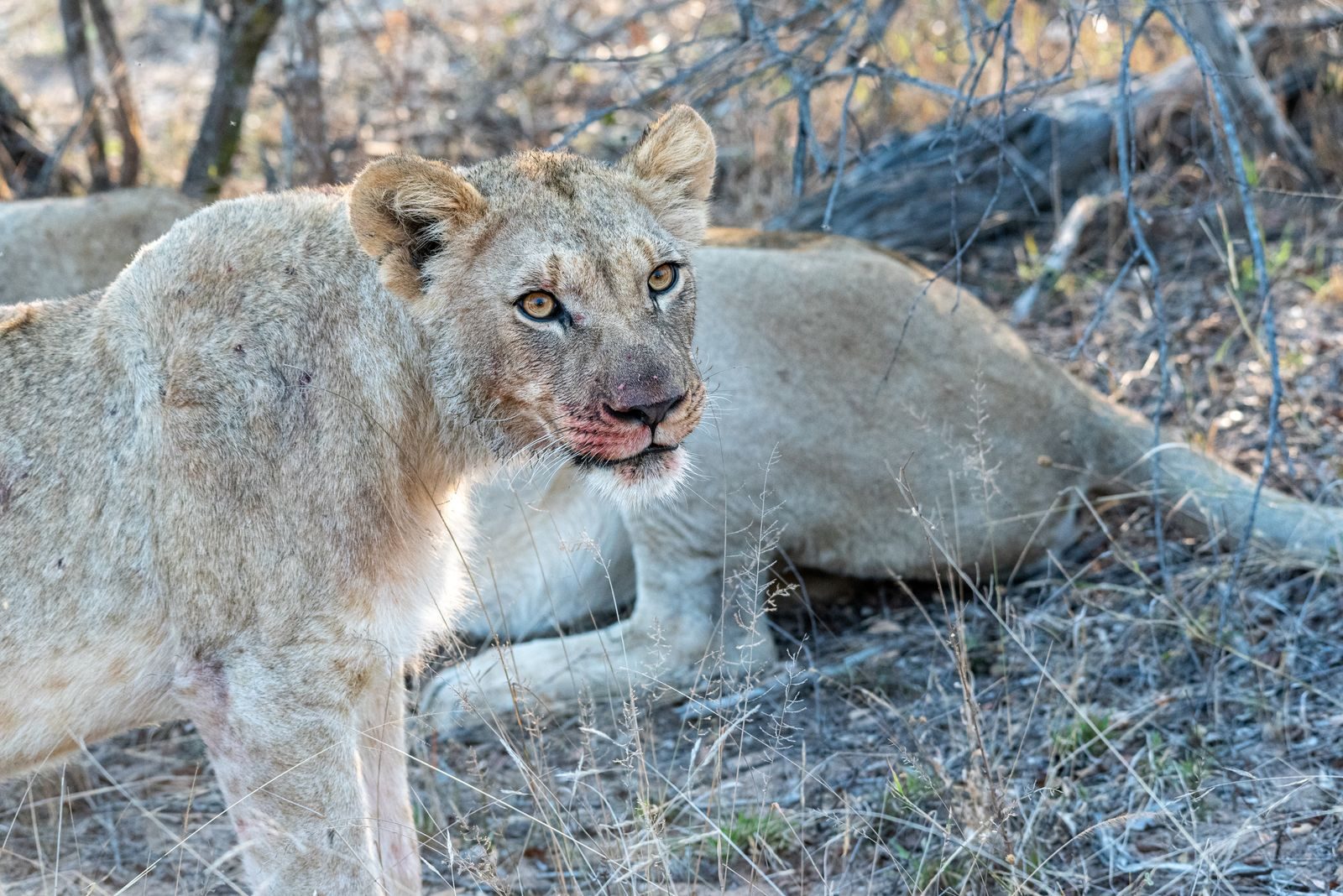
A stunning portrait of lionesses in their natural savannah habitat, showcasing wildlife beauty.

Why Lionesses Chase Hyenas Away From Kills

August 9, 2026August 9, 2026 Jake
Aerial photo showing a seal swimming in turquoise waters near a docked boat.

Seal Escapes Orcas by Jumping Onto a Boat

August 9, 2026August 9, 2026 Jake
whale on body of water during daytime

Sperm Whales Hunt Giant Squid and Carry the Scars

August 9, 2026 Jake

Leave a Reply Cancel reply

Your email address will not be published. Required fields are marked *

Recent Posts

  • Rangers Pull a Giraffe From Deadly Tanzanian Mud
  • How Orcas Surround Prey and Hunt Together
  • How an Octopus Hunts With Three Hearts
  • What Elephants Do When Others Get Too Close
  • Baby White Rhino Mick Takes His First Outdoor Steps
Copyright All Rights Reserved | Theme: BlockWP by Candid Themes.