Offering food to a wild animal can feel generous, especially when the animal seems hungry or approaches willingly. Wildlife managers warn that the opposite may happen. Repeated feeding teaches animals that people are a source of easy food, a process known as food conditioning. That learned association can encourage increasingly bold and sometimes aggressive behavior.
The consequences can be serious for both sides. People can be bitten, charged, or injured, while animals that repeatedly threaten humans may ultimately have to be removed or killed. Feeding can also alter natural behavior and diets. The safest wildlife encounter is therefore one in which the animal leaves without receiving anything from the people watching it.
Bears
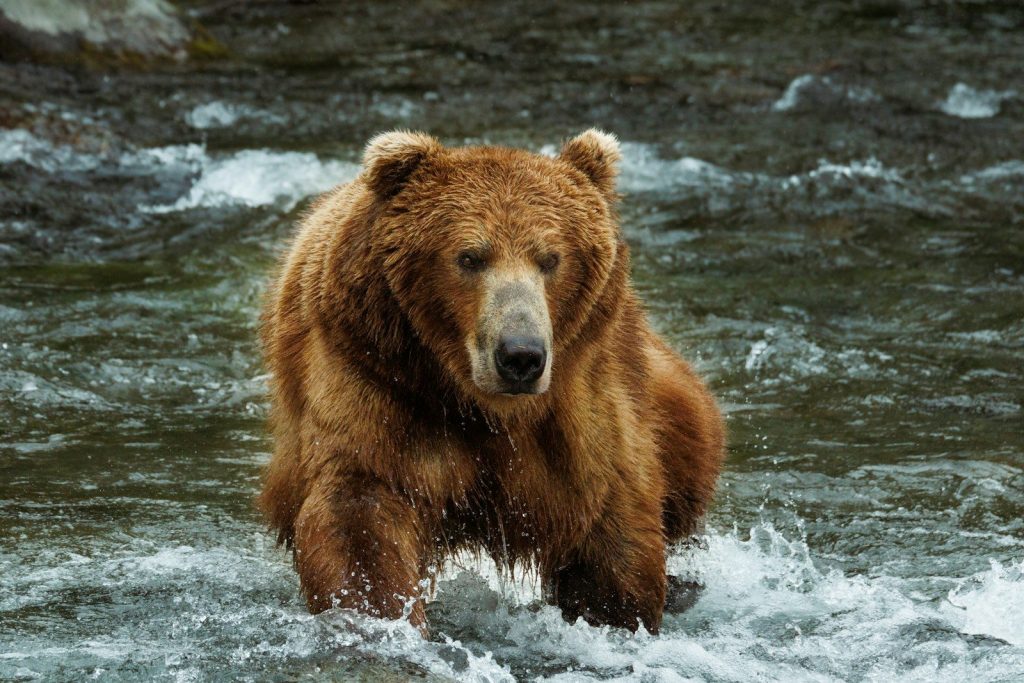
Bears that receive human food can learn surprisingly quickly to search campsites, vehicles, picnic areas, and buildings for another reward. National Park Service guidance warns that food-conditioned bears may lose their natural avoidance of people and become increasingly difficult to manage. Yellowstone’s history shows why strict food-storage and no-feeding rules matter: reducing access to human food has helped reduce dangerous conflicts and the need to remove problem bears. A bear approaching people is not a request for kindness. It is a situation that can escalate rapidly.
Alligators
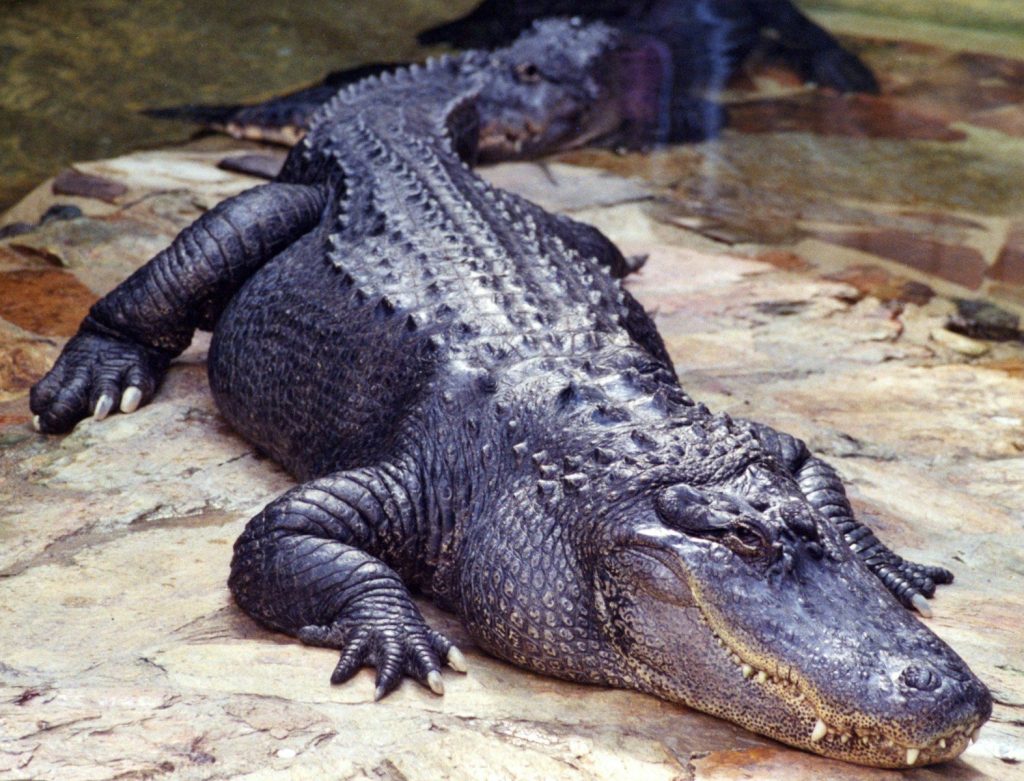
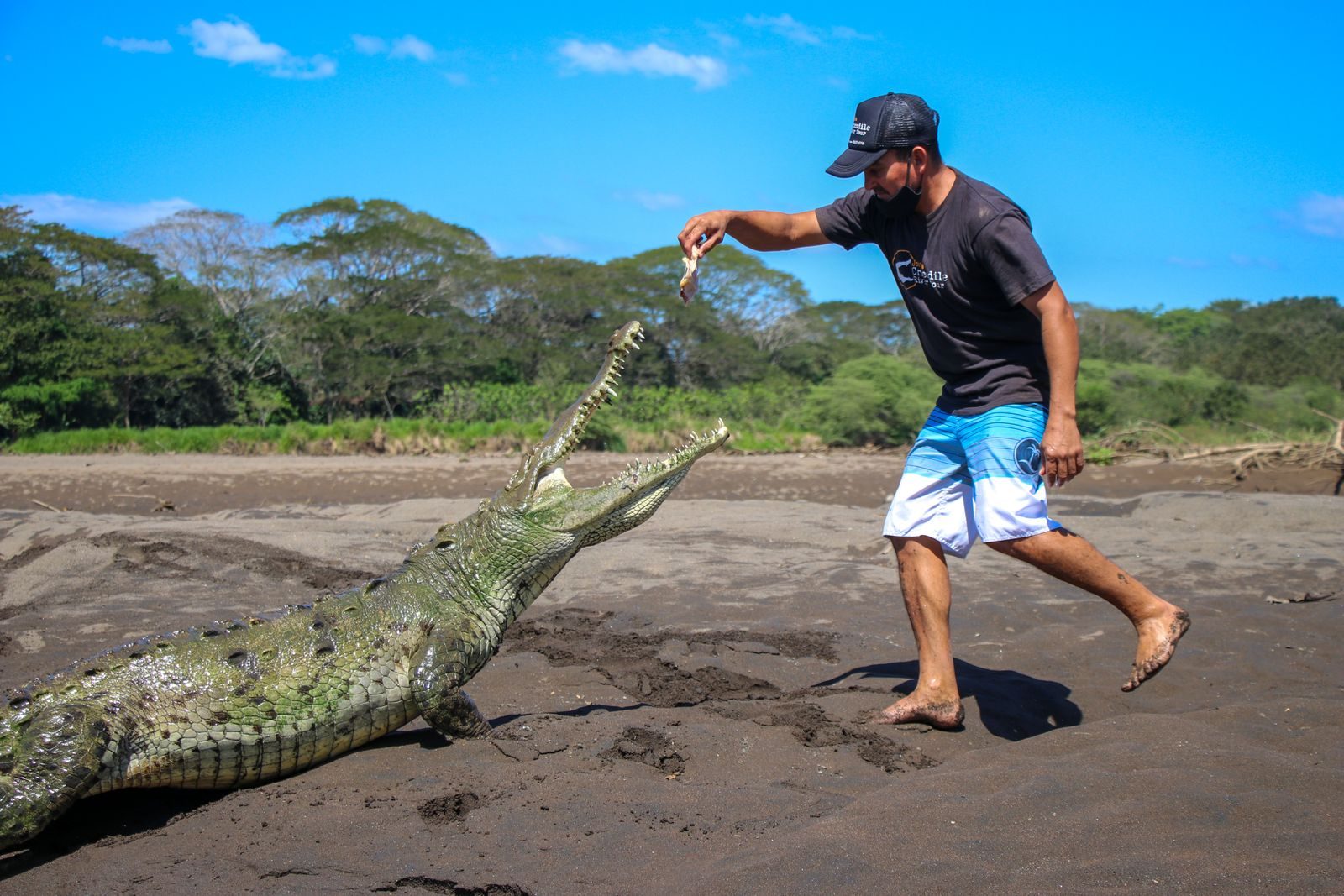
Feeding an alligator can transform the way it responds to people. Florida wildlife authorities explicitly warn that feeding alligators is dangerous and illegal because the reptiles can begin associating humans with food. An animal that once avoided people may start approaching docks, shorelines, boats, or homes expecting another meal. That loss of wariness creates a serious safety problem and can ultimately result in the alligator being classified as a nuisance. The rule is simple: never feed one, even if it appears calm or small.
Dolphins
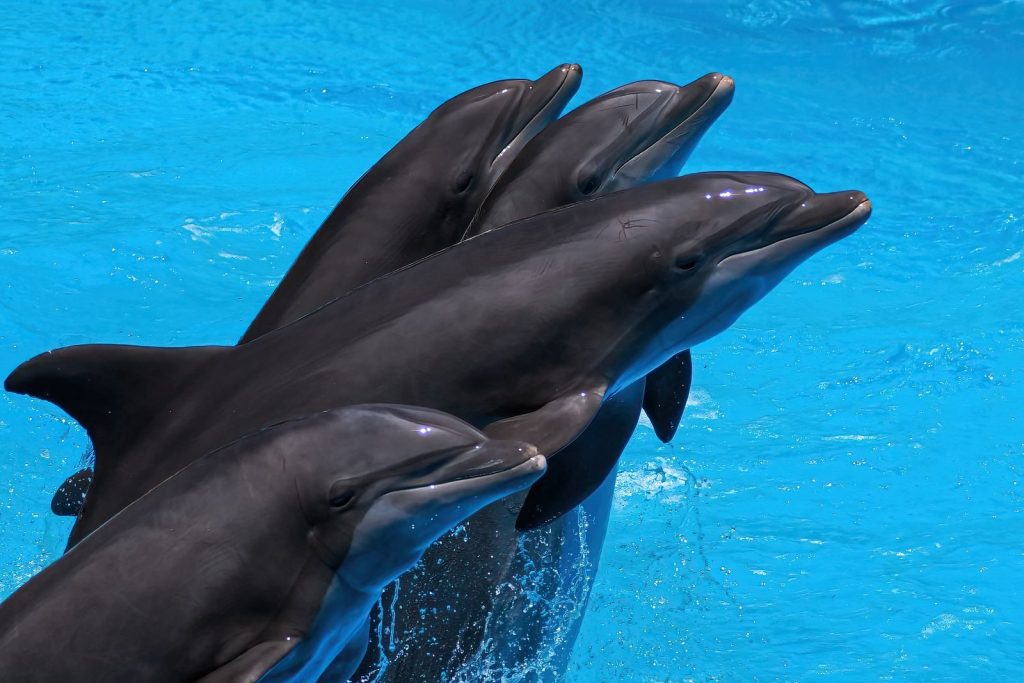
Wild dolphins may seem like ideal animals to feed because of their intelligence and apparent friendliness, but federal authorities warn against it. NOAA says feeding marine mammals such as dolphins is prohibited under the Marine Mammal Protection Act. Provisioning can alter natural foraging, encourage animals to approach vessels, and make them associate people with food. Habituated dolphins can also become pushy or aggressive when the expected reward does not appear. Watching natural hunting and social behavior from an appropriate distance is far healthier than turning a wild dolphin into a regular visitor for handouts.
Sea Lions
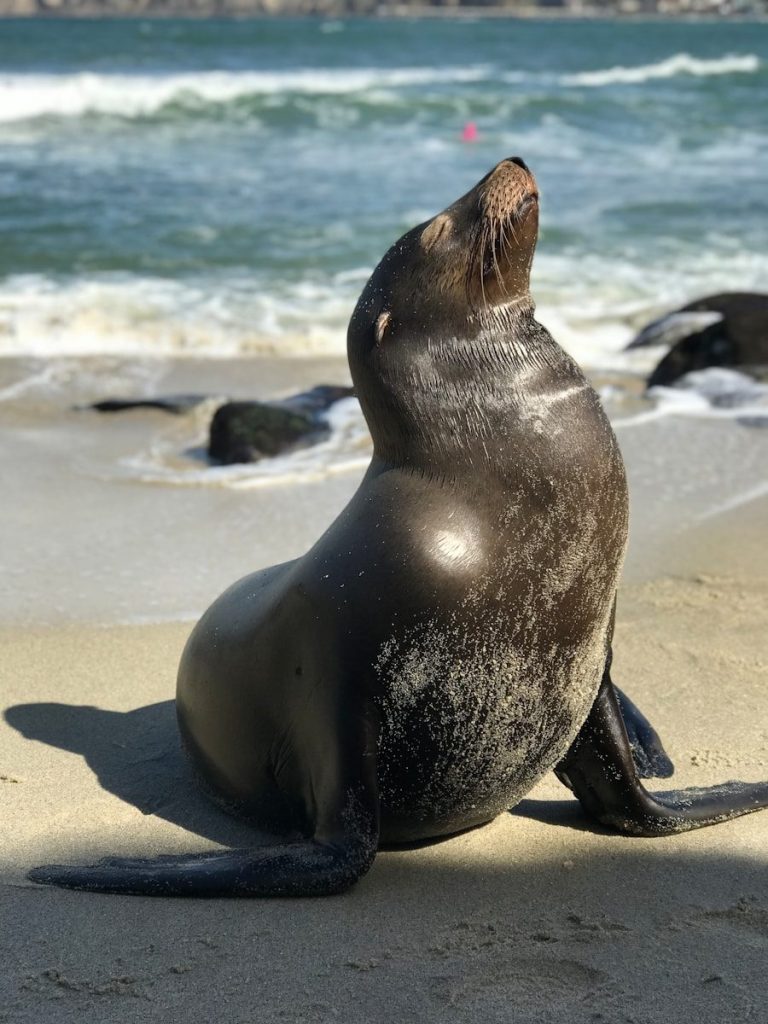
Sea lions are another marine mammal that can become dangerously accustomed to human food. NOAA warns that feeding wild seals and sea lions is prohibited and can change their behavior around people and boats. An animal repeatedly rewarded near docks may begin approaching more aggressively, increasing the possibility of bites or other injuries. Sea lions are fast, strong predators with substantial teeth despite their playful reputation. Food should be secured around waterfront areas, and fish scraps should never be deliberately offered to animals waiting near boats or cleaning stations.
Elk
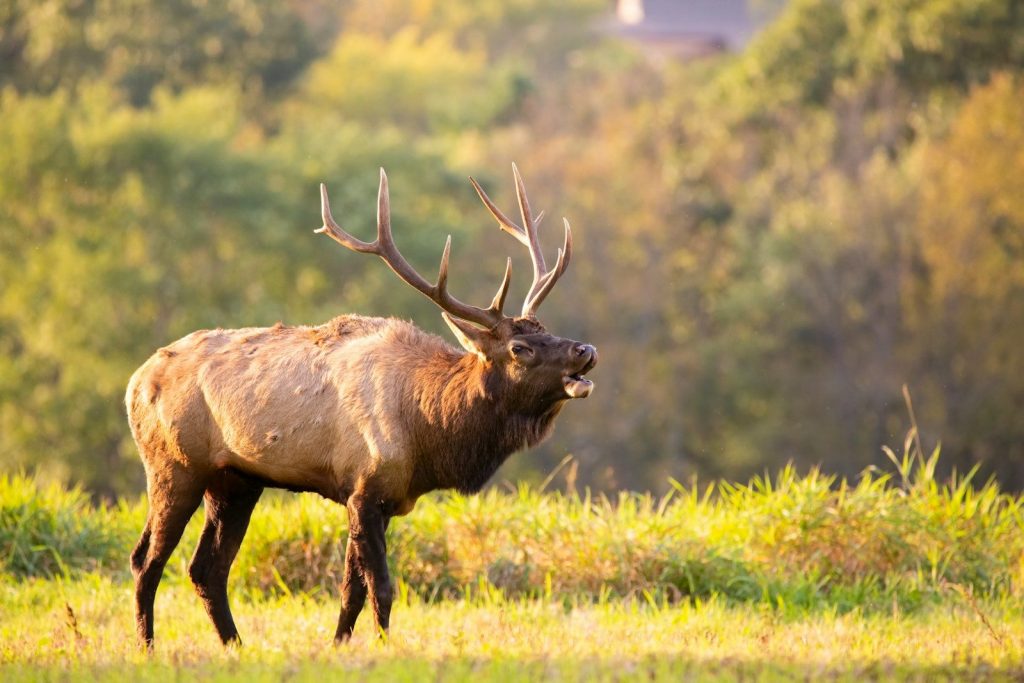
Elk may appear gentle while grazing, but they are large wild animals capable of causing severe injury with hooves and antlers. Habituation around developed areas can reduce the distance they normally maintain from humans. Feeding reinforces that problem by encouraging animals to approach rather than move away. National Park Service guidance repeatedly stresses that food should never be used to lure wildlife closer. During calving and breeding seasons especially, defensive or aggressive behavior can escalate quickly. A seemingly harmless snack can therefore contribute to a dangerous pattern of repeated human contact.
Deer
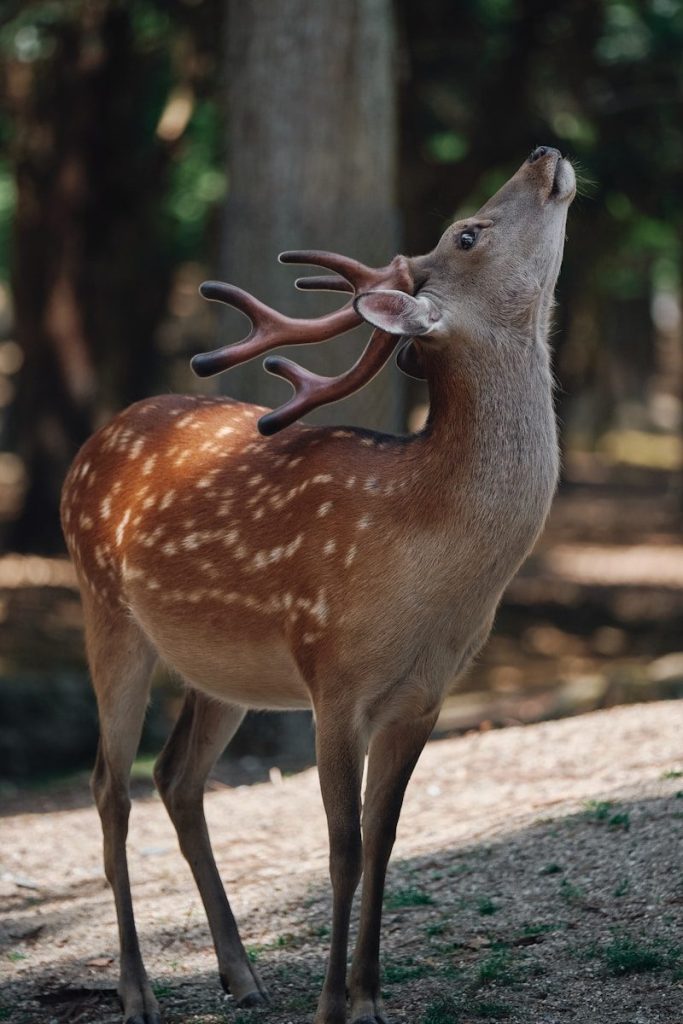
Deer are among the animals people most often feel comfortable feeding in gardens, parks, and campgrounds. Yet their familiarity can create risk. The National Park Service warns that food-conditioned wildlife may actively approach people, while deer still possess powerful hooves and, in males, antlers. Feeding also concentrates animals unnaturally and changes normal movement patterns. An animal that walks confidently toward one person may behave similarly toward children, pets, or another visitor who has no food to offer. Keeping deer wild means allowing them to forage naturally instead.
Mountain Goats
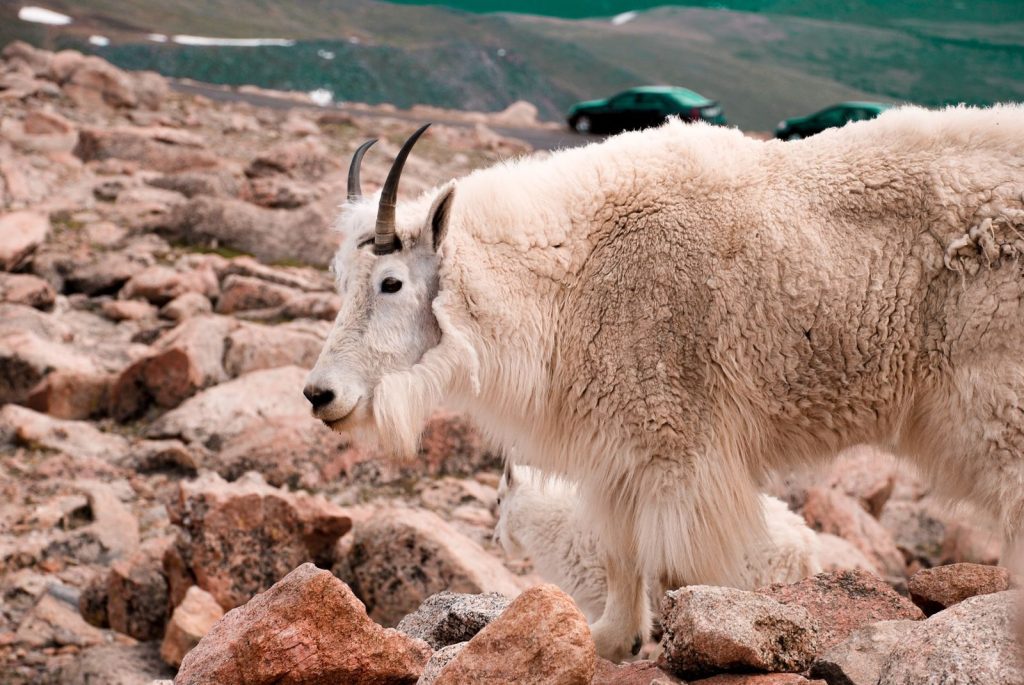
Mountain goats can become unusually persistent where hikers repeatedly provide food or allow them access to salty items. National Park Service guidance warns that habituated mountain goats and similar ungulates can become aggressive, using horns, hooves, or body weight when people stand between them and something they want. Their white coats and calm appearance should not disguise the fact that they are powerful wild animals. Keeping food packed away and maintaining distance prevents the animal from learning that approaching hikers is an effective strategy for obtaining a reward.
Raccoons
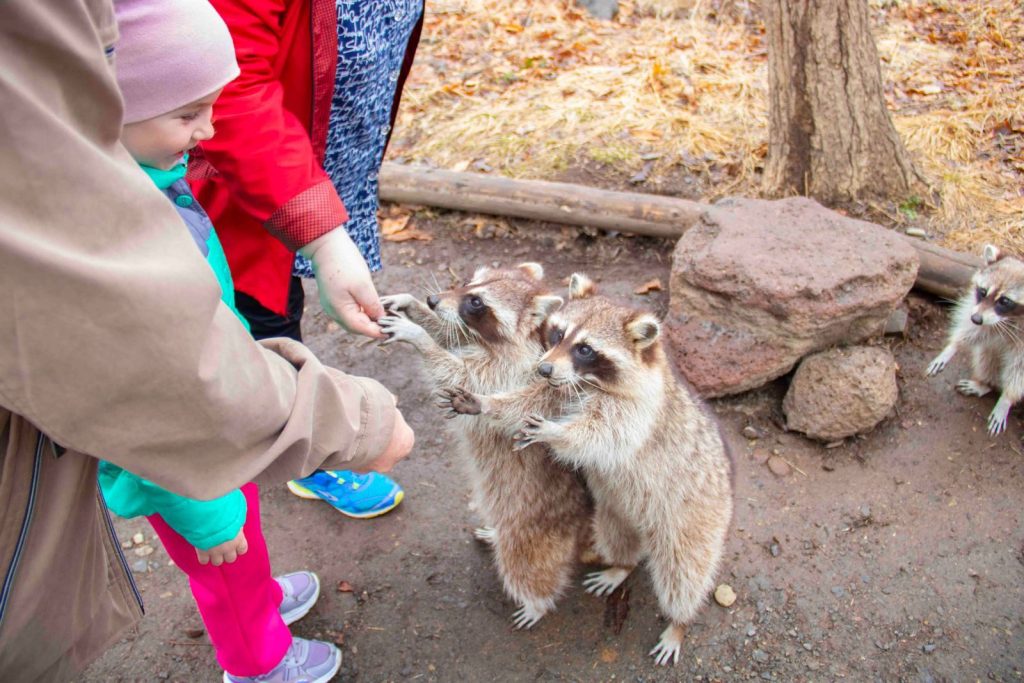
Raccoons thrive around human development partly because they are highly adaptable foragers. Deliberate feeding makes that adaptability a problem by teaching animals to revisit homes, campsites, garbage areas, and patios. Wildlife accustomed to handouts may become bolder and more willing to approach people closely. Raccoons can also bite and carry diseases, making close contact unnecessary and risky. Secure trash, pet food, and outdoor meals rather than rewarding repeated visits. The goal is not to punish an animal for appearing nearby, but to prevent it from learning a dangerous habit.
Featured Image: Photo by Shae Devereaux on Pexels