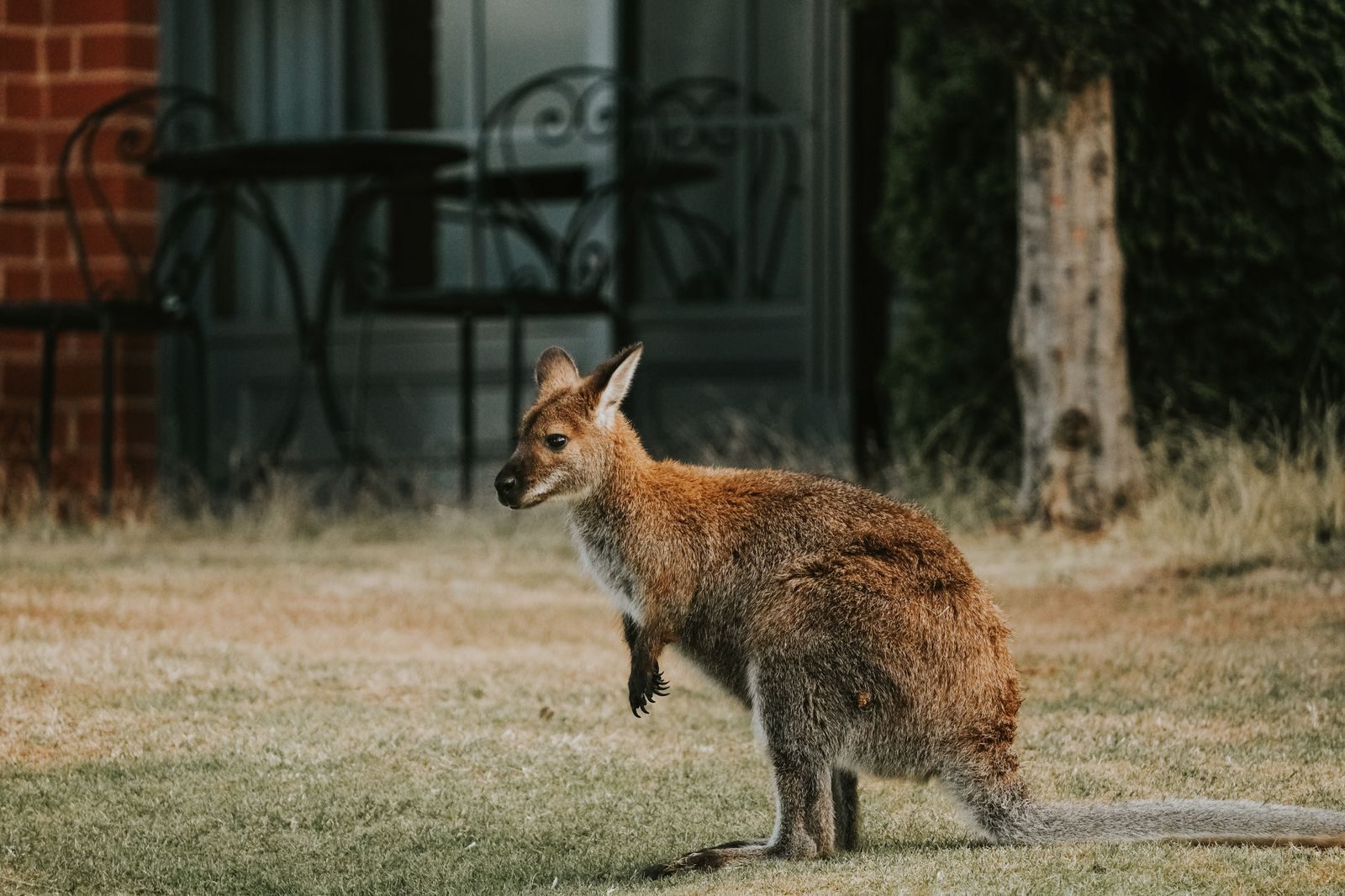
Finding wildlife in a yard does not automatically give a property owner the legal right to capture, relocate, destroy, or kill it. In the United States, federal wildlife laws overlap with state and local regulations, and the rules vary according to species, location, season, nests, and the type of action being considered.
The safest approach is to identify the animal and check with the appropriate wildlife authority before acting. The examples below illustrate situations in which legal protection or permitting may restrict removal. They are not a universal list for every U.S. state, and some examples are specifically governed by Florida regulations. Professional advice may prevent both harm to wildlife and an expensive legal mistake.
Migratory Birds
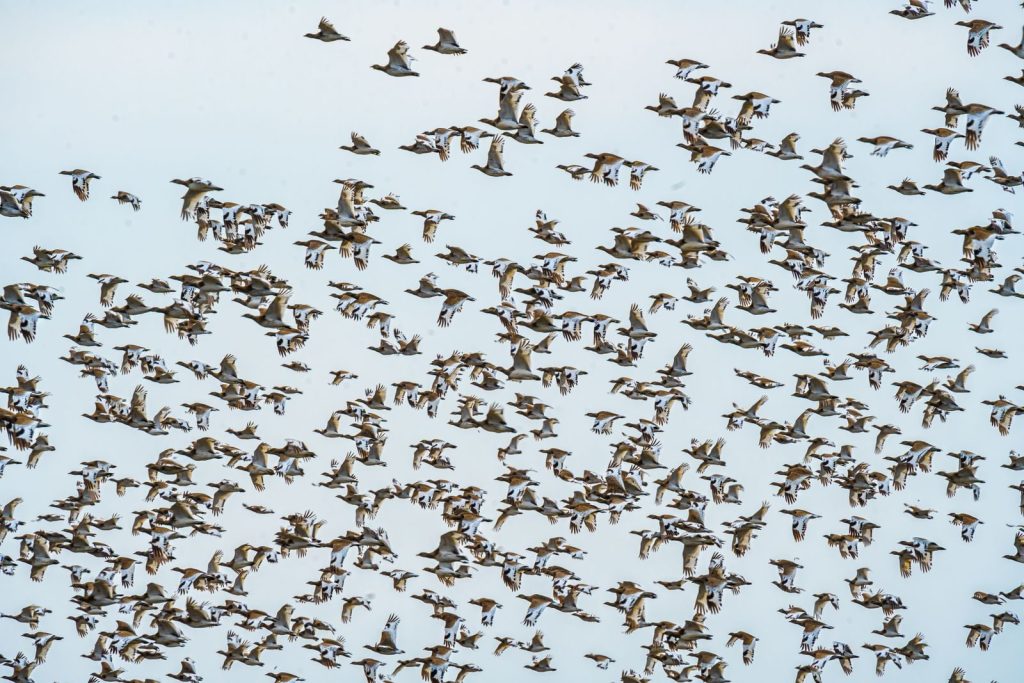
Many native birds encountered around American homes are protected by the federal Migratory Bird Treaty Act. The law restricts unauthorized “take,” which can include capturing or killing protected birds and, in relevant circumstances, disturbing protected nesting activity. That means an inconvenient nest cannot always simply be knocked down because it sits near a porch, roof, or landscaping project. Rules depend on the species and situation, so homeowners should identify the bird and contact wildlife authorities when uncertain rather than assuming that ownership of the property overrides federal wildlife protection.
Bald Eagles

Bald eagles receive particularly strong protection under federal law. The U.S. Fish and Wildlife Service states that taking an eagle nest can require a permit, including actions that remove, relocate, destroy, or obstruct protected nests. Unlike ordinary nuisance wildlife, an eagle nesting on or beside private property cannot simply be treated as something the homeowner is free to move. Regulations can apply even when construction or other activity threatens the nest indirectly. Property owners facing such a situation should consult federal wildlife officials before making physical changes.
Gopher Tortoises

In Florida, gopher tortoises and their burrows are protected by state law. The Florida Fish and Wildlife Conservation Commission warns that a relocation permit is required before activities that capture, possess, move, or disturb tortoises and their burrows in situations covered by the rules. Construction close to an occupied burrow can therefore create a legal issue even when the tortoise is on private land. The correct response is not to pick up the animal and drive it elsewhere, but to follow approved relocation and permitting procedures.
American Alligators

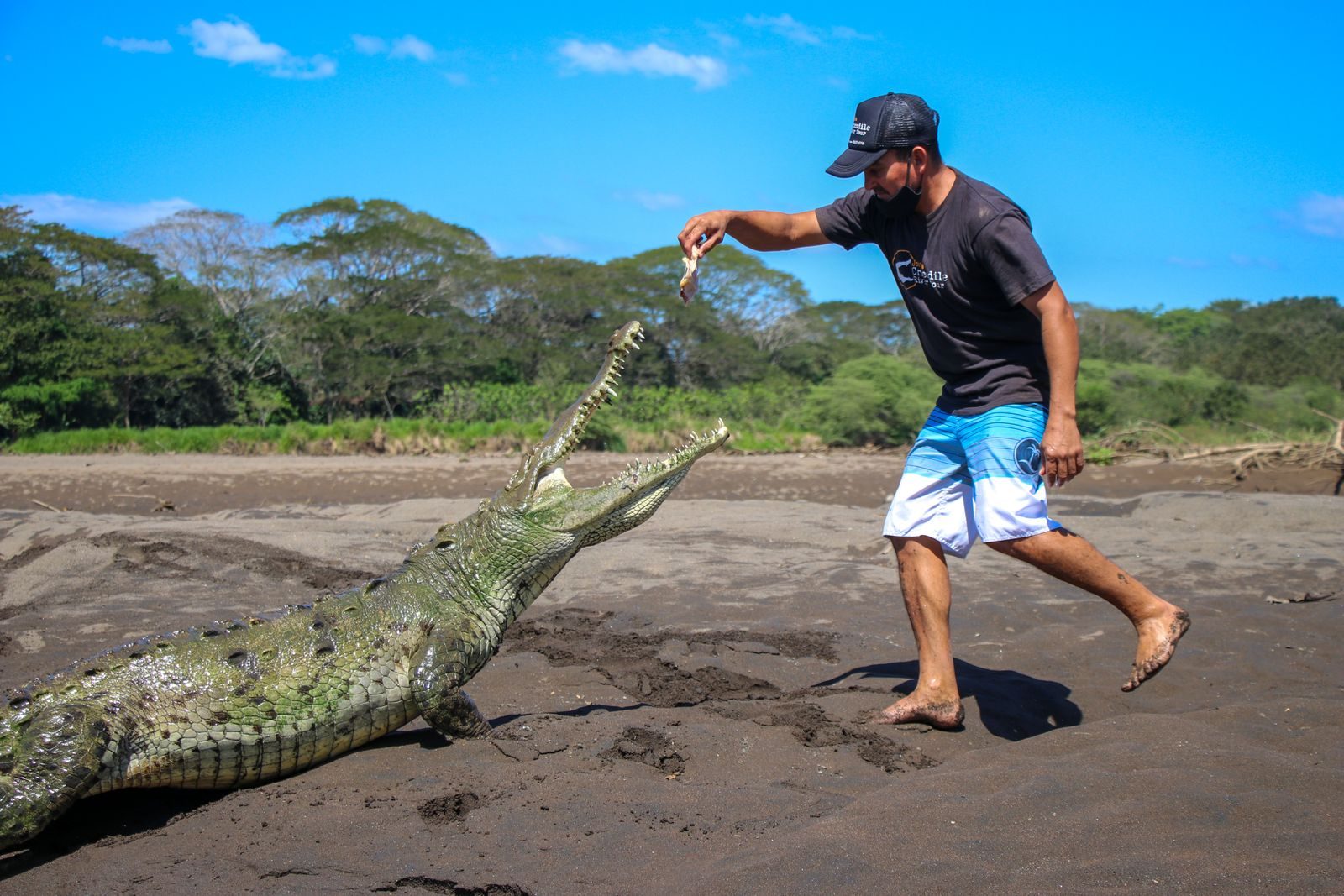
A large alligator appearing beside a Florida home is understandably alarming, but residents should not automatically attempt to capture or relocate it themselves. Florida operates a Statewide Nuisance Alligator Program using authorized nuisance-alligator trappers. Wildlife officials determine how qualifying complaints should be handled. Feeding an alligator can make matters worse by encouraging it to associate people with food and is itself illegal. Calling the appropriate wildlife authority provides a controlled response while avoiding the obvious physical danger and possible legal complications of attempting amateur removal.
Florida Black Bears

Black bears sometimes enter residential areas while searching for unsecured garbage, pet food, birdseed, or other attractants. In Florida, bears are among the species for which nuisance-wildlife rules can involve additional legal restrictions rather than unrestricted removal. The preferred first response is usually to remove attractants and prevent repeated access rather than confronting or relocating a bear independently. Because regulations differ across states, anyone dealing with a bear near a home should contact the relevant wildlife agency and follow its instructions instead of assuming ordinary nuisance-animal rules apply.
Bats
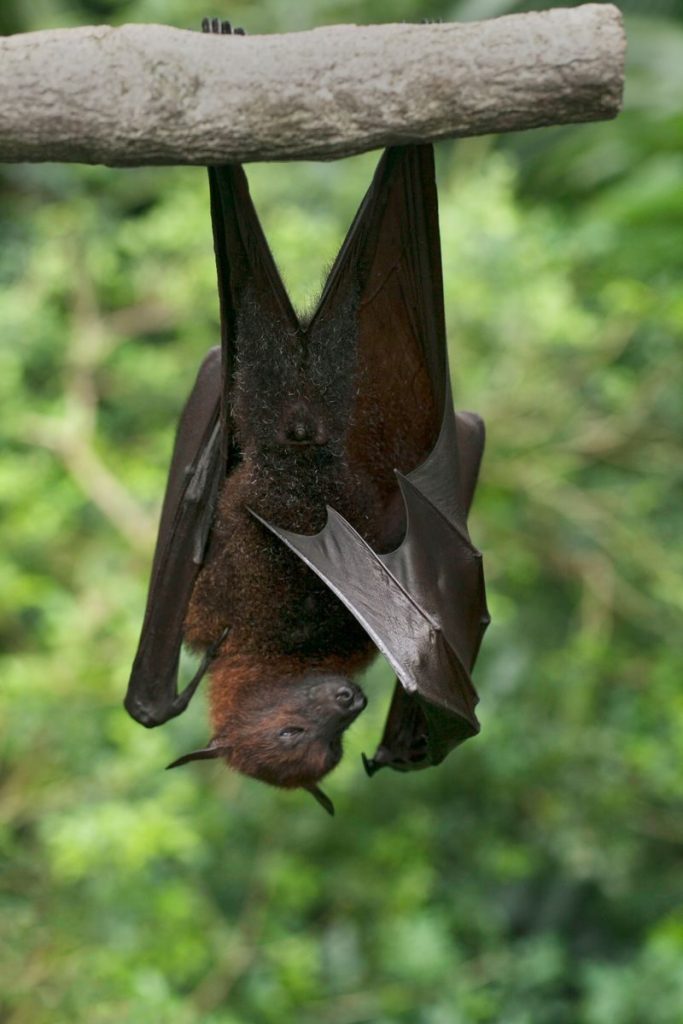
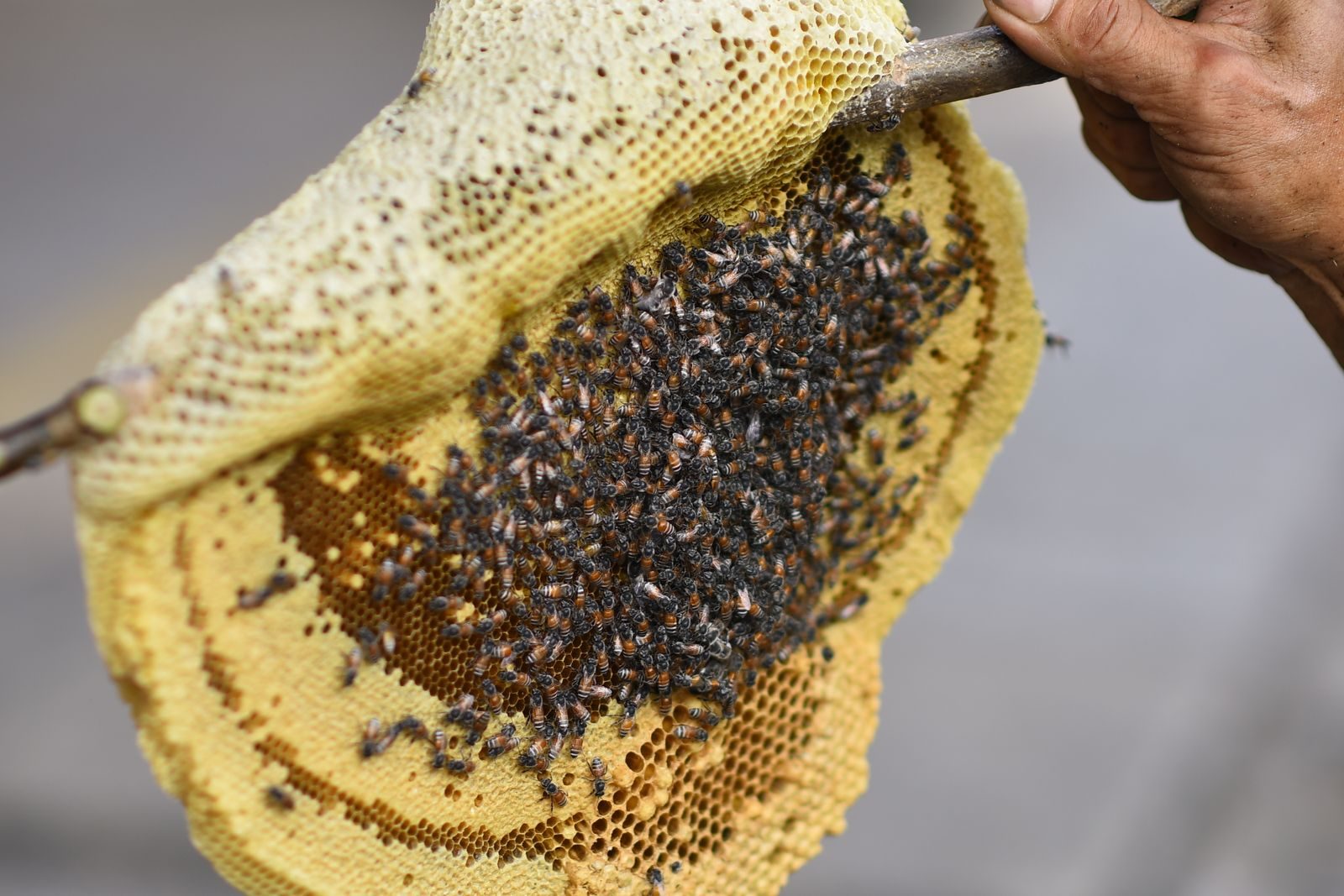
Bats occupying buildings can create understandable concern, but removal is not always as simple as sealing every opening immediately. Wildlife regulations may protect particular species or restrict how exclusion is performed, particularly when dependent young may be present. Florida’s nuisance-wildlife guidance specifically identifies bats among animals for which additional rules can apply. Homeowners should therefore identify the situation and use approved exclusion practices rather than trapping, poisoning, or sealing animals inside a structure. Local wildlife authorities can provide the current timing and legal requirements for the area involved.
White-Tailed Deer

A deer eating flowers or landscaping may be frustrating, but nuisance-wildlife laws do not automatically permit lethal or physical removal. Florida wildlife guidance lists deer among animals whose take may be prohibited or subject to additional permits. Similar restrictions exist in many jurisdictions because deer are managed wildlife rather than unregulated pests. Nonlethal deterrence such as appropriate fencing is often a safer starting point. Anyone considering capture or lethal control should first check the exact state and local rules, because what is legal during one season or location may be prohibited in another.
Featured Image: Photo by Valeriia Miller on Pexels