Extinction dates are often less certain than they appear. An animal may disappear decades before scientists gather enough evidence to declare that no surviving population remains.
These eight species were formally declared extinct or lost their last known individual during the 21st century. Their stories show why conservation action becomes much harder once populations fall to only a handful of animals.
Pinta Island Tortoise

Lonesome George, the last known pure Pinta Island giant tortoise, died on June 24, 2012. His death marked the extinction of Chelonoidis abingdoni. Introduced goats had devastated vegetation on Pinta, while earlier hunting had already reduced the tortoise population. Individuals with partial Pinta ancestry still survive, but no pure animals are known.
Christmas Island Forest Skink
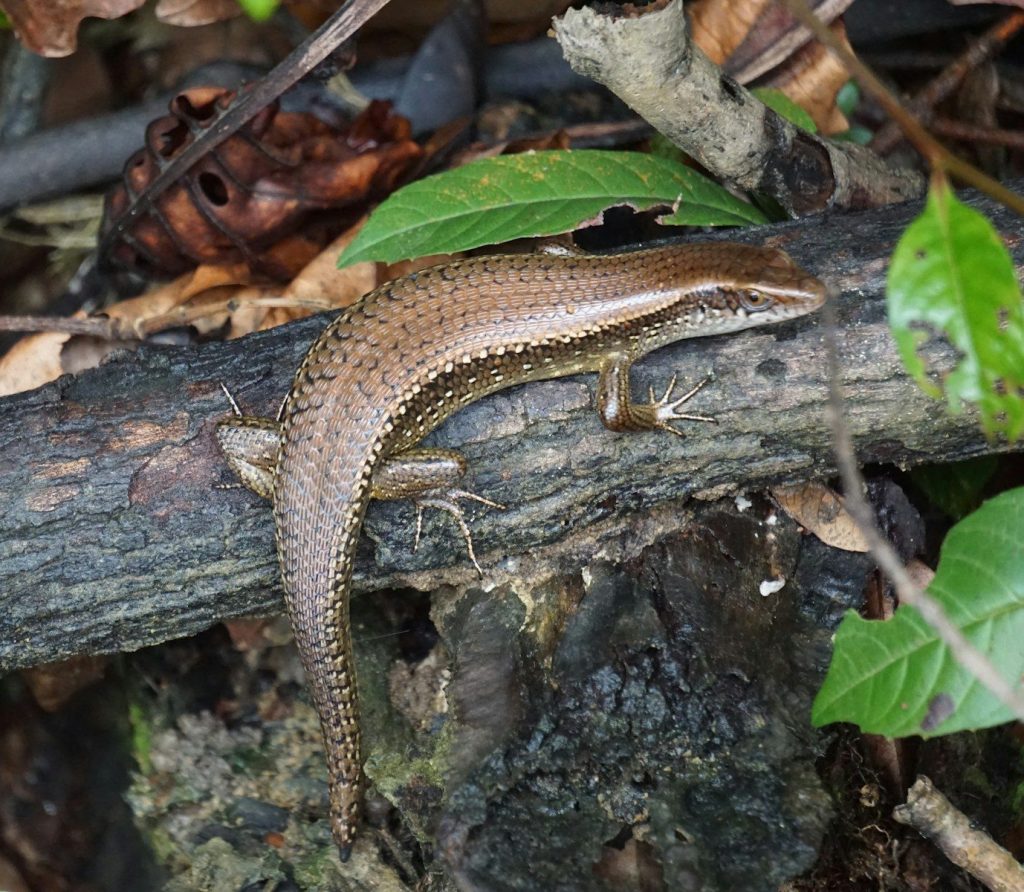
The Christmas Island forest skink was last seen in the wild in 2010. The final known individual, a female kept in captivity, died in 2014. Australia formally transferred the species to Extinct in 2021. Introduced predators, invasive species, disease and major ecological changes on Christmas Island contributed to severe declines in native reptiles.
Christmas Island Pipistrelle

This tiny insect-eating bat underwent an extraordinarily rapid decline. By 2009, searches detected only a few remaining individuals, and attempts to establish an emergency captive population came too late. Australia now regards the endemic Christmas Island pipistrelle as one of the island’s recent extinctions.
Bramble Cay Melomys

The Bramble Cay melomys was a small rodent restricted to one low-lying island in the Torres Strait. Australia lists it among the country’s three most recent confirmed island extinctions. Loss of vegetation and repeated seawater flooding damaged its extremely limited habitat, making it a prominent example of climate-related extinction risk.
Kauaʻi ʻŌʻō
The Kauaʻi ʻōʻō was a Hawaiian forest bird whose last confirmed observation occurred in 1987. In 2023, the U.S. Fish and Wildlife Service formally removed it from the Endangered Species Act list because it was extinct. Habitat destruction, introduced predators and mosquito-borne diseases transformed Hawaiian bird communities.
Bridled White-Eye
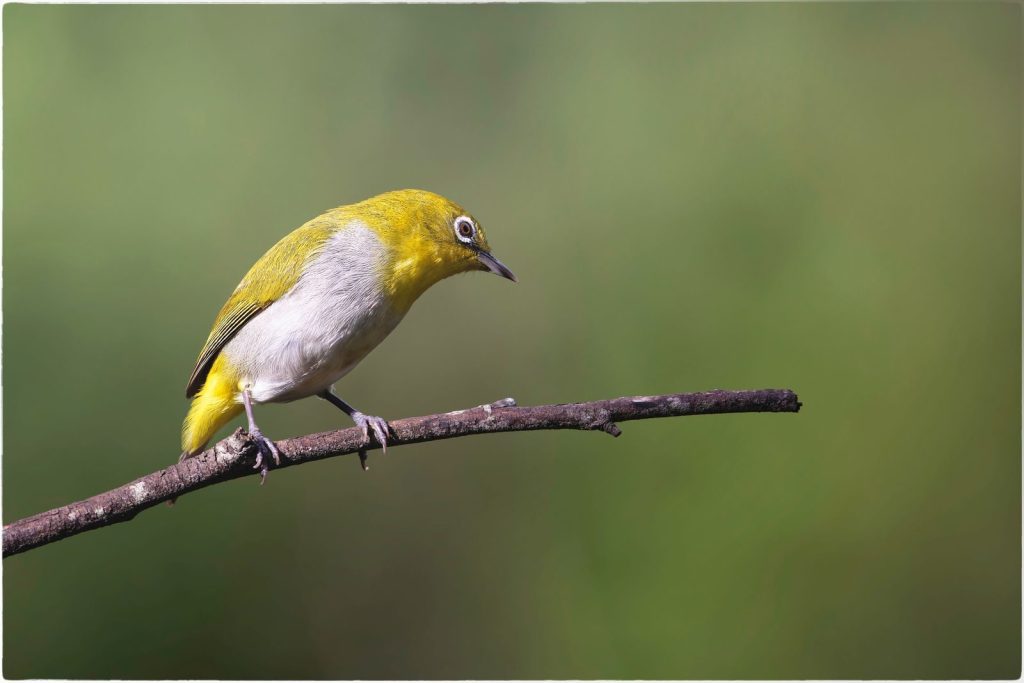
The bridled white-eye was native to Guam and was last confirmed in 1983. The U.S. Fish and Wildlife Service formally declared it extinct when 21 lost species were delisted in 2023. The invasive brown tree snake severely affected Guam’s native birds after spreading across the island.
Little Mariana Fruit Bat
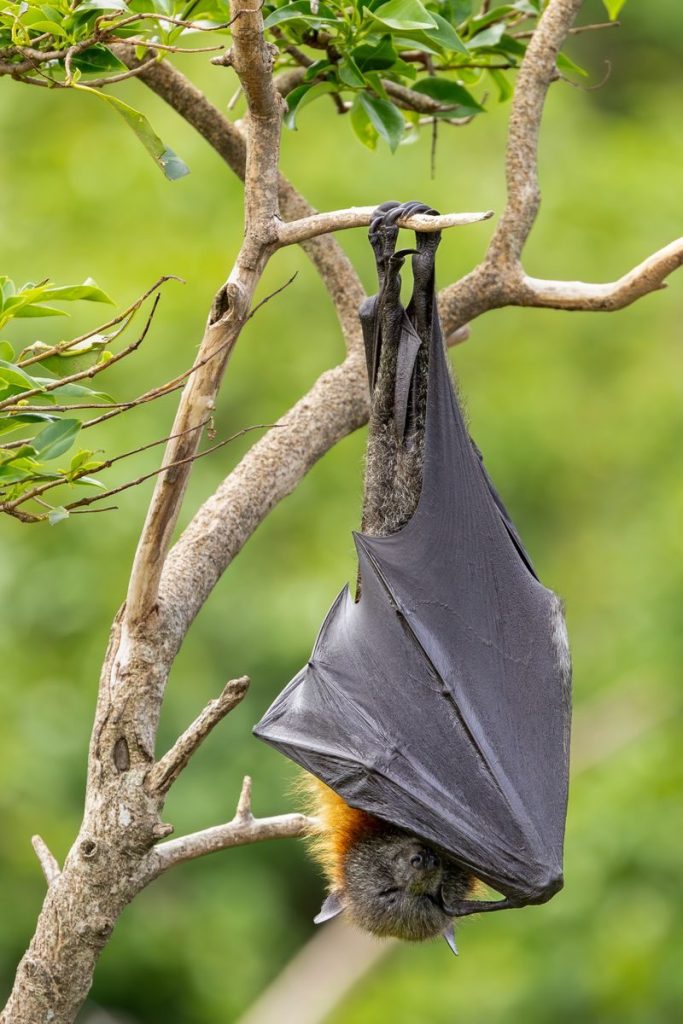
The little Mariana fruit bat was known from Guam and was last confirmed in 1968, but its extinction was not formally recognised under the U.S. Endangered Species Act until 2023. Its story shows how a species can disappear long before governments complete the evidence review needed for an official declaration.
Extinction Declarations Come Late

In 2023, the U.S. Fish and Wildlife Service removed 21 species from federal protection because the best available evidence showed they no longer existed. Many had vanished decades earlier. Formal extinction is therefore often the final administrative acknowledgment of a loss that conservationists have feared for years.
Featured Image: Photo by Mitch Mitchell on Unsplash