Skip to content

Recent Posts

  • Australia’s Strangest Animals Look Almost Imagined
  • Eight Australian Snakes Worth Taking Seriously
  • Wild Animals That Make Especially Poor Pets
  • 8 Popular Animal Myths Science Has Debunked
  • How Hornets Build Their Paper Nests

Most Used Categories

  • Nature & Wildlife (726)
  • Risk (69)
  • Human Interest (52)
  • Exotic Animals (25)
  • Survival (24)
  • Hunting (24)
  • Bees/Swarms fear (24)
  • Suspense (19)
  • Adventure (3)
  • Gears (2)
Skip to content
  • About Us
  • Contact Us
  • Disclaimer
  • Privacy Policy
  • Terms & Conditions

Hive Hunters Tales

  • Suspense
  • Nature & Wildlife
  • Human Interest
  • Hunting
  • Bees/Swarms fear
  • Exotic Animals
  • Risk
  • Survival
  • Adventure
  • Gears
  • Home
  • Bees/Swarms fear
  • A Day Harvesting Honey With Azerbaijani Beekeepers
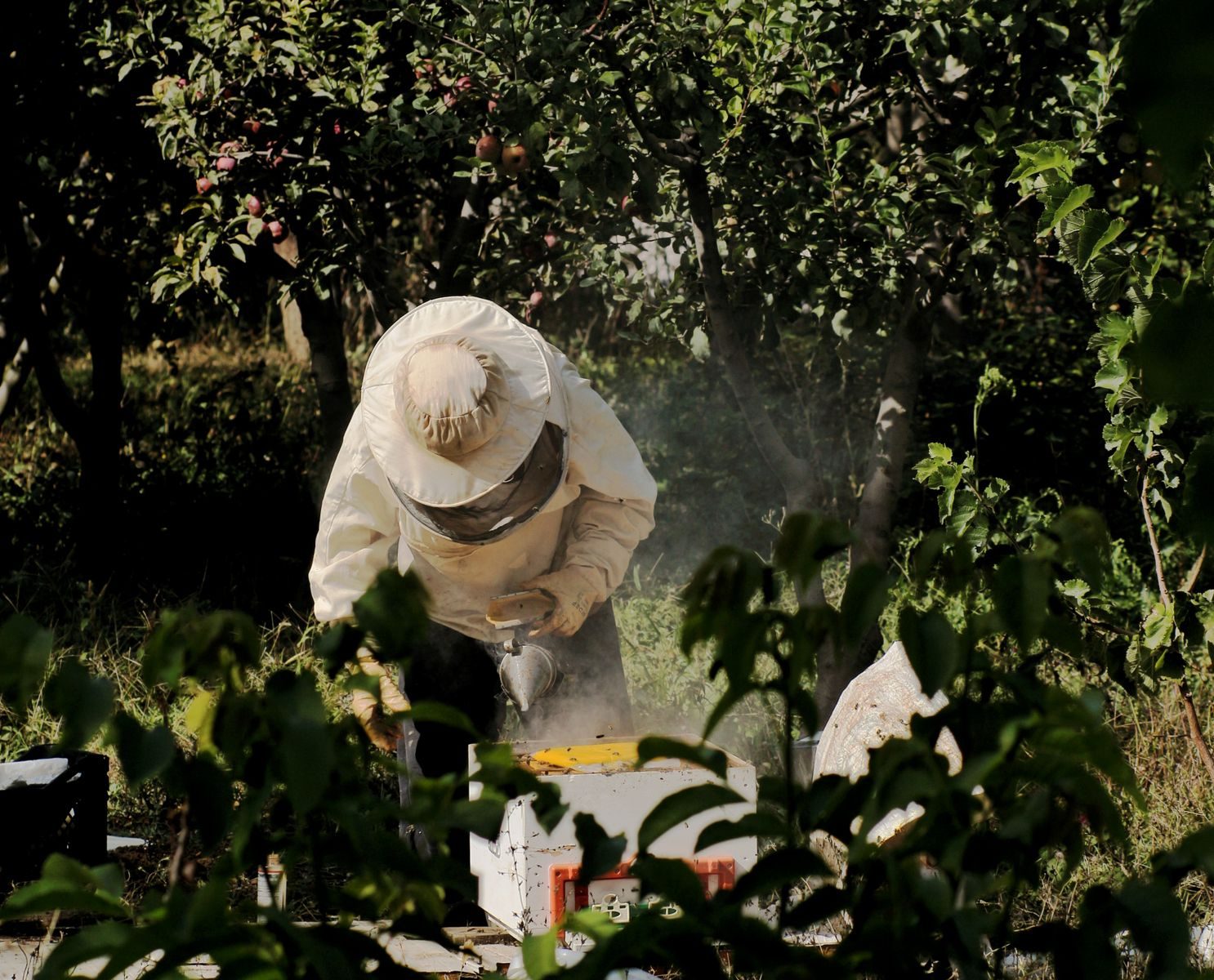
A beekeeper in a protective suit attends to beehives amidst an orchard.

A Day Harvesting Honey With Azerbaijani Beekeepers

JakeAugust 10, 2026August 10, 2026

A 2024 Sweet Village video documented a family in the mountains of Azerbaijan working with beehives, harvesting honey, and later using the honey to prepare a dessert for the family.

The sequence combines practical beekeeping with a long food tradition. Similar family apiaries remain part of rural life in several Azerbaijani regions.

The Day Starts at the Hives
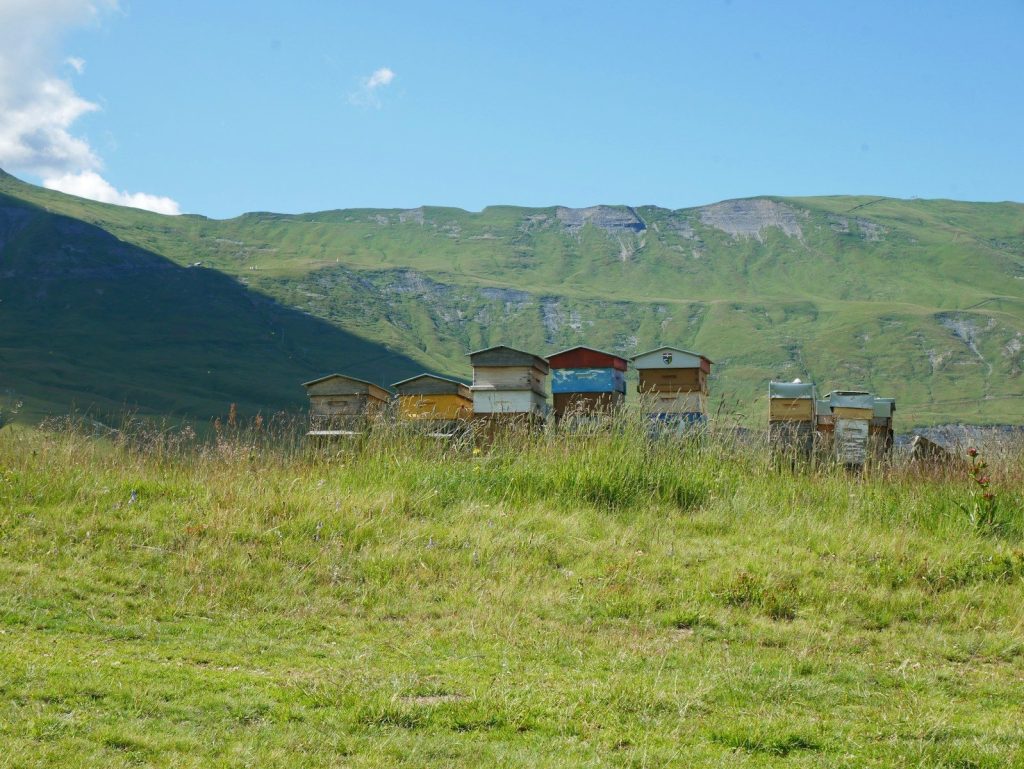
Row of colorful beehives in a grassy field.
Photo by surlemonde on Unsplash

The Sweet Village footage follows family members working among mountain beehives in Azerbaijan. Harvesting begins by examining colonies and identifying comb containing usable honey while avoiding unnecessary disruption to brood and the bees’ own food requirements.

Protective Gear Matters

Beekeeper in protective yellow suit and veil inspecting a honeycomb outdoors with bees.
Photo by Vitaly Gariev on Pexels

Beekeepers working open colonies may use veils, appropriate clothing, gloves, and smokers depending on their management style. Calm handling is important because crushing bees or making sudden movements can increase defensive behavior around the hive.

Honeycomb Shows the Colony’s Work
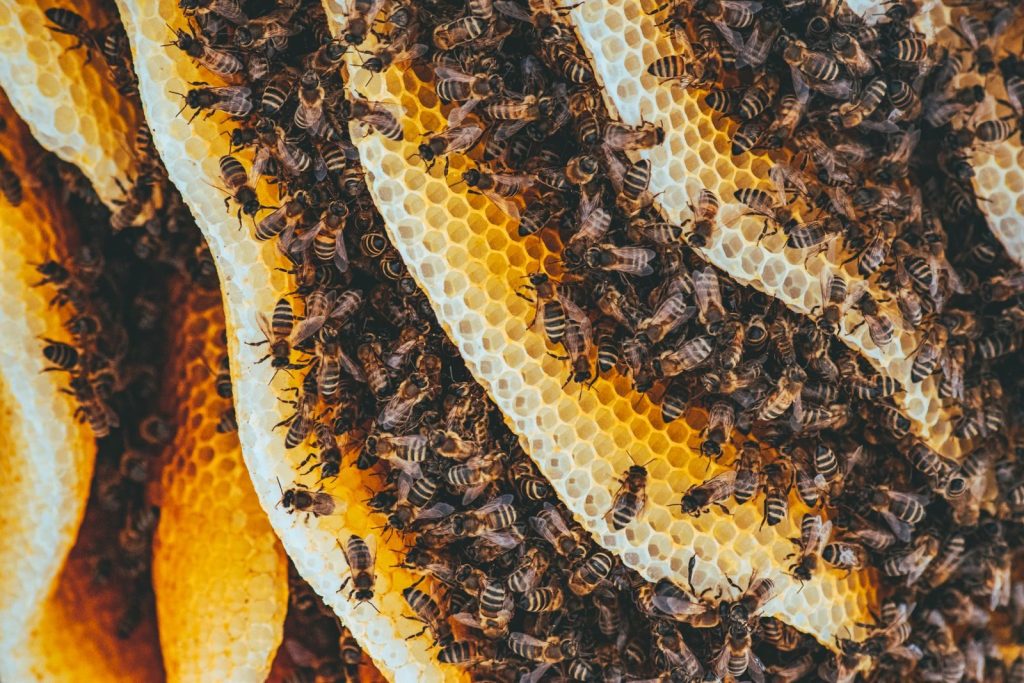
Detailed shot of honeybees on honeycomb showcasing nature's intricate patterns and teamwork.
Photo by Ion Ceban @ionelceban on Pexels

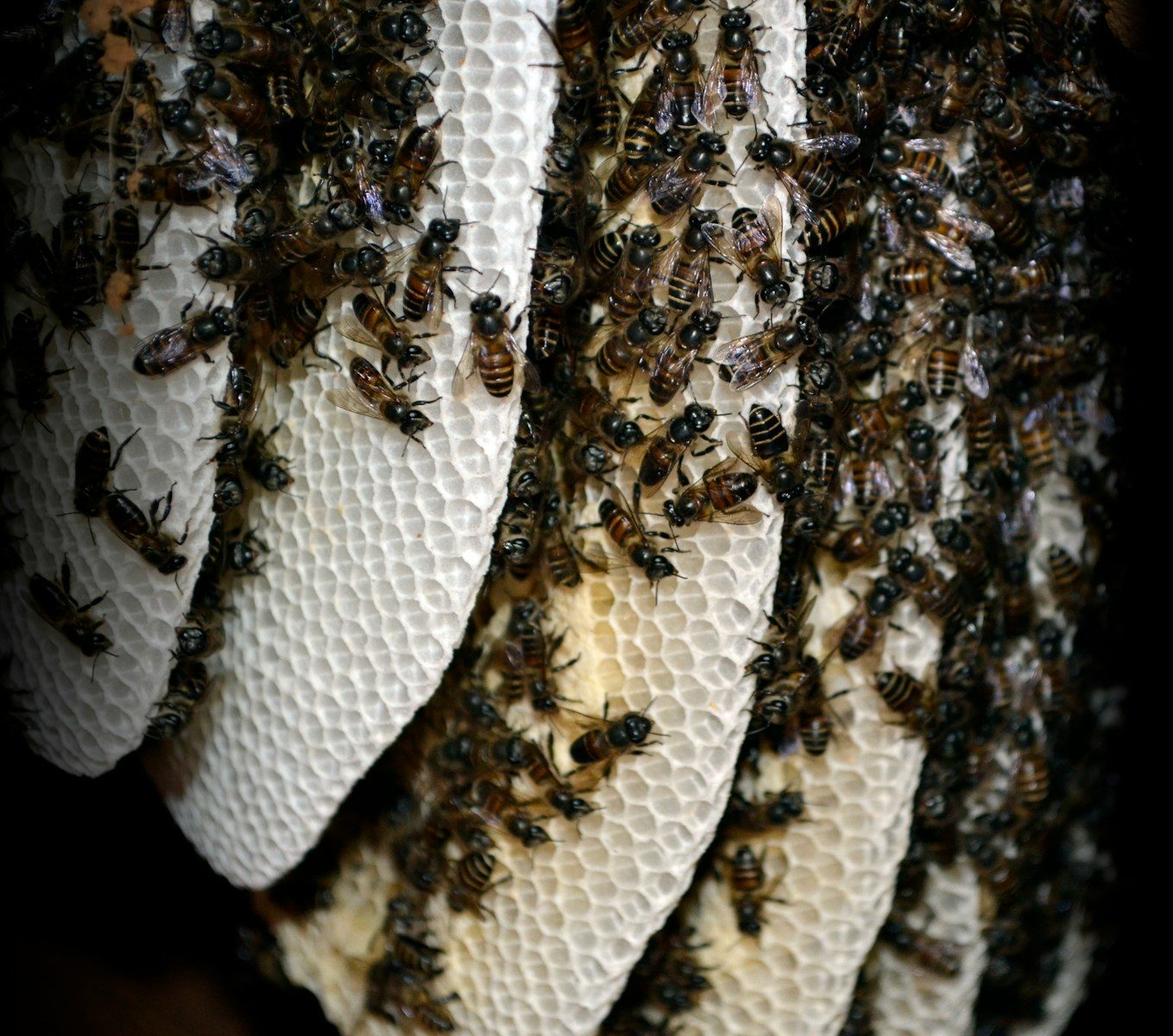
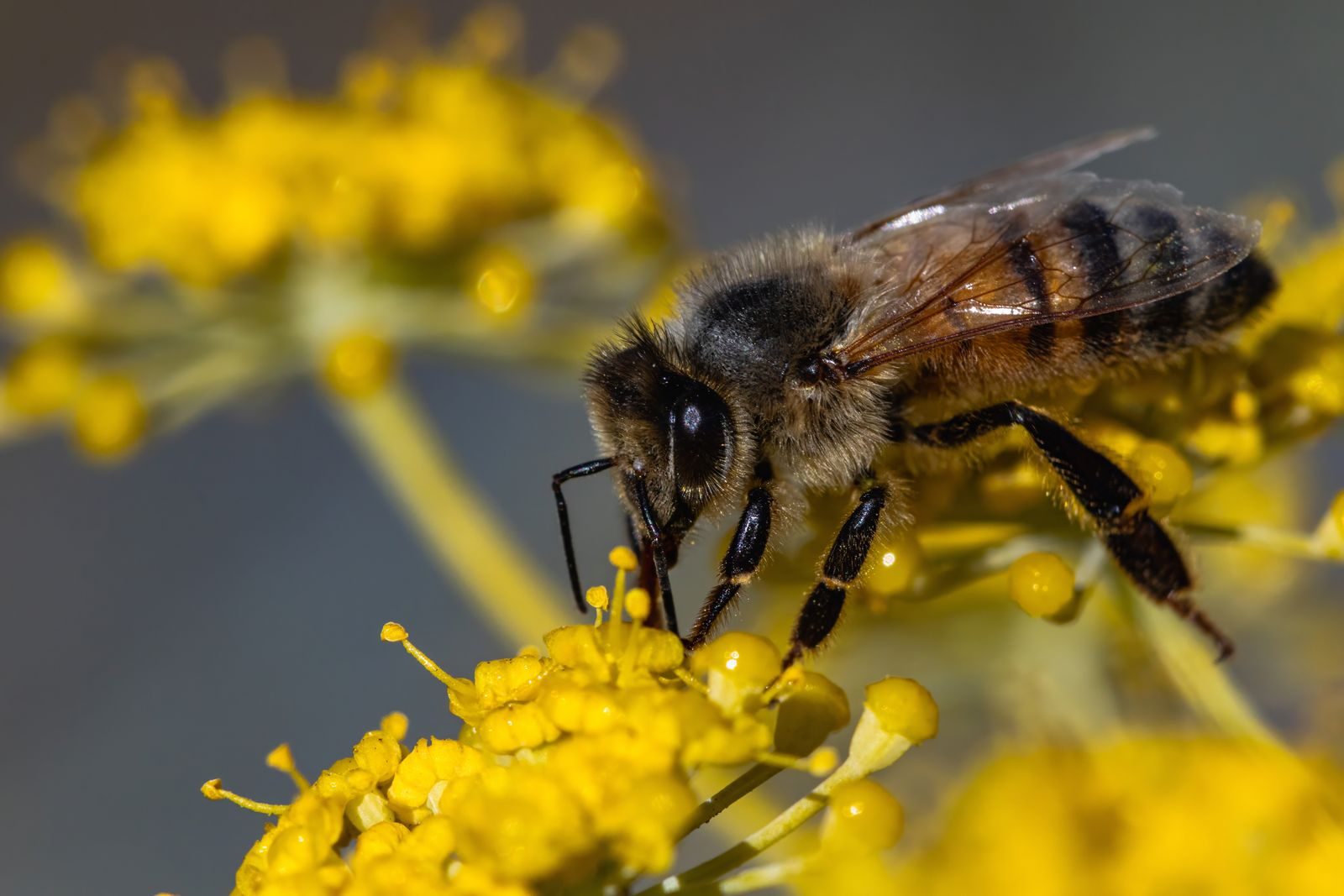
Worker bees collect nectar and transform it inside the colony before storing it in wax cells. Mature honey is capped with wax, giving beekeepers a visible sign that much of its moisture has been removed and the food is ready for long-term storage.

Azerbaijan Has Family Apiaries

Two beekeepers in protective gear examining hive frames in a sunny outdoor apiary.
Photo by Francisco Angulo Blanco on Pexels

Api Delta near Lekit offers another example of Azerbaijani family beekeeping. Badraddin Hasratov and his sons manage about 300 colonies while teaching visitors both modern methods and older beekeeping traditions.

Beekeeping Supports Rural Skills
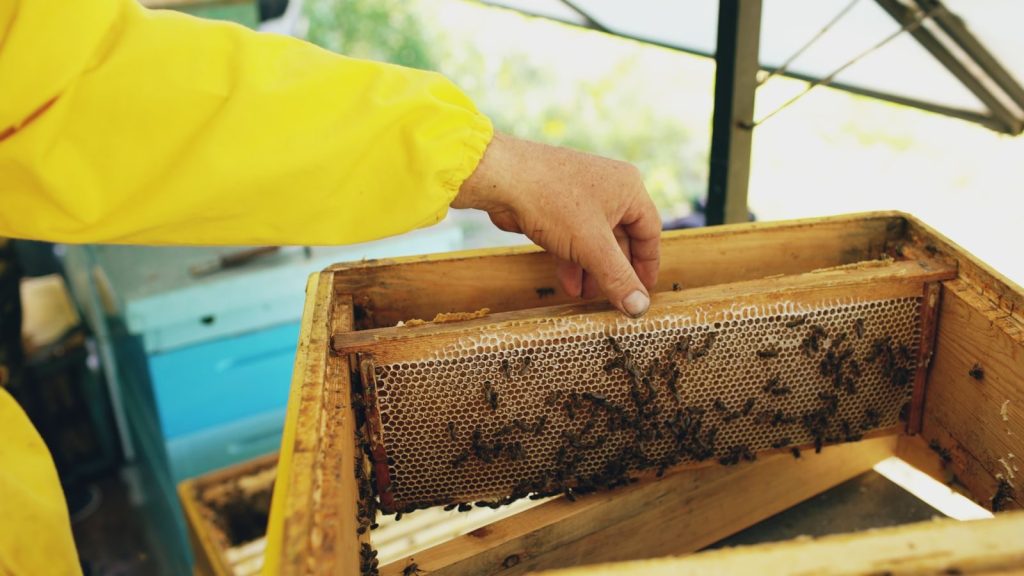
Close-up of a beekeeper's hand examining a honeycomb frame inside a hive.
Photo by Vitaly Gariev on Pexels

FAO projects in Azerbaijan have included training and equipment aimed at helping younger rural residents learn apiculture. Photographs from Bilasuvar in 2024 documented beekeeper Isgandar Shiralizada and his uncle inspecting honeycomb as part of an agricultural employment initiative.

Honey Moves Into the Kitchen

A delicious breakfast scene with honey spread on bread, enhancing the morning meal.
Photo by Ubeydulah Beşir KÖROĞLU on Pexels

The Sweet Village family used their harvested honey to prepare a sweet honey cake. This connects the apiary directly to household cooking: a product collected from bees becomes an ingredient rather than simply something bottled for sale.

Honey Reflects Local Flowers

Bright pink alpine flowers with a dramatic mountain backdrop.
Photo by Lorenza Magnaghi on Pexels

The flavor, aroma, and color of honey depend strongly on the plants visited by bees. Azerbaijan’s varied landscapes can therefore produce distinctive local honeys. Beekeeping attractions in Lankaran specifically highlight tasting honey associated with regional biodiversity.

Tradition Meets Modern Management
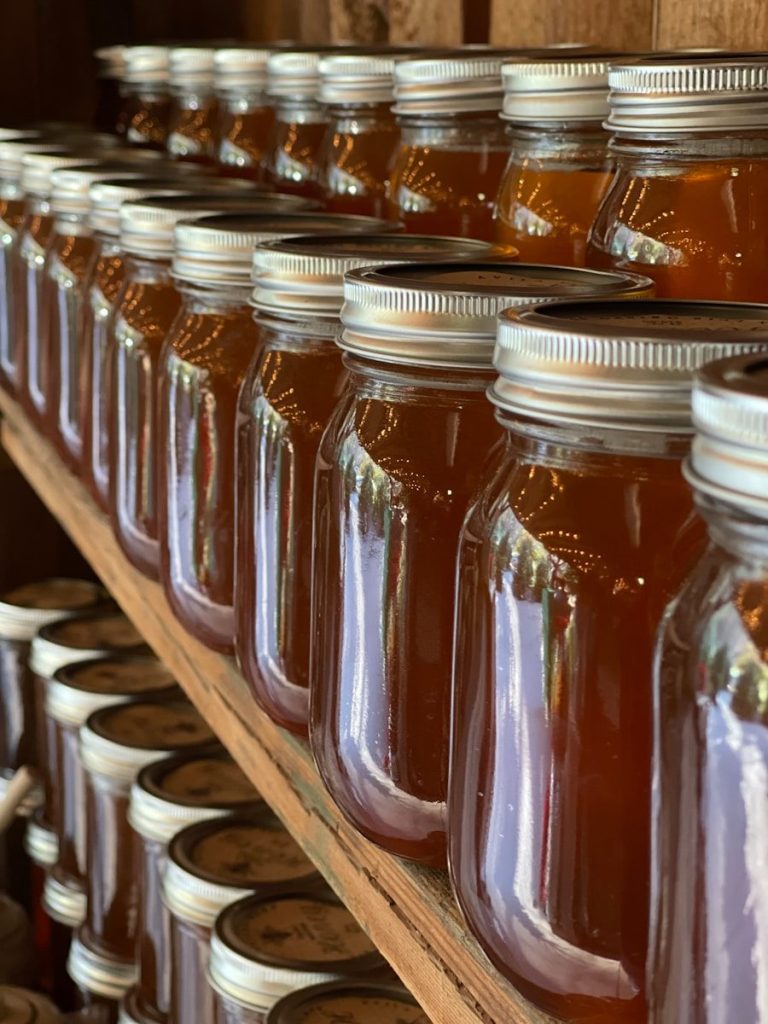
rows of jars of honey sit on a shelf
Photo by Bonnie Hawkins on Unsplash

The enduring image is not simply jars of honey. Azerbaijani apiculture combines family knowledge, crop and wildflower landscapes, modern hive management, food preparation, and newer training programs. Keeping colonies healthy is what allows those cultural traditions to continue.

Featured Image: Photo by Burak Bahadır Büyükkılınç on Pexels
Post navigation

Previous: Rangers Pull a Giraffe From Deadly Tanzanian Mud
Next: Why Birds Pluck Deer Fur for Their Nests

Related Posts

a group of bees on a wood surface

How Hornets Build Their Paper Nests

August 12, 2026August 11, 2026 Jake
A close-up view of a honeycomb covered in bees.

How Bees Fix Imperfect Honeycomb Foundations

August 11, 2026August 11, 2026 Jake
A detailed shot of a honeybee collecting pollen from a vibrant yellow flower.

Engineered Yeast Could Improve Honey Bee Nutrition

August 11, 2026August 11, 2026 Jake

Leave a Reply Cancel reply

Your email address will not be published. Required fields are marked *

Recent Posts

  • Australia’s Strangest Animals Look Almost Imagined
  • Eight Australian Snakes Worth Taking Seriously
  • Wild Animals That Make Especially Poor Pets
  • 8 Popular Animal Myths Science Has Debunked
  • How Hornets Build Their Paper Nests
Copyright All Rights Reserved | Theme: BlockWP by Candid Themes.