Skip to content

Recent Posts

  • Baby Elephant Linh Mai Takes Her First Steps
  • Why a Kangaroo May Challenge a Human
  • How Electric Eels Shock and Control Their Prey
  • How Giraffes Escape Attacks From Lions
  • How Orcas Turn Great White Sharks Into Prey

Most Used Categories

  • Nature & Wildlife (720)
  • Risk (68)
  • Human Interest (51)
  • Hunting (24)
  • Exotic Animals (24)
  • Survival (23)
  • Bees/Swarms fear (21)
  • Suspense (18)
  • Adventure (3)
  • Gears (2)
Skip to content
  • About Us
  • Contact Us
  • Disclaimer
  • Privacy Policy
  • Terms & Conditions

Hive Hunters Tales

  • Suspense
  • Nature & Wildlife
  • Human Interest
  • Hunting
  • Bees/Swarms fear
  • Exotic Animals
  • Risk
  • Survival
  • Adventure
  • Gears
  • Home
  • Hunting
  • How Orcas Turn Great White Sharks Into Prey
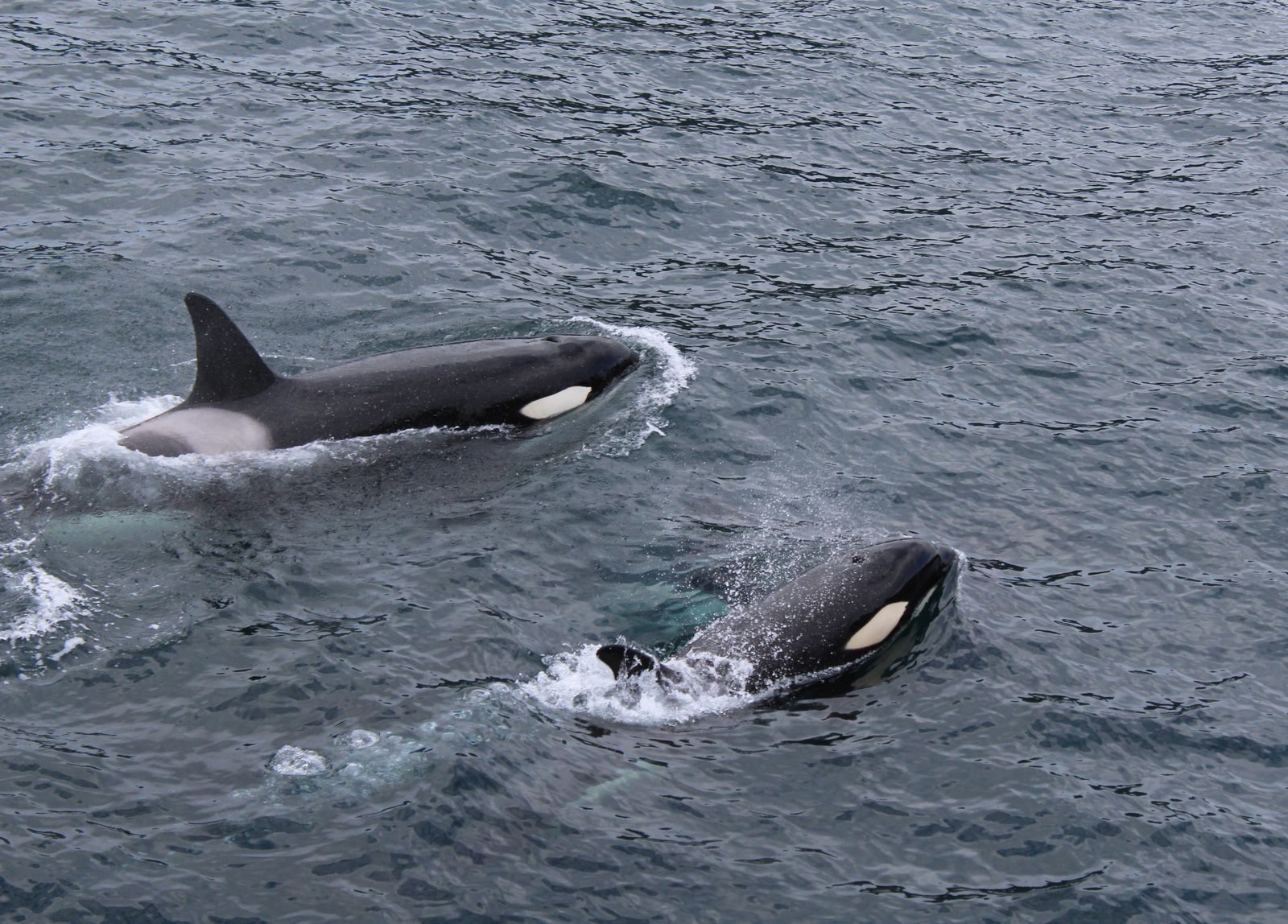
Two orcas gracefully swimming in the Pacific Ocean, Alaska.

How Orcas Turn Great White Sharks Into Prey

JakeAugust 11, 2026August 10, 2026

Great white sharks are apex predators, but they are not beyond predation. Killer whales have been documented killing white sharks in several parts of the world.

These encounters are especially striking because the sharks themselves normally sit near the top of marine food webs. In some locations, even brief orca visits cause white sharks to leave important feeding areas.

Two Apex Predators Meet
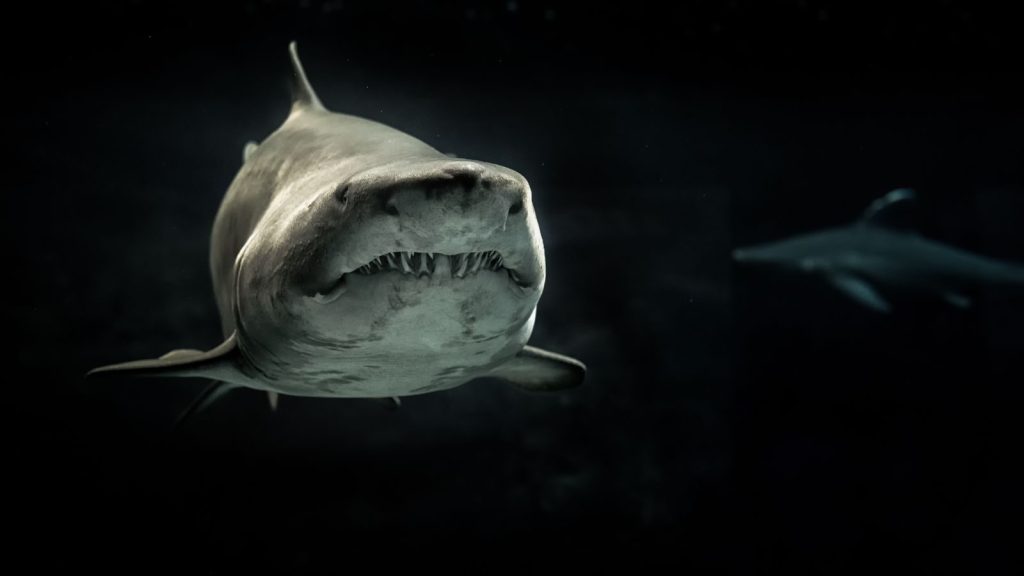
Dramatic underwater view of a shark showcasing its powerful presence.
Photo by GEORGE DESIPRIS on Pexels

Orcas and white sharks both hunt seals and other large marine prey. Their ecological roles overlap in some coastal regions, creating rare encounters between predators that normally have few natural enemies. Orcas generally have advantages in body size, intelligence and cooperative hunting.

White Sharks Sometimes Flee

A stunning underwater capture of a great white shark swimming in the deep blue sea.
Photo by Daniel Torobekov on Pexels

Research around California’s Southeast Farallon Island found that tagged white sharks left rapidly when killer whales arrived. During one well-documented event, 17 tagged sharks were present before the orcas appeared, and the sharks abandoned the area despite the whales staying only a few hours.

Orcas Can Kill Sharks
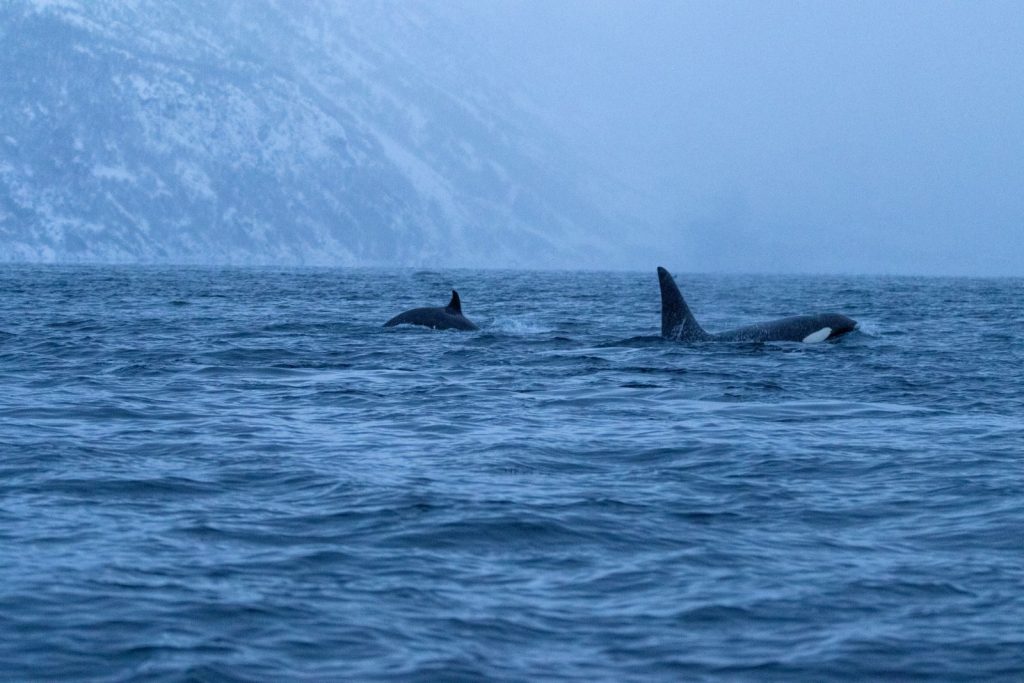
Two majestic orca whales swim in the cold Arctic sea with a snowy mountainous backdrop at dusk.
Photo by Krister P on Pexels

Direct predation has been documented in South Africa, Australia, California and Mexico. Some orcas appear to specialise in hunting sharks, showing that “apex predator” does not mean an animal can never become prey to another highly capable predator.

The Liver Is Valuable

A stunning close-up of a tiger shark swimming underwater in Haleiwa, Hawaii.
Photo by Daniel Torobekov on Pexels

Several documented shark carcasses have been found missing their large, energy-rich livers. Shark livers contain substantial stores of fat, making them an exceptionally nutritious target. Certain orcas appear to have learned methods that allow them to access this organ efficiently.

Sharks Can Be Flipped
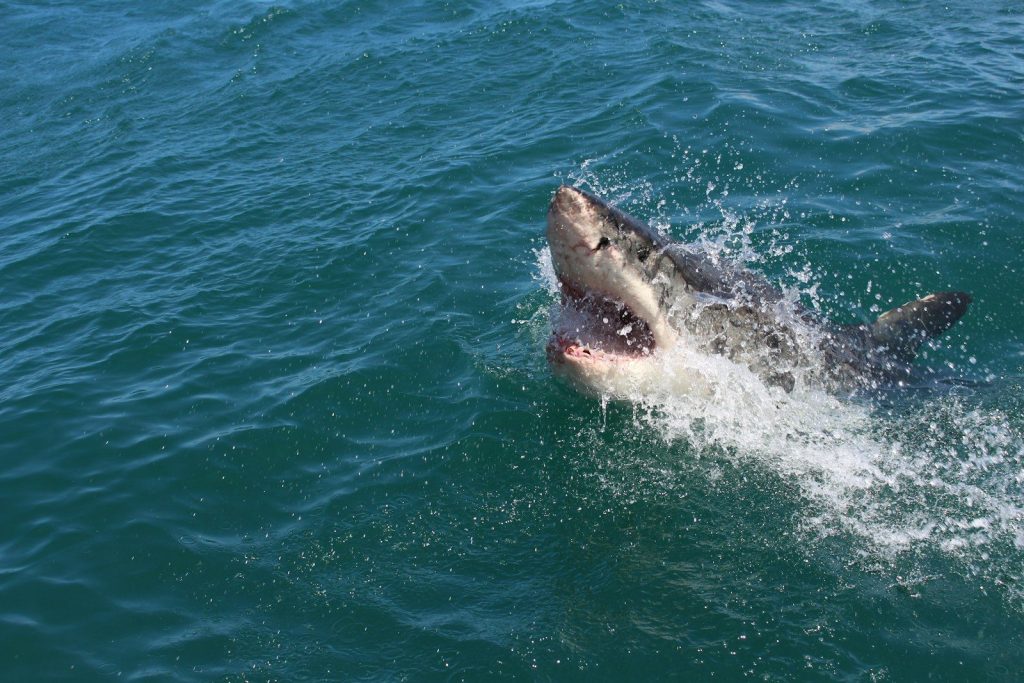
a great white shark with its mouth open in the water
Photo by Alex Steyn on Unsplash

Recent observations from the Gulf of California showed orcas targeting juvenile white sharks and turning them upside down. In sharks, inversion can trigger tonic immobility, a temporary state of reduced movement that leaves the animal much easier to control.

One Orca Killed Alone

Black and white photo of an orca swimming gracefully underwater, capturing serene oceanic beauty.
Photo by Nico Marín on Pexels

In 2023, researchers observed an orca known as Starboard killing a young white shark off South Africa without help from another whale. The event lasted less than two minutes and showed that at least some experienced individuals can complete the attack alone.

Sharks Change Their Behavior

A majestic orca swimming in the vast ocean under a cloudy sky.
Photo by Esteban Arango on Pexels

Predation risk can affect an ecosystem even when no shark is killed. At the Farallon Islands, white sharks relocated after orcas appeared, reducing shark attacks on seals at the original feeding site and increasing shark presence elsewhere.

Apex Does Not Mean Invincible

Close-up of a bull shark swimming in the deep blue ocean, showcasing marine wildlife.
Photo by Berthold Grünhagen on Pexels

Food webs are not simple ladders with one unbeatable species at the top. Orcas can hunt sharks, sharks hunt seals and other predators compete for the same food. The relationship changes with location, population, experience and the hunting culture learned within each orca group.

Featured Image: Photo by Dianne Maddox on Pexels

Post navigation

Previous: What Happened When a Tiger Met a Mother Bear
Next: How Giraffes Escape Attacks From Lions

Related Posts

gray snake photography

How Electric Eels Shock and Control Their Prey

August 11, 2026August 10, 2026 Jake
Drone shot of whales swimming gracefully in the ocean, showcasing marine wildlife from above.

How Orcas Surround Prey and Hunt Together

August 10, 2026August 9, 2026 Jake
A vibrant display of raw seafood including lobster and scallop ready for gourmet cooking.

Can Eating Invasive Species Help Control Them?

August 9, 2026August 9, 2026 Jake

Leave a Reply Cancel reply

Your email address will not be published. Required fields are marked *

Recent Posts

  • Baby Elephant Linh Mai Takes Her First Steps
  • Why a Kangaroo May Challenge a Human
  • How Electric Eels Shock and Control Their Prey
  • How Giraffes Escape Attacks From Lions
  • How Orcas Turn Great White Sharks Into Prey
Copyright All Rights Reserved | Theme: BlockWP by Candid Themes.