It is tempting to interpret a distressed animal approaching or remaining near people as deliberately “asking for help.” Sometimes that interpretation may feel convincing, but behavior alone rarely reveals exactly what an animal understood about human intentions. A safer approach is to describe what observers actually saw: entanglement, injury, exhaustion, abandonment, or another problem followed by successful human intervention.
The documented rescues below need no invented emotions to be moving. Wildlife responders, construction workers, climbers, scientists, veterinarians, and ordinary members of the public noticed animals in trouble and took action. In several cases, professional rehabilitation eventually returned the animals to the wild. These stories also show why calling trained responders is usually safer than attempting a difficult rescue without the right equipment or experience.
Humpback Whale

On July 22, 2026, NOAA reported the successful disentanglement of a humpback whale in Monterey Bay, California. Photographs from whale-watching vessels helped responders locate the whale and understand how fishing gear was wrapped around it. A trained Marine Life Studies team attached buoys to slow the whale and used specialized cutting equipment from a small boat. This was not a spontaneous swimmer approaching a whale with a knife. Large-whale disentanglement is dangerous work performed by authorized teams using methods designed to protect both responders and the animal.
Bull Elk
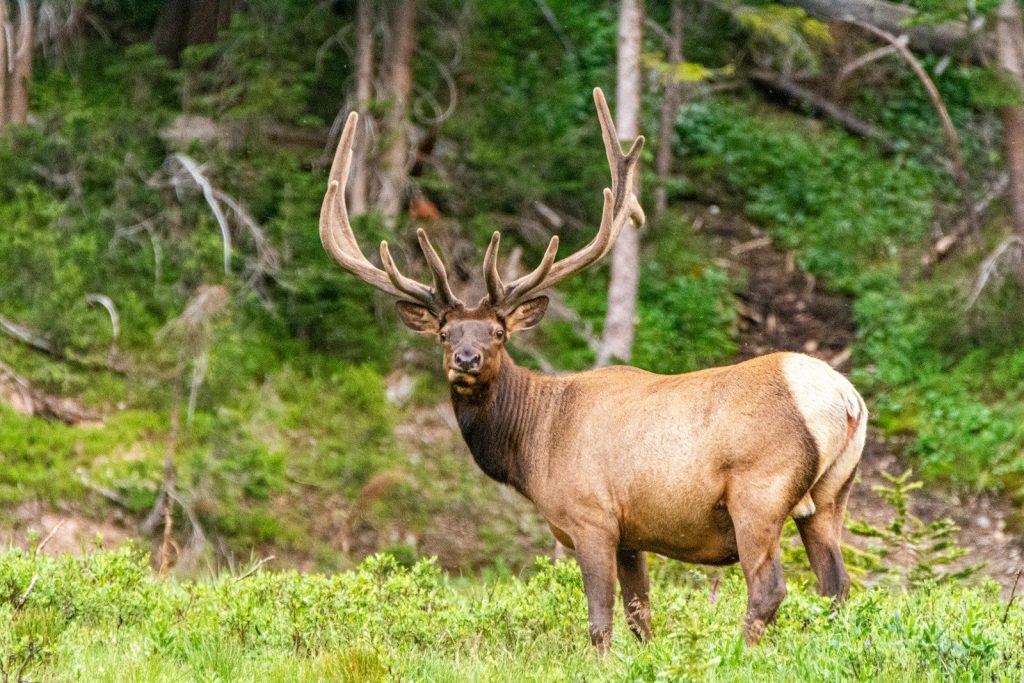
In January 2025, ice climbers in Lake City, Colorado, discovered a young bull elk tangled in rope on a climbing route. Colorado Parks and Wildlife tranquilized the roughly 700-pound animal, removed rope from its antlers, and worked with the climbers to rig a system that lowered it safely down the cliff. The elk had minor scrapes and was fatigued but recovered after officials reversed the tranquilizer. About 12 minutes later, it stood and ran down the snowy canyon, providing a clearly documented rescue outcome.
Green Sea Turtle
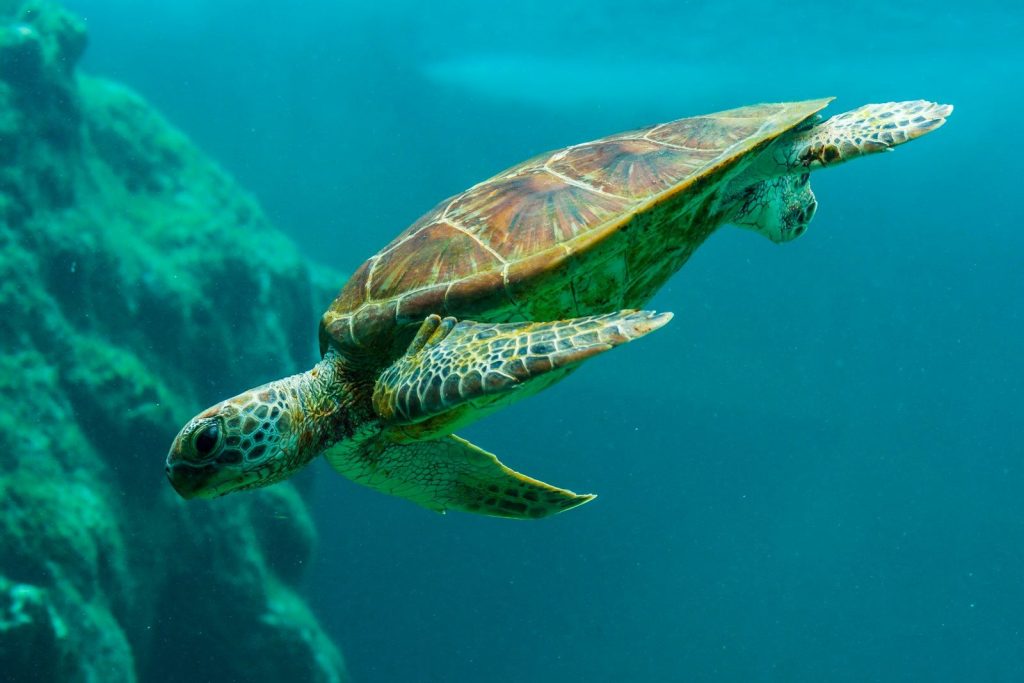
A green sea turtle later named Twitch was found badly entangled in fishing line near Galveston, Texas, in 2020. A NOAA scientist and her family helped secure the injured turtle before professional treatment. The line had severely damaged one front flipper, forcing veterinarians to amputate the remaining portion, but the animal recovered after treatment and antibiotics. NOAA later documented Twitch being released back into the bay. The rescue illustrates how discarded fishing line can keep harming wildlife long after somebody leaves the water.
Great Horned Owl
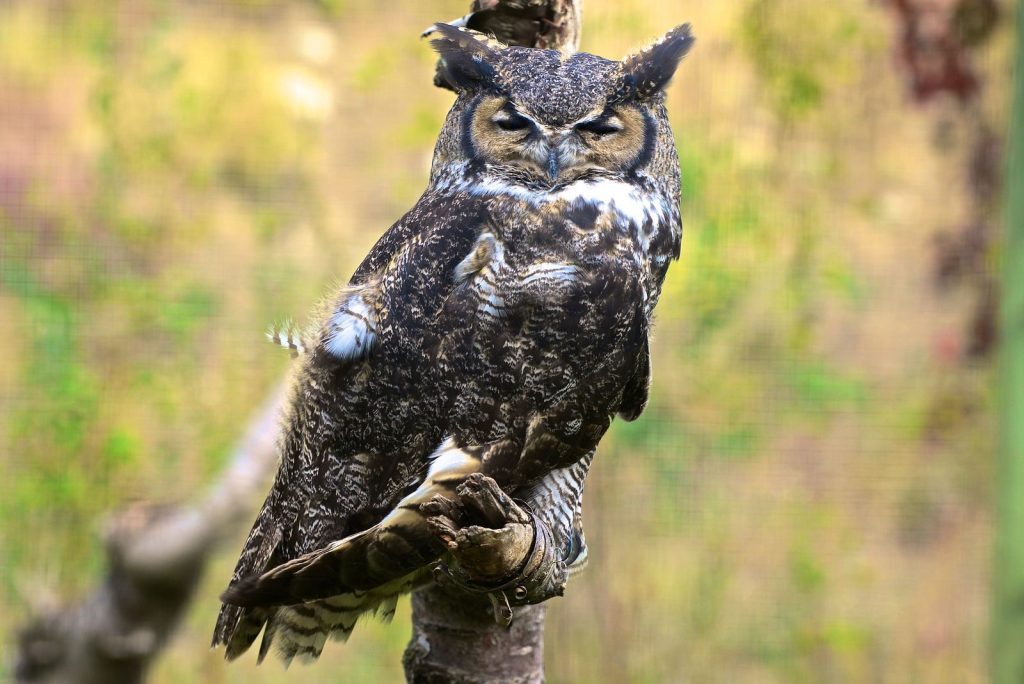
Construction workers in southwestern Utah made an extraordinary discovery in 2025 when a great horned owl emerged partly coated in concrete from a mixer. Workers immediately rinsed the bird and contacted wildlife authorities. Best Friends Animal Sanctuary spent days removing hardened material from its feathers. Damaged flight feathers initially prevented silent hunting, so specialists later grafted replacement feathers using a technique called imping. In May 2026, AP reported that the owl passed a flight-sound test and was released back into the wild.
Black Bear Cub
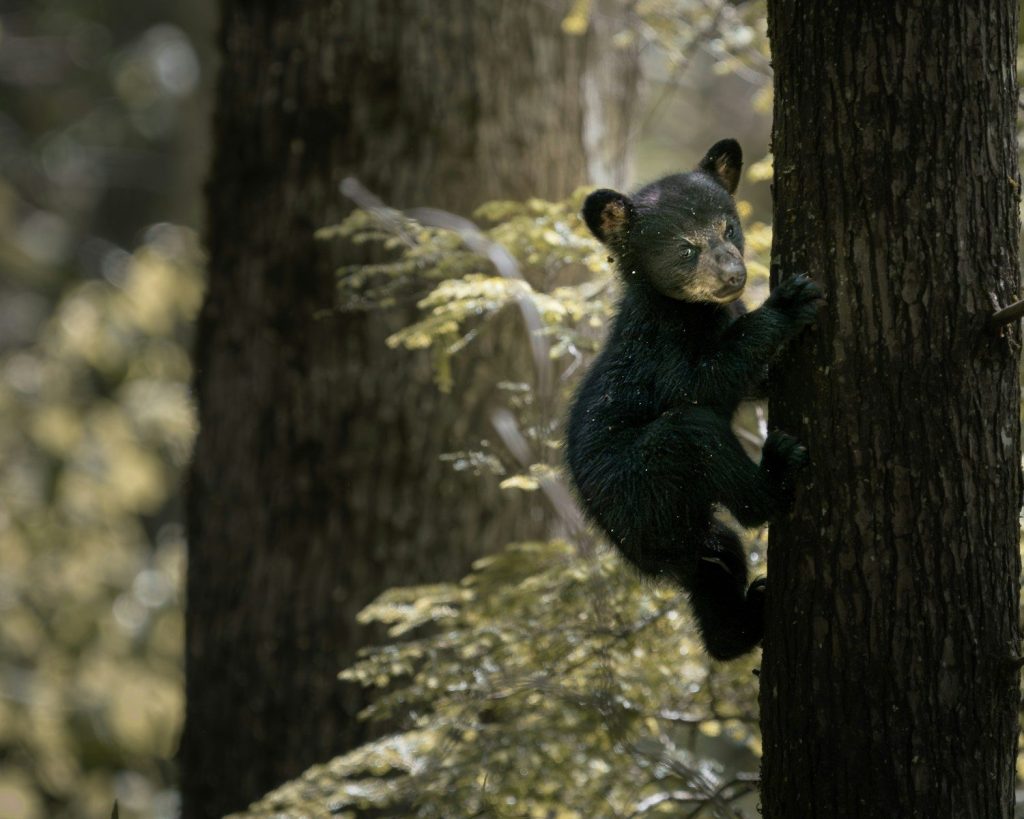
A roughly two-month-old black bear cub was found alone and severely underweight in California’s Los Padres National Forest in April 2025. Wildlife officials first attempted to reunite it with its mother, but she did not return. The San Diego Humane Society then began rehabilitation while caregivers wore bear-like masks and scented clothing to reduce the risk of human imprinting. The cub received food, naturalistic enrichment, and opportunities to develop foraging skills, with biologists aiming for eventual release once it could survive independently.
Wild Burro
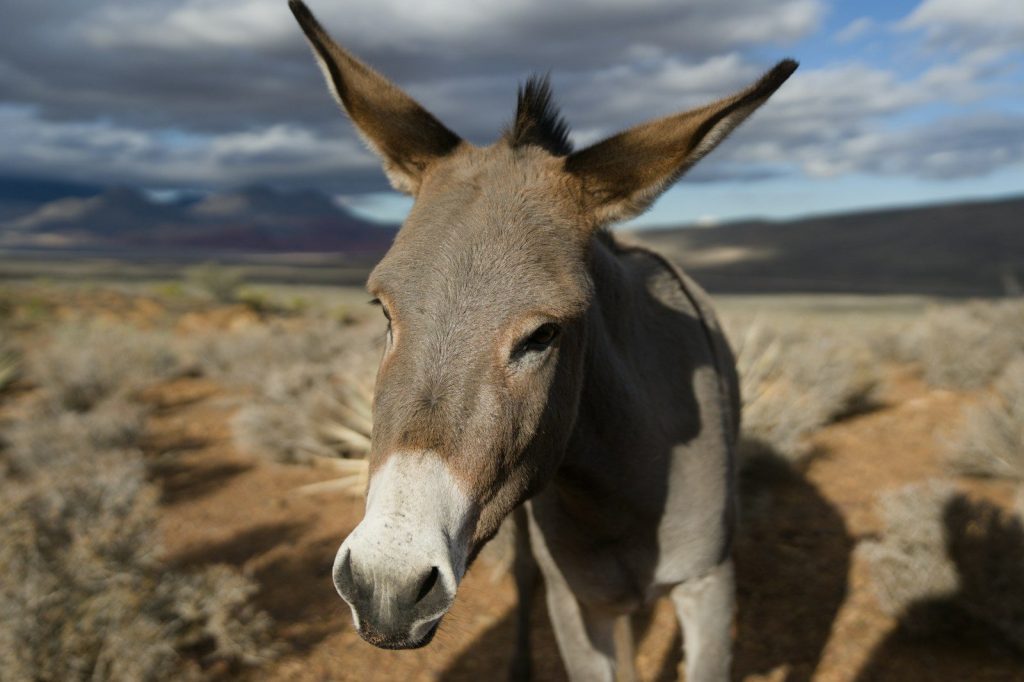
In September 2025, a two-year-old wild burro in Southern California was spotted walking with an arrow protruding from her shoulder. Animal services and law enforcement helped capture the animal, later named Cupid, so veterinarians could remove the broadhead arrow. The projectile had punctured her right lung. AP reported that she was stable and recovering after emergency surgery and was expected to move to DonkeyLand’s sanctuary after healing. The rescue occurred amid an investigation into several similar deliberate attacks on local wild burros.
Hawaiian Monk Seal
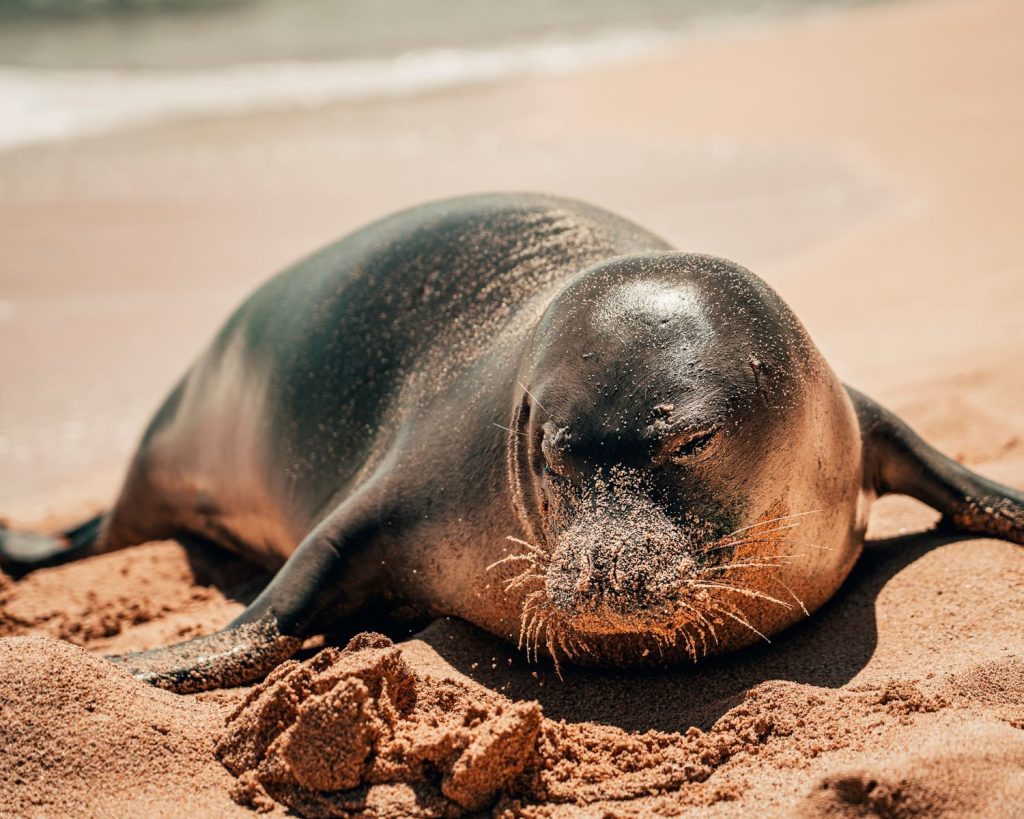
Hawaiian monk seals provide repeated examples of why organized intervention matters. NOAA teams and partners rescue malnourished pups, remove fishing hooks, disentangle seals, relocate vulnerable youngsters, and provide specialized rehabilitation. These efforts have contributed materially to the survival of an endangered species whose population remains small. NOAA currently estimates around 1,600 seals and notes that the population has been gradually increasing since 2013. The public’s most useful role is reporting injured or entangled seals rather than approaching and attempting treatment independently.
Rescue Rules
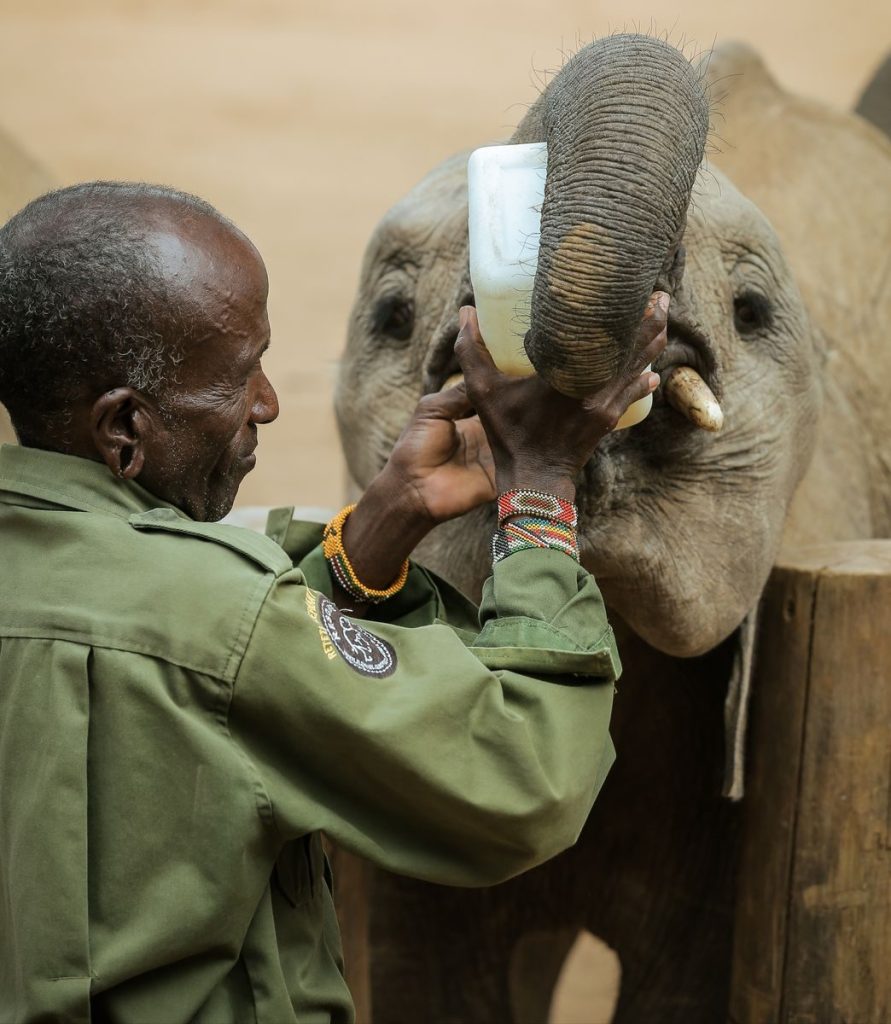
Compassion does not always mean immediately grabbing a wild animal. A frightened or injured creature can bite, kick, scratch, or flee into greater danger, while large whales and other powerful animals can seriously injure untrained rescuers. Wildlife agencies generally recommend reporting distressed animals to authorized professionals who can decide whether intervention is necessary. That also prevents healthy fledglings, resting seals, or other normal wildlife from being “rescued” unnecessarily. Helping effectively means matching concern with species-appropriate expertise rather than assuming every encounter requires direct physical contact.
Featured Image: Photo by Alexas Fotos on Pexels