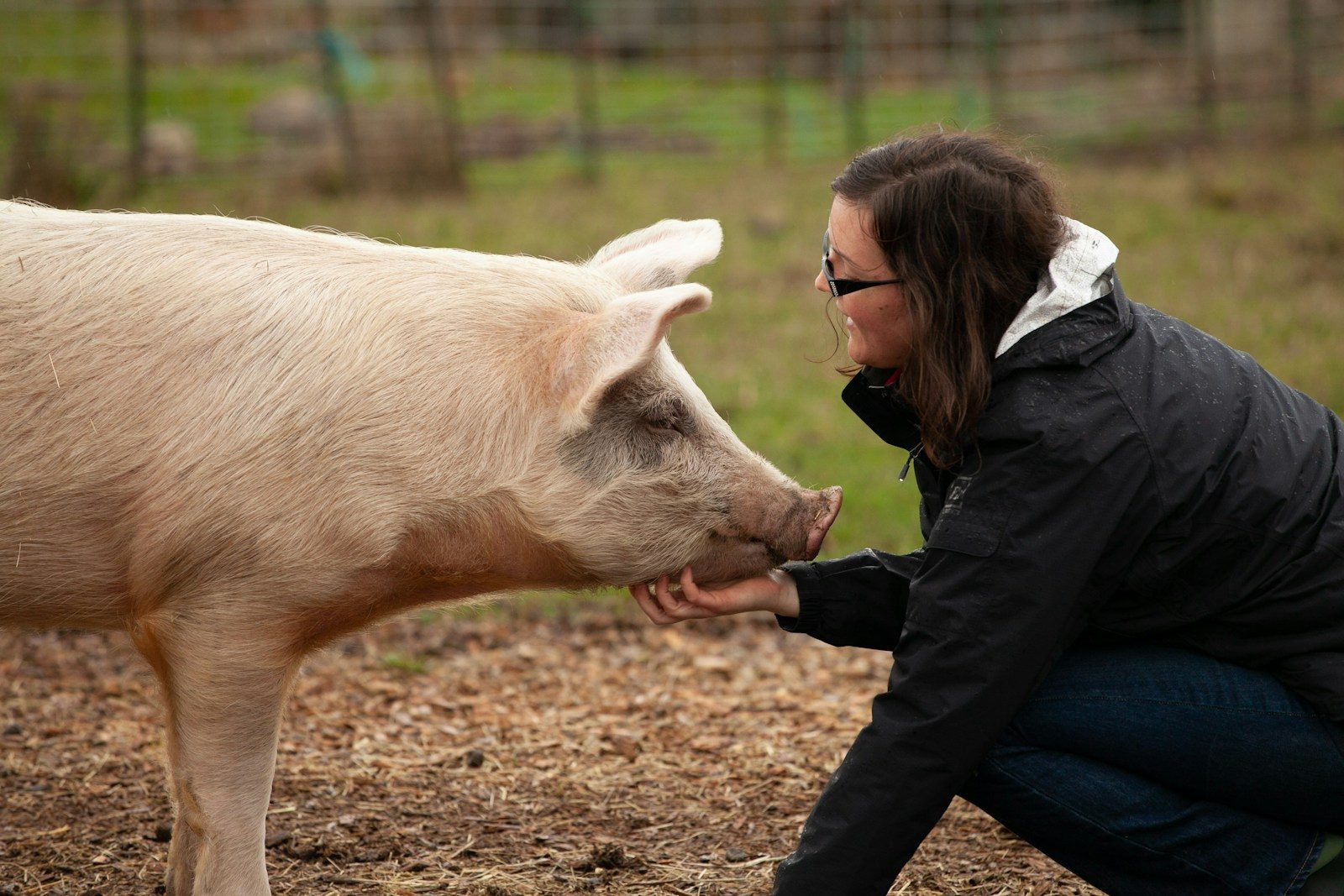
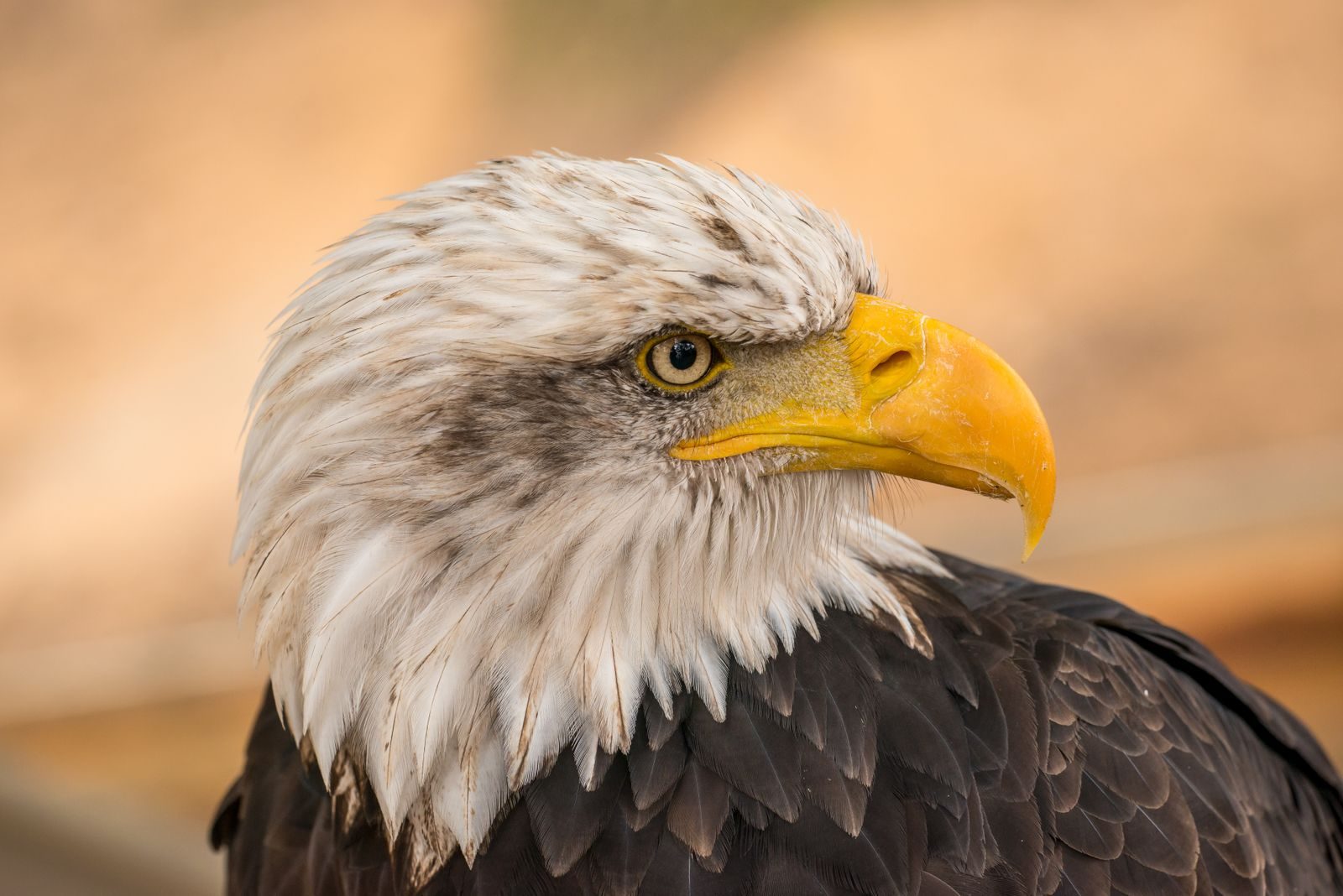
A baby owl sitting in a Maryland river looked obviously out of place when walker Sandy Rosenblatt spotted it near the C&O Canal in 2021. She watched briefly, decided the bird appeared stuck and possibly distressed, then entered the water and used her jacket to lift the small owl out before seeking professional help along the canal. The unusual setting made the encounter different from seeing a normal fledgling resting safely on dry ground nearby.
The rescue ended well: animal control transferred the owl to Owl Moon Raptor Center, and the rehabilitated bird was later released. But this story also carries an important warning. A young owl on the ground does not automatically need rescuing. Fledglings often leave nests before flying strongly, while truly injured or endangered birds need licensed wildlife professionals. Knowing that difference can prevent well-meant interference with healthy young birds.
River Discovery

Rosenblatt was walking near Maryland’s C&O Canal when she noticed a small owl sitting in the river. According to the account published by The Dodo, the bird was not flapping or struggling and simply remained in the water. Rosenblatt interpreted the unusual situation as a sign that something was wrong. That detail matters because the concern came from the bird’s location and lack of normal movement, not merely from the fact that a young owl was away from a nest.
Careful Retrieval

After watching the owl, Rosenblatt waded into the water and used her jacket to scoop it up and wrap it. She later described the bird as unusually calm and wondered whether it might have been in shock, but that was her interpretation rather than a veterinary diagnosis. The observable facts are simpler: the owl was removed from the river and warmed while help was arranged. Avoiding stronger claims keeps the rescue story accurate without pretending anyone knew exactly what the bird was feeling.
Waiting for Help

Rosenblatt tried contacting wildlife rescues, but the centers she reached were closed by that point in the evening. She eventually contacted animal control and asked that the owl be taken to an appropriate rescue facility. While waiting, she kept the bird warm. The owl reportedly became more alert and began vocalizing and watching insects. Those changes suggested improved responsiveness, but only trained wildlife professionals could properly assess whether the bird had injuries, hypothermia, dehydration, or another problem requiring treatment that evening.
Raptor Center
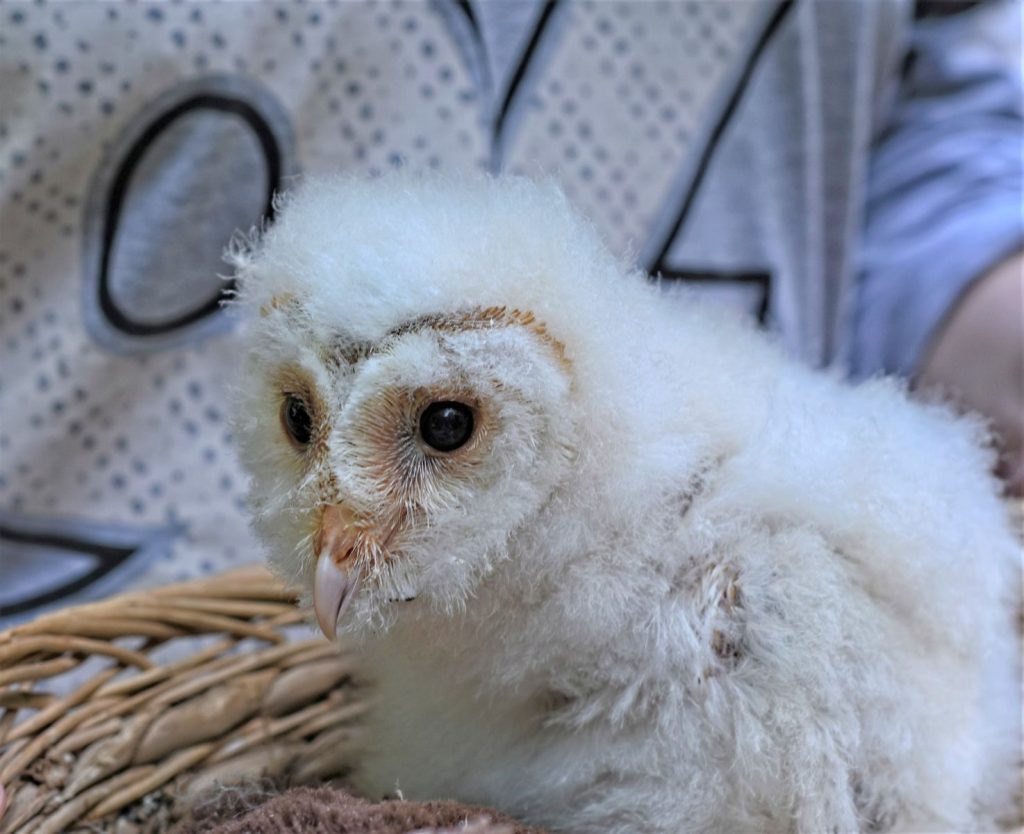
Animal control eventually collected the owl and transported it to Owl Moon Raptor Center. That handoff is one of the most important parts of the story because raptors require specialized care. U.S. Fish and Wildlife Service guidance says people who find wildlife that truly needs help should contact a licensed rehabilitator and make arrangements before transport. Most birds covered by federal protections cannot simply be kept at home for informal rehabilitation, even when a finder has good intentions for release.
Wild Release
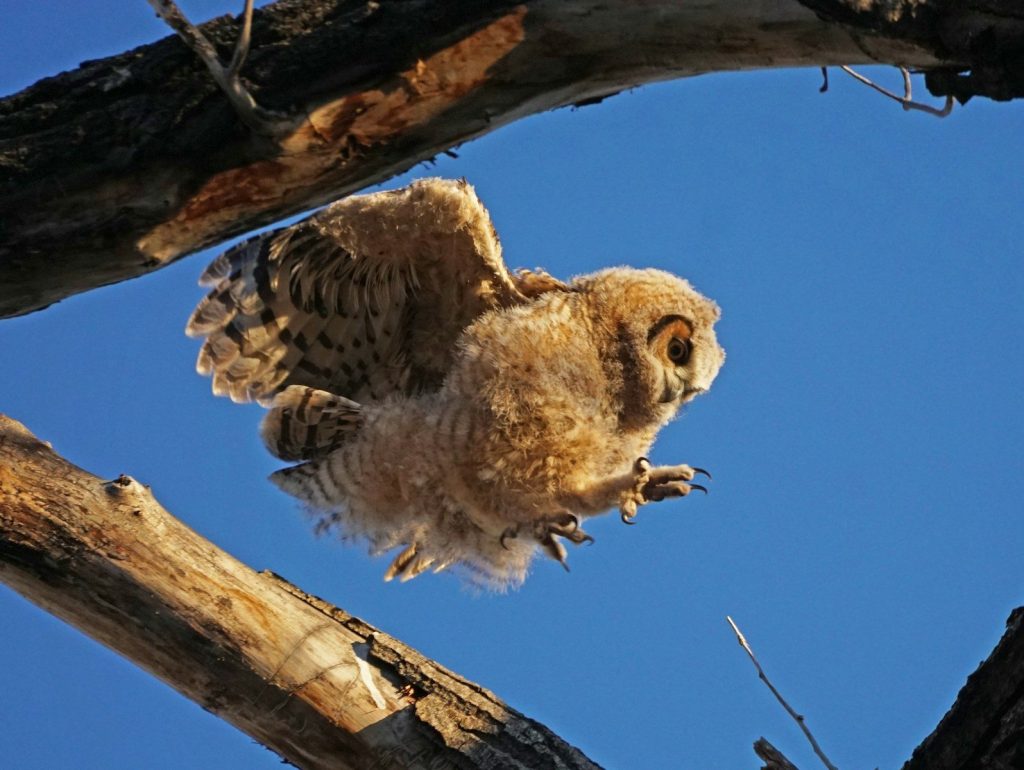
The rescued owl was given the name Sandy after Rosenblatt, according to the published account. After rehabilitation, the bird became ready for release and returned to the wild alongside another owl. Rosenblatt was invited to witness the release. A successful release is the central goal of wildlife rehabilitation whenever an animal can safely resume life in its natural habitat. Rehabilitation is therefore different from taming or adopting wildlife: professional care aims to restore independence, not create a permanent human relationship.
Normal Fledglings

A baby owl found low to the ground is not automatically stranded. The U.S. Fish and Wildlife Service explains that fledgling birds have developed feathers, can hop or flutter, and are commonly still being cared for by parents nearby. Cornell Lab guidance likewise notes that young Barred Owls may drop to the ground while learning to climb and explore. Removing a healthy fledgling can separate it from normal parental care, so observation from a safe distance is often the better first response.
Nestling Care

Nestlings are different from fledglings. Young birds that are largely featherless or still have closed eyes are not ready to be outside the nest. Federal wildlife guidance recommends returning an uninjured nestling to its nearby nest when that can be done safely. If the nest cannot be found, or the bird is visibly injured, professional advice is appropriate. The old idea that parent birds will reject a chick because a person touched it is not a reason to avoid a necessary, careful return.
When Help Matters
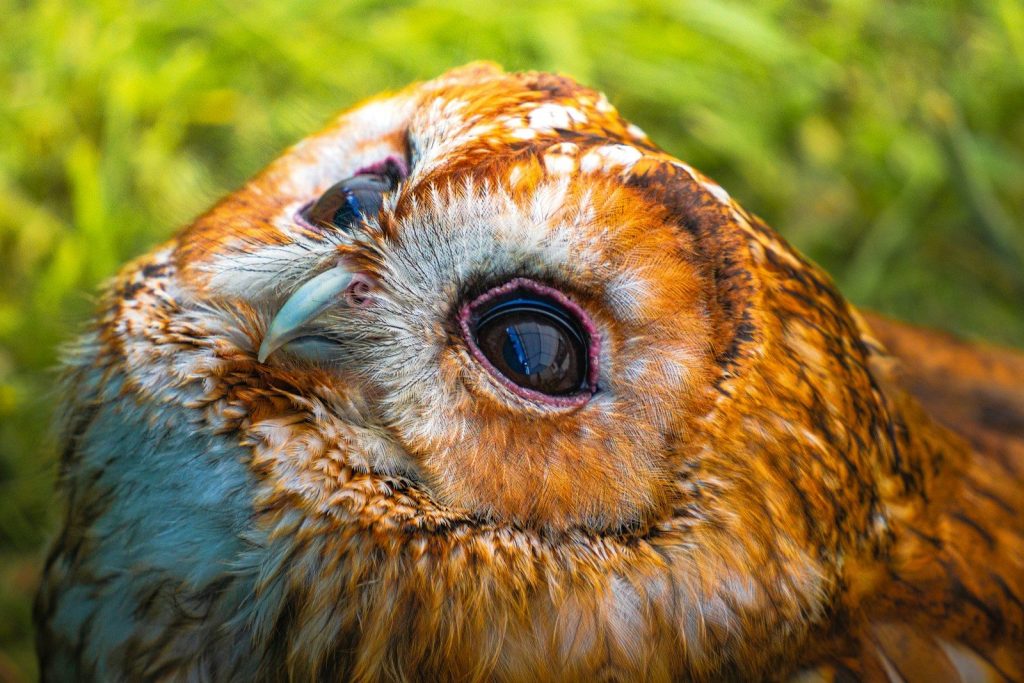
Visible bleeding, a broken limb, severe shivering, an obvious dead parent nearby, or a dangerous location can indicate that a young bird truly needs assistance. Even then, the safest step is usually to call a licensed wildlife rehabilitator, veterinarian experienced with wildlife, or state wildlife agency before acting. Professionals can determine whether intervention is needed and how to transport the bird safely. The Maryland river rescue was unusual because the owl was sitting in water, not simply behaving like a normal fledgling on land.