There is no universal scientific ranking of which animal stays with its parents the longest because family systems differ enormously. Some offspring remain physically dependent for years, others stay within a multigenerational social group for life, and some leave their parents but remain near related adults. Comparing all of those relationships on one numerical scale would create a misleading contest between very different kinds of family life.
The examples below instead highlight animals with notably long parent-offspring associations. Orangutans spend years learning from their mothers, resident killer whales may remain in maternal family groups through adulthood, elephant calves grow within matriarchal herds, and several other mammals continue receiving protection, food, transport, or social experience long after birth. Staying close can be as important for learning as it is for immediate survival.
Resident Killer Whales

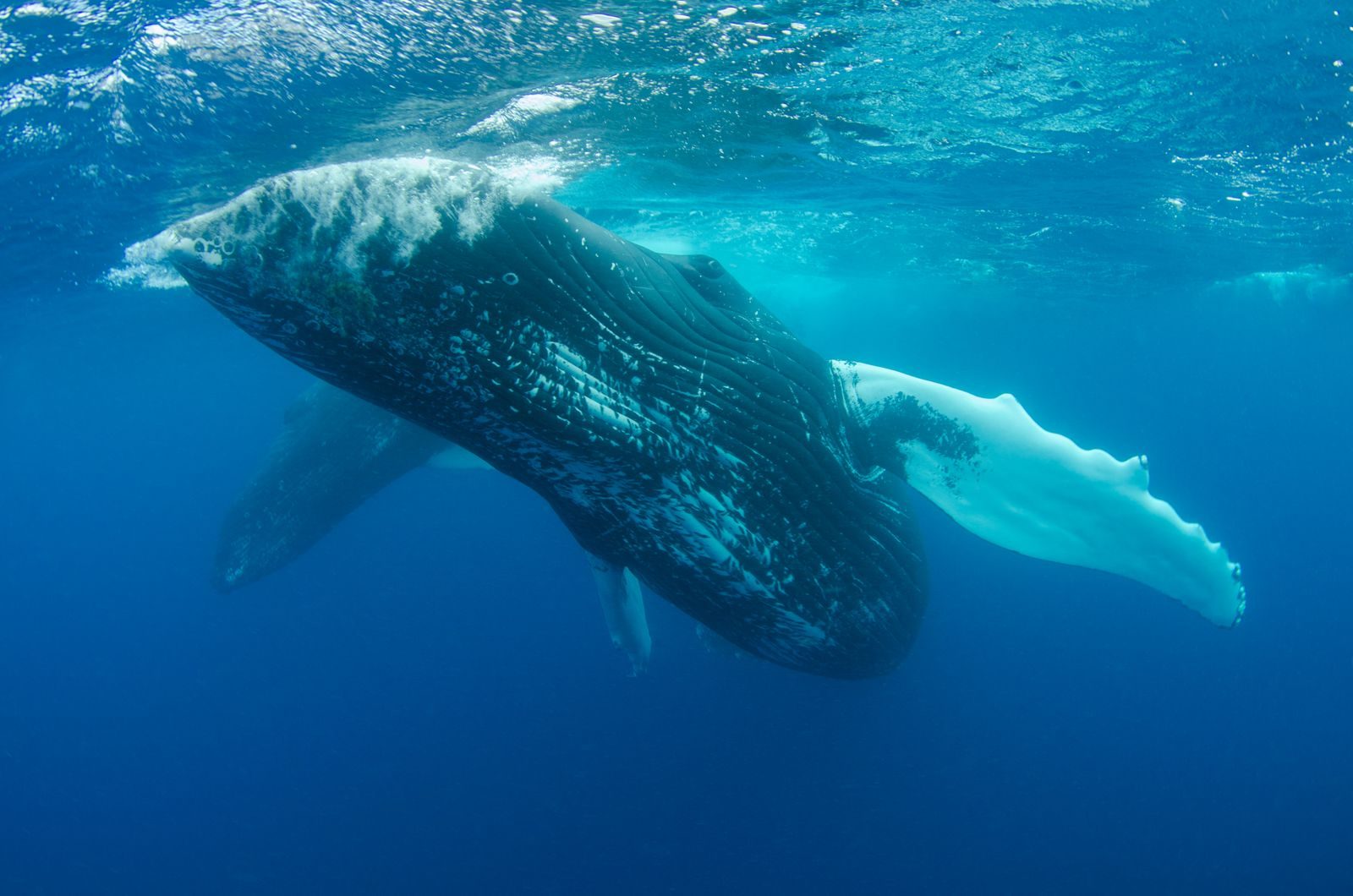
Resident killer whales have one of the most remarkable long-term family structures among mammals. NOAA describes Southern Resident pods as collections of tightly connected matrilines descended from a mother or grandmother. Unlike many mammals, adult offspring can remain associated with their maternal family rather than permanently dispersing at maturity. That creates social groups containing several generations traveling together. The bond is not prolonged infant dependency, because adult whales feed independently, but it is an extraordinary example of offspring remaining socially connected to their mother throughout adulthood.
Orangutans
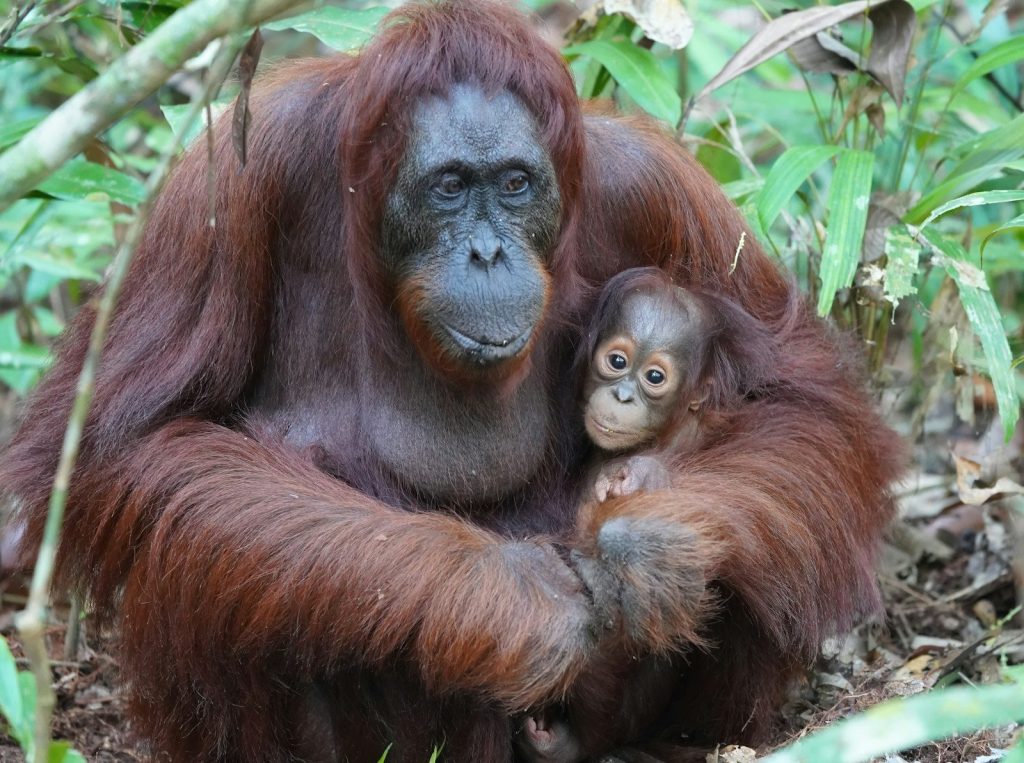
Orangutan youngsters experience the longest recognized infant dependency period among mammals. Smithsonian’s National Zoo says they can remain with their mothers for up to seven years and may continue nursing for comfort during much of that period. A young orangutan must learn a vast amount about forest life, including which foods are edible, where seasonal resources occur, and how to travel safely through the canopy. Long childhood gives the youngster years of observation and practice before it must navigate those complicated ecological decisions independently.
Elephants

Elephant calves depend not only on their mothers but also on a wider family herd. Young calves nurse frequently, remain close to adults, and spend years learning how to use their trunks, communicate, locate resources, and navigate social relationships. San Diego Zoo Wildlife Alliance notes that calves stop needing milk at roughly two to three years, but family membership continues much longer. Females generally remain within related family groups, while adolescent males eventually leave and may join bachelor associations before spending more time independently.
Gorillas

Young gorillas spend their first years in close physical and social contact with their mothers. Smithsonian reports that western lowland gorilla infants can ride on a mother’s back, chest, or legs until roughly three and a half to four years old. Nursing commonly continues until around four years as well. During that period, infants gradually become more independent while learning through observation and play. They are also embedded in a larger troop, giving them opportunities to interact with siblings, juveniles, adult females, and the group’s dominant silverback.
Beavers

Beaver kits remain inside an unusually stable family unit for about two years. Smithsonian describes a typical colony as a breeding pair living with the current year’s kits and older offspring from the previous year. Young beavers help with lodge maintenance and can contribute to caring for the next litter before eventually dispersing. That extended stay gives them time to develop swimming, feeding, construction, and territorial skills within the same engineered wetland their parents maintain. Family life is therefore directly connected to learning how to transform and survive in aquatic habitat.
Gray Wolves

Wolf pups begin life completely dependent on adults and then grow within a cooperative pack where parents and other pack members provide food, defense, and social experience. Smithsonian notes that a young gray wolf may remain with its parental pack as it approaches maturity around two years of age, although timing varies. Some individuals then disperse in search of territory and mates, while others stay longer depending on pack size, resources, and social conditions. Their family association therefore extends well beyond the den-bound puppy stage.
Manatees

A manatee calf is raised entirely by its mother because males do not participate in parental care. The mother helps a newborn reach the surface after underwater birth, and the calf soon becomes capable of swimming beside her. San Diego Zoo Wildlife Alliance reports that calves nurse for about 18 months. During that long association, youngsters follow their mothers through feeding grounds, travel routes, and resting areas. Eighteen months is shorter than orangutan childhood, but it represents substantial maternal investment for an aquatic herbivore whose calf must learn a large environment.
Siamangs
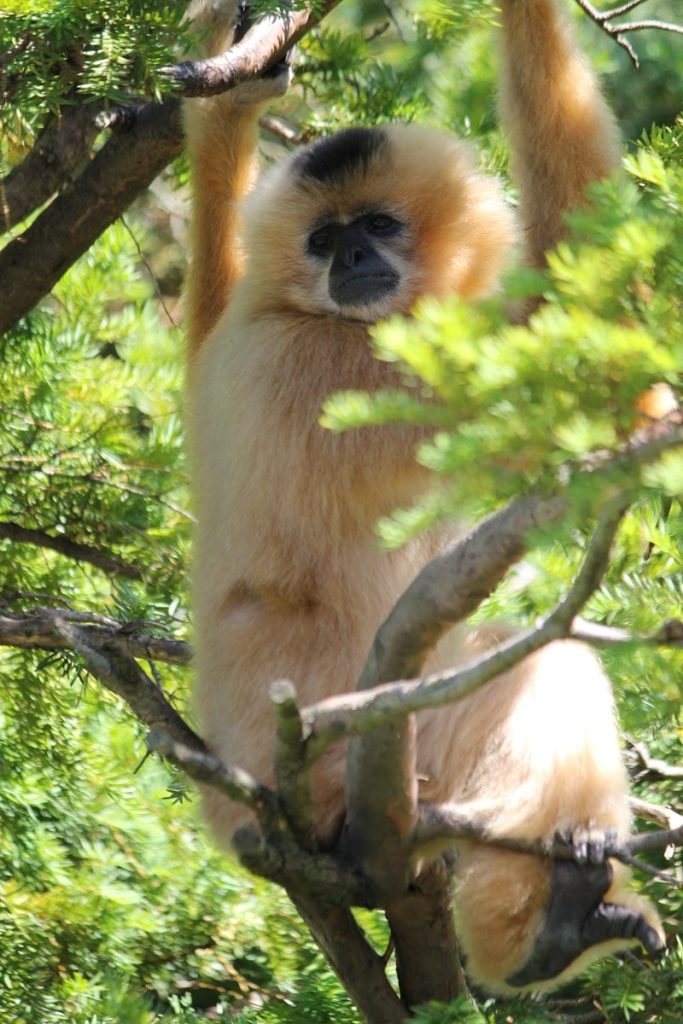
Siamangs live in close family groups, and parental investment extends well beyond an infant’s first months. Smithsonian reports that youngsters cling to their mothers during early development, while fathers may begin carrying them around the time of weaning after roughly two years. Young siamangs do not reach maturity until about six or seven years old. Their family groups travel, feed, groom, and perform territorial calls together, giving juveniles years of exposure to the social routines and locomotor skills needed for life high in Southeast Asian forest canopies.
Featured Image: Photo by David Heiling on Unsplash