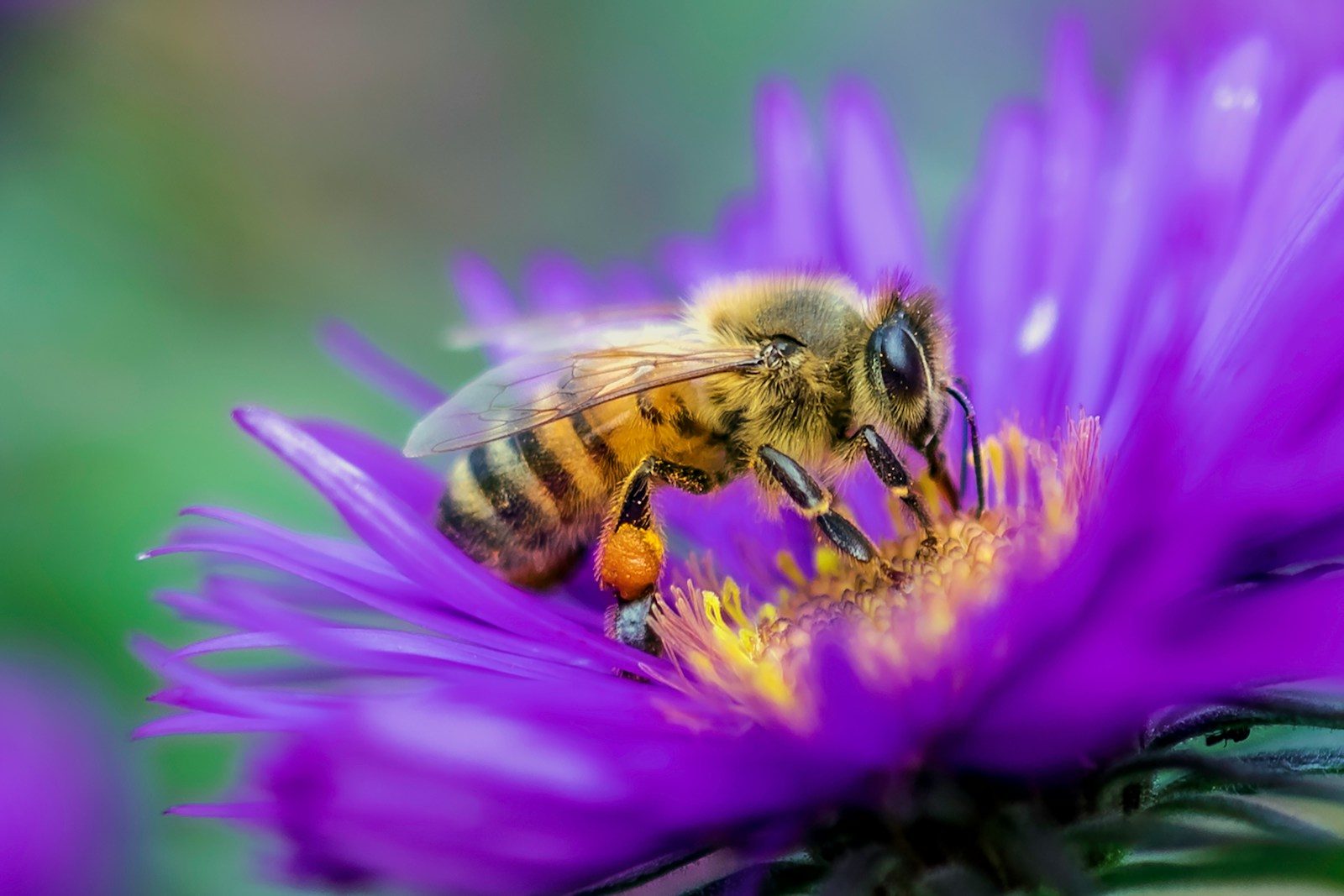
The headline sounds dramatic, but the real bee story is more complicated. Managed honey bees have received enormous public attention, yet honey bees are only one part of bee diversity and are not native to North America. Conservationists increasingly stress that keeping more hives is not the same thing as protecting wild bee species or their habitats across whole landscapes.
That does not make honey bees “wrong” or unimportant. They are valuable agricultural pollinators and support beekeeping economies. The problem comes when concern for bees is reduced to managed honey bee colonies while native bumble bees, solitary bees, and specialist species receive less attention. Effective conservation must address habitat, pesticides, disease, floral resources, and the needs of wild pollinators over the long term.
Honey Bees

Western honey bees are important managed pollinators, but in North America they are introduced livestock rather than native wildlife. Beekeepers manage colonies for honey production and crop pollination, and colony health matters economically. However, increasing the number of managed hives does not automatically restore declining native bee populations. Xerces Society guidance emphasizes the distinction between beekeeping and bee conservation. A backyard hive can be rewarding, but conserving wild bees requires protecting nesting sites, native plants, and ecological conditions that hundreds of local species need.
Native Bees
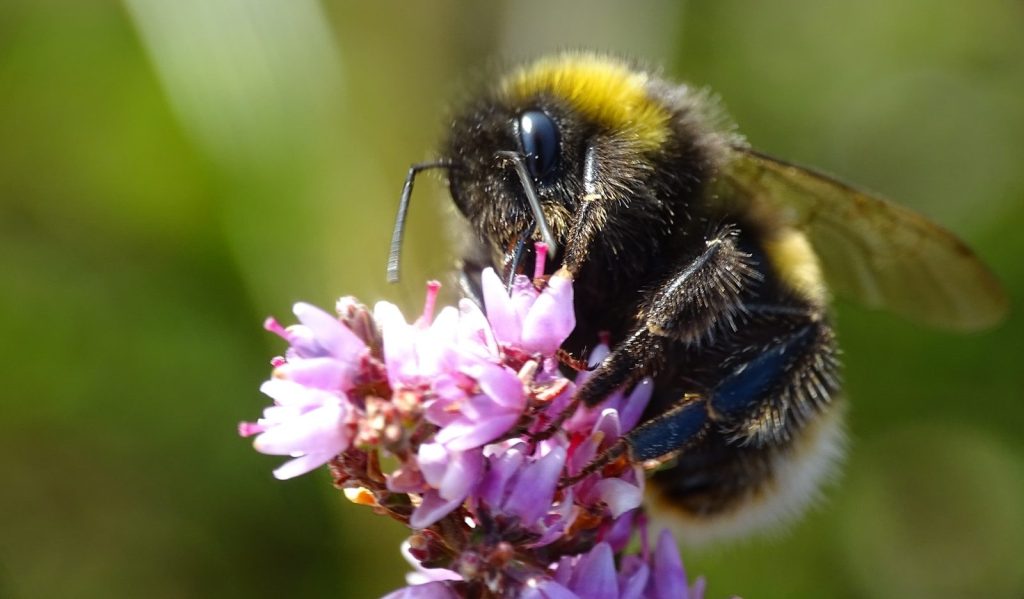
The United States has roughly 4,000 native bee species, and globally scientists recognize more than 20,000 bee species. Most do not live in large honey-producing colonies. Many are solitary, nesting in soil, hollow stems, wood, or other small cavities. Their needs can be very different from those of managed honey bees. USGS highlights the enormous diversity of native bees and their importance to pollination. Protecting that diversity requires conservation strategies designed around wild species rather than assuming one familiar domesticated bee can represent them all.
Bumble Bees
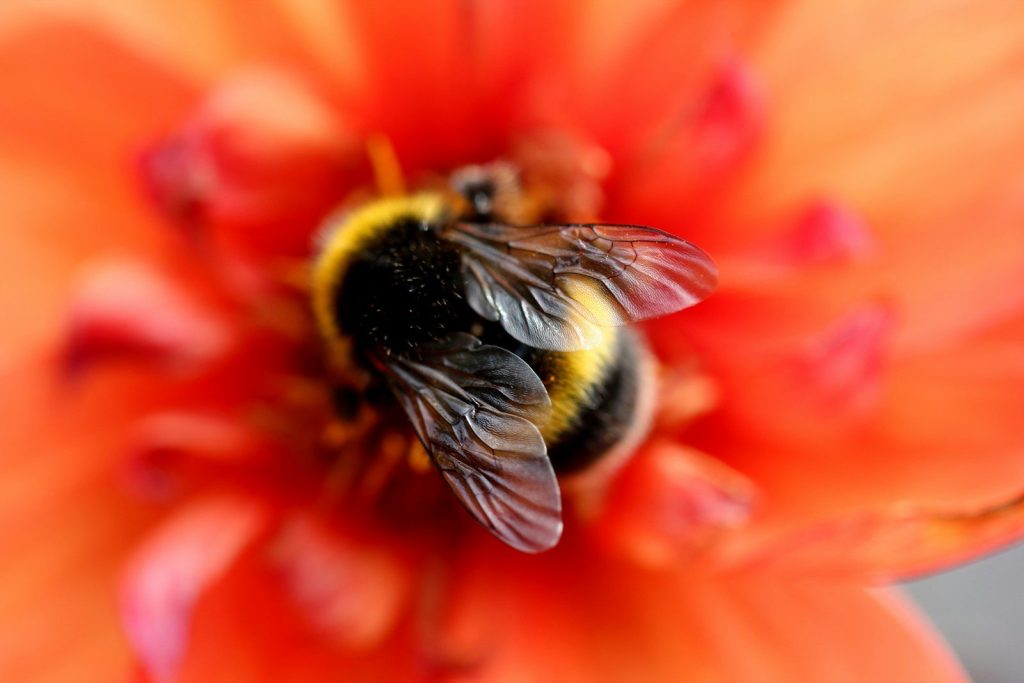
Bumble bees illustrate why wild bee conservation deserves separate attention. Several North American species have experienced serious declines, and the rusty patched bumble bee is federally endangered in the United States. In 2026, the U.S. Fish and Wildlife Service finalized habitat protections for the species and continued conservation work involving other at-risk bumble bees. Bumble bees can pollinate crops and wildflowers under conditions where some other insects are less effective. Their decline cannot be fixed simply by adding more honey bee hives to the landscape.
Specialist Bees

Some native bees are pollen specialists, meaning females collect pollen from a narrow group of plants rather than using almost anything in bloom. USGS estimates that a substantial share of native U.S. bees have these specialized relationships. If the required host plants disappear, extra honey bee colonies cannot replace what the specialist needs. This is one reason plant diversity matters so much. Conserving bees means maintaining the particular flowers, nesting conditions, and seasonal resources that different species evolved to use, not merely increasing total bee numbers.
Floral Competition
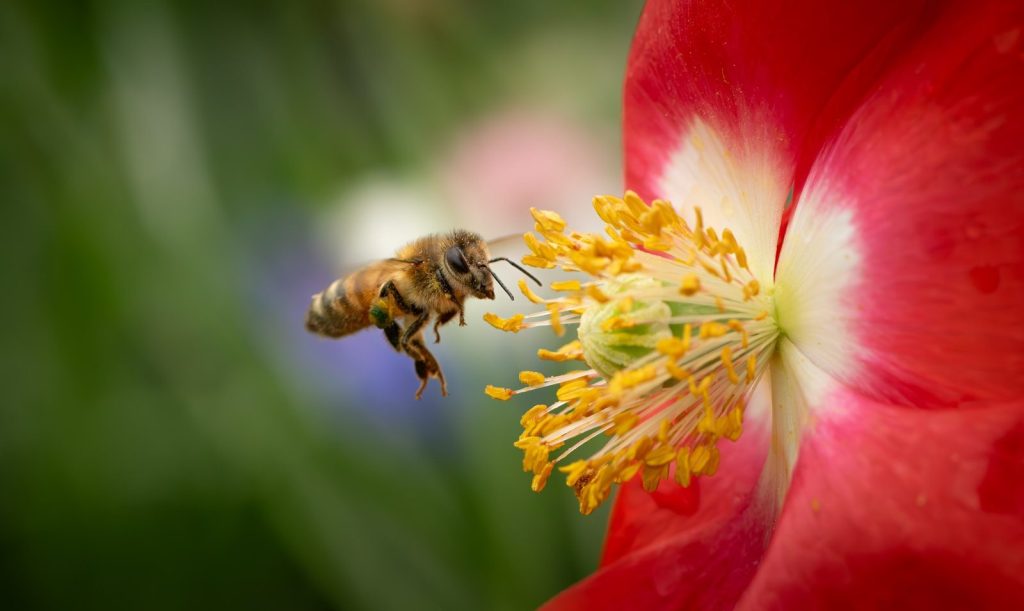
Managed honey bees and wild bees can overlap heavily in the flowers they use. When floral resources are abundant, competition may be limited, but concern rises where large numbers of managed colonies forage in landscapes with scarce nectar and pollen. Research does not support a simple claim that honey bees always harm native bees. USDA field work has found effects can depend on resource availability and carrying capacity. That nuance matters: hive density, habitat quality, season, and local bee communities all influence whether competition becomes biologically important.
Disease Spillover

Another conservation concern is the movement of pathogens between managed and wild bees. Flowers can act as shared contact points where insects leave or acquire microbes, and researchers continue studying how disease transmission affects bumble bees and other pollinators. This does not mean every managed hive creates an outbreak, but responsible beekeeping includes disease monitoring and colony management. Wild bee conservation benefits when the health of managed pollinators is treated as part of a broader ecological system rather than as a completely separate issue.
Habitat Loss
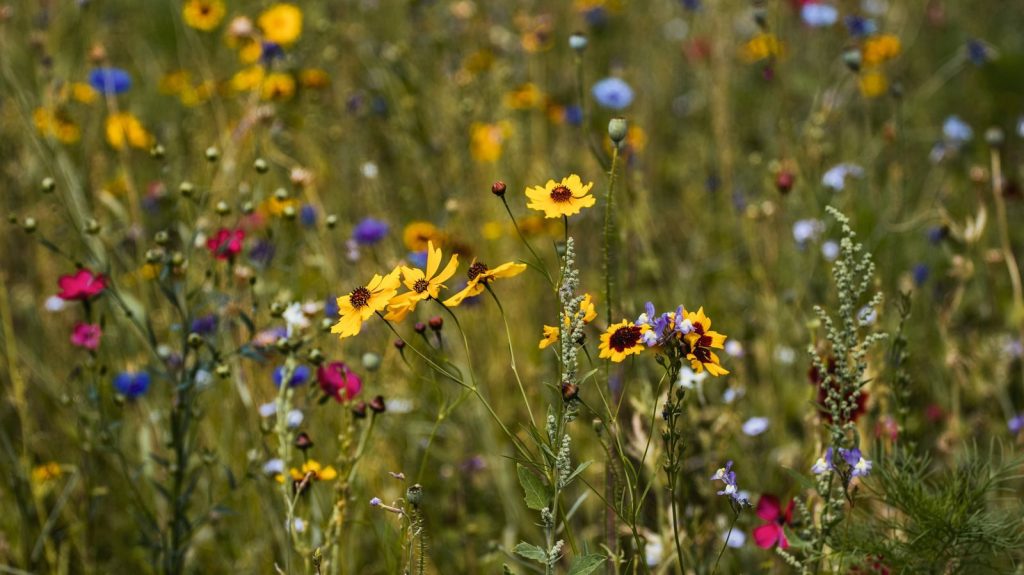
Habitat loss is one of the clearest reasons wild bees need more than public enthusiasm for honey bees. Native species require places to nest as well as flowers to feed on. Development, intensive land use, repeated disturbance, and simplified landscapes can remove bare soil, stems, wood cavities, and season-long floral resources. U.S. Fish and Wildlife Service guidance identifies habitat loss alongside pesticides and disease as major pressures on native bees. Restoring diverse native vegetation and nesting habitat directly addresses resources that wild populations need.
Better Conservation
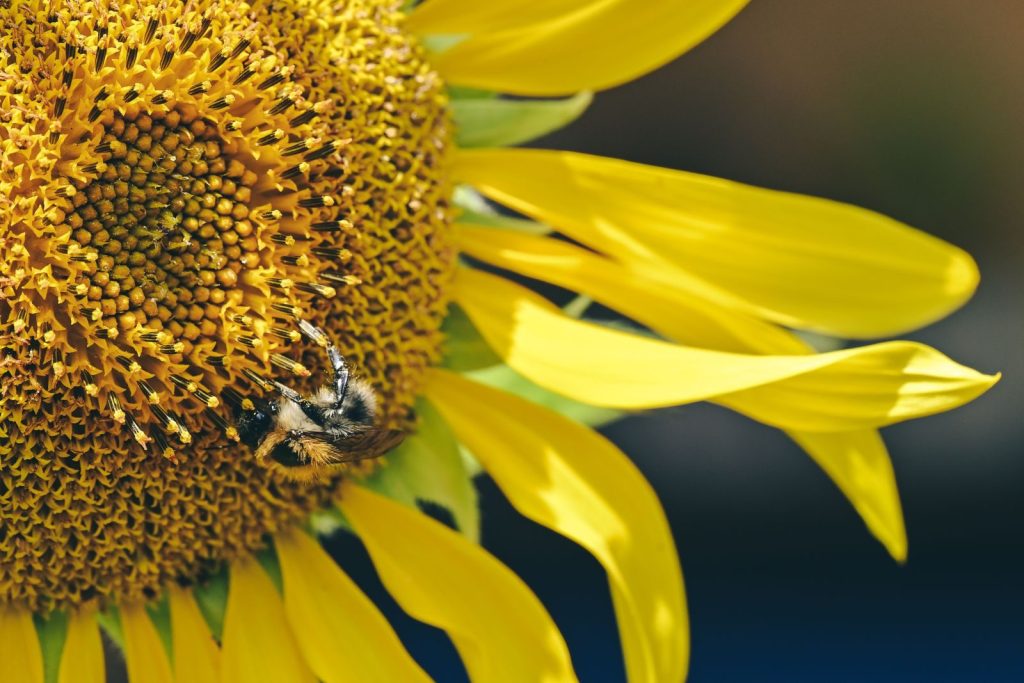
The practical lesson is not to stop caring about honey bees. It is to widen the definition of what “saving the bees” means. Planting diverse native flowers, preserving nesting areas, reducing unnecessary pesticide exposure, supporting habitat restoration, and learning which wild bees live locally can benefit a broader community of pollinators. Managed honey bees can remain valuable agricultural partners while conservation focuses on native biodiversity. The most effective response is therefore not choosing one bee over another, but matching actions to the species actually at risk.
Featured Image: Photo by Bastian Alexander-Coleman on Unsplash


