National Geographic released the two-part Secrets of the Bees in April 2026. Hosted by National Geographic Explorer Bertie Gregory, the documentary goes inside bee societies while also examining the pressures affecting their future.
Calling the story simply an “alarming decline of the honeybee” needs context. U.S. beekeepers experience high colony losses, but annual loss rates are not the same as a direct measure of total honey bee population decline because beekeepers can replace colonies.
Secrets of the Bees

Secrets of the Bees follows bees inside colonies and across the landscapes they pollinate. National Geographic says the documentary explores their social behavior, intelligence, survival strategies, and threats. Entomologist Samuel Ramsey, whose research includes honey bee parasites, appears as a featured scientist. The production also reaches beyond western honey bees to show the remarkable diversity of bee behavior. That wider approach matters because “bees” are not one biological group with one conservation problem; managed honey bees and thousands of wild bee species face different pressures.
Honey Bee Pollination

Managed western honey bees play an enormous role in modern agriculture. USDA says honey bees are the primary commercial pollinator in the United States, while pollination contributes more than $18 billion in added crop-production revenue. Beekeepers can transport colonies to farms when flowering crops need pollination, making honey bees especially useful at agricultural scale. This economic importance is one reason high colony mortality matters even when beekeepers successfully rebuild hive numbers: replacing dead colonies costs time, money, queens, labor, and biological resources.
Varroa Mites

The parasitic Varroa destructor mite remains one of the biggest threats to managed honey bee health. Mites reproduce in colonies, feed on developing and adult bees, and help transmit damaging viruses. USDA describes Varroa as a major factor in colony losses. The challenge continues to evolve because mites can develop resistance to treatments. USDA Agricultural Research Service reported in February 2026 that genetic resistance to the widely used miticide amitraz is creating a need for more effective control strategies.
Honey Bee Viruses

Varroa damage becomes even more serious because mites can transmit viruses among honey bees. Deformed wing virus is one of the best-known examples and can contribute to badly impaired workers and weakened colonies. USDA emphasizes that parasites, pathogens, nutrition, and pesticide exposure often interact rather than acting as isolated problems. This is why scientists generally avoid claiming that one single factor explains every colony failure. A colony coping with parasites may be less able to withstand additional nutritional, disease, weather, or chemical stress.
Bee Nutrition
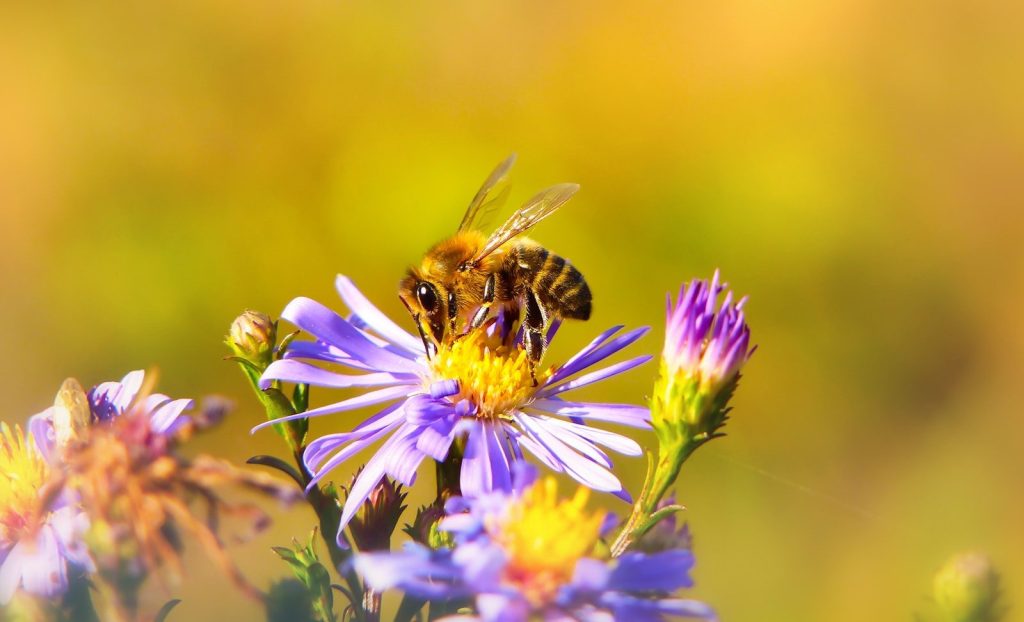
Honey bees naturally gather nectar and pollen from many flowering plants, and pollen provides important nutrients. USDA identifies poor nutrition as one of the major categories of stress affecting colony health. Landscapes dominated by short flowering periods or limited plant diversity can leave colonies with fewer food options at other times of year. Beekeepers sometimes supplement food during shortages, but maintaining diverse flowering habitat remains valuable. The documentary’s conservation message therefore extends beyond individual hives to the landscapes where bees must find enough nutritious forage to function.
Pesticide Exposure

Pesticides are another part of the honey bee health picture, but the science is more complicated than saying all pesticides automatically cause colony collapse. USDA lists sublethal pesticide exposure among major honey bee stressors while emphasizing that real colonies encounter combinations of pesticides, pathogens, parasites, nutrition, and environmental conditions. Risk also varies with chemical, dose, application method, and timing. For the public, USDA recommends avoiding indiscriminate pesticide use and avoiding applications when bees are actively foraging on flowering plants whenever label directions and pest-management choices allow.
Recent Colony Losses

The 2025–2026 U.S. Beekeeping Survey estimated that participating beekeepers lost 39.9% of managed colonies over the year from April 2025 through April 2026. That was substantially lower than the previous year’s unusually high losses and slightly below the survey’s running 15-year annual-loss average of 42.3%. Importantly, researchers explicitly warn that colony-loss rates are mortality rates, not direct measures of population change, because beekeepers split surviving colonies, buy replacements, and rebuild their operations.
Honey Bees and Wild Bees

Managed honey bees should not be treated as a substitute for wild pollinator conservation. The United States has thousands of native bee species with different diets, nesting habits, ranges, and conservation needs. Some nest in soil, others use hollow stems or wood, and many cannot be managed like honey bees. National Geographic’s broader bee-focused documentary helps make that distinction visible. Supporting pollinators therefore means protecting diverse habitat and native species as well as keeping commercially managed honey bee colonies healthy enough to sustain agricultural pollination.
Featured Image: Photo by MAG Photography on Pexels