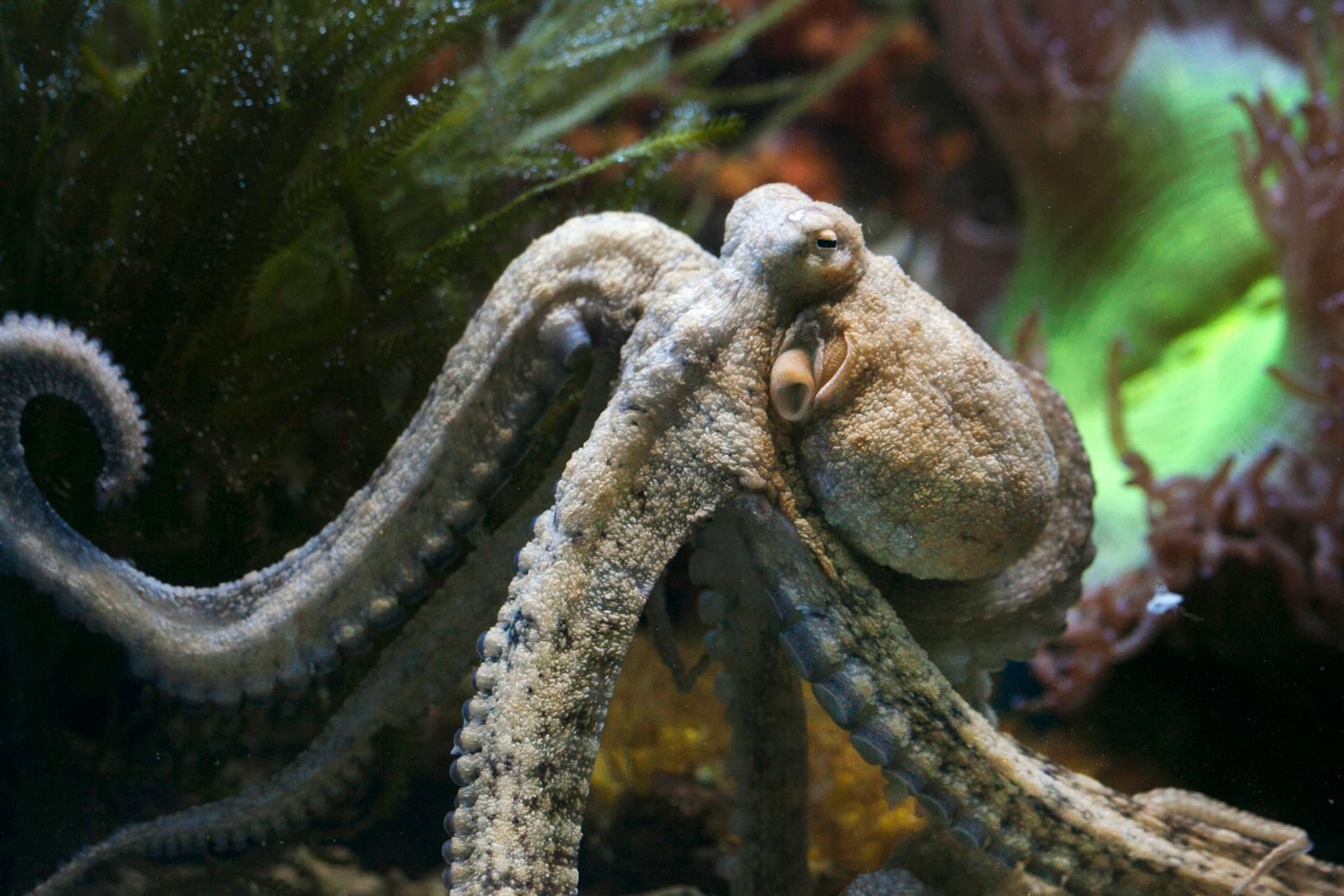
Many wild animals may look fascinating, intelligent, or even affectionate, but that does not mean they belong in a home. While exotic pet ownership has become increasingly popular in some parts of the world, many species have complex needs that are difficult, expensive, or even impossible to meet in captivity. In some cases, keeping these animals as pets can be dangerous for both humans and the animals themselves.
Here are some of the worst animals to keep as pets and the reasons why they are better left in the wild.
Primates Are Too Intelligent for Captivity
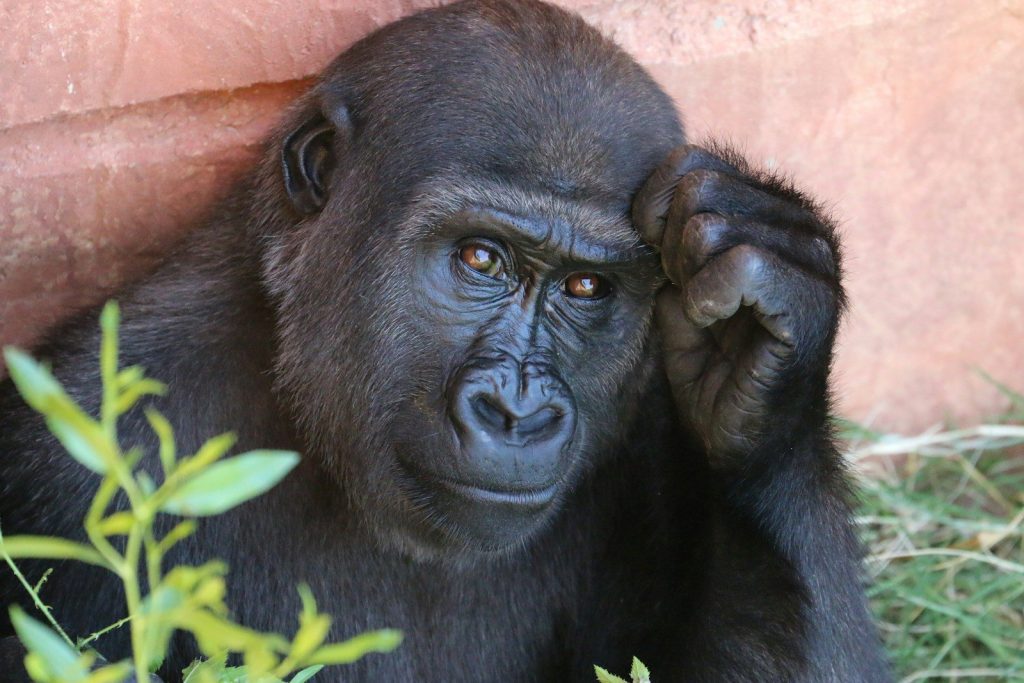
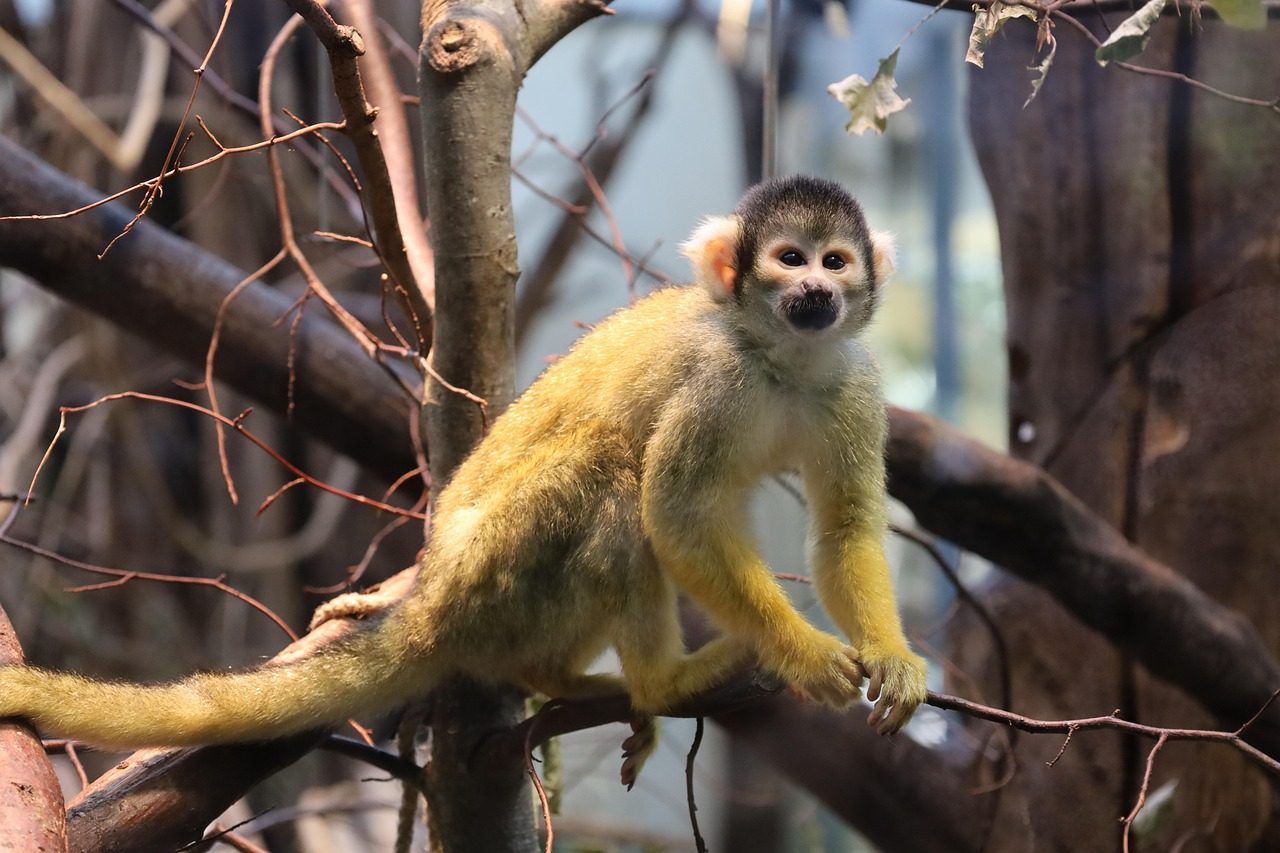
Monkeys and other primates are often portrayed as playful and human-like companions, but they make extremely challenging pets. These animals are highly intelligent and require constant mental stimulation, social interaction, and large living spaces.
As they mature, many primates become aggressive and unpredictable. They can bite, scratch, and cause serious injuries, even to owners they have known for years. Their emotional and social needs are also difficult to satisfy outside their natural environments.
Big Cats Never Lose Their Wild Instincts
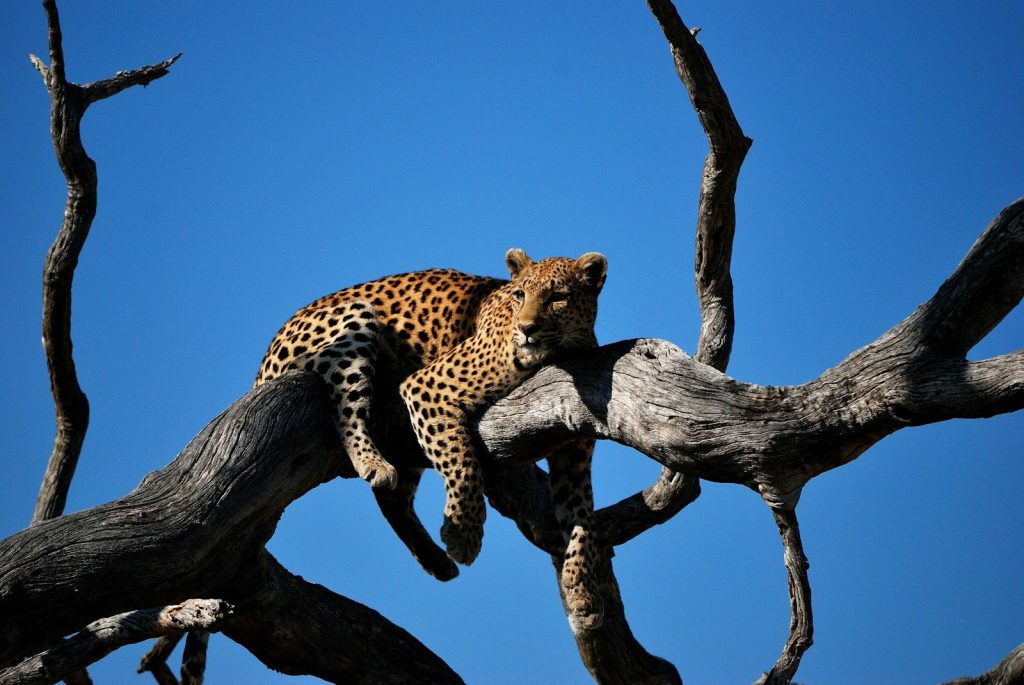
Lions, tigers, leopards, and other large cats may be impressive animals, but they remain powerful predators regardless of how they are raised. Even individuals that appear tame can suddenly act on instinct.
Big cats require enormous territories, specialized diets, and extensive veterinary care. Keeping them in private homes often leads to poor welfare conditions and poses significant risks to owners and neighbors. Many exotic cats eventually end up in sanctuaries after becoming too difficult to manage.
Bears Are Far Too Dangerous
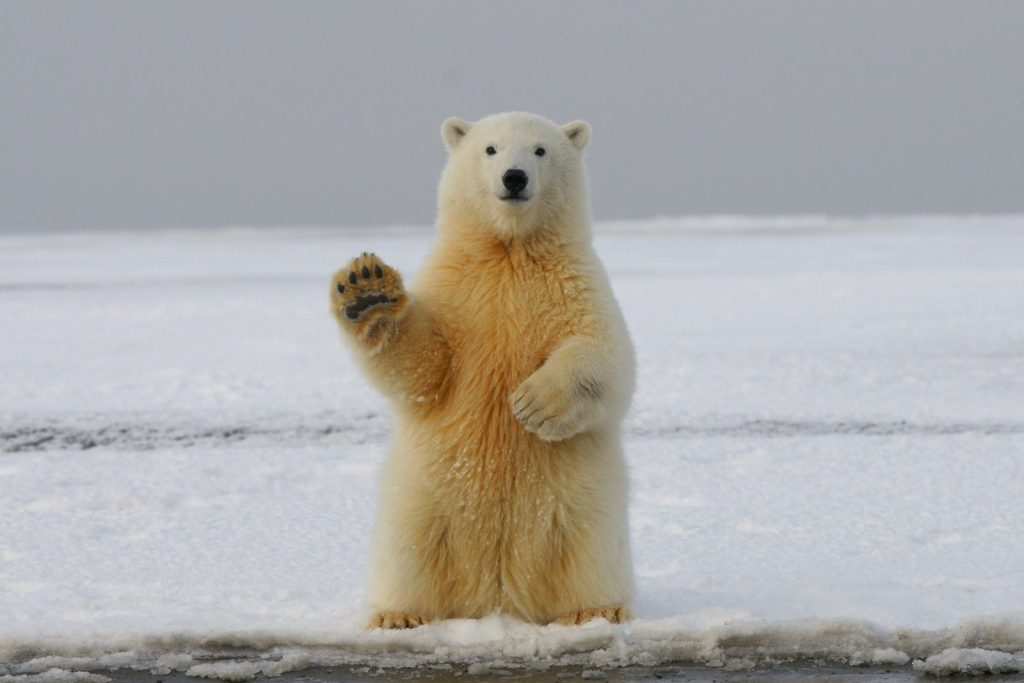
Bear cubs may seem adorable, but they quickly grow into some of the strongest animals on Earth. Adult bears can weigh hundreds of pounds and possess immense strength capable of causing devastating injuries.
They require large natural habitats, complex diets, and opportunities to engage in natural behaviors such as foraging and roaming. Captivity often causes stress and behavioral problems, making bears unsuitable as pets under any circumstances.
Venomous Reptiles Pose Serious Risks
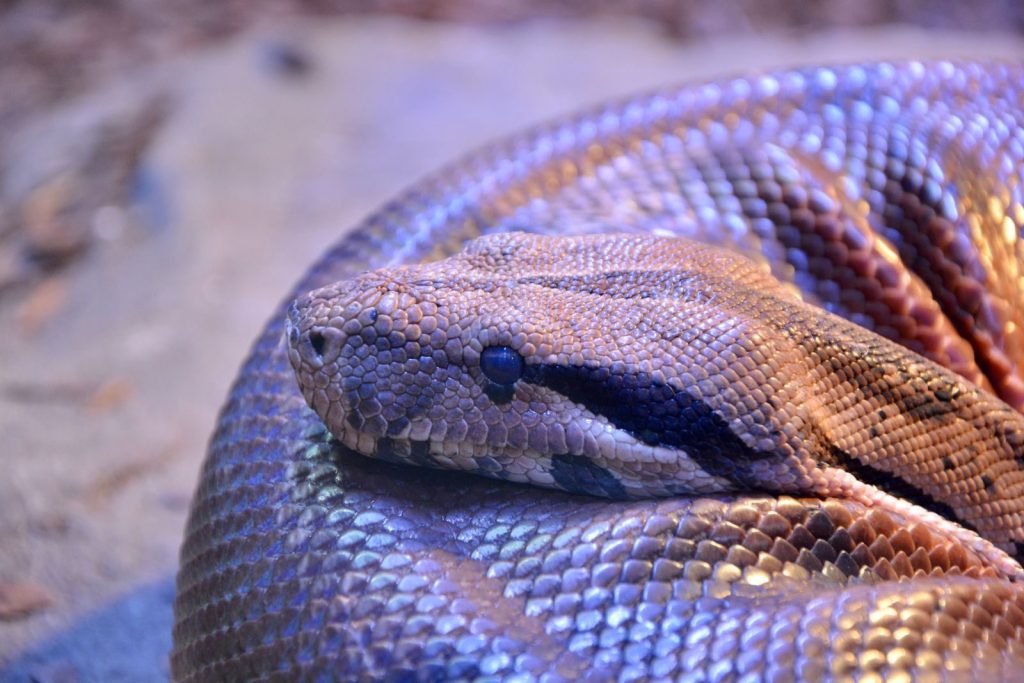
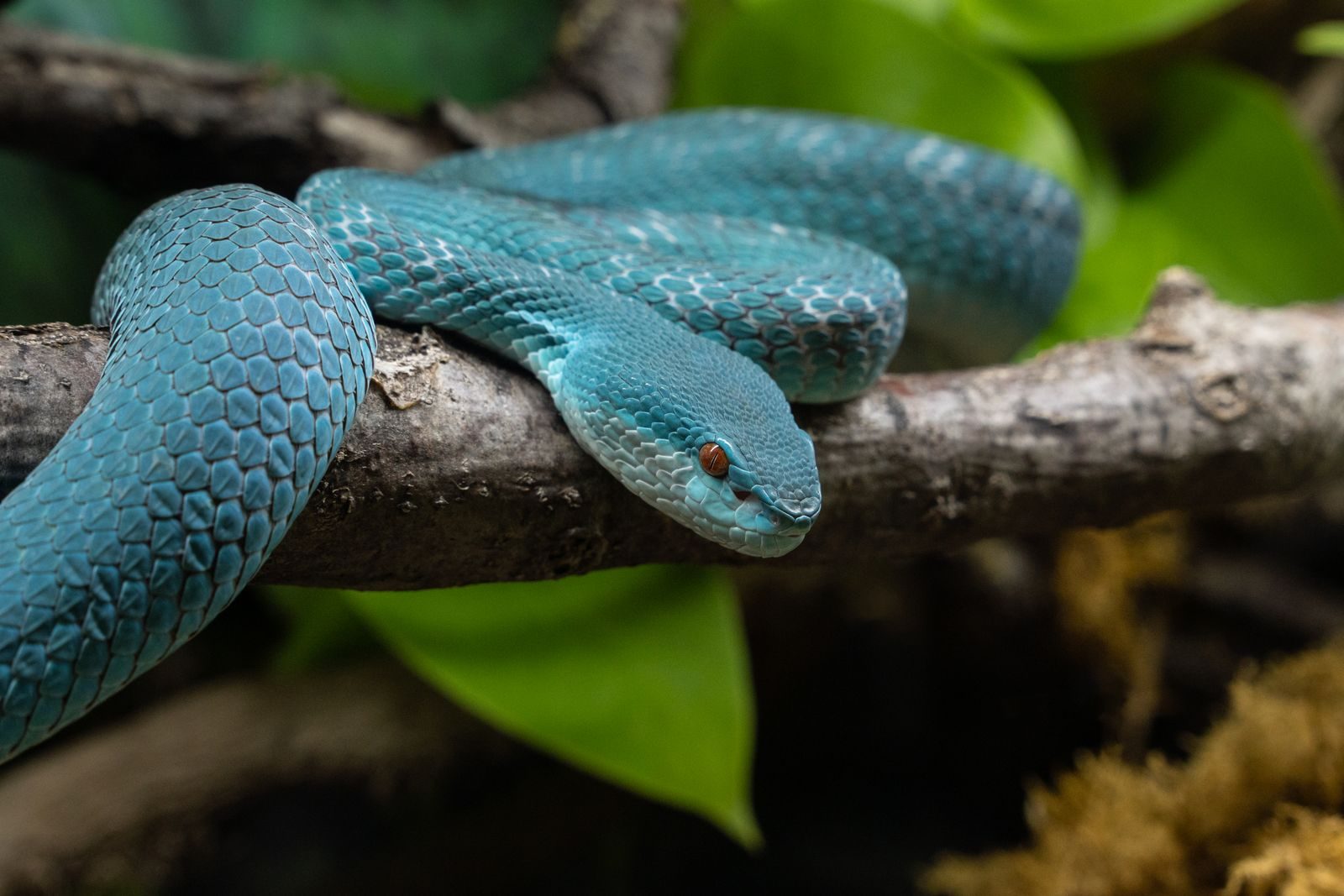
Snakes such as cobras, rattlesnakes, and vipers attract some exotic pet enthusiasts, but keeping venomous reptiles can be extremely dangerous. A single bite can cause severe injury or death, and antivenom is not always readily available.
Even experienced handlers face risks when caring for these animals. Escapes can also threaten family members, neighbors, and local wildlife.
Wolves and Wolf Hybrids Are Not Dogs
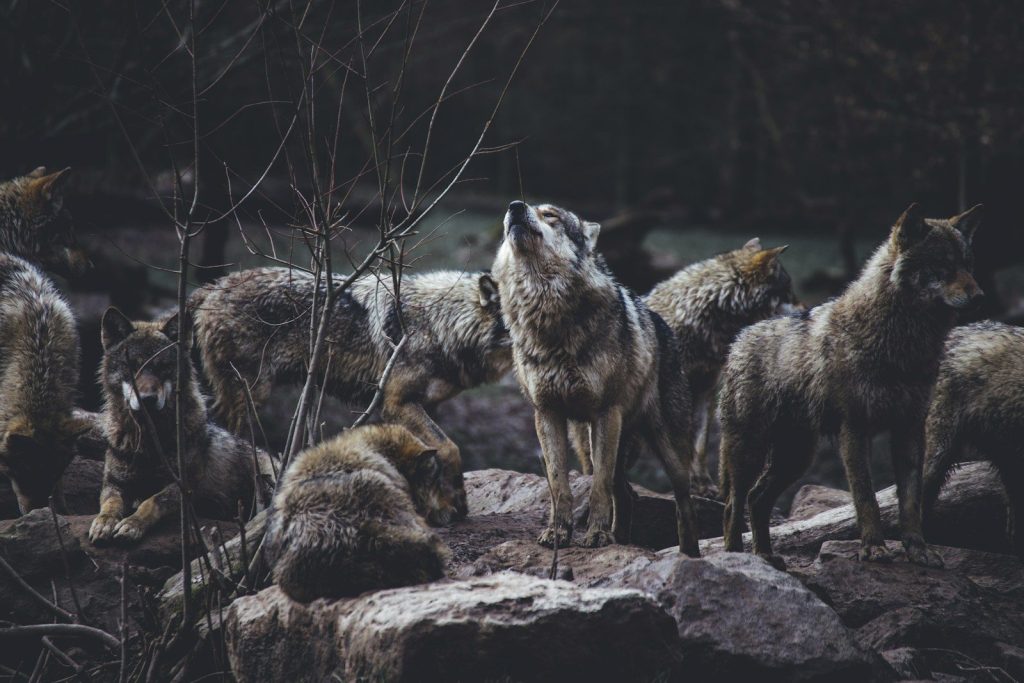
Many people assume wolves can be treated like large dogs, but their behavior is fundamentally different. Wolves are highly territorial, independent, and difficult to train.
Wolf hybrids often inherit unpredictable traits from both wolves and domestic dogs. They may become destructive, aggressive, or impossible to manage as adults. Their specialized social and environmental needs make them unsuitable for most households.
Crocodilians Require Specialized Care
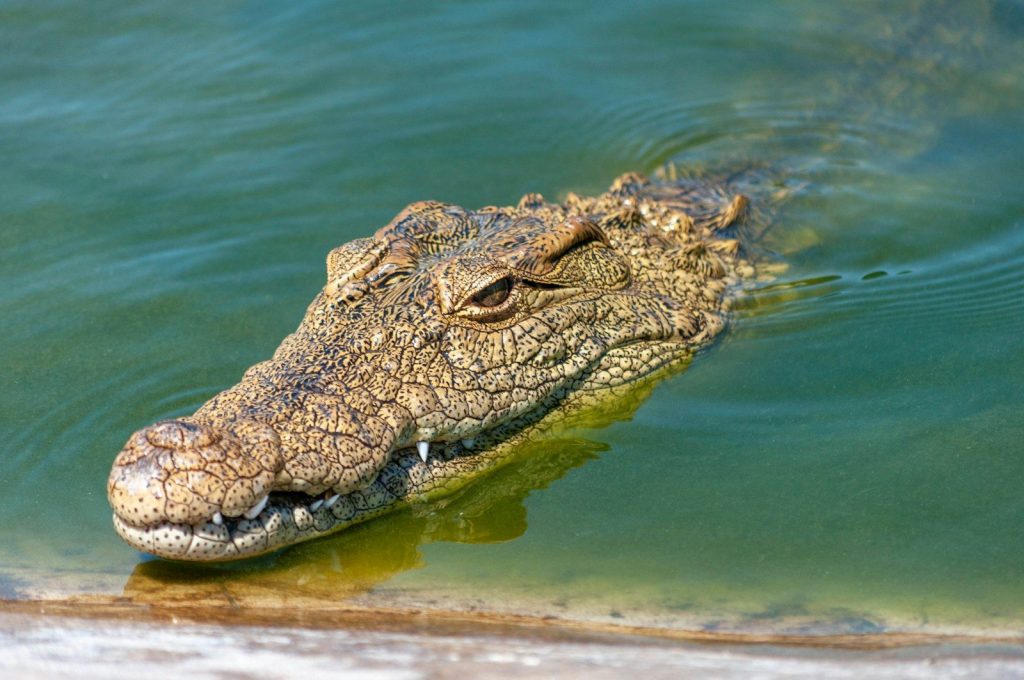
Alligators and crocodiles are among the most challenging reptiles to keep. They grow rapidly, can live for decades, and require large aquatic enclosures.
As they mature, they become increasingly dangerous. Their powerful jaws and territorial behavior make handling risky, even for professionals. Many pet crocodilians are eventually abandoned when owners realize the long-term commitment involved.
Sloths Are Poorly Suited to Domestic Life
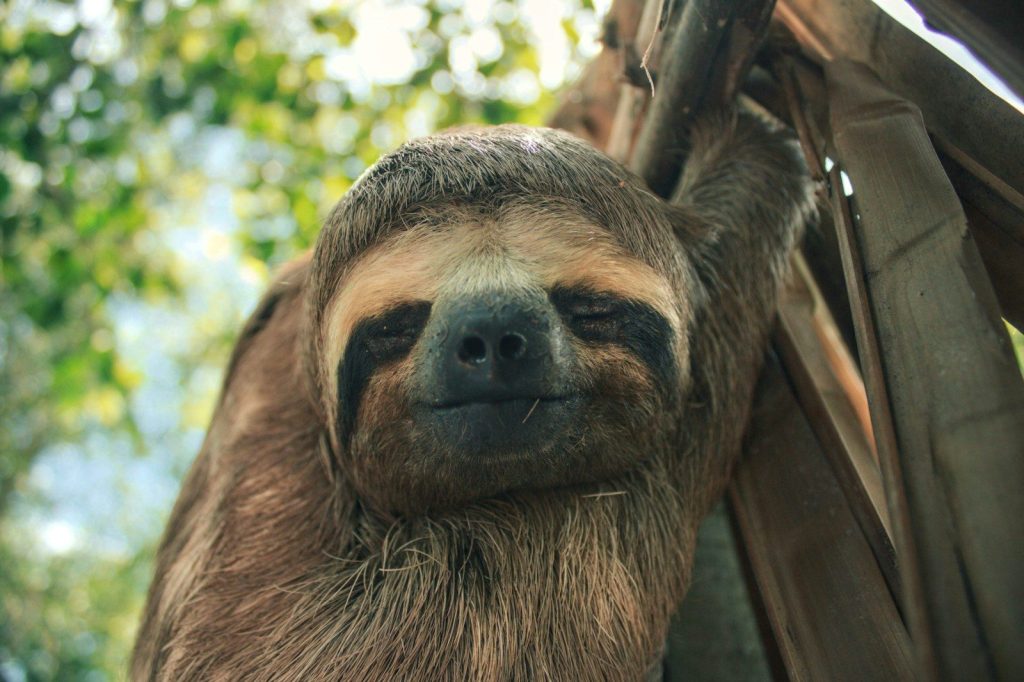
Sloths have become social media stars thanks to their gentle appearance and slow movements. However, these animals have highly specialized diets and environmental requirements that are difficult to replicate in captivity.
Sloths are also sensitive to stress and can suffer serious health issues when removed from their natural habitats. Despite their popularity, they rarely thrive as pets.
Raccoons Can Become Destructive
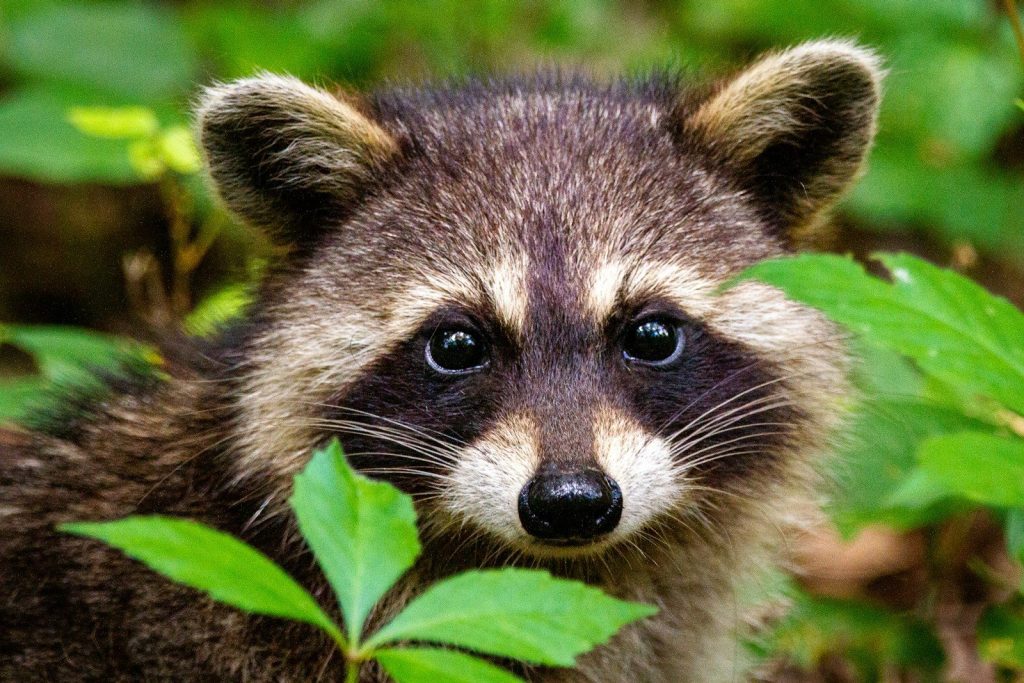
Raccoons are intelligent, curious, and capable of forming bonds with humans, but they are far from ideal companions. They often become destructive indoors, opening cabinets, damaging furniture, and creating messes.
They can also carry diseases and become aggressive when frightened or frustrated. In many places, keeping raccoons as pets is heavily regulated or illegal.
Exotic Birds Need More Than a Cage
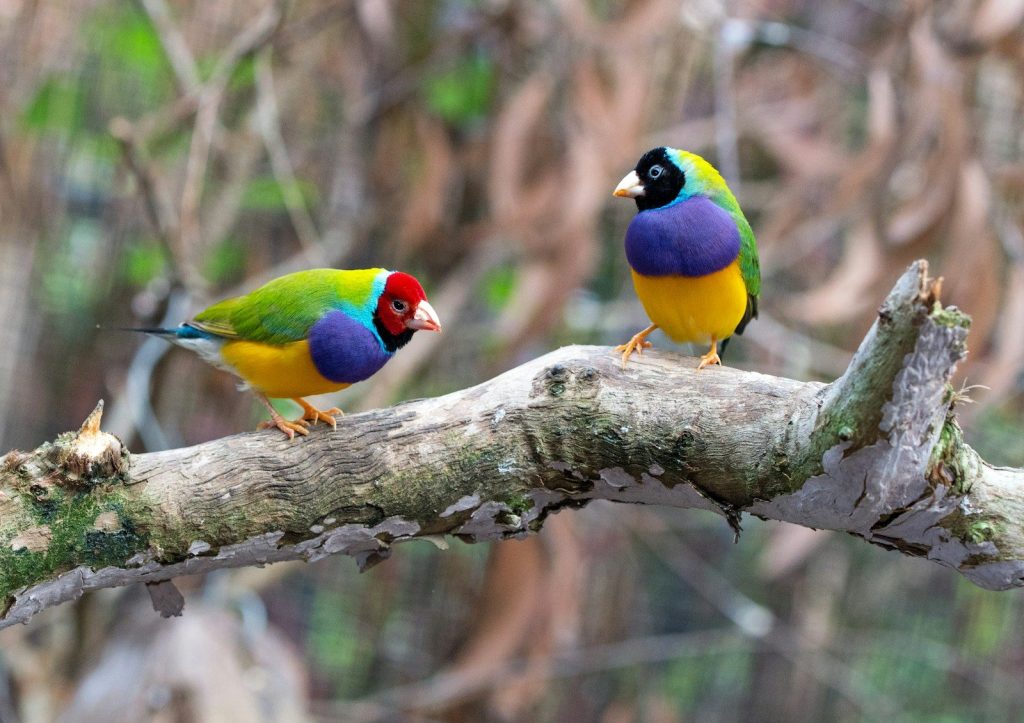
Large parrots and other exotic birds are incredibly intelligent and can live for decades. While they may be beautiful and entertaining, they require extensive social interaction and mental stimulation.
Without proper care, birds can develop behavioral problems such as feather plucking, excessive screaming, and self-harm. Their long lifespans also mean owners must be prepared for a commitment that can last more than 50 years.