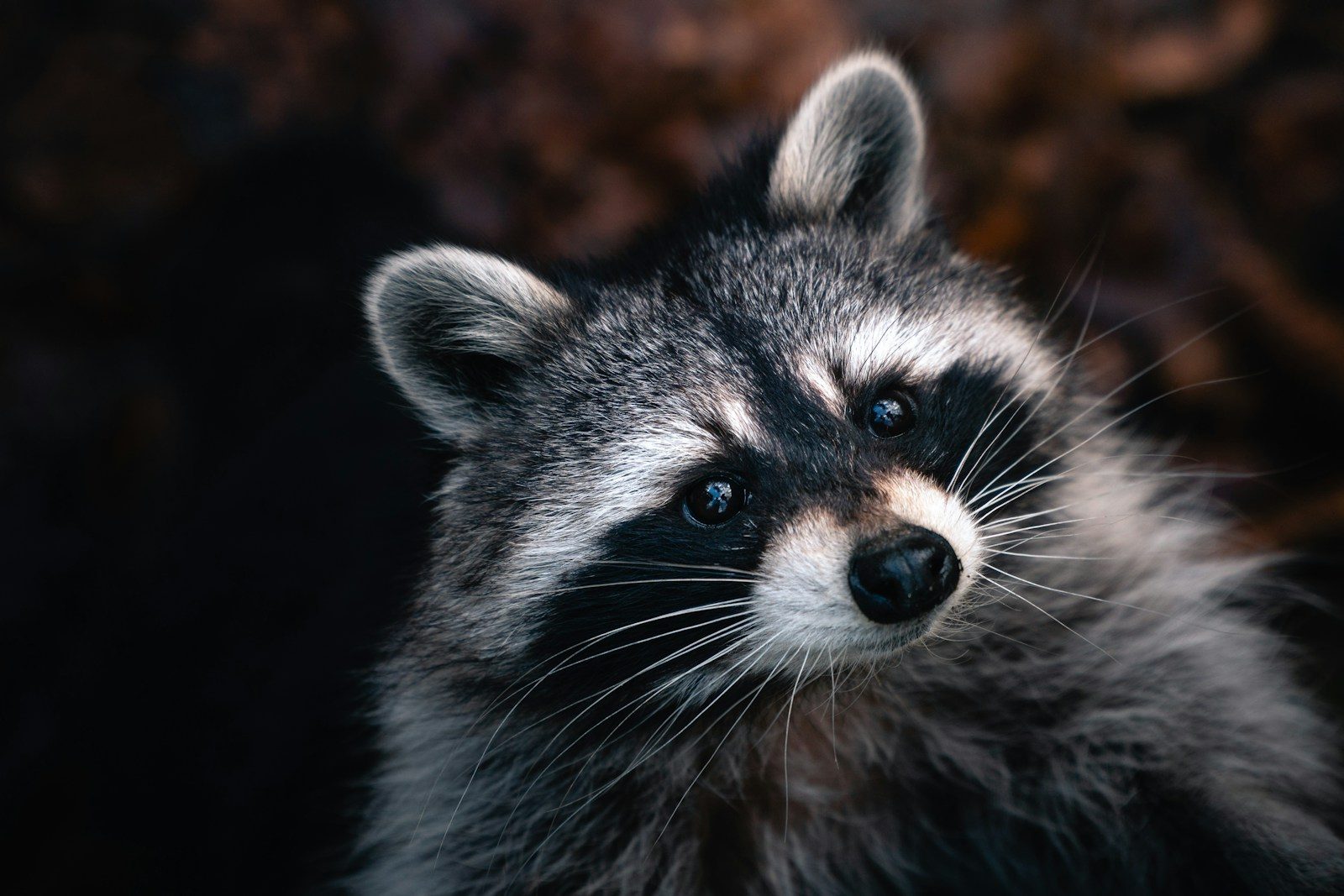
A simple act of kindness turned into an unexpected wildlife problem after a raccoon began regularly visiting a family’s porch and making itself completely at home. What first seemed like a cute encounter soon became a stressful situation for the household, especially with small children and a pet cat nearby.
The story has sparked conversations online about the dangers of feeding wild animals and how quickly wildlife can lose its natural fear of humans.
How the Raccoon Became a Regular Visitor
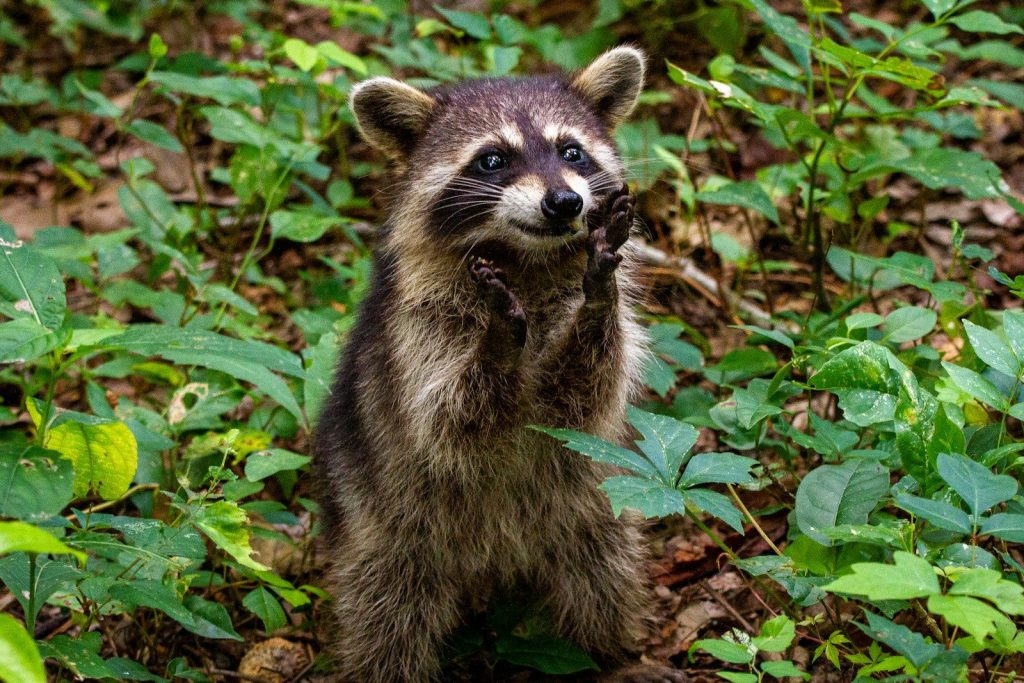
According to the family, the raccoon first appeared after one of the children fed it outside the home. Once the animal connected the porch with food, it kept returning again and again.
Eventually, the raccoon became so comfortable that it started lounging on outdoor furniture and lingering around the property for long periods. The family described the animal as surprisingly “friendly,” but that friendliness has created new concerns.
Wild animals often become bolder once they discover an easy source of food, especially in residential neighborhoods where garbage bins, bird feeders, and pet food are easy to access.
Why Feeding Wildlife Can Quickly Become Dangerous
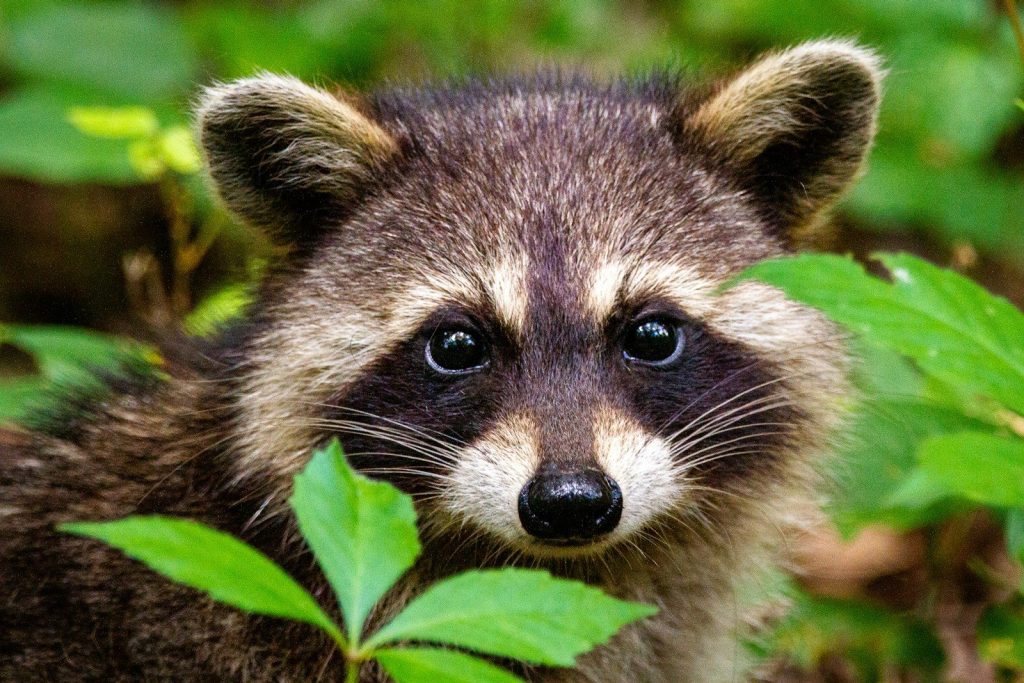
Experts consistently warn against feeding wild animals because it changes their natural behavior. Animals that lose their fear of people may approach homes more frequently, become dependent on human food sources, or act aggressively if food is unavailable.
Raccoons, despite their cute appearance, are still wild animals capable of scratching, biting, and carrying diseases such as rabies and roundworm parasites.
Even a single feeding incident can teach wildlife to associate humans with food rewards, creating long-term problems for both the animal and the neighborhood.
The Hidden Risks for Families and Pets
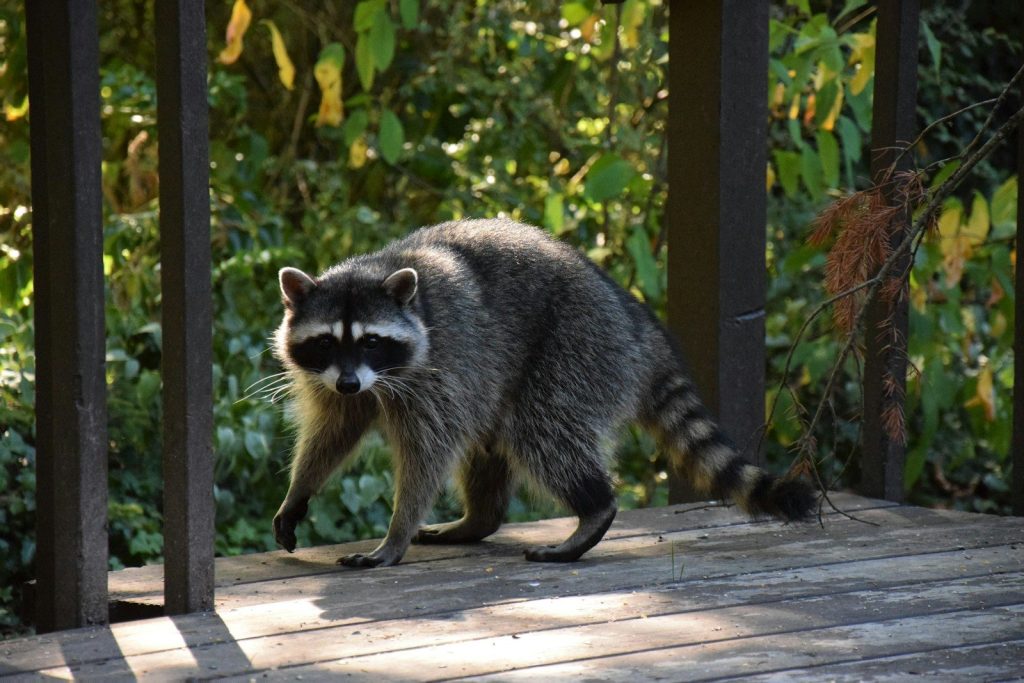
The family explained that the raccoon’s continued presence has become stressful because they have young children and a cat living in the home.
Friendly behavior does not guarantee safety. Wildlife experts note that raccoons can become defensive if startled or cornered, especially around pets or noisy environments.
Children may also mistakenly assume the animal is harmless and try to approach or touch it, increasing the risk of injury or disease transmission.
Humane Ways to Encourage Wildlife to Leave

Wildlife specialists recommend avoiding direct confrontation with raccoons and instead making the area less attractive to them. Securing garbage bins, removing outdoor food sources, cleaning up spilled birdseed, and bringing pet food indoors can help discourage repeat visits.
Experts also suggest using motion-activated lights or sprinklers and safely blocking access to hiding spaces beneath porches or decks. The goal is to encourage the raccoon to leave naturally without harming the animal.
Why Relocation Is Not Always the Best Solution
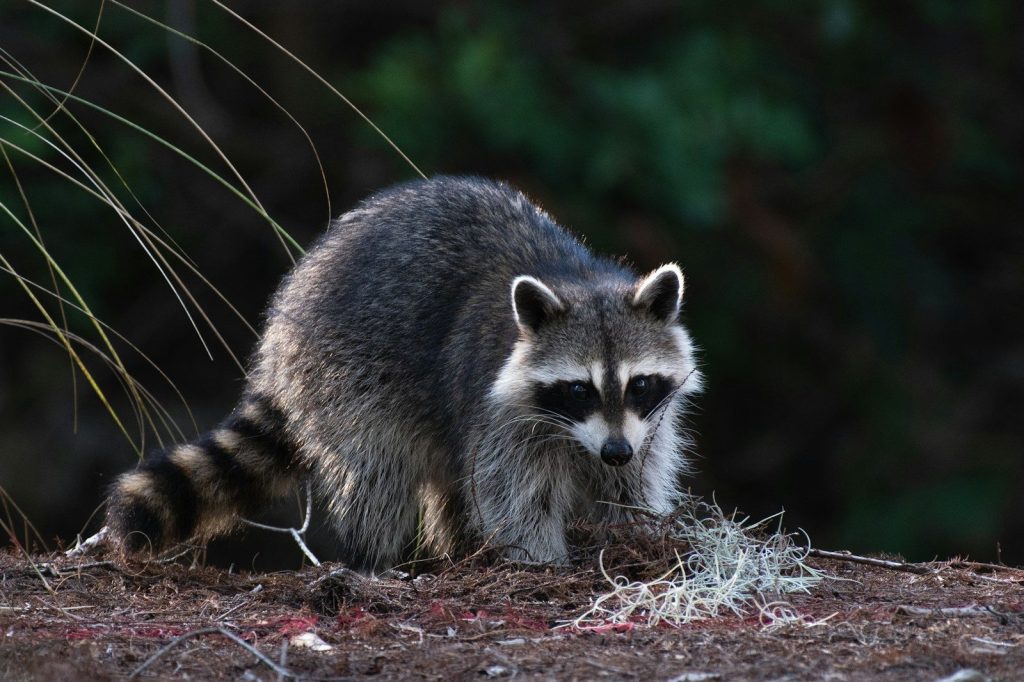
Many people assume trapping and relocating wildlife is the easiest answer, but experts say relocation can often be stressful or deadly for the animal.
Raccoons moved into unfamiliar territory may struggle to find food, avoid predators, or compete with local wildlife. In some regions, relocation is also restricted by law because it can spread disease.
That is why wildlife agencies typically focus on prevention and habitat modification rather than simply moving animals elsewhere.
A Reminder About Living Alongside Wildlife
The story highlights how closely humans and wildlife now coexist, especially in suburban and urban areas where animals are constantly adapting to human environments.
What started as a harmless interaction quickly evolved into a complicated situation for the family and the raccoon alike. Experts say the best way to avoid similar problems is simple: admire wildlife from a distance and never feed wild animals, no matter how friendly they appear.
Sometimes the cutest encounters can create the biggest challenges.