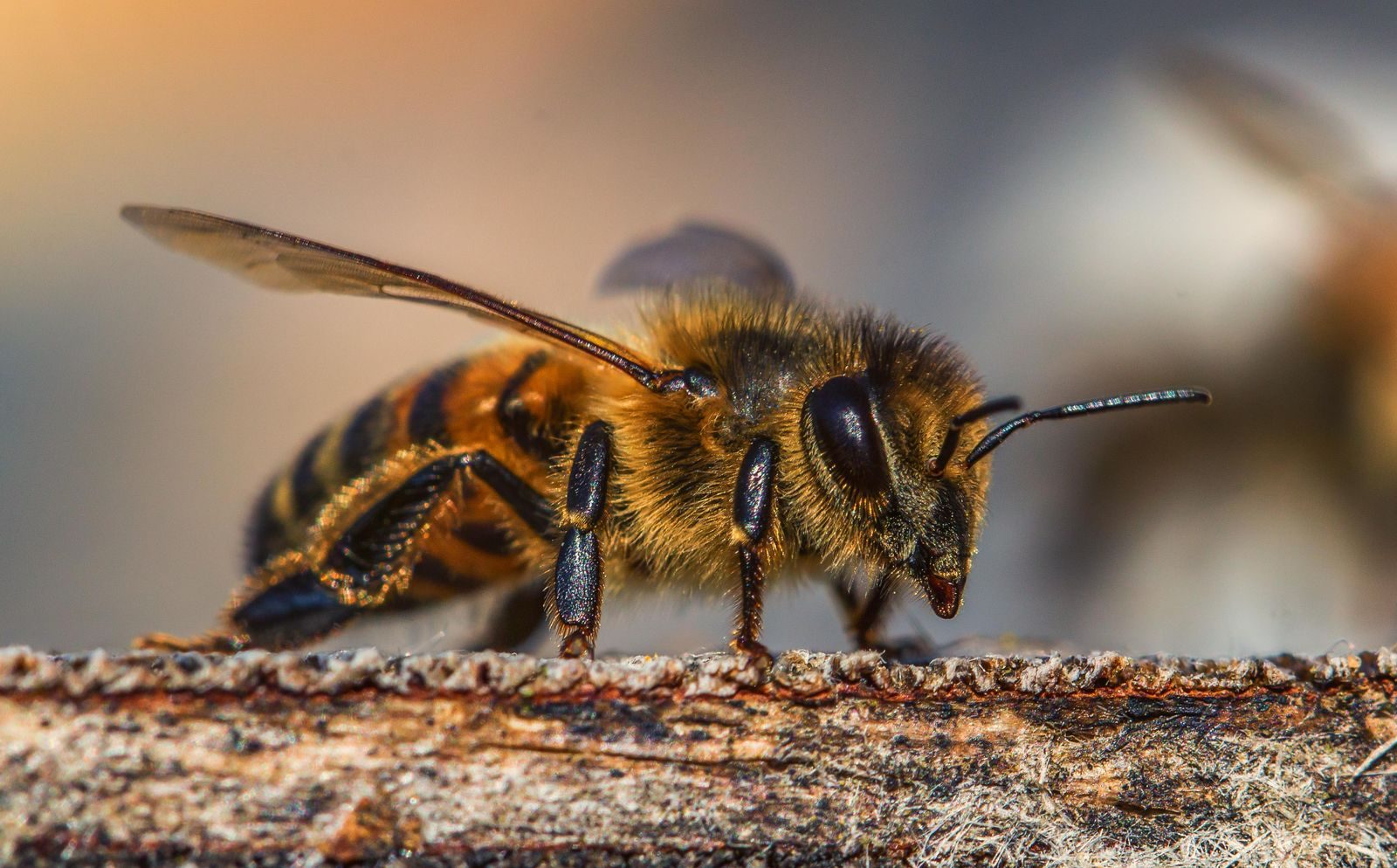
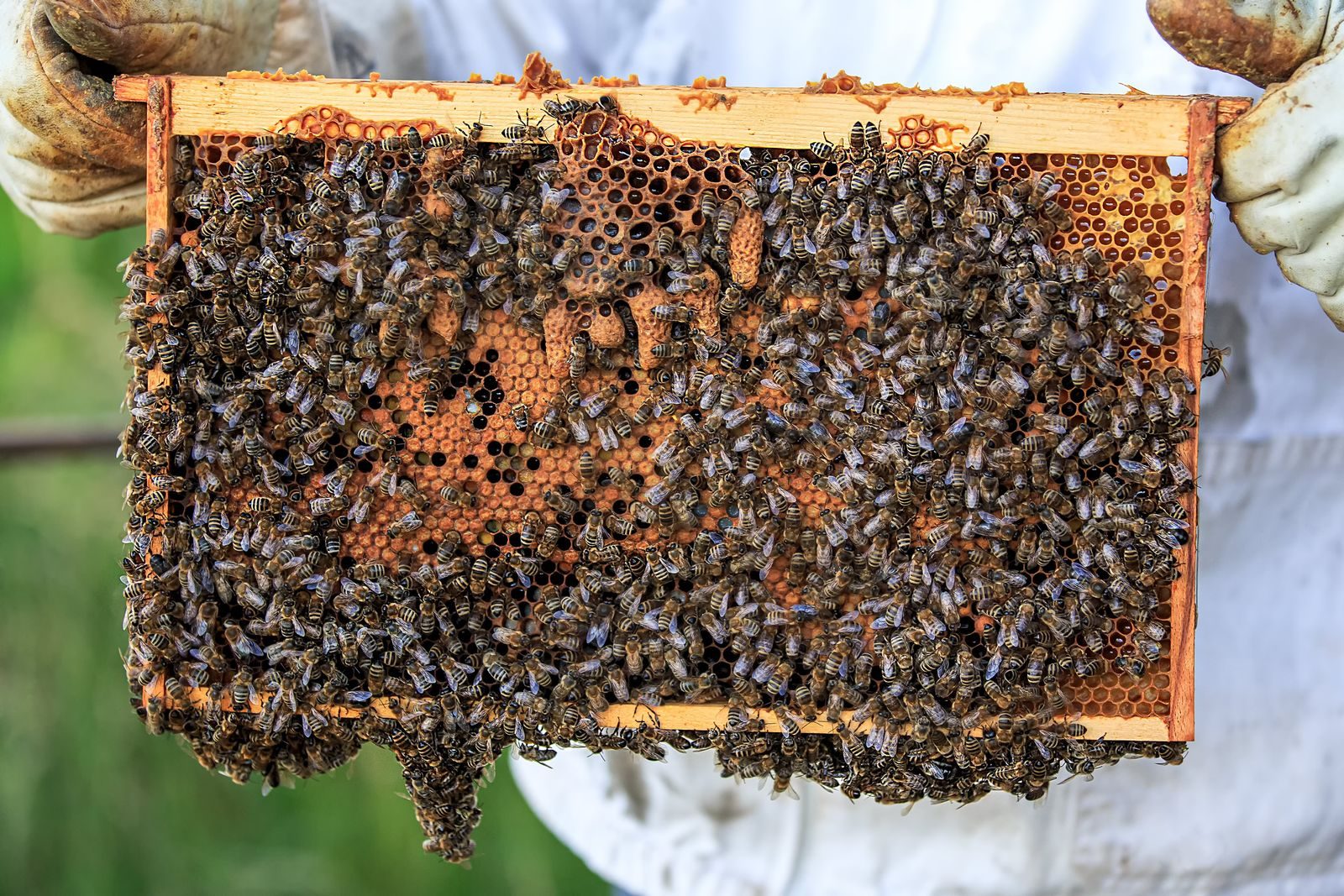
Honey bees may be small, but their daily activities have an enormous impact on ecosystems around the world. Every flight between flowers, every drop of nectar collected, and every task inside the hive contributes to the survival of the colony. These tiny insects play an important role in pollination, helping many plants reproduce and supporting food systems that humans and wildlife depend on.
Behind every honey bee’s journey is a carefully organized life filled with different responsibilities. Worker bees perform many jobs throughout their short lives, adapting their roles as the needs of the colony change. Their teamwork, communication, and connection with plants make them one of nature’s most important and fascinating insects.
Worker Bees Run the Hive

Worker bees are female bees that perform nearly every task needed to maintain a colony. Unlike the queen, they do not reproduce, but their work keeps the hive functioning. Young worker bees usually begin with tasks inside the hive, such as cleaning cells and feeding larvae. As they age, they take on more demanding roles, including guarding the entrance and collecting food. Each bee contributes to the colony’s survival through cooperation and specialized duties.
Bees Begin Life as Cleaners

A worker bee’s first responsibilities usually happen inside the hive. Young bees clean empty honeycomb cells so they can be reused for storing food or raising new bees. This cleaning process helps maintain hive health and prepares the colony for future growth. Worker bees may also remove waste and help maintain proper conditions inside the hive. These early tasks are essential because a clean and organized environment allows the colony to develop successfully.
Nurse Bees Care for Young

Some worker bees become nurse bees, caring for developing larvae inside the hive. They provide food made from substances produced by worker bees and carefully maintain the conditions needed for young bees to grow. Nurse bees also monitor the health of developing individuals and help regulate the colony’s population. Their work ensures that future generations of workers and queens can continue the colony’s activities.
Guard Bees Protect the Entrance

A honey bee hive requires protection from threats such as insects, animals, and unwanted visitors. Some worker bees become guard bees, staying near the entrance and checking bees that return to the colony. They use scent recognition to identify members of their own hive. If they detect a threat, they can alert other bees and help defend the colony. This protective role helps keep the hive safe while allowing normal activity to continue.
Foragers Travel for Food

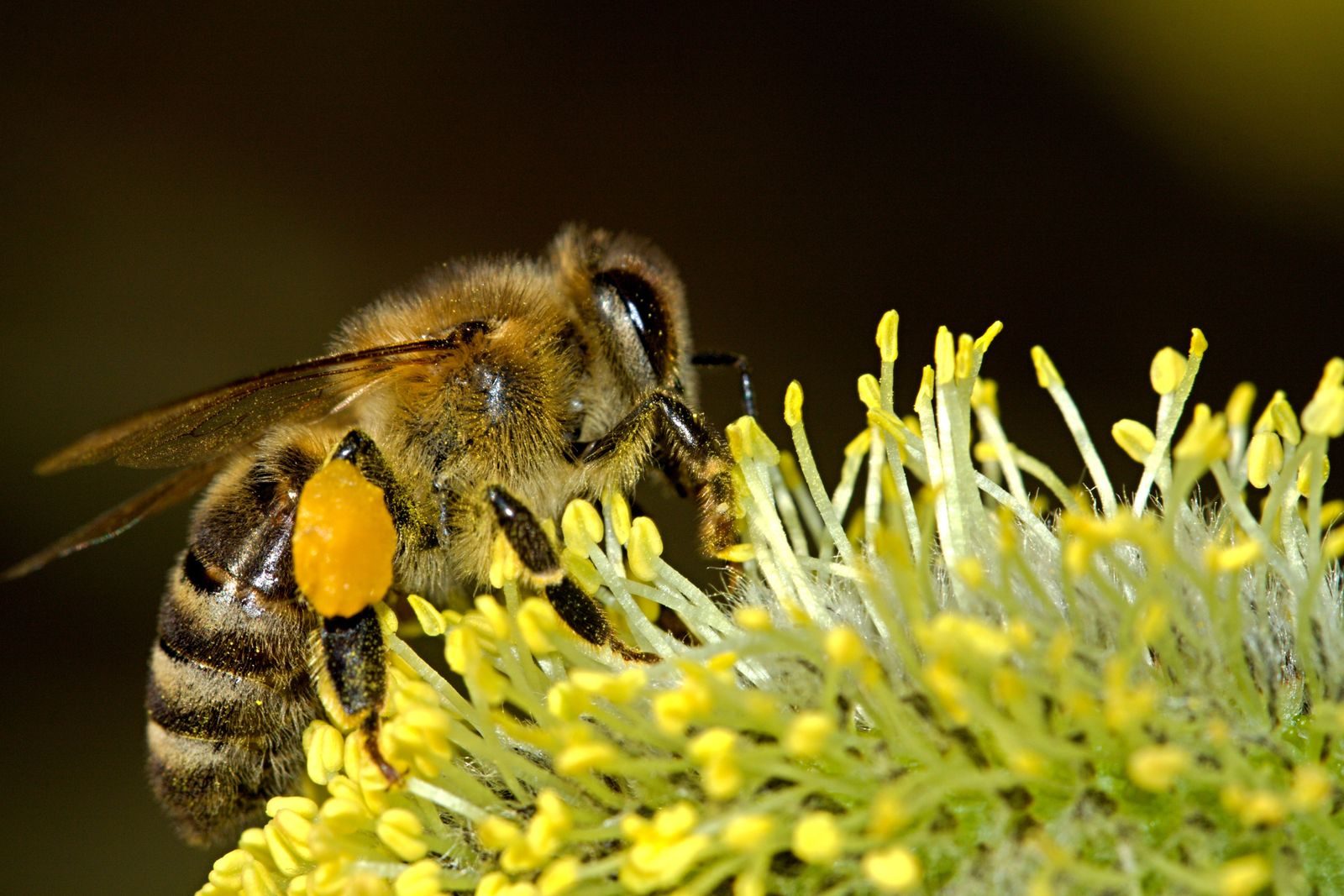
Older worker bees often become foragers, leaving the hive to collect nectar, pollen, water, and plant resources. These journeys can take bees hundreds or thousands of trips throughout their lives. Using their sense of smell, vision, and memory, foragers locate flowers and return with valuable resources. Their movement between plants also makes them important pollinators, transferring pollen that helps many flowering plants produce seeds and fruit.
Bees Communicate Through Movement
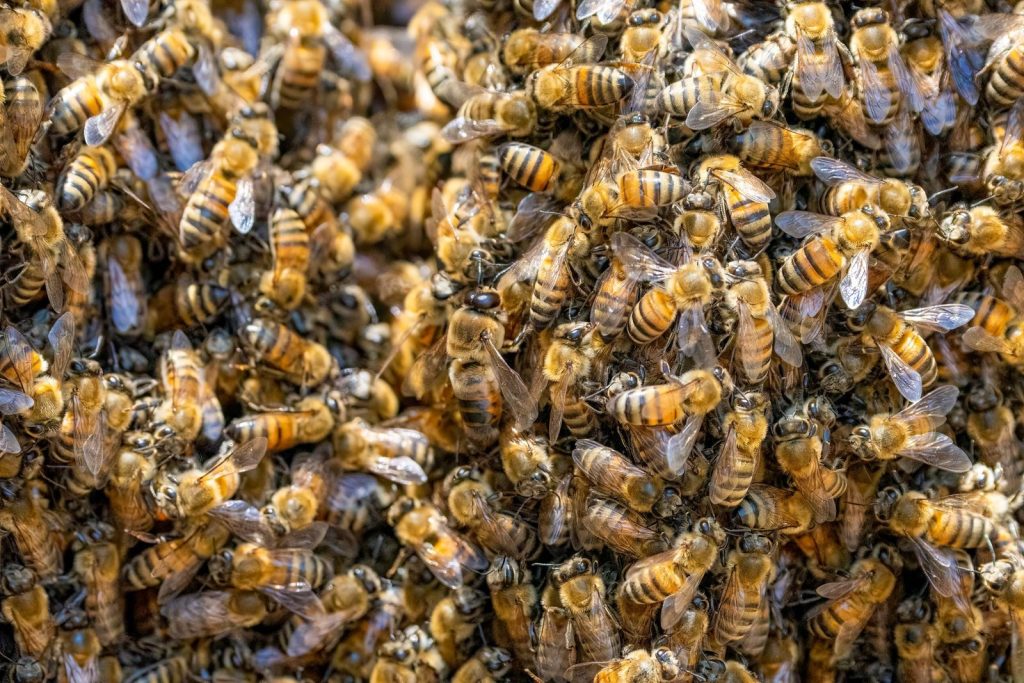
Honey bees have developed remarkable ways to share information with their colony. One famous example is the waggle dance, where a returning forager communicates the location of a food source. The direction and duration of the dance provide clues that help other bees find flowers. This communication system allows the colony to work efficiently by sharing information instead of relying on random searching.
Pollination Connects Bees and Plants

Honey bees are among the best-known pollinators because they transfer pollen as they move between flowers. When pollen reaches another flower of the same plant species, fertilization can occur, allowing fruits and seeds to develop. Many crops benefit from pollination, including fruits, vegetables, and nuts. While honey bees are not responsible for all pollination worldwide, they are valuable contributors to agricultural systems and natural ecosystems.
Bees Adapt to Their Environment
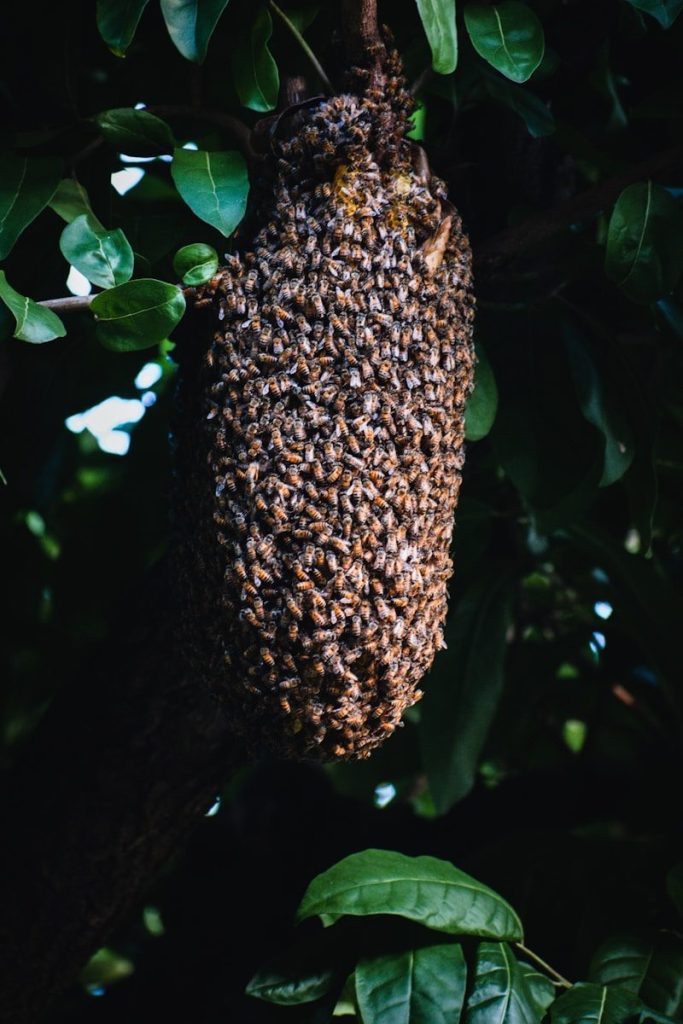
Honey bee colonies constantly adjust their behavior based on environmental conditions. Worker bees may change tasks depending on factors such as food availability, weather, and colony needs. If resources become limited, more bees may focus on searching for food. If the colony faces danger, defensive activities may increase. This flexibility allows bee colonies to survive in changing environments and maintain balance within the hive.
A Small Insect With a Big Role

The daily work of a honey bee shows how even the smallest creatures can influence the natural world. From caring for young bees to helping plants reproduce, worker bees perform countless tasks that support life around them. Their organized behavior demonstrates the importance of cooperation in nature. Protecting bee populations means protecting an important connection between insects, plants, wildlife, and human food systems.
Featured Image: Photo by Bastian Alexander-Coleman on Unsplash