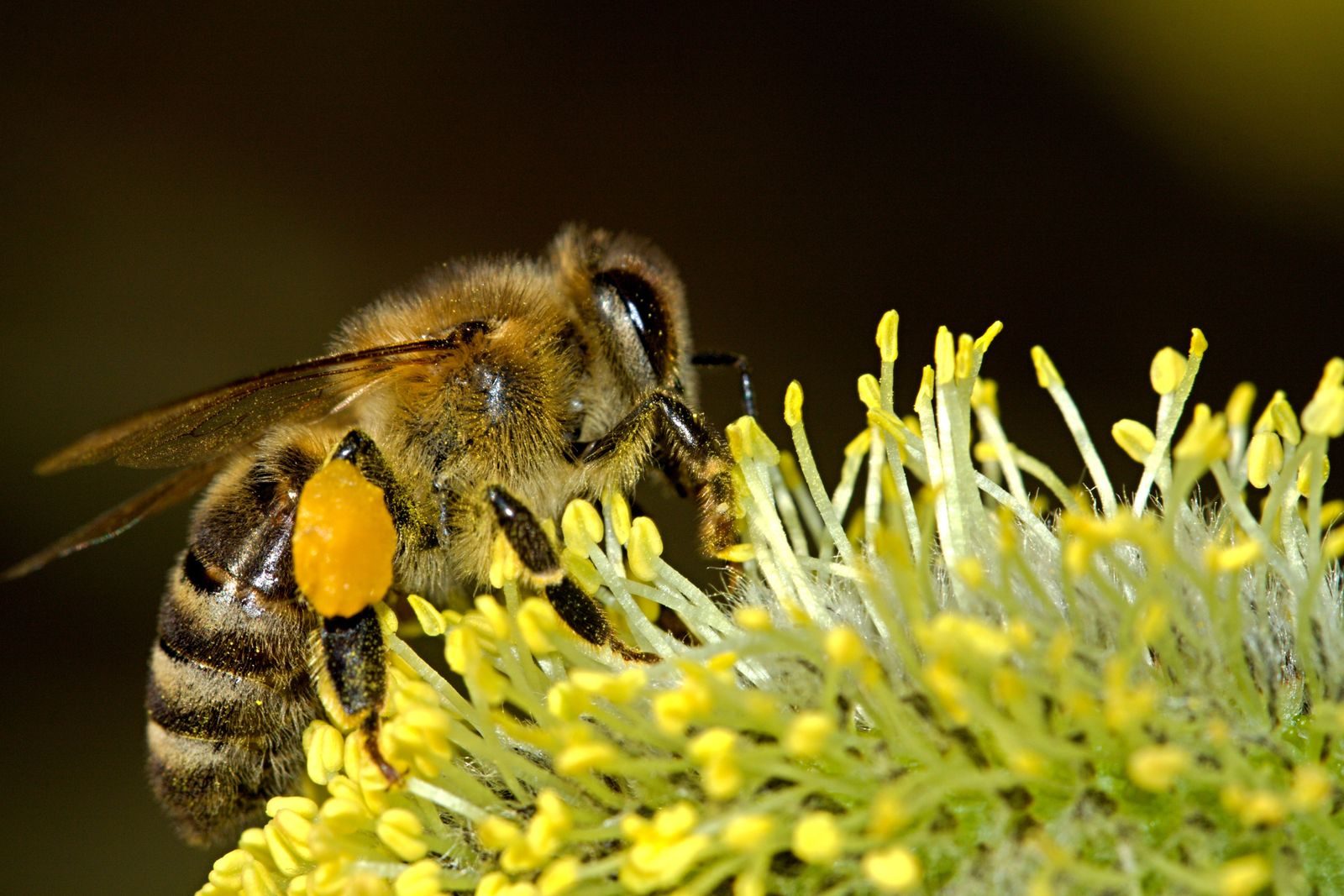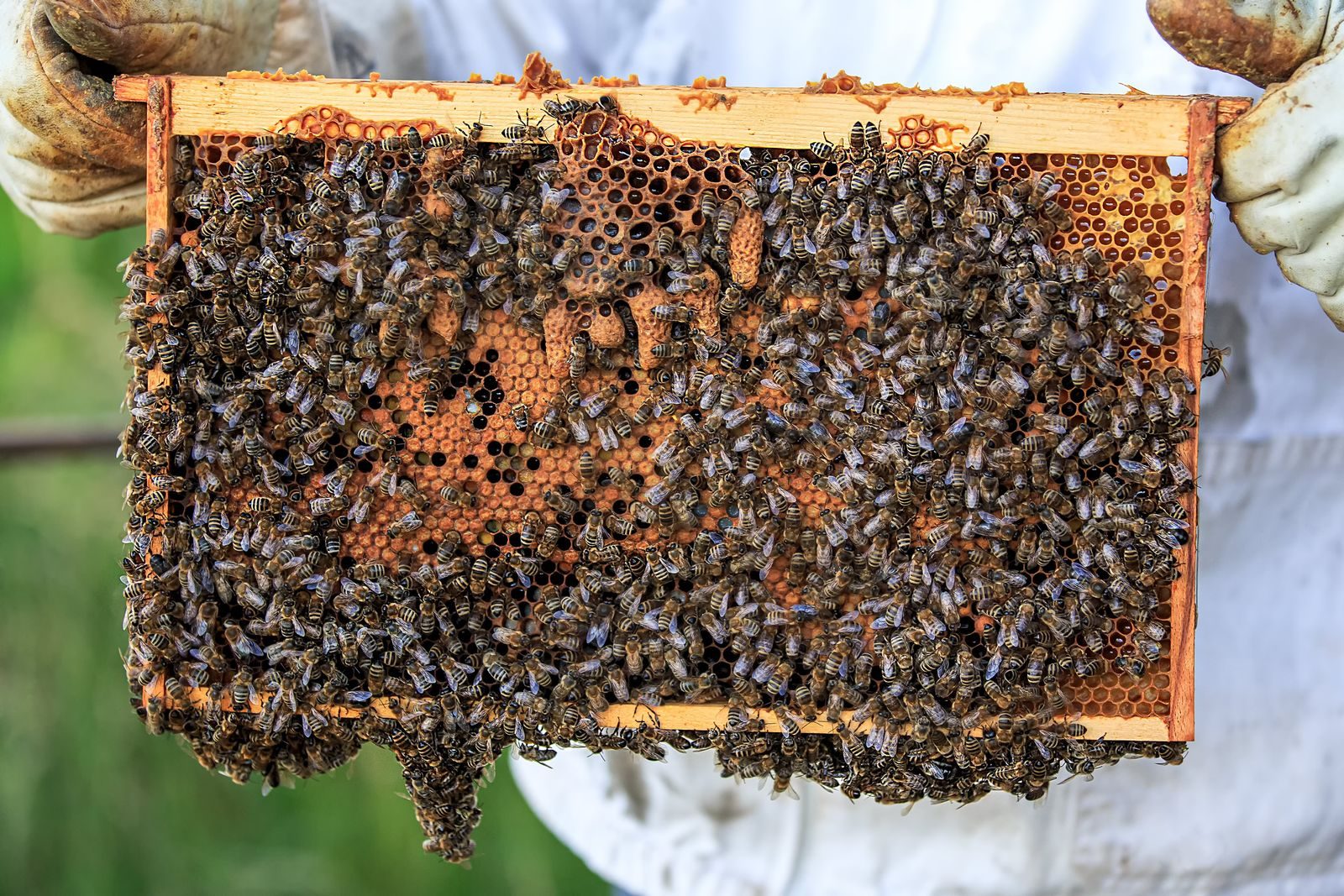
“The great bee hug” is a warm metaphor for something honey bees really do in cold weather. When temperatures fall, workers gather into a dense winter cluster around the queen and any remaining brood. The bees are not embracing in a human emotional sense, but their collective behavior helps the colony conserve heat and survive conditions that would overwhelm isolated insects.
This communal survival system is one reason a honey bee colony is often described as a superorganism. Individual workers generate heat, shift position, consume stored honey, and respond to changing temperatures as part of a larger unit. The result is a living thermal structure whose success depends on cooperation, food reserves, colony strength, and the ability to keep vulnerable bees protected inside.
Winter Cluster
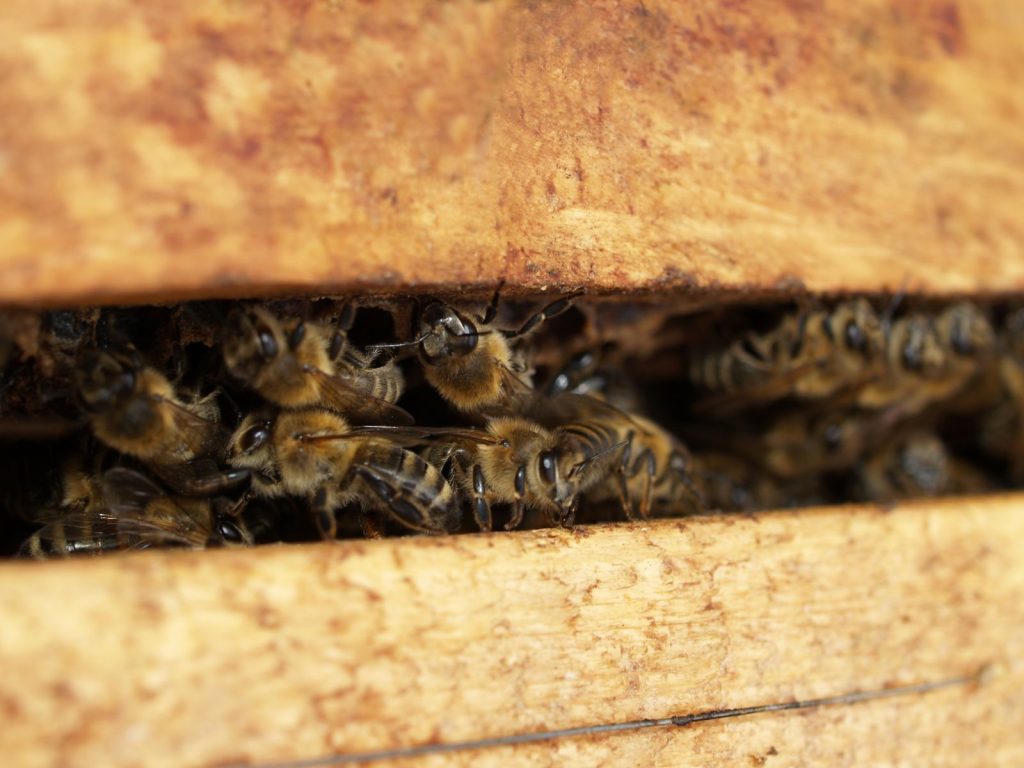
As winter arrives in temperate climates, honey bee colonies reduce brood rearing and workers draw together into a compact cluster. USDA researchers describe the cluster as a thermoregulated mass that surrounds the queen when cold conditions limit normal flight. Bees do not hibernate in the simple sense of becoming completely inactive. They remain alive, consume stored food, produce heat, and adjust their positions as outside temperatures change, allowing the colony to endure weeks or months when flowers provide little or no forage.
Queen in Center

The queen usually remains within the protected cluster rather than facing winter temperatures alone. USDA guidance describes workers surrounding her as cold weather develops. Her importance is reproductive, but the winter cluster is not built around royal status in a human sense. The entire colony depends on surviving until spring, and workers also protect themselves and any brood present. Keeping the queen inside a warm, functioning group helps ensure that egg laying can increase again when conditions improve and food becomes available.
Heat From Muscles
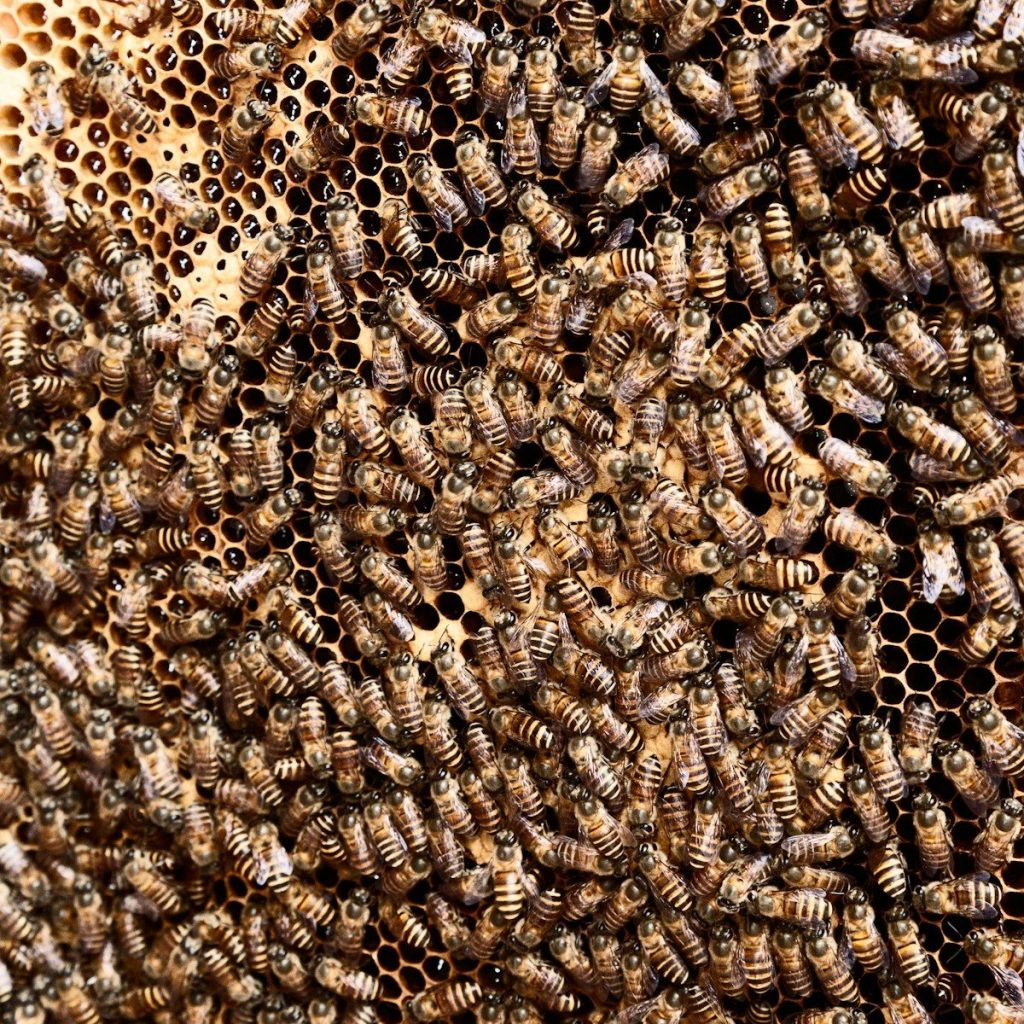
Honey bees generate heat by activating their flight muscles without necessarily flying. Research on winter clusters shows that bees in the core can raise metabolic heat production when temperatures fall. This active heating is different from simply trapping warmth that already exists. Workers consume honey to fuel the muscle activity, turning stored summer energy into winter heat. The colony can therefore maintain a much warmer internal environment than the surrounding air, provided enough healthy workers and accessible food remain available inside the hive.
Moving Bee Layers
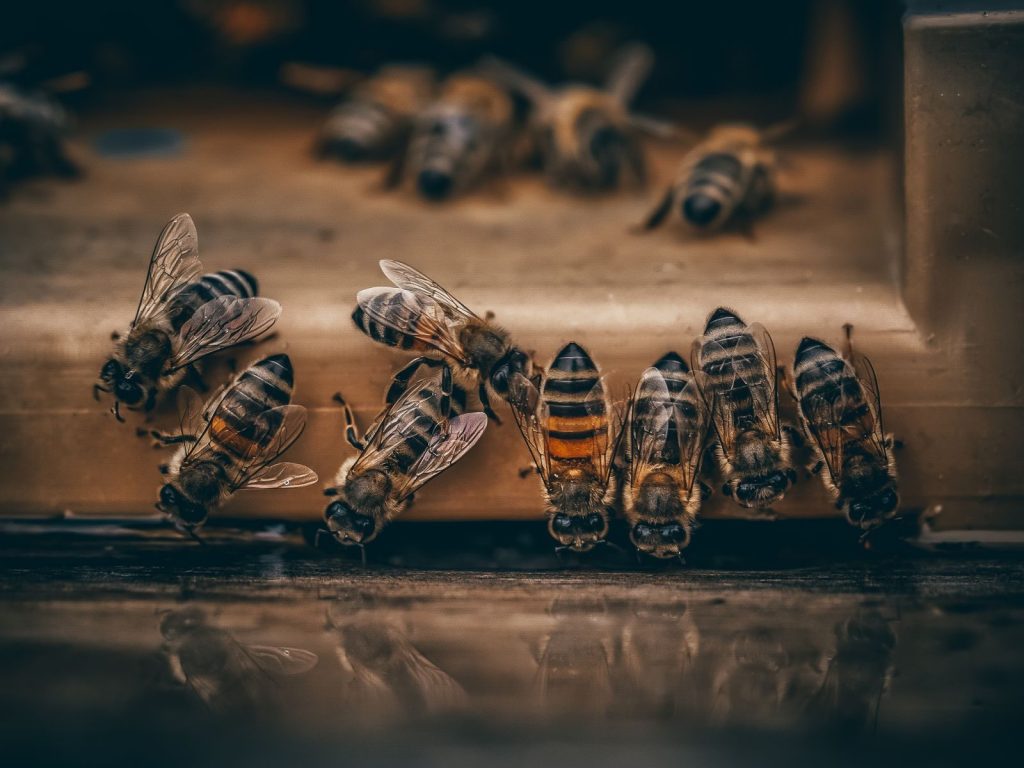
A winter cluster is not a frozen ball of bees. Workers can shift between the warmer interior and the cooler outer layers, while the cluster changes shape and density as conditions change. Studies of honey bee thermoregulation show that both heat production in the core and insulation by outer bees contribute to temperature control. This moving arrangement spreads the costs of cold exposure and helps keep the center protected. The behavior is coordinated without any single bee directing the whole process.
Honey Fuel

Stored honey is the fuel that makes winter clustering possible. Bees break down sugars from honey to power the muscle activity that produces heat, so a colony can starve even when cold itself is not immediately lethal. Food also has to remain accessible as the cluster moves through the hive. When temperatures are very low, bees may be unable to cross large gaps to reach distant stores. Successful overwintering therefore depends on both the amount of honey available and where it sits relative to the cluster.
Brood Heat
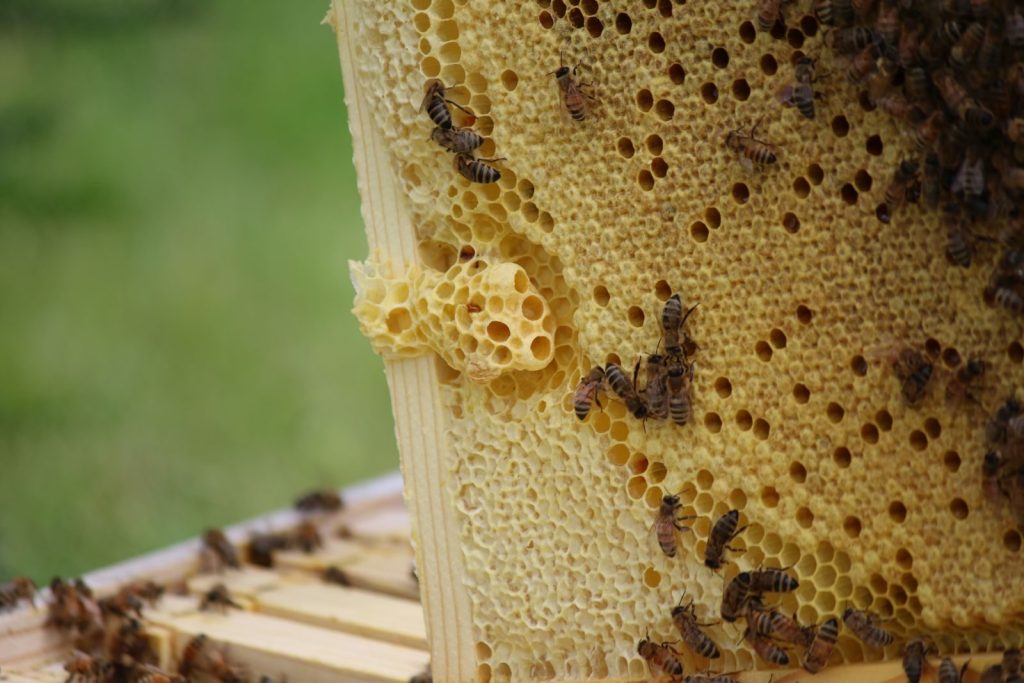
Brood changes the colony’s thermal demands. When larvae and pupae are present, bees maintain a warmer brood area than they need when no brood is being reared. In many temperate colonies, brood production drops sharply or pauses during winter, reducing energy demands when forage is scarce. As days lengthen and conditions improve, brood rearing increases again. That shift means the cluster must support both adult survival and the stable temperatures required for developing young, raising the colony’s need for food and coordinated heating.
Colony Size
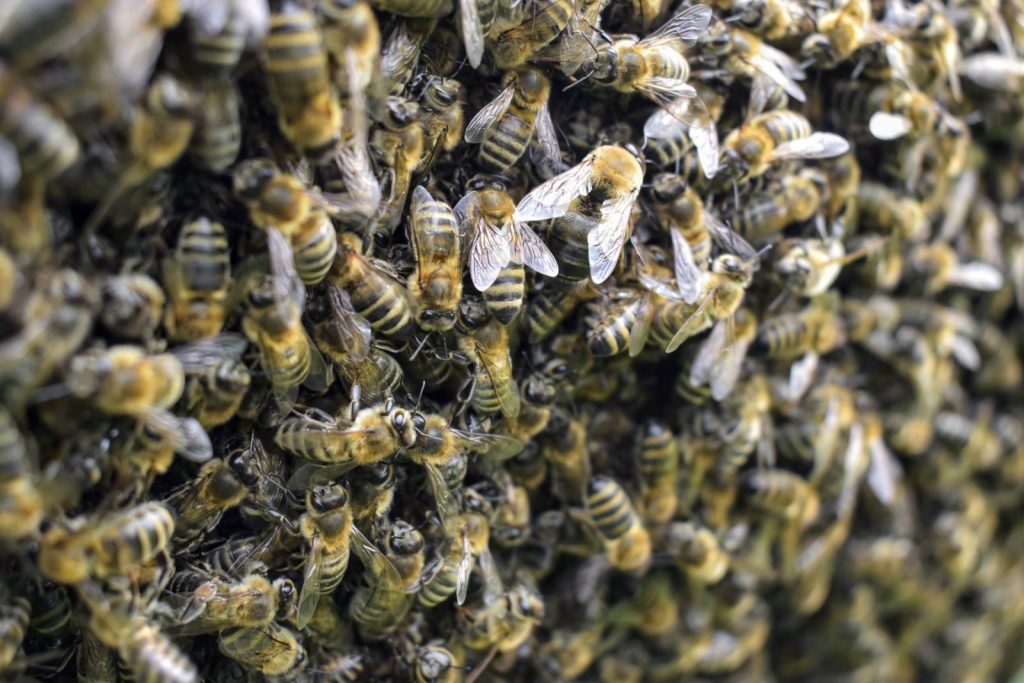
Colony size matters because a larger group can generally produce and retain more heat than a very small one. USDA research on overwintering has shown that bee population influences the thermal performance of colonies during cold periods. That does not mean bigger colonies always survive, because disease, parasites, poor food stores, and moisture can still cause losses. It does mean that winter survival is a group challenge. A worker’s contribution becomes more effective when thousands of nestmates are performing complementary tasks around her.
Why Clustering Works
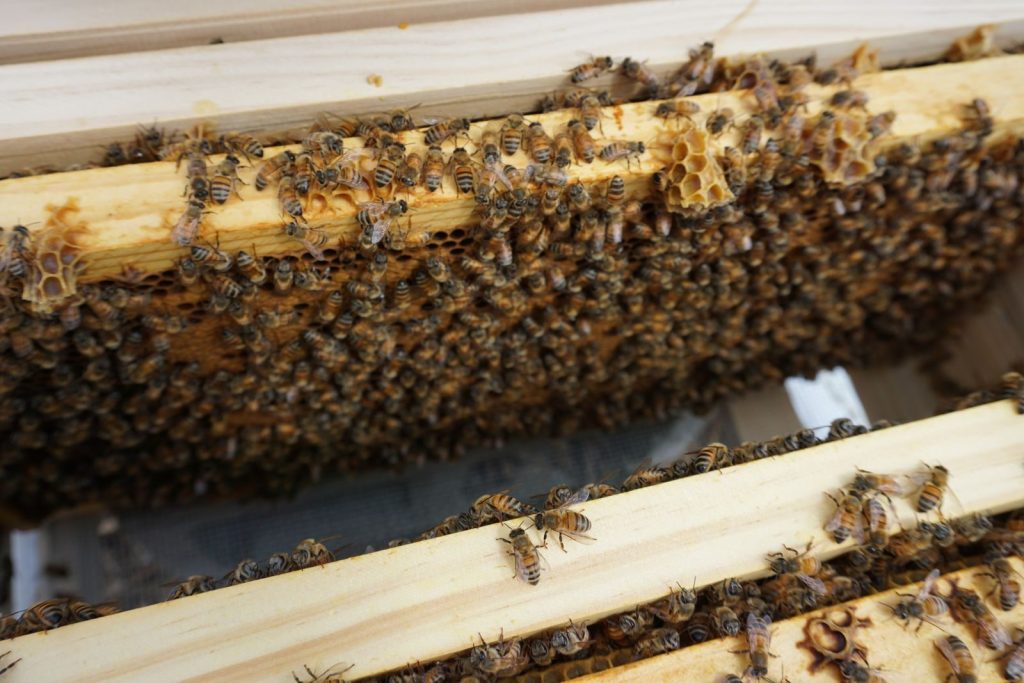
The “bee hug” metaphor works best when it is kept clearly separate from claims about humanlike emotion. Honey bees cluster because collective thermoregulation improves survival, not because science has shown they are expressing comfort or affection. The real behavior is impressive enough: thousands of small insects use food, muscle activity, movement, and body contact to create a stable winter refuge. Their success comes from coordinated biology, making the colony a useful example of how social animals can solve environmental problems together.
Featured Image: Photo by susanne marx on Pexels