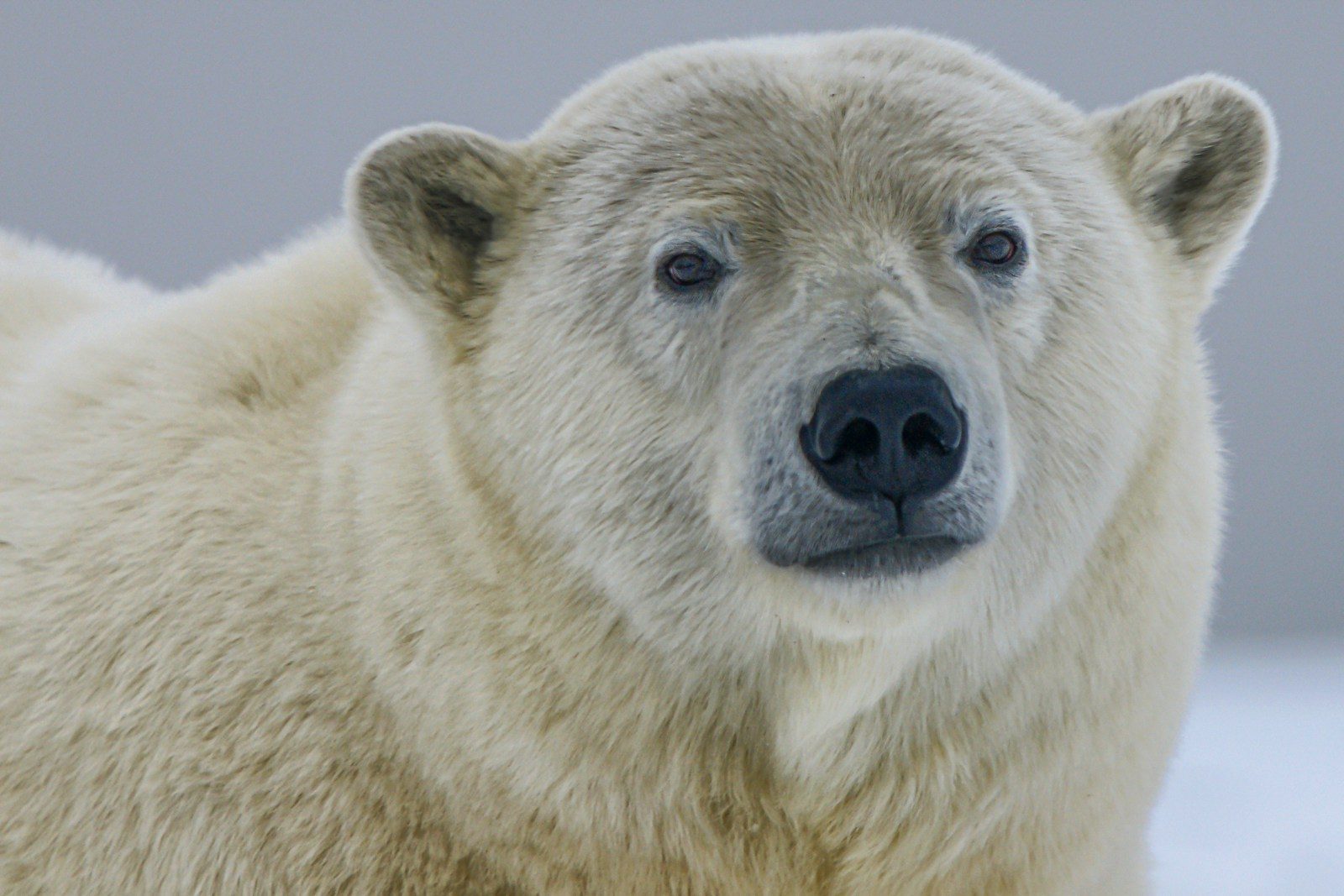
In the freezing Canadian Arctic, biologists made a startling discovery challenging our understanding of species boundaries. Changing climates have forced migrating grizzly bears into close contact with sea-ice hunting polar bears. These unusual encounters produced a rare, fertile hybrid creature that scientists are intensely studying today.
These hybrid bears are no longer isolated evolutionary curiosities. Genetic testing confirms these mixed offspring are fully capable of reproducing, establishing a brand-new bloodline. Discover the fascinating science, unique physical traits, and environmental factors behind these majestic crossbreeds reshaping the future of modern Arctic wildlife.
The First Wild Discovery

In 2006, a hunter on Banks Island in the Northwest Territories of Canada shot a highly unusual bear. It possessed white fur like a polar bear, but had long claws, a humped back, and brown patches characteristic of a grizzly. DNA testing later confirmed that the animal was a first-generation hybrid, the offspring of a polar bear mother and a grizzly father. This historic discovery was the first scientifically verified proof of wild hybridization between these two distinct species in modern times, sparking massive international interest.
A New Bloodline Confirmed

While a first-generation hybrid is remarkable, a discovery in 2010 proved that this was not a reproductive end for them. Biologists analyzed another unusual bear shot on Victoria Island and found that it was actually a second-generation hybrid. This animal was the offspring of a female grizzly-polar hybrid that had successfully mated with a wild male grizzly. This critical scientific breakthrough proved that hybrid bears are fully fertile, officially starting a new multi-generational lineage in the harsh and challenging Arctic wilderness ecosystem we see today.
Climate Change Catalyst
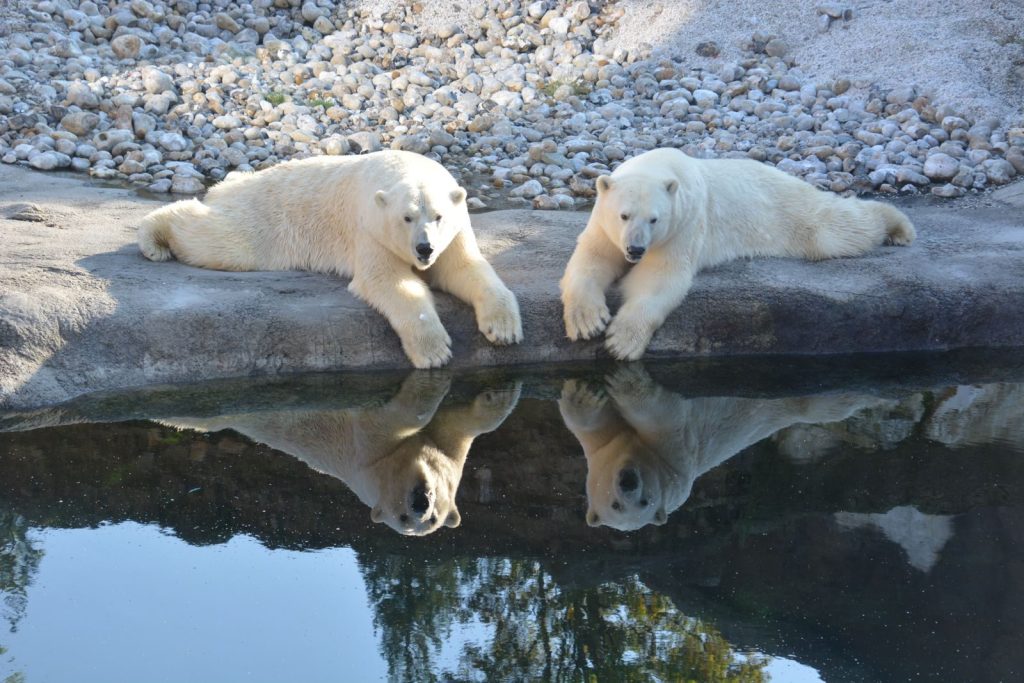
The primary driver behind this sudden rise in hybridization is the rapid warming of the Arctic ecosystem. As rising temperatures melt the sea ice, polar bears are forced to spend more time on land searching for alternative food sources. At the same time, milder winters allow grizzly bears to expand their territory further north into traditional polar bear habitats. This overlapping territory increases the frequency of encounters, leading to unusual mating opportunities that did not previously exist in the wild for these massive and powerful apex predators.
Intermixing of Two Species

Although polar bears and grizzly bears look entirely different, they are actually very closely related genetically. Evolutionary studies show that they split from a common ancestor roughly four hundred thousand years ago, which is relatively recent in evolutionary terms. Because of this close genetic relationship, their chromosomes match perfectly, allowing them to produce healthy and fertile offspring. This close compatibility explains why their hybridization is so successful, unlike the sterile offspring produced by horses and donkeys in captivity. It is a genuine evolutionary wonder observed today.
Unique Physical Traits

Grizzly-polar bear hybrids exhibit a fascinating mix of physical characteristics from both parent species, making them easily recognizable. They typically have the long, narrow neck and white-tinted coat of a polar bear, but they also possess the muscular shoulder hump of a grizzly. Their paws are partially covered in hair, which is an intermediate trait between the fully insulated feet of polar bears and the bare soles of grizzlies. This physical blend makes them unique evolutionary marvels in the modern animal kingdom across the frozen northern tundra.
Intermediate Survival Behaviors

Behavioral studies on captive and wild hybrids reveal that they display intermediate traits when hunting and navigating their environment. While polar bears are highly specialized marine mammal hunters that rely on sea ice, grizzlies are terrestrial generalists that forage for plants and fish. Hybrids show a mix of these behaviors, but they are often less suited for the extreme specialization required to hunt seals on ice. Instead, they thrive better in coastal areas with varied food options and mild climates that support their broad dietary and survival needs.
Ancient Bear Genomes

Genetic research has revealed that hybridization is not a completely new phenomenon in the history of bears. By studying the DNA of ancient polar bear remains, such as a famous one hundred-thousand-year-old fossil nicknamed Bruno, scientists found evidence of prehistoric mixing. The analysis showed that modern brown bears actually carry up to ten percent polar bear DNA in their genomes. This proof of ancient interbreeding suggests that these species have exchanged genetic material during past periods of dramatic warming and cooling across the entire northern global hemisphere.
The Genetic Future

As the Arctic continues to warm and sea ice declines, biologists predict that hybridization will become increasingly common. Some researchers worry that continuous crossbreeding could eventually lead to the genetic absorption of the polar bear into the grizzly population. Since polar bears are highly specialized and vulnerable, they may gradually disappear as their unique traits are diluted by grizzly genes. This ongoing evolutionary shift could redefine the biodiversity of the polar regions in the coming centuries of ecological change and massive species adaptation across the globe entirely.
Featured Image: Photo by Hans-Jurgen Mager on Unsplash