Varroa mites are among the most serious threats facing managed western honey bee colonies. They feed on developing and adult bees, spread damaging viruses, and can drive an untreated colony toward collapse. The original claim that “we found the solution” is too final, because beekeepers still need several control methods. What has changed is that a genuinely new RNA-based treatment has joined the toolkit in the United States.
In September 2025, the U.S. Environmental Protection Agency registered vadescana, a double-stranded RNA active ingredient used in the product Norroa. Instead of acting like a conventional miticide, the treatment interferes with a Varroa gene and suppresses mite reproduction. Research is promising, especially as resistance weakens older chemicals, but scientists caution that RNA treatment works best as part of integrated mite management rather than a one-product cure for every heavily infested hive.
Varroa Destructor
Varroa destructor is a parasitic mite that reproduces inside capped honey bee brood cells and later rides on adult bees. Its flattened body lets it fit between bee segments while feeding. Once established, mite numbers can rise through repeated brood cycles, especially when colonies rear brood for long periods. The U.S. Environmental Protection Agency warns that untreated infestations can eventually kill colonies. Varroa has become such a difficult beekeeping problem because the mite harms individual bees while also amplifying diseases that spread through the entire colony.
Colony Damage

Varroa mites weaken honey bees by feeding on their tissues during development and adulthood. Infested developing bees can emerge with reduced fitness, while high mite populations place continuing stress on workers that must keep the colony functioning. The damage becomes most dangerous when mite numbers rise faster than the colony can tolerate them. A hive can still look active while its future winter population is being compromised inside capped brood. That is why beekeepers monitor mite levels before obvious collapse, rather than waiting for piles of dead bees to reveal a severe problem.
Virus Vector
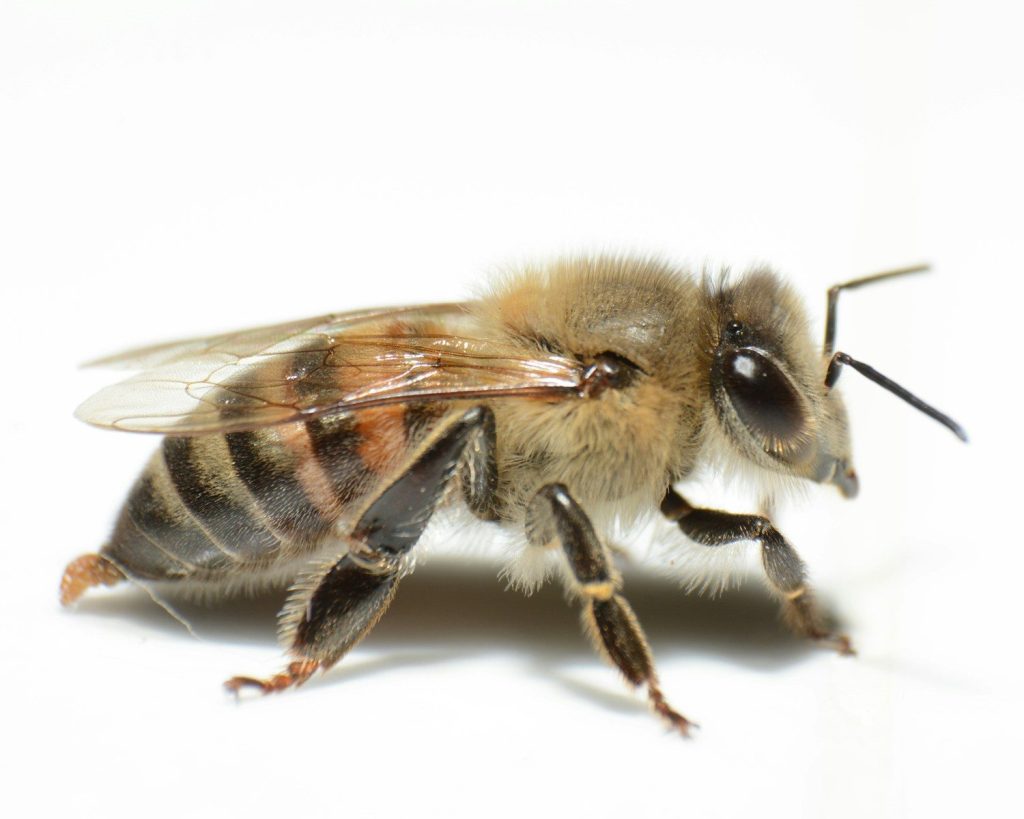
The mite’s role as a disease vector makes Varroa far more damaging than a simple external parasite. EPA guidance notes that Varroa transmits numerous honey bee viruses and reduces bee lifespan. Deformed wing virus is one of the best-known examples associated with severe infestations. Mites feeding on multiple bees create efficient routes for viral spread inside a dense social colony. Controlling Varroa therefore does more than remove a parasite. It can also reduce the conditions that allow damaging viruses to reach high levels among developing and adult bees.
Treatment Resistance
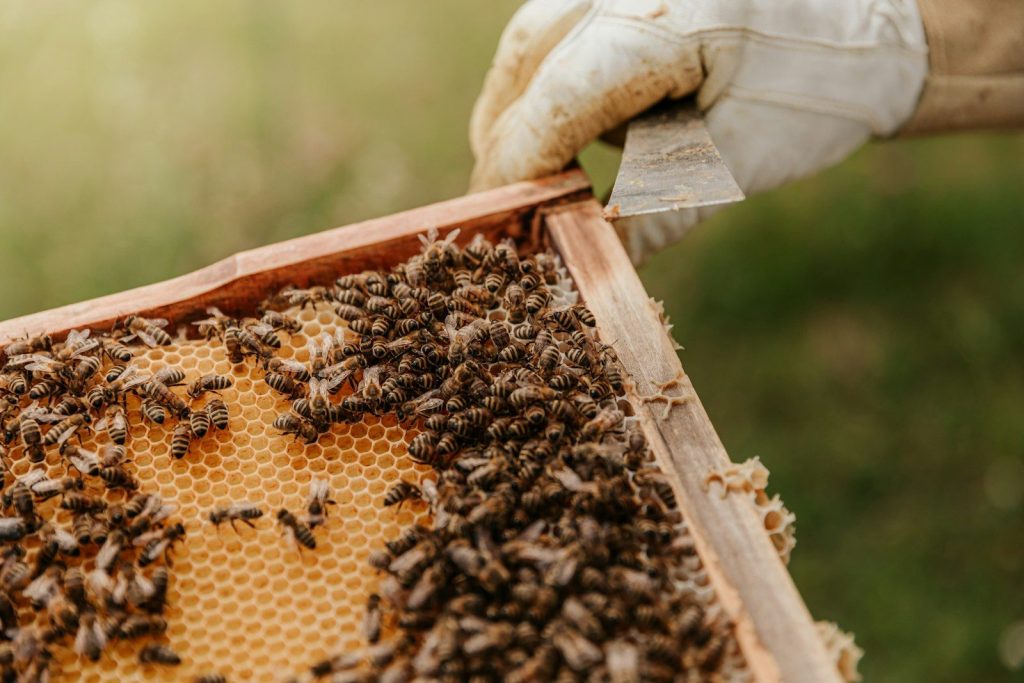
Chemical miticides have saved countless colonies, but repeated use can select for mites able to survive treatments. USDA researchers reported in 2026 that Varroa populations are becoming increasingly resistant to amitraz, one of the most widely used mite-control chemicals, through genetic changes associated with tolerance. Australia has also confirmed resistance to major synthetic treatment groups in several areas. Resistance does not mean every existing product has stopped working everywhere. It means beekeepers need monitoring, rotation, and new modes of action to avoid depending on one increasingly vulnerable tool.
RNA Interference

The new approach uses RNA interference, a natural process cells use to regulate gene activity. Vadescana is double-stranded RNA designed to target a specific Varroa gene. When mites are exposed, the genetic message needed for normal reproduction is disrupted. EPA concluded that the target sequence is highly specific to Varroa and did not identify risks of concern to humans, honey bees, or other non-target organisms when the product is used according to its label. This precision gives beekeepers a mode of action very different from traditional chemical miticides.
Norroa
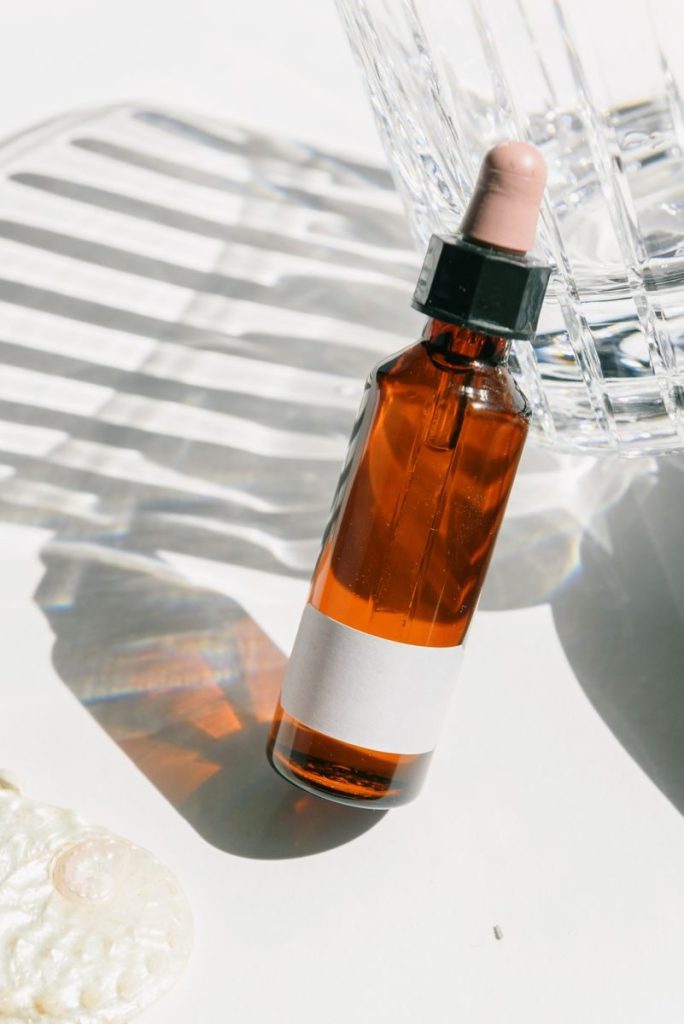
Norroa is the commercial product built around vadescana and became available in the United States after EPA registration in September 2025. A 2025 peer-reviewed study reported that the RNA interference biopesticide reduced Varroa reproduction by down-regulating pathways involved in embryo development. Rather than simply delivering a rapid toxic knockdown, the treatment aims to slow the mite population’s ability to replace itself inside brood cells. That distinction matters because suppressing reproduction can keep mite numbers low over time, especially when treatment begins before infestation becomes overwhelming.
Not Standalone
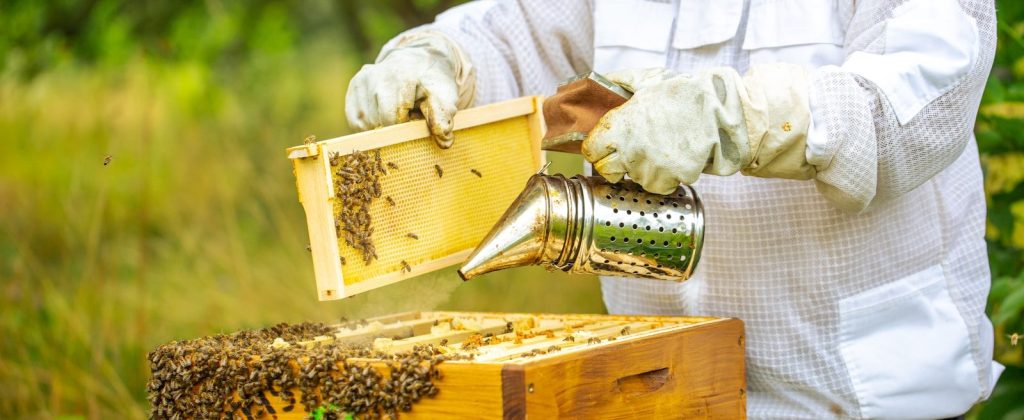
The most important correction to the word “solution” is that researchers do not recommend treating Norroa as a universal rescue product. A 2026 review led by Phil Lester concluded that dsRNA products are unlikely to function as stand-alone knockdown treatments when mite pressure is already high. Their strongest role may be maintaining low mite populations and supporting integrated pest management. In other words, RNA technology expands the beekeeper’s options, but severe infestations can still require additional approved controls, careful timing, and repeated monitoring of the colony’s actual mite level.
Integrated Control
Successful Varroa management works best as a system rather than a single treatment. Beekeepers can monitor mite loads, use registered products according to local labels, rotate modes of action, consider brood-management techniques, and select bees with useful hygienic traits where appropriate. The goal is to prevent mite populations from reaching levels that damage winter bees or allow viruses to surge. RNA-based products provide an important new option, particularly where chemical resistance is growing. Their real value may be helping beekeepers build more durable control programs instead of searching for one permanent cure.
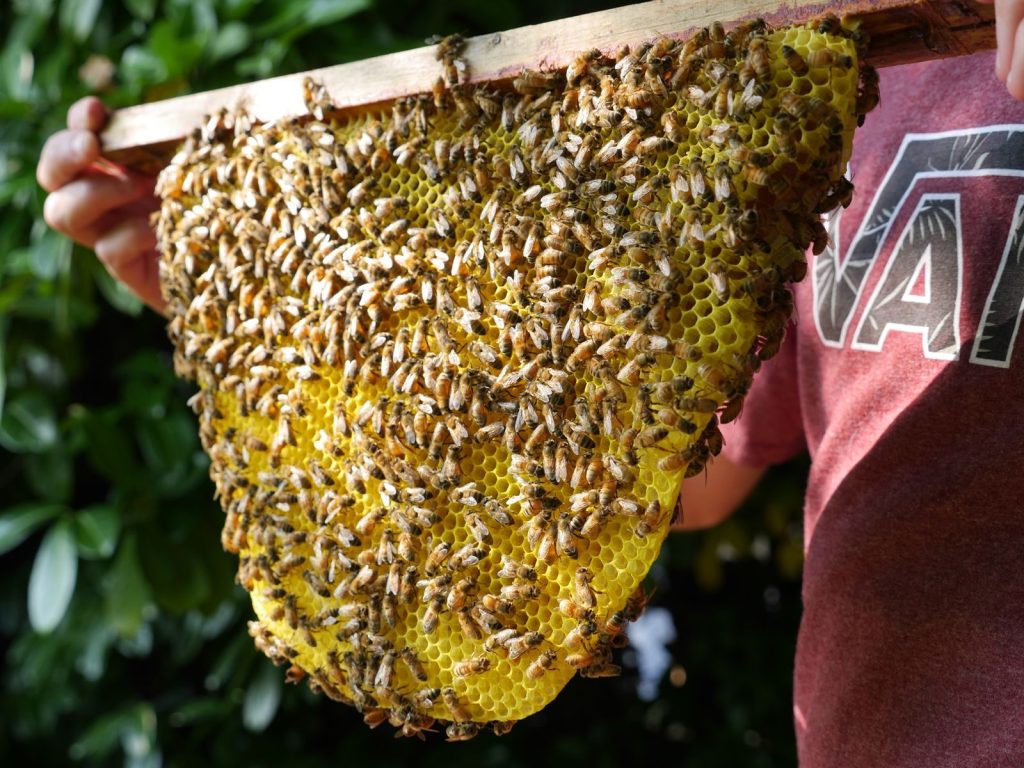
Featured Image: Photo by David Hablützel on Pexels