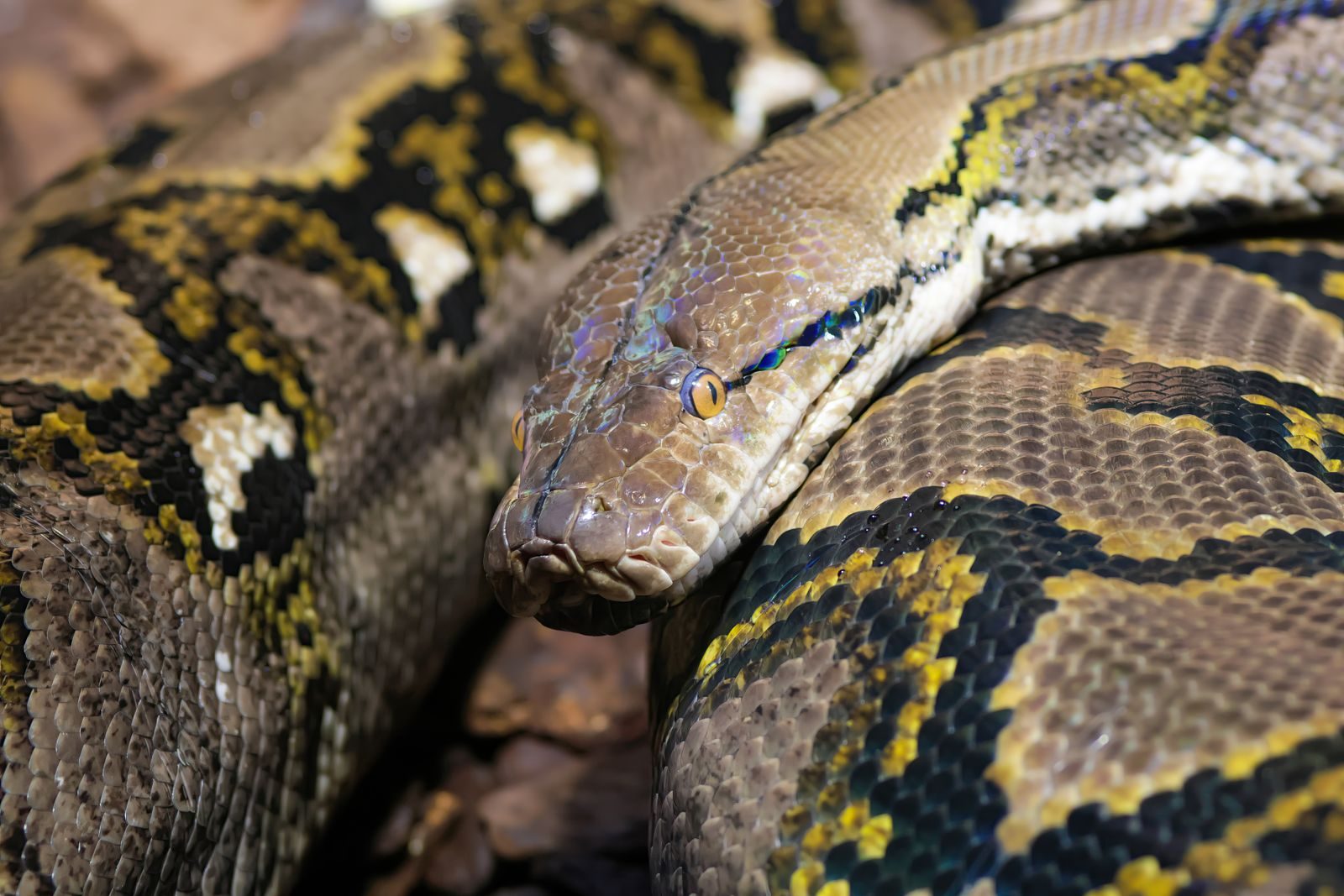
The Australian outback houses dangerous creatures, but the inland taipan stands far above the rest. Often called the fierce snake, it possesses the most toxic venom of any land reptile. Despite holding enough power to kill numerous prey, its history remains remarkably free of human tragedy.
This biological paradox has fascinated wildlife lovers for decades, prompting intense scientific study. We will examine the incredible traits, remote habitat, and surprisingly gentle nature of the inland taipan, discovering exactly why this lethal predator has never claimed a human life in the wilderness.
Unmatched Venom Potency
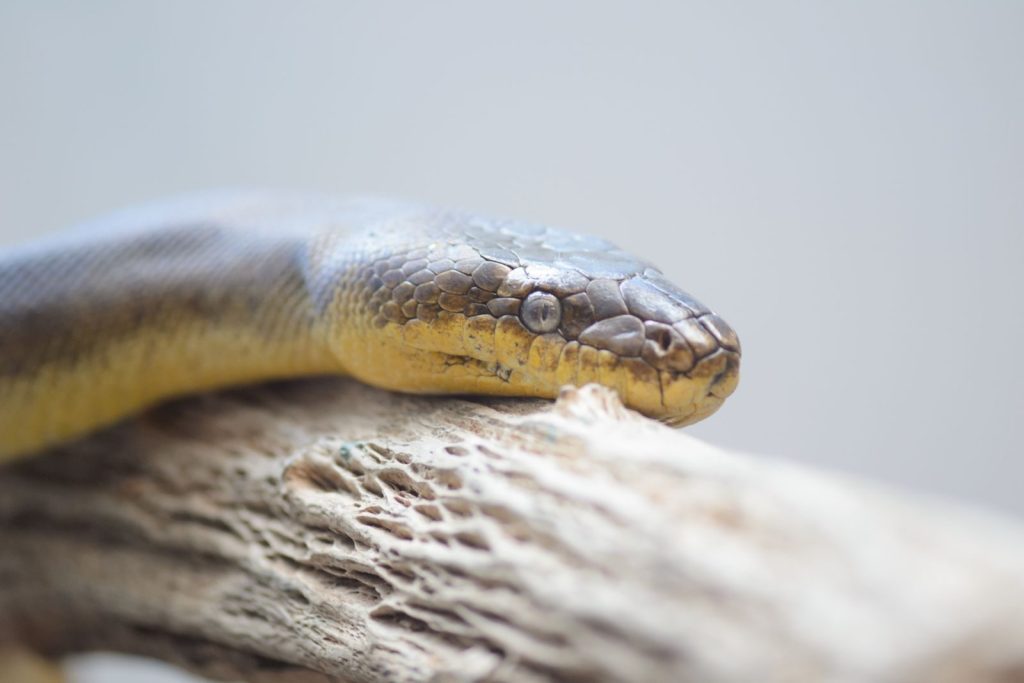
The venom of the inland taipan is an incredibly complex cocktail of neurotoxins, hemotoxins, and myotoxins that act with extreme speed. It is specifically designed to hunt warm-blooded mammals, paralyzing their nervous system and clotting their blood in minutes. Biologists have calculated that a single drop of this toxic substance is potent enough to kill one hundred adult men. This extreme toxicity makes it the most venomous land snake in the world, far exceeding the venom of famous cobras and deadly rattlesnakes by a wide margin.
A Placid Temperament

Despite its fearsome reputation and scientific title of fierce snake, the inland taipan is actually a very shy and reclusive creature. It prefers to avoid conflict entirely and will always choose to flee rather than attack when confronted by humans. Bites only occur when the snake is actively cornered, handled, or threatened by people who do not understand its behavior. This surprisingly gentle and placid nature is the primary reason why encounters in the wild remain so incredibly rare in modern Australian historical records today.
The Harsh Desert Home

The inland taipan lives in some of the most remote, arid, and inhospitable regions of central Australia, particularly the Channel Country. This harsh environment consists of dry clay plains, stony deserts, and deep ash-colored soil fissures that experience extreme seasonal temperatures. The relative lack of human inhabitants in these areas drastically reduces the chance of accidental encounters between people and the snake. This remote geography is a key factor in keeping both humans and taipans completely safe from one another in the unforgiving, isolated outback.
Cracks in the Earth

To survive the blistering heat of the Australian desert, the inland taipan relies on the deep cracks that form in the clay soil. These subterranean fissures provide a cool, humid refuge from the sun and serve as their primary hunting grounds. The snake spends most of its day navigating these underground tunnels, searching for small mammals and seeking shelter from predators like birds of prey. This reclusive behavior means that they are rarely ever seen on the surface by humans during the bright daytime hours.
A Specialized Rodent Hunter

Unlike generalist predators, the inland taipan is a highly specialized hunter that feeds almost exclusively on native rodents, such as the long-haired rat. When hunting, the snake uses a rapid-fire striking technique, biting its prey multiple times in a split second to deliver a lethal dose of venom. This rapid attack ensures that the rodent is incapacitated instantly, preventing it from biting back and injuring the snake. This specialized diet keeps their wild populations tied closely to natural rodent breeding cycles in the harsh desert environment.
The Seasonal Chameleon
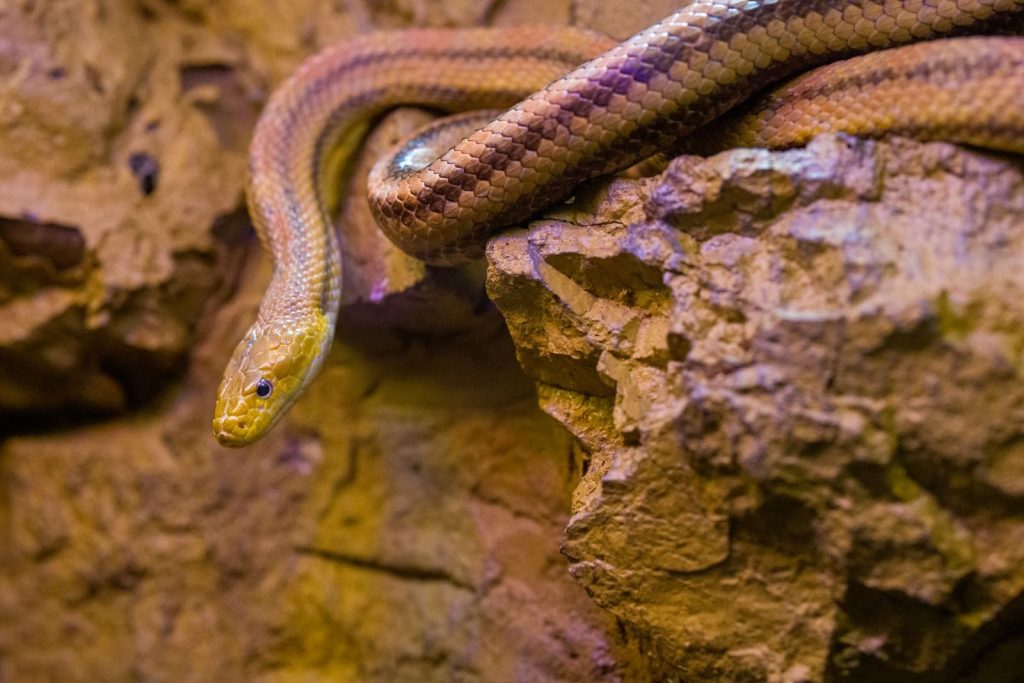
The inland taipan exhibits a fascinating physiological adaptation that allows it to change its body color to match the seasons. During the cold winter months, their scales darken to a deep brown, which helps them absorb more heat from the limited sunlight. In the blazing heat of summer, their skin shifts to a much lighter, yellow-green shade to reflect solar radiation and stay cool. This clever thermoregulation technique allows them to remain highly active throughout the changing and extreme desert seasons in the vast Australian outback.
Life Saving Antivenom

In the rare event that a human is bitten by an inland taipan, survival is highly dependent on modern medicine. In the mid-twentieth century, Australian researchers successfully developed a specific antivenom that neutralizes the snake’s potent neurotoxins before they can cause permanent damage. Because of this medical breakthrough, every documented bite on herpetologists and snake handlers in recent history has been treated successfully. This life-saving treatment ensures that a bite from this deadly snake is no longer a guaranteed death sentence for unfortunate researchers and handlers.
The Clean Safety Record

The most extraordinary fact about the inland taipan is that there has never been a single recorded human death in history. This flawless safety record is a testament to the snake’s remote habitat, reclusive habits, and non-aggressive personality. While it possesses enough venom to cause mass casualties, it has never used its lethal power against a wild human being. This remarkable statistic serves as a powerful reminder that venomous reptiles can coexist peacefully with humans when left completely undisturbed in the remote wild ecosystems they naturally inhabit.