Sleep allows the brain and body to rest, repair, and recharge. While humans require several consecutive hours of deep rest, the animal kingdom has evolved vastly different survival strategies. Many incredible creatures have developed unique sleep adaptations, allowing them to thrive with almost no normal sleep.
From marine mammals sleeping with half their brain to migratory birds snoozing mid-flight, nature remains full of absolute surprises. We will explore nine remarkable animals surviving on minimal rest, revealing the fascinating biological mechanisms that protect them from dangerous sleep deprivation in the wild.
Dolphin Half Sleep

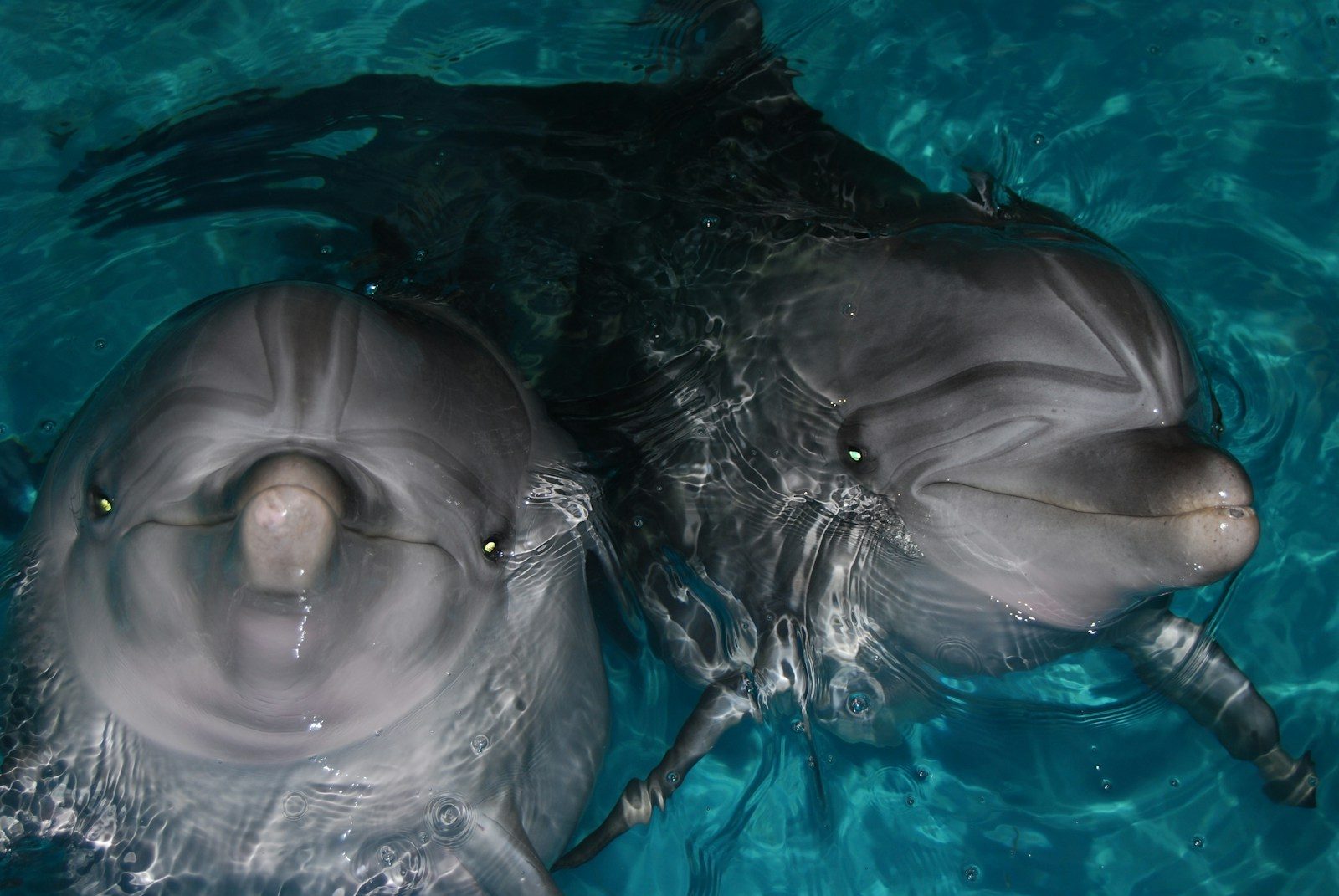
Bottlenose dolphins use a remarkable survival method called unihemispheric slow-wave sleep to rest without losing consciousness. They shut down only one half of their brain at a time, keeping the other half awake and fully active. This allows the dolphin to continue swimming, surface for air, and watch for predators like sharks. Every few hours, they switch which side of the brain is sleeping, ensuring both hemispheres receive adequate rest while remaining continuously alert and active in the vast, dangerous ocean environment.
Vulnerable Giraffe Naps

Giraffes have the shortest daily sleep requirement of any mammal, sleeping for only thirty minutes to two hours each day. Because their massive size makes them highly vulnerable to predators when lying down, they rarely sleep for long periods. Instead, they take quick, five-minute micro-naps throughout the day, often while remaining standing up. This rapid, fragmented sleep cycle keeps the giraffe highly alert, allowing them to spot lions and flee from danger in an instant, preserving their lives from hungry predators on the savanna.
African Elephant Travel

Wild African elephants sleep for only about two hours a day, typically in short bursts during the quietest hours of the night. Because they must spend up to eighteen hours a day eating to support their massive bodies, sleep is a low priority. In addition, herds will often travel for days without sleeping at all when avoiding human hunters or lions. When they do sleep, they can do so standing up, reserving lying down for rare, safe moments when they feel completely secure and hidden.
Alpine Swift Flight

The alpine swift is capable of flying continuously for up to two hundred days during its annual migration to Africa. Since these birds never land during this period, they must eat, mate, and sleep entirely in mid-air. Scientists believe they take brief micro-naps while soaring on warm wind currents, keeping their navigation systems active. This incredible aerial lifestyle means they can go months without experiencing the deep, stationary sleep that most other birds and land animals require to function properly on a daily biological basis.
Newborn Orca Activity

Newborn killer whales and their mothers do not sleep at all for the first month of the baby’s life. This behavior is highly unusual, as most mammal infants require massive amounts of sleep to develop. However, baby orcas must swim continuously to maintain their body temperature and stay afloat until they develop insulating blubber. The mother must also stay awake to protect and guide her calf, showing no signs of physical or mental decline from this long, sleepless period of early oceanic wild motherhood.
Frigatebird Ocean Gliding

Great frigatebirds spend weeks gliding over the open ocean in search of food and cannot rest on the water. To survive these long journeys, they have evolved the ability to sleep while flying, often for less than forty-five minutes a day. They take ultra-short naps lasting only ten seconds at a time while soaring high in the sky. These micro-naps can be unihemispheric, allowing them to keep one eye open to navigate and avoid colliding with other flying birds during their extensive and massive oceanic travels.
Fur Seal Water Rest

Brown fur seals have a highly flexible sleep schedule that depends on whether they are on land or in the sea. On land, they sleep normally like land mammals, but when they enter the ocean, they can go weeks without deep sleep. While in the water, they use unihemispheric sleep to rest one side of their brain while slowly paddling with one flipper. This hybrid rest strategy allows them to travel long distances across the open sea without ever stopping, keeping them completely safe from predators.
Sleepless Fruit Flies

Scientists studying fruit flies have discovered that certain female flies can survive on a fraction of the normal sleep cycle. While most flies sleep for several hours, these unique individuals were observed sleeping for as little as four minutes a day. Amazingly, these sleepless flies showed no cognitive impairments and lived just as long as their well-rested counterparts. This discovery has challenged the scientific understanding of the absolute biological necessity of long, uninterrupted periods of sleep in the animal kingdom, offering fascinating new global research avenues.
Reactive Resting Bullfrogs

For decades, the American bullfrog was believed to be an animal that never slept because it remains highly reactive to stimuli. A famous scientific study in the late 1960s showed that even during their resting phases, bullfrogs responded to painful stimuli as quickly as when fully awake. While modern researchers believe they do experience periods of rest, their lack of a traditional, unresponsive sleep state is unique. This adaptation ensures they are always prepared to escape a predator and survive in their dark, dangerous swamps.