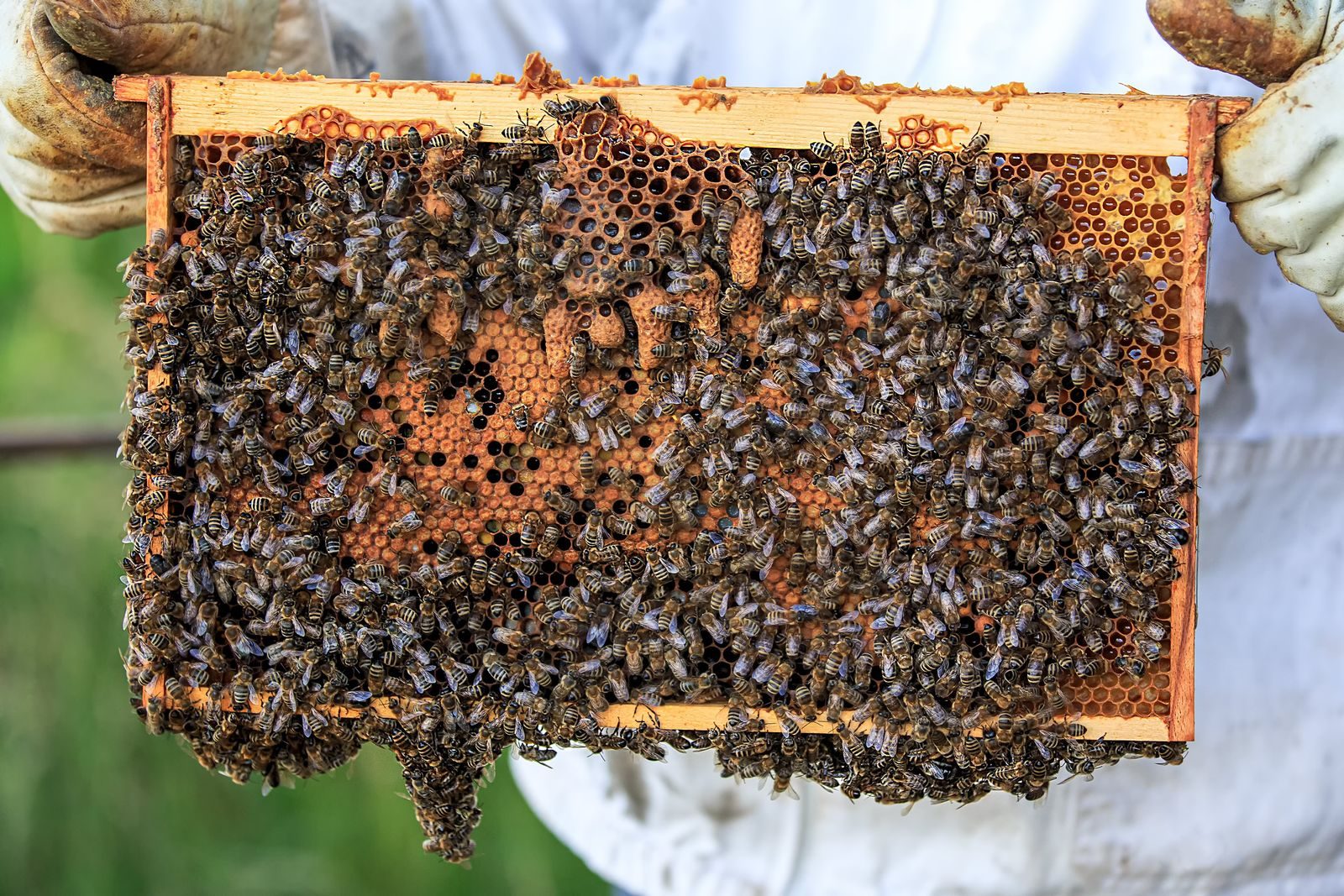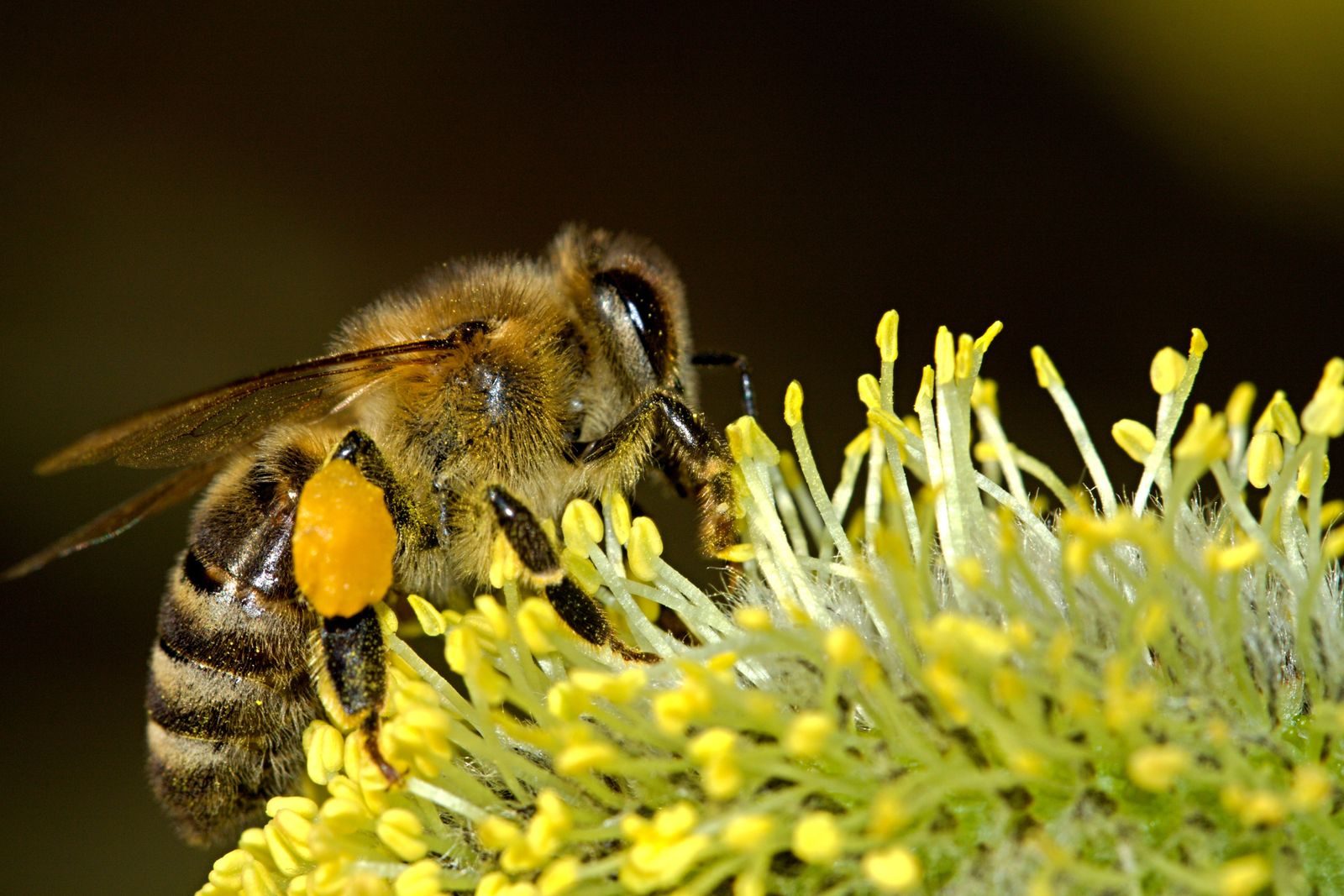
For decades, popular explanations of queen development focused heavily on royal jelly. A young female larva that receives a queen diet can develop very differently from a worker. New research published in Nature in June 2026 shows that food is only part of the story. Worker bees also build a specialized queen cell whose physical and chemical properties help shape development.
The finding makes the phrase “crown their queens” more accurate as a metaphor for collective construction than for any royal ceremony. Honey bee workers engineer a distinctive nursery, alter their own physiology while building it, and create environmental cues that normal worker cells do not provide. Queen development therefore emerges from nutrition, genetics, social care, and a carefully constructed microenvironment working together.
Queen Cells
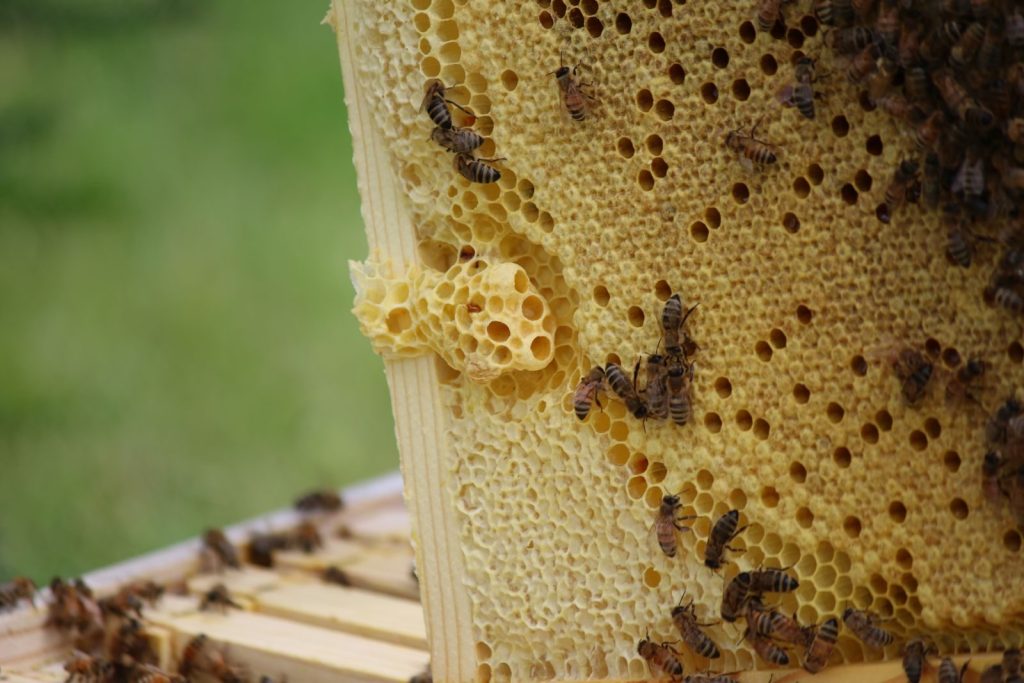
Queen cells are visibly different from ordinary worker brood cells. They are larger, elongated structures often described as peanut shaped, giving a developing queen more space than a worker receives. The 2026 Nature study went beyond appearance and found that queen cells also differ in their physical and chemical properties. Those differences are not merely decorative architecture. Experiments showed that the specialized environment contributes directly to normal queen development, making the cell itself an active part of caste formation rather than just a container.
Special Beeswax

Researchers found that beeswax from queen cells has distinct mechanical properties compared with wax from worker cells. The Nature paper describes queen cell wax as part of a physicochemical niche engineered by workers. That means the material surrounding a larva can influence development alongside food. When scientists manipulated the rearing environment, larvae did not develop normally if crucial queen-cell cues were missing. The result challenges the oversimplified idea that any young larva fed royal jelly will become an equivalent queen regardless of the cell around it.
Builder Bees
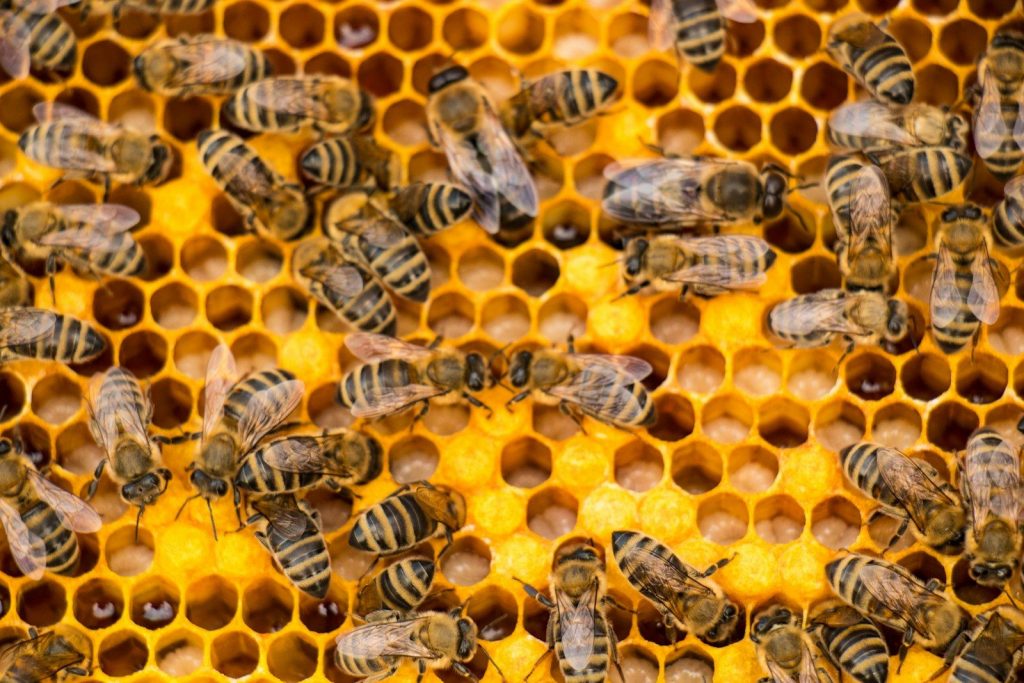
The workers constructing queen cells are not simply performing the same wax-building job in a different location. The 2026 study found task-specific physiological and transcriptomic changes in queen-cell builders. In other words, their bodies and patterns of gene activity shift while they perform this specialized construction work. That finding supports the idea that the colony actively engineers a queen nursery. The future queen’s development depends partly on what other workers do before and during her growth, making caste formation a truly social process.
Warmer Builders
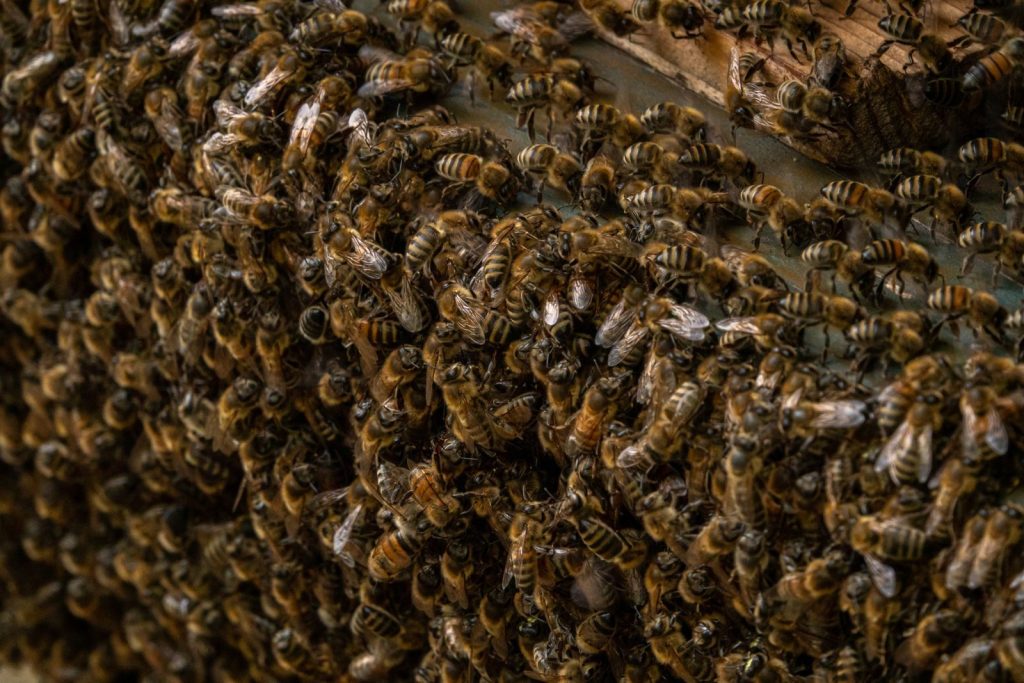
Thermal imaging in the Nature study showed distinctive behavior among workers involved in queen-cell construction. The research linked construction with changes in worker body temperature, helping explain how bees can manipulate wax and shape the special nursery. Honey bee colonies already regulate temperature around brood, but queen-cell builders appear to add another layer of specialized control. The important point is not that workers consciously understand developmental biology. Their evolved behavior creates conditions that reliably influence the larva growing inside the cell.
Chemical Signals

Queen-cell wax also carries a chemical signature that differs from ordinary worker-cell wax. The Nature researchers found marked chemical differences and concluded that these physicochemical cues are important for normal queen development. Scientists are still working to identify exactly which compounds and mechanisms matter most. That caution is important because the study does not reduce queen development to one new “magic” chemical. Instead, it shows that structure, material chemistry, nutrition, and social behavior interact in a more complicated developmental system than older popular explanations suggested.
Royal Jelly
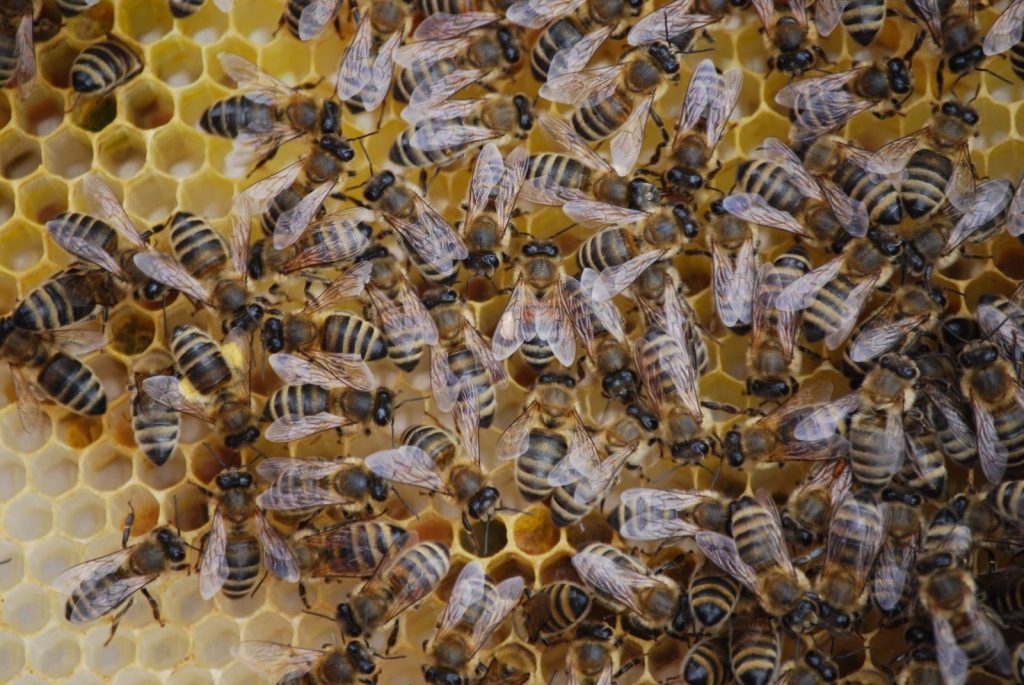
Royal jelly remains essential, even though it is no longer the whole explanation. Penn State Extension notes that honey bee larvae destined to become queens receive an exclusive royal-jelly diet, while worker-destined larvae later receive a different mixture. Nutrition drives major differences in growth, reproductive development, and adult form. The new research adds the queen cell environment to that picture rather than replacing diet. A queen is therefore produced through several interacting inputs, with worker bees controlling both what the larva eats and the nursery in which she develops.
Caste Development

Honey bee queens and workers share the same basic female genetic framework, yet they develop into adults with dramatically different bodies and reproductive roles. That developmental flexibility is called caste differentiation. The 2026 research shows that the built environment can help channel that outcome. By modifying the larva’s physical and chemical surroundings, workers create conditions associated with queen development. This makes the colony itself part of the developmental system, because one bee’s adult form depends on construction and care supplied by many other bees.
No Literal Crown
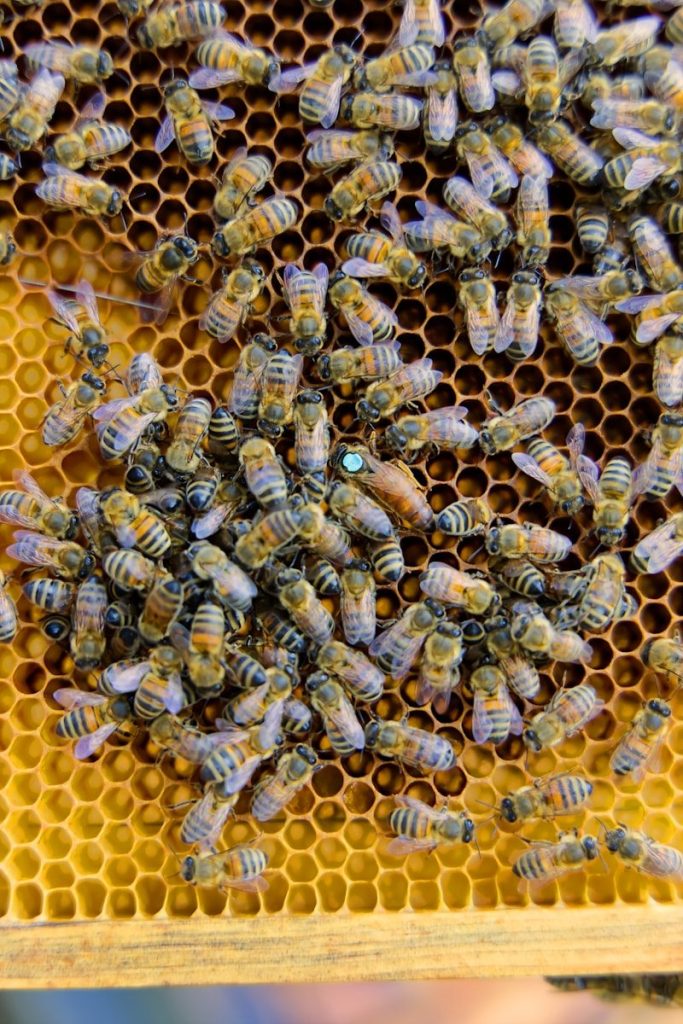
A mature queen does not receive a literal crown, and workers do not hold an election to grant her authority. The scientifically accurate story is more interesting. Workers collectively create the conditions that allow a queen phenotype to develop, then the resulting adult becomes the colony’s principal reproductive female. The 2026 findings show that the “royal treatment” includes specialized architecture as well as specialized food. What looks like a simple caste system is actually a carefully coordinated biological process spread across many members of the colony.
Featured Image: Photo by Public Domain Pictures on Pexels