The quokka is a fascinating marsupial native to pockets of Western Australia. Known globally as the world’s happiest animal, this small creature captures hearts everywhere. Their unique facial structure forms a permanent, charming smile that becomes even more endearing when caught enjoying a tasty native snack.
These tiny kangaroo relatives are highly social, curious, and largely unafraid of people. However, behind those smiling faces lies a wild animal requiring absolute respect. Discover the charming story of the smiling quokka, their natural diet, and the vital conservation efforts keeping them safe today.
The Smiling Marsupial

The quokka’s famous smile is actually an evolutionary feature rather than an expression of human happiness. Their unique mouth and jaw structure, combined with their cheek muscles, create a natural upturned grin. This pleasant facial structure helps them pant and cool down in the hot Australian climate. When they are eating or resting, their facial muscles relax, making their charming smile appear even wider. This endearing look has made them an internet sensation and a beloved symbol of Australian wildlife that everyone deeply adores today.
Rottnest Island Sanctuary
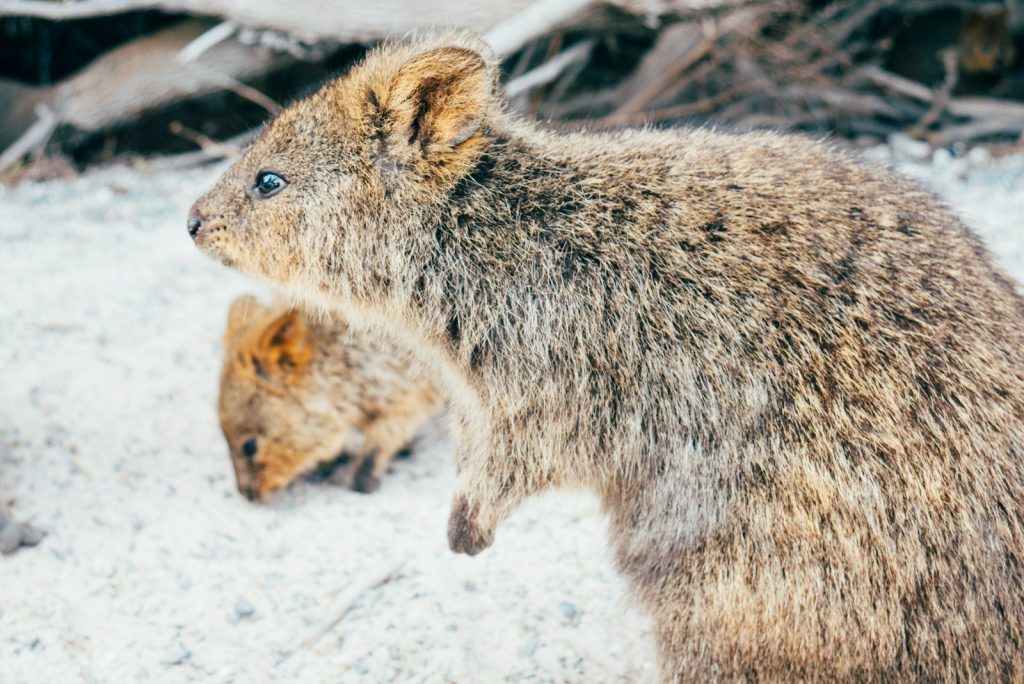
While small populations of quokkas exist on the Australian mainland, their primary and safest stronghold is Rottnest Island. Located off the coast of Perth, this car-free island sanctuary offers a protected habitat free from introduced predators like foxes and feral cats. Because they have lived without these major threats for generations, Rottnest’s quokkas have developed an incredibly trusting and friendly nature. This unique environment allows tourists to observe these joyful creatures behaving naturally in their native habitat, making it a perfect haven for their species.
A Captured Snack

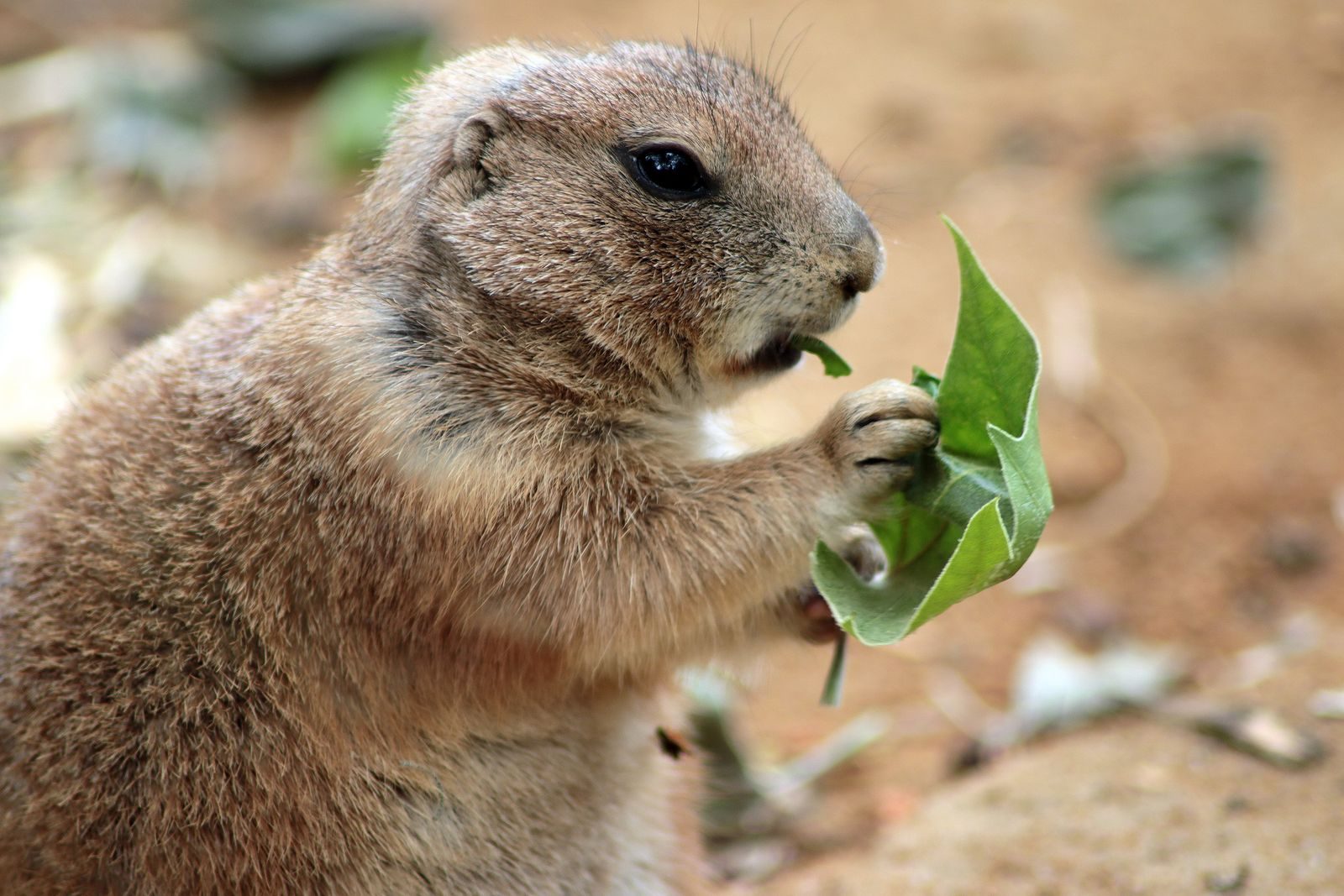
The viral photo of an overjoyed quokka eating a snack captures the animal holding a green leaf with its tiny paws. With its eyes wide and its mouth curved into a perfect, delighted smile, the quokka looks genuinely ecstatic about its meal. This adorable image highlights their dexterous hands, which they use to pluck leaves and manipulate food. It is a candid moment of pure wildlife charm that reminds people of the simple joys found in the natural world, showing exactly how happy they can be.
The Natural Diet

Quokkas are strictly herbivorous animals that thrive on a diet of native grasses, leaves, shrubs, and bark. They are especially fond of succulent plants, which provide them with essential moisture in dry environments. Their digestive systems are highly specialized, similar to cows, allowing them to break down tough plant fibers through internal fermentation. This complex digestive process ensures they extract the maximum amount of nutrients and water from the coarse vegetation found on their island home, keeping them healthy and strong throughout the harsh Australian summers.
The Tourist Trap
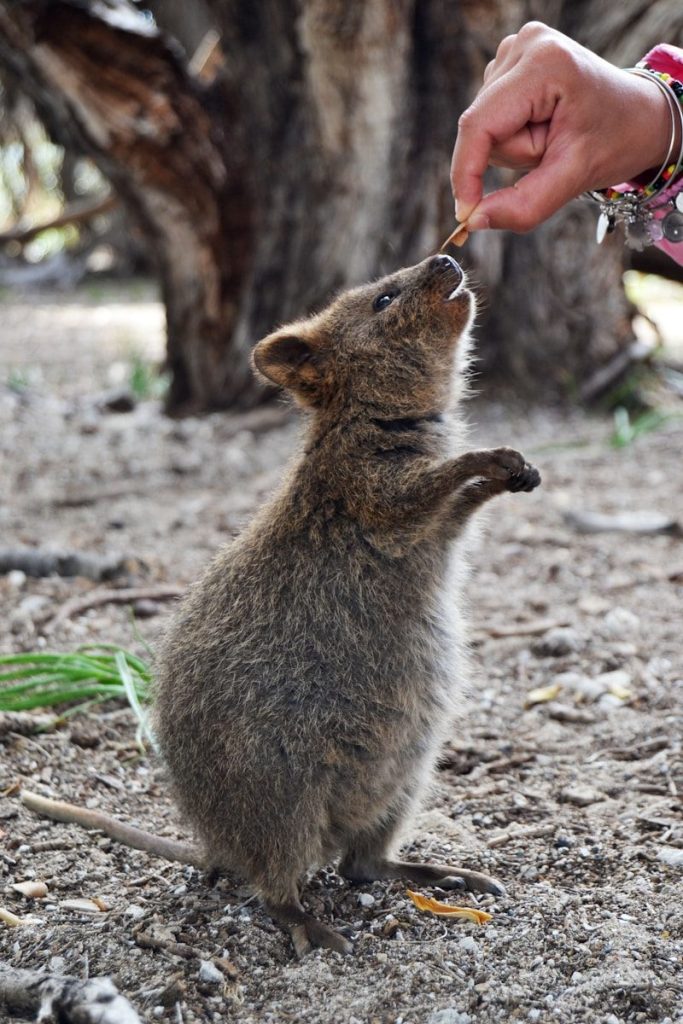
The incredible friendliness of quokkas has made Rottnest Island a popular tourist destination, with visitors eager to snap selfies. While these interactions can be heartwarming, they pose significant risks to the animals’ health. Many tourists try to feed quokkas human foods like bread, chips, or fruit, which are extremely harmful. These processed foods can cause severe dehydration, tooth decay, and digestive blockages, making it crucial for visitors to appreciate them from a safe distance and never offer any unnatural snacks to them at all during visits.
The Kangaroo Cousins

Although they are much smaller and look like large rodents, quokkas are actually members of the macropod family. This means they are closely related to kangaroos and wallabies, sharing many of the same physical traits. Like their larger cousins, female quokkas have a pouch where they raise their developing joey for several months. They also hop on their strong hind legs and can climb small trees and shrubs to reach fresh, green leaves, showing their true kangaroo lineage in every single powerful hop they successfully take.
Strict Legal Protections

To ensure the survival of these unique marsupials, the Australian government has established strict laws protecting them. It is illegal to touch, feed, or harass a quokka on Rottnest Island, and violators face heavy fines of up to three hundred dollars. These strict regulations are designed to keep the animals wild and protect them from diseases carried by humans. Local rangers actively monitor tourist areas to enforce these laws, educate the public on wildlife safety, and keep the delicate island ecosystem completely safe and highly secure.
Guarding the Smile

The International Union for Conservation of Nature currently lists the quokka as a vulnerable species due to several factors. On the Australian mainland, habitat destruction, wildfires, and introduced predators have severely reduced their numbers. Protecting the predator-free environment of Rottnest Island is critical to preventing their extinction. By supporting conservation programs and practicing responsible tourism, society can ensure that these cheerful-looking marsupials continue to smile and thrive for generations to come, bringing endless joy to our wonderful and incredibly diverse natural planet moving steadily forward.