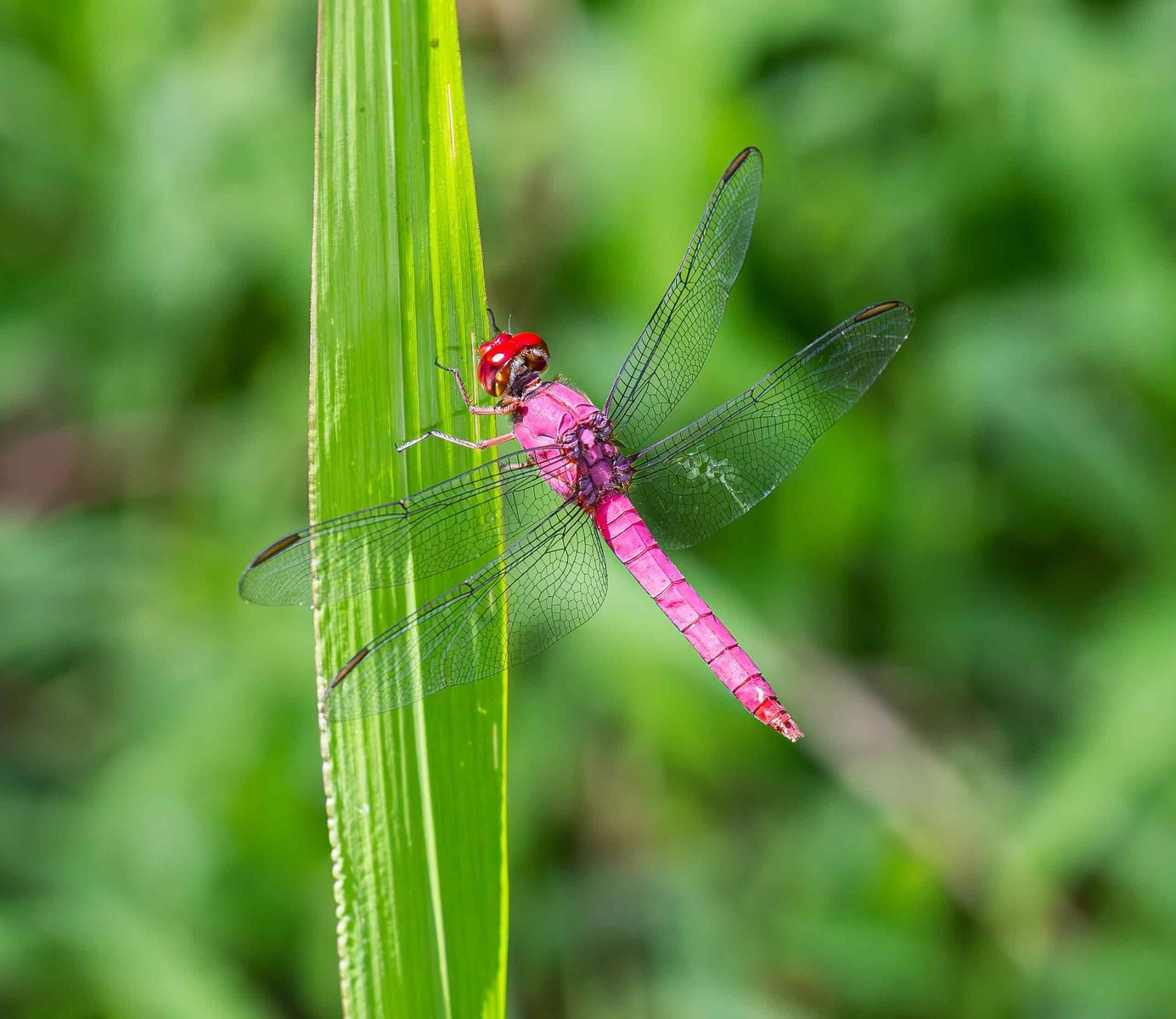
Pink animals may look unusual, but their colors are the result of fascinating biological processes rather than simple decoration. From pale pink birds to marine creatures with rosy shades, nature has produced many species with unique appearances. These colors can come from pigments, diet, genetics, or a lack of typical coloration found in other members of the same species.
Although pink wildlife is uncommon compared with colors like brown, green, or black, it appears in many different environments across the planet. These animals show how evolution creates incredible diversity and how appearance can sometimes provide clues about an animal’s biology, habitat, and survival strategies.
Pink Flamingos Get Their Color From Food

Flamingos are among the most famous pink animals on Earth, but they are not born with bright pink feathers. Young flamingos hatch with gray or white feathers, and their color develops from their diet. They eat algae and small crustaceans containing carotenoid pigments, natural compounds that create orange and pink shades. The amount of pigment in their food influences how strong their coloration becomes. A healthy diet helps adult flamingos maintain their recognizable pink appearance.
Pink Dolphins Are Extremely Rare

Some dolphins have unusual pink coloring, including the Amazon river dolphin, also known as the boto. These freshwater dolphins can appear pink because of differences in skin pigmentation, blood vessel visibility, and age. Some individuals become more pink as they grow older. Unlike typical ocean dolphins, Amazon river dolphins live in freshwater environments and are adapted to rivers and flooded forests. Their rare appearance has made them one of the most fascinating aquatic mammals.
Pink Grasshoppers Have Genetic Differences
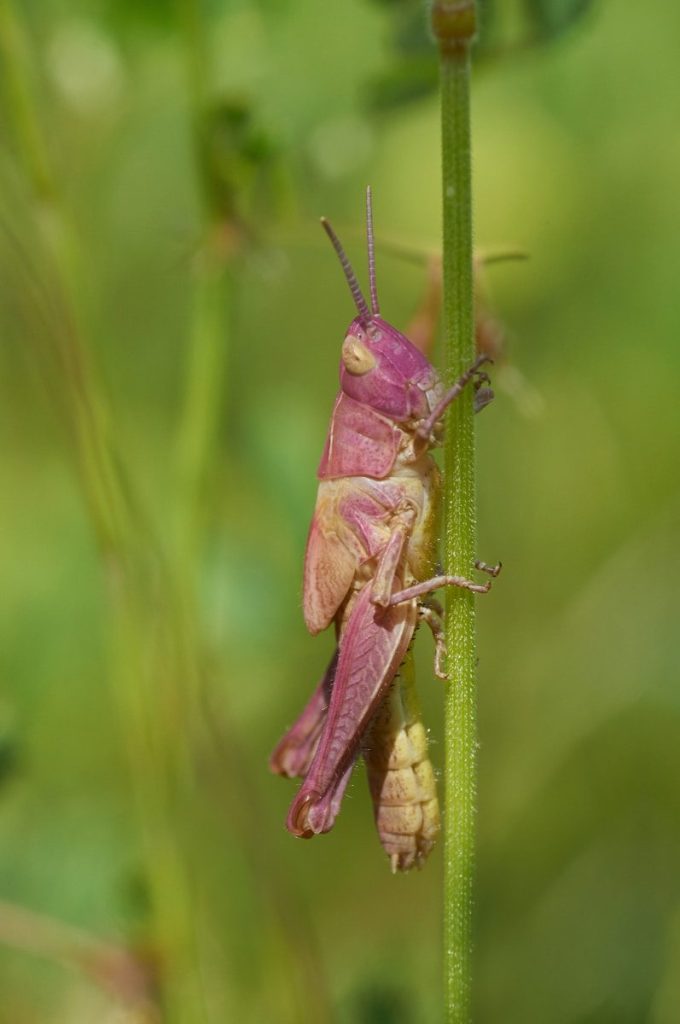
Pink grasshoppers are rare examples of unusual insect coloration caused by genetics. Many pink grasshoppers have a condition called erythrism, where genetic differences affect normal color production. Their bright appearance can make them easier for predators to notice because they lack the typical camouflage of green or brown grasshoppers. Despite this disadvantage, some survive long enough to reproduce. Their existence shows how genetic variation creates unexpected traits in animal populations.
Pink Mantis Shrimp Show Ocean Diversity

Mantis shrimp are known for their incredible vision and powerful hunting abilities, but some species also display striking pink and colorful patterns. Their bright colors can vary depending on species, environment, and body structure. These marine animals use specialized features to detect light and movement underwater. Their appearance reflects the incredible diversity found in ocean ecosystems, where animals have evolved many different ways to survive, communicate, and interact with their surroundings.
Pink Katydids Stand Out in Nature

Pink katydids are another example of rare insect coloration linked to genetic variation. Most katydids are green because it helps them blend into leaves and vegetation, but some individuals develop pink coloring due to unusual pigmentation. This bright color can make survival more difficult because predators may spot them more easily. However, these rare insects continue to appear in nature, showing that unusual genetic traits can sometimes persist within populations.
Pink Axolotls Have Unique Appearance

Axolotls are aquatic salamanders famous for their ability to regenerate body parts and their unusual appearance. Some captive axolotls have pale pink bodies with visible red gills because of a genetic condition called leucism, which reduces skin pigmentation. These animals are not naturally bright pink in the wild, where darker colors provide better camouflage. Their popularity in research and as pets has made them one of the most recognized unusual-looking amphibians.
Pink Animals Are Not Always Born Pink

Many animals with pink coloring develop their appearance through biological processes rather than being permanently pink from birth. Diet, age, genetics, and environmental factors can all influence coloration. For example, flamingos become pink because of their food, while some insects appear pink due to genetic changes. Understanding these differences helps scientists study how animals develop traits and how coloration affects survival in different environments.
Color Can Affect Survival
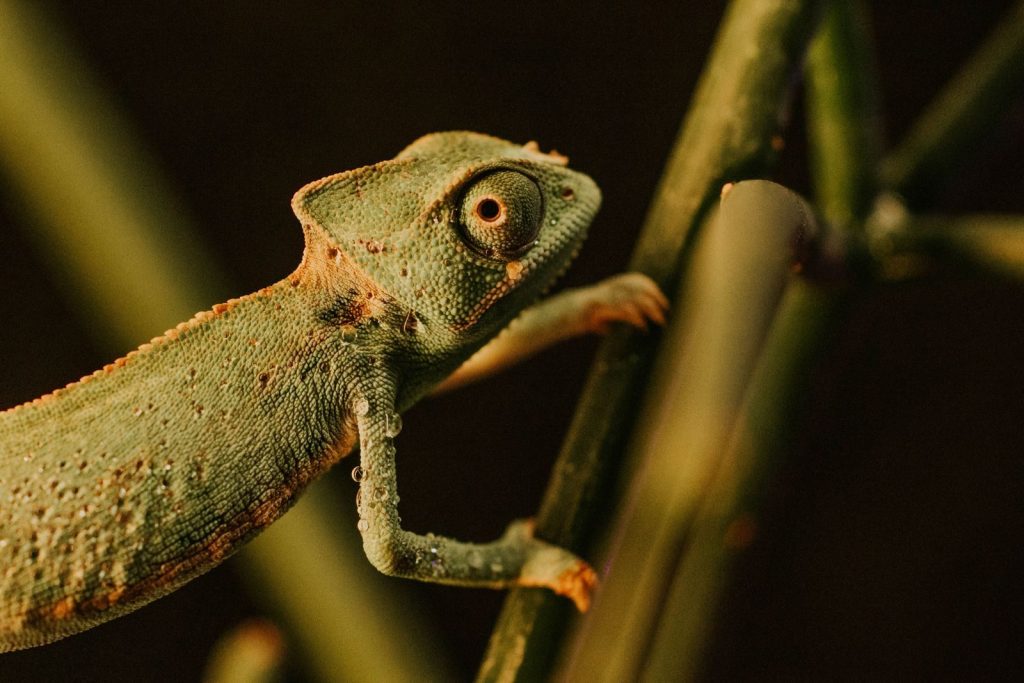
Animal colors often serve important purposes, including camouflage, communication, warning signals, and attracting mates. Bright pink coloration may help some animals stand out for communication, but it can also increase visibility to predators. The effect depends on the species and its environment. In some habitats, unusual colors may create challenges, while in others they may have little impact. Evolution balances appearance with survival needs over generations.
Rare Colors Reveal Nature’s Diversity

Pink animals remind us that nature is full of unexpected variations. Their unusual appearances are created through complex relationships between genetics, environment, and adaptation. While they may seem like exceptions to the natural world, they represent the incredible diversity found among Earth’s species. Protecting habitats allows scientists and wildlife enthusiasts to continue discovering the many unique forms of life that make our planet remarkable.
Featured Image: Photo by Ailan Knights on Pexels