A viral-style story about a baby leopard in sugarcane matches a well-documented rescue in Maharashtra, India, but the verified case involved four cubs rather than one. In March 2018, farmers discovered the tiny leopards in a sugarcane field and contacted authorities. Wildlife SOS and the Forest Department responded, hoping to return the roughly 20-day-old cubs to their mother instead of allowing a temporary separation to become permanent.
The reunion also illustrates a wider pattern in parts of Maharashtra, where leopards sometimes use tall sugarcane as cover for giving birth and hiding young. Farmers can encounter cubs during field work even when the mother is still nearby or has left temporarily. Modern reunion programs therefore focus on quick veterinary checks, minimal disturbance, safe placement near the discovery site, and remote monitoring while the mother has an opportunity to return.
Sugarcane Field Cubs
Farmers in Takali Haji village, in Maharashtra’s Shirur range, found four leopard cubs in a sugarcane field in March 2018. The cubs were only about 20 days old, making them far too young to survive independently. Rather than trying to keep or move the animals themselves, the farmers alerted officials. That decision was important because a young wild animal found alone is not automatically orphaned. In leopard habitat, a mother may leave cubs concealed while she moves elsewhere, including when hunting or avoiding nearby human activity.
Twenty-Day-Old Cubs
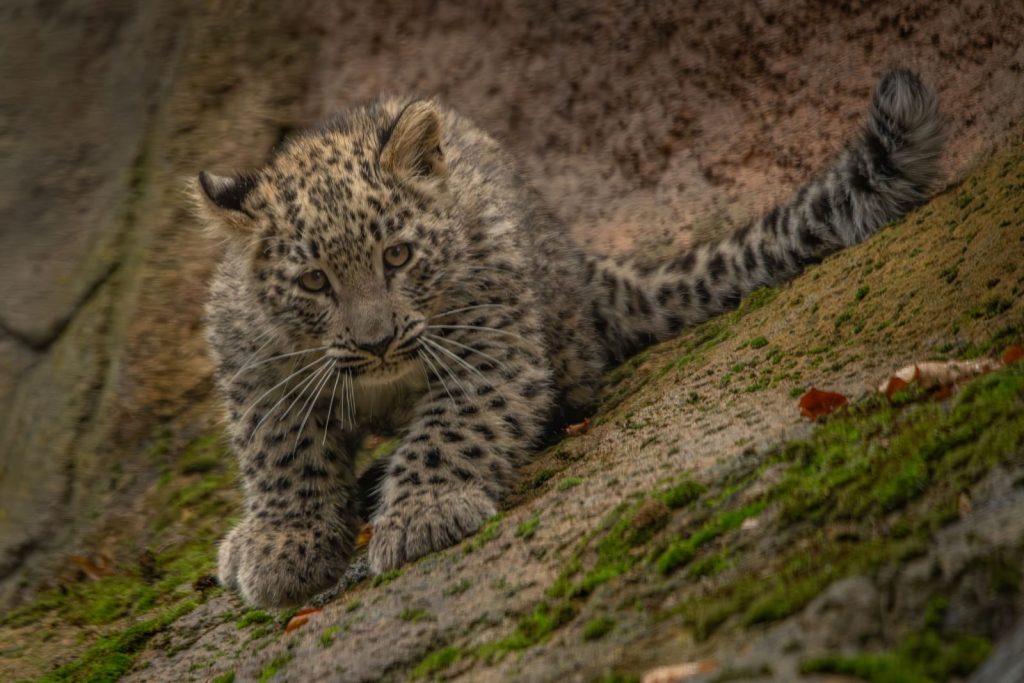
Wildlife SOS and Forest Department personnel reached the cubs and assessed their condition. At about 20 days old, the four animals were still dependent on their mother for milk, protection, and the later development of survival skills. Keeping such cubs in captivity unnecessarily can permanently change their future, which is why reunification is preferred when it can be done safely. The rescue team performed a quick health check rather than beginning long-term hand-rearing, because the immediate goal was to restore the natural mother-cub relationship as soon as possible.
Wildlife SOS Team
Wildlife SOS has worked with Maharashtra forest officials for years on leopard conflict mitigation and cub reunions. The organization’s approach is designed to keep healthy young leopards in the wild whenever their mother can be located indirectly through a return to the original area. More recent cases show that this is not an isolated challenge: cubs continue to be found in sugarcane fields, and trained teams use veterinary assessment, protected containers, camera traps, and local cooperation to give mothers a chance to retrieve their young safely.
Reunion Crate

After the cubs were judged healthy enough for reunion, rescuers placed all four in a secure crate near the area where their mother had been seen. The container protected the cubs while allowing the mother to detect them. Teams use this kind of controlled setup because simply releasing very young cubs into an open field could expose them to additional hazards. The location also matters: returning cubs close to where they were found increases the chance that the mother, already familiar with the area, can locate them without prolonged human interference.
Hidden Camera
A hidden camera was positioned near the reunion crate so rescuers could watch without standing close to the cubs. Remote monitoring reduces the human presence that might discourage a cautious wild leopard from approaching. It also creates a record of whether the mother actually returned and what happened afterward. Camera traps are now widely used in similar Wildlife SOS reunions. For the 2018 cubs, this setup meant the team did not have to guess about the outcome or remain beside the crate during the most sensitive part of the operation.
Mother Leopard Returns

About an hour after the cubs were placed for reunion, the mother leopard appeared near the crate. Video showed her sniffing around the container before opening it. She then carried the cubs away one at a time in her mouth, moving them from the reunion site. The footage confirmed that the young animals had not been abandoned permanently and that the mother was capable of taking over their care again. Importantly, the successful outcome came from giving the leopard space rather than trying to force a close human-animal interaction.
Sugarcane Leopard Habitat

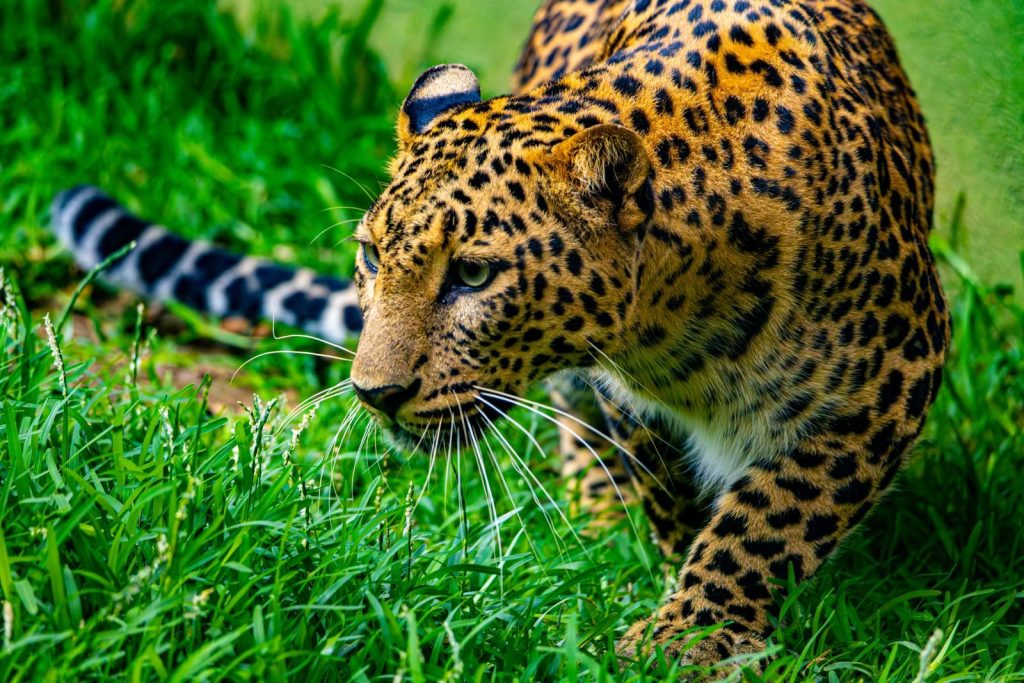
Dense sugarcane can resemble useful cover to a leopard searching for a secluded place to hide young. In heavily cultivated areas of Maharashtra, that brings breeding leopards into landscapes where people work every day. Wildlife SOS says cub discoveries often occur during harvesting, when the vegetation that concealed them is suddenly cut back. The resulting encounter is not necessarily evidence that a leopard chose to approach people. It reflects overlapping use of the same landscape, making fast communication between farmers, forest officials, and wildlife specialists essential for avoiding unnecessary conflict.
Leave Cubs Undisturbed

The broader lesson from leopard reunions is that finding a cub alone does not justify immediately removing it as an orphan. Wildlife specialists advise contacting the responsible forest or wildlife authority and avoiding unnecessary handling. A mother may be nearby, and moving a cub far from the discovery site can make reunion harder. India’s ongoing reunion work has shown that carefully managed returns can keep many cubs out of permanent captivity. The safest response for both people and leopards is professional assessment rather than an improvised rescue by bystanders.
Featured Image: Photo by Riatha Eloff on Pexels