Asia spans tropical rainforests, high mountains, bamboo forests, islands, wetlands, and cold grasslands, creating extraordinary opportunities for species to evolve in isolation. Some animals occur naturally across several Asian countries, while others survive on only a few islands or within narrow mountain ranges found nowhere else on the planet today.
The animals here are native exclusively to Asia, although some also live in zoos elsewhere. Their restricted natural ranges make habitat protection especially important. From giant pandas in China to Komodo dragons in Indonesia, these species show how geography, climate, and isolation can produce wildlife with different forms and lifestyles.
Giant Panda

Wild giant pandas occur naturally only in China, mainly in mountain forests of Sichuan, Shaanxi, and Gansu. These cool forests contain dense bamboo understories that provide most of the panda’s food. Smithsonian reports that habitat loss and development pushed the species out of much of its former lowland range. Their thick coats, powerful jaws, large molars, and modified wrist bones help them handle a highly specialized bamboo-based lifestyle in mountain forests.
Komodo Dragon
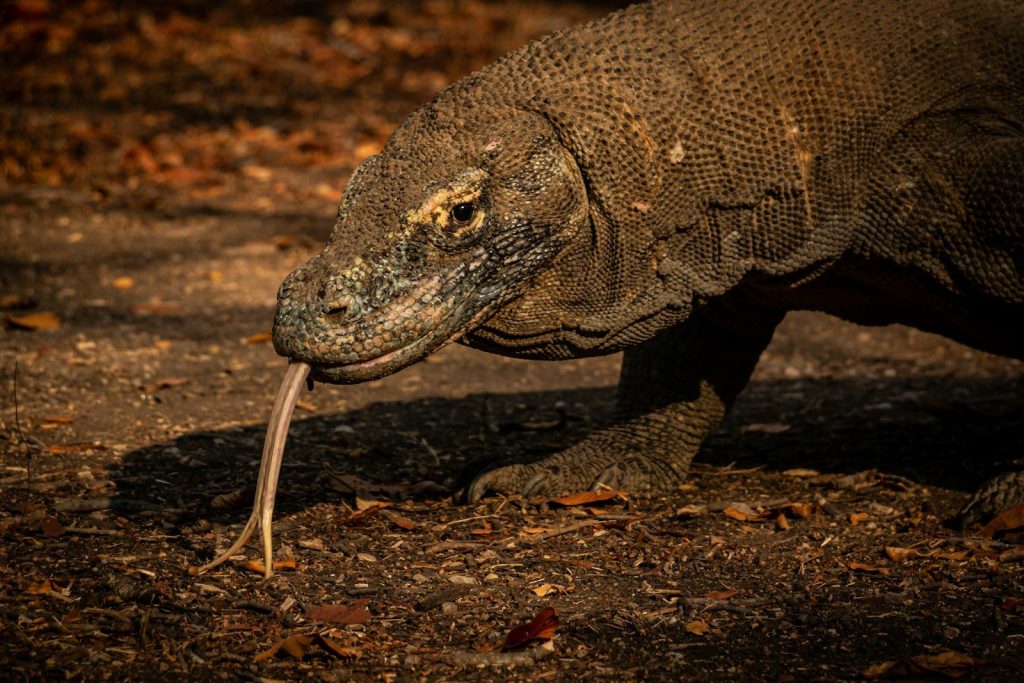
Komodo dragons are found naturally only on a small group of Indonesian islands. Komodo National Park was established in 1980 partly to protect this unique giant lizard and its habitat. Adults hunt animals including deer, wild pigs, and other vertebrates, while young dragons spend more time in trees. Their extremely limited distribution means changes to island habitats can affect a large share of the species’ remaining wild population today in Indonesia.
Saola
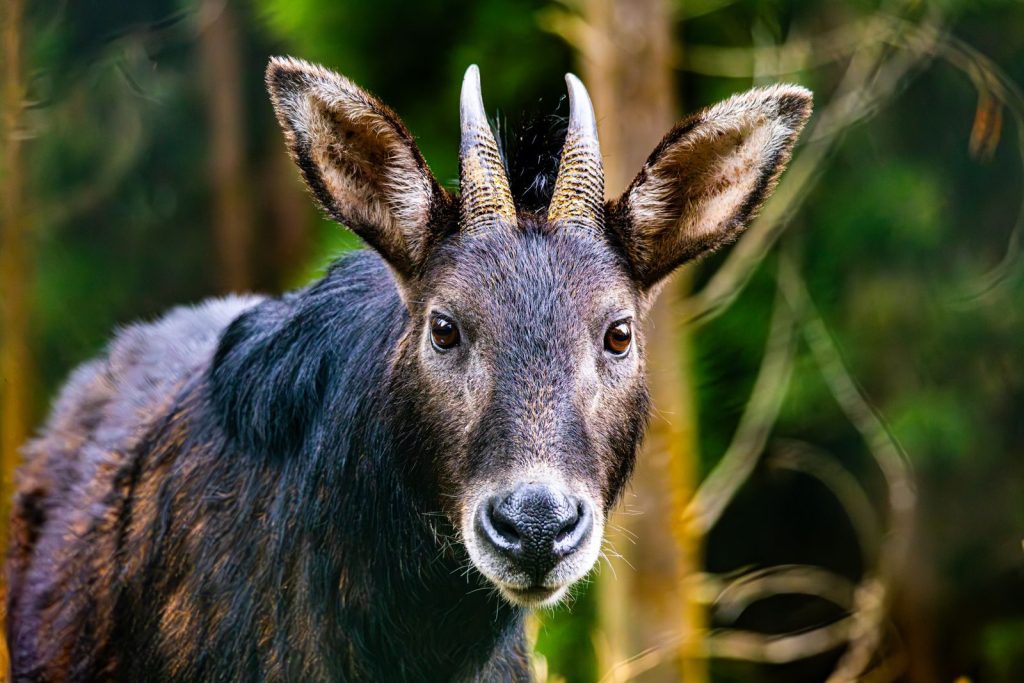
The saola is one of Asia’s most elusive large mammals. It is known only from the Annamite Mountains along the border of Viet Nam and Lao PDR. Scientists first documented the species in 1992 after discovering unusual horns in local villages. Saola live in evergreen forest and are rarely observed directly, which makes basic questions about population size and behavior difficult to answer. Snares and habitat pressures make conservation particularly urgent.
Orangutans
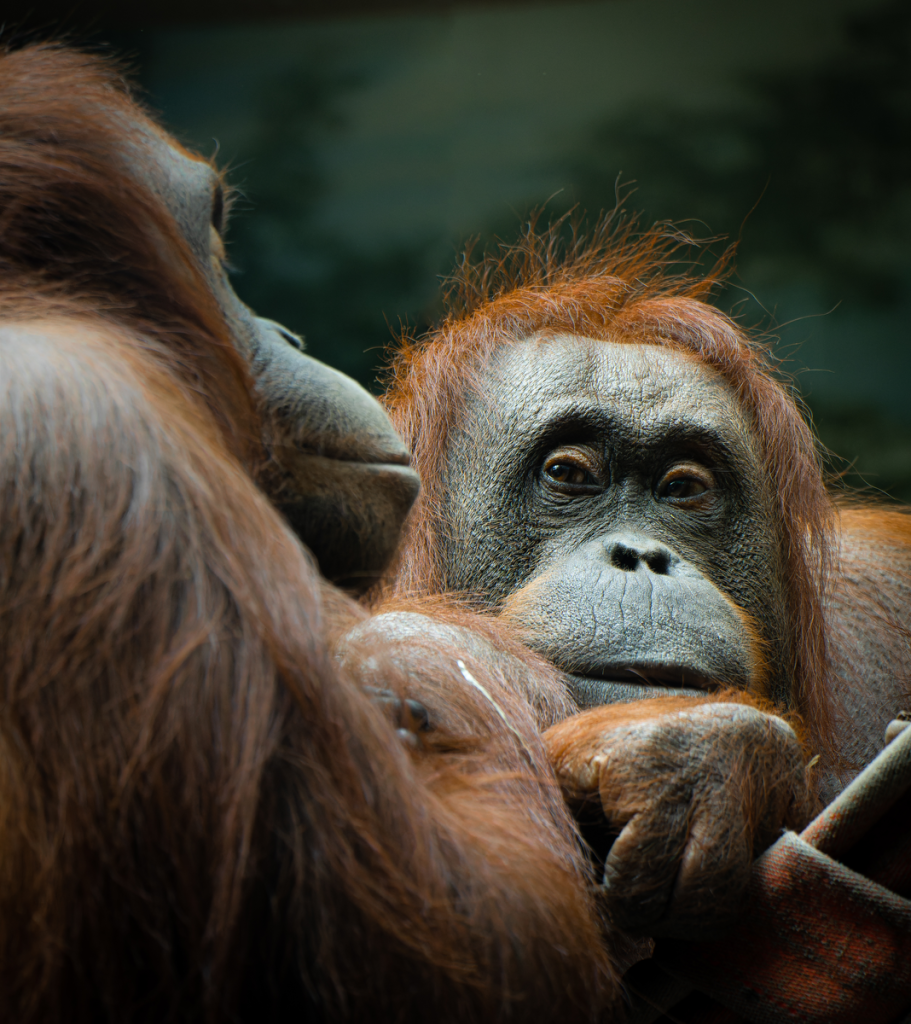
All three living orangutan species are native only to the islands of Borneo and Sumatra. These great apes spend much of their lives in trees, using long arms and powerful hands to move through the canopy. Smithsonian describes habitat loss as the main threat to Bornean, Sumatran, and Tapanuli orangutans. Forest clearing and fragmentation reduce feeding areas, nesting trees, and safe routes through landscapes that once supported much larger populations.
Snow Leopard
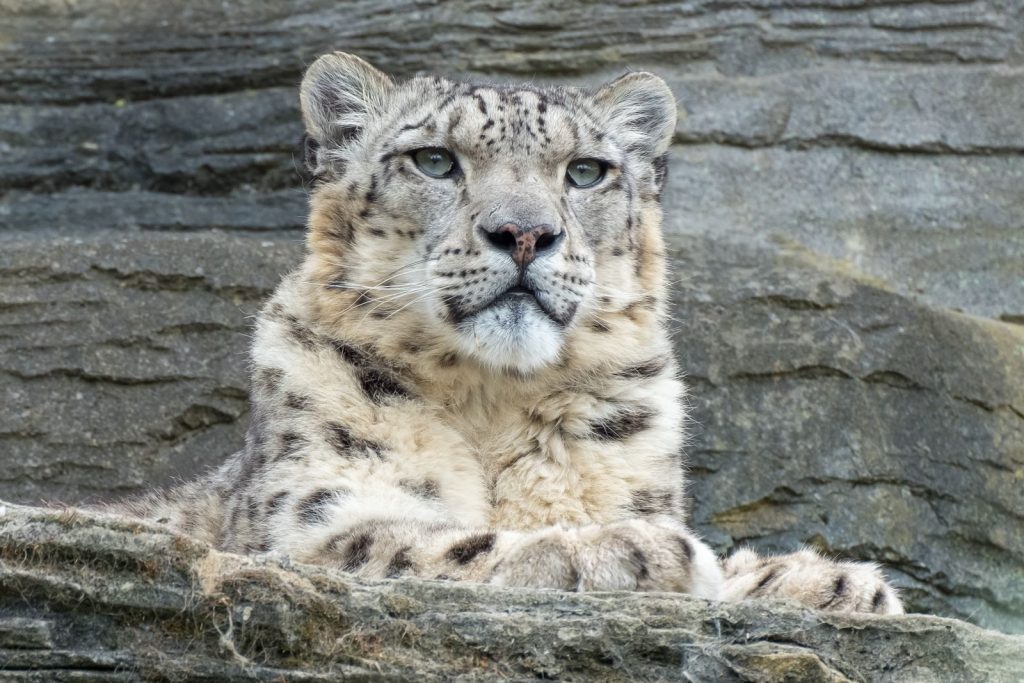
Snow leopards are found naturally only in Asia’s high mountain systems. Their range crosses 12 countries, including China, Mongolia, India, Nepal, Pakistan, Bhutan, and several Central Asian nations. Thick fur, broad paws, strong hind limbs, and a long tail help them move across cold, steep terrain. Because much of their range is remote and difficult to survey, scientists still have significant gaps in knowledge about abundance across many landscapes today.
Philippine Eagle
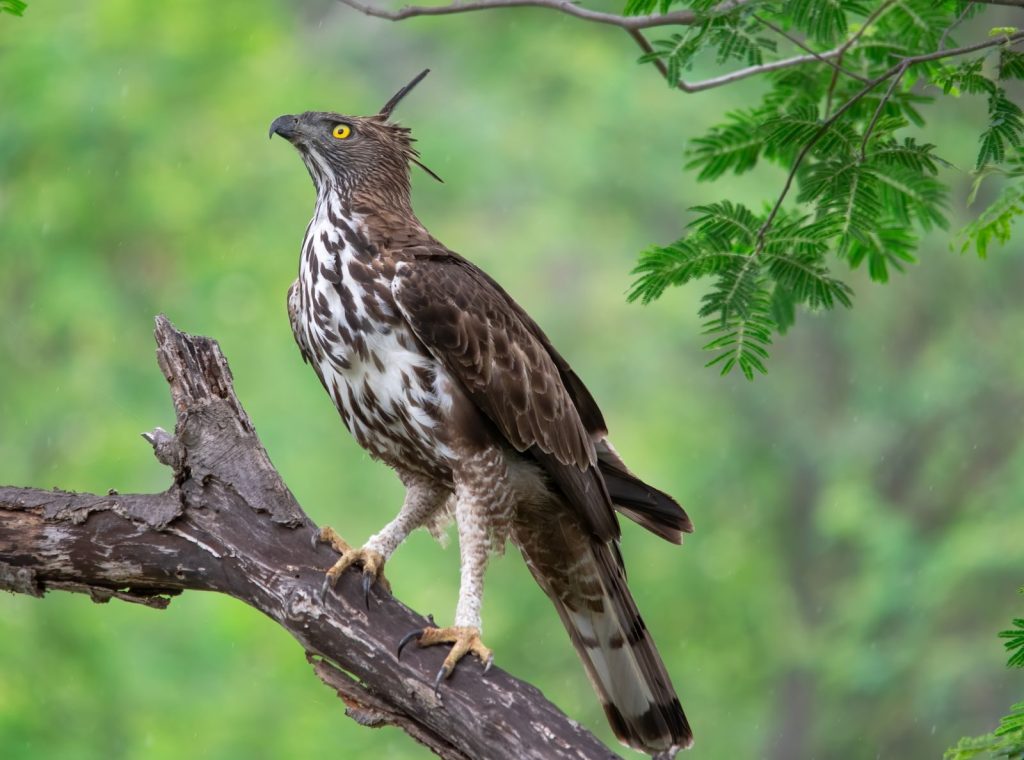
The Philippine eagle occurs naturally only in the Philippines, where it is known from Luzon, Samar, Leyte, and Mindanao. This enormous forest raptor requires extensive habitat for hunting and breeding. The Philippine Eagle Foundation identifies deforestation, shooting, and trapping as major threats. Because breeding is slow and each territorial pair needs a large area of forest, losing even individual wild adult birds or nesting territories can have serious conservation consequences.
Red Panda

Red pandas are native to high-altitude forests in the Himalayas and neighboring mountains of Asia. Their range includes Nepal, India, Bhutan, Myanmar, and China. Dense fur protects them from cold conditions, while flexible ankles and sharp claws allow controlled climbing through trees. Bamboo makes up most of their diet. Although they occur across several countries, they are found naturally nowhere outside Asia, and habitat loss and degradation remain major threats.
Clouded Leopard
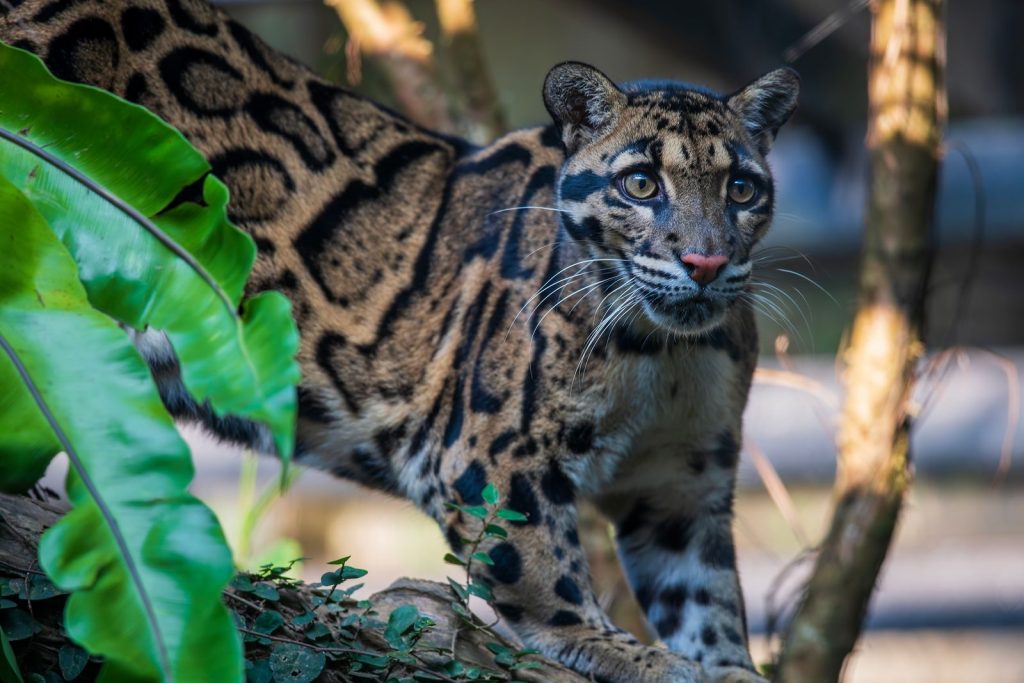
The mainland clouded leopard is native only to Asia, ranging from the Himalayan foothills through parts of South and Southeast Asia into southern China. Large paws, flexible ankles, and a long tail make it an exceptional climber, while unusually long canine teeth help subdue prey. It should not be confused with the Sunda clouded leopard of Borneo and Sumatra, which is recognized as a separate species. Habitat loss and hunting threaten both cats.