The animal commonly shown racing across snowy Arctic landscapes is an Arctic hare, not simply a domestic-style rabbit. BBC Earth has documented an Arctic wolf pursuing a large group of Arctic hares, while scientific research confirms that these hares can form an important food source for wolves where larger ungulates are scarce. The outcome of every chase is far from predictable.
I could not independently authenticate the exact “two wolves” clip described in the supplied title, so that detail should not be treated as confirmed. The scientifically supported story is still dramatic. Arctic hares survive in open, exposed country where predators can spot them, and they rely on camouflage, rapid acceleration, unpredictable movement, vigilance, and numbers to improve their chances of escaping.
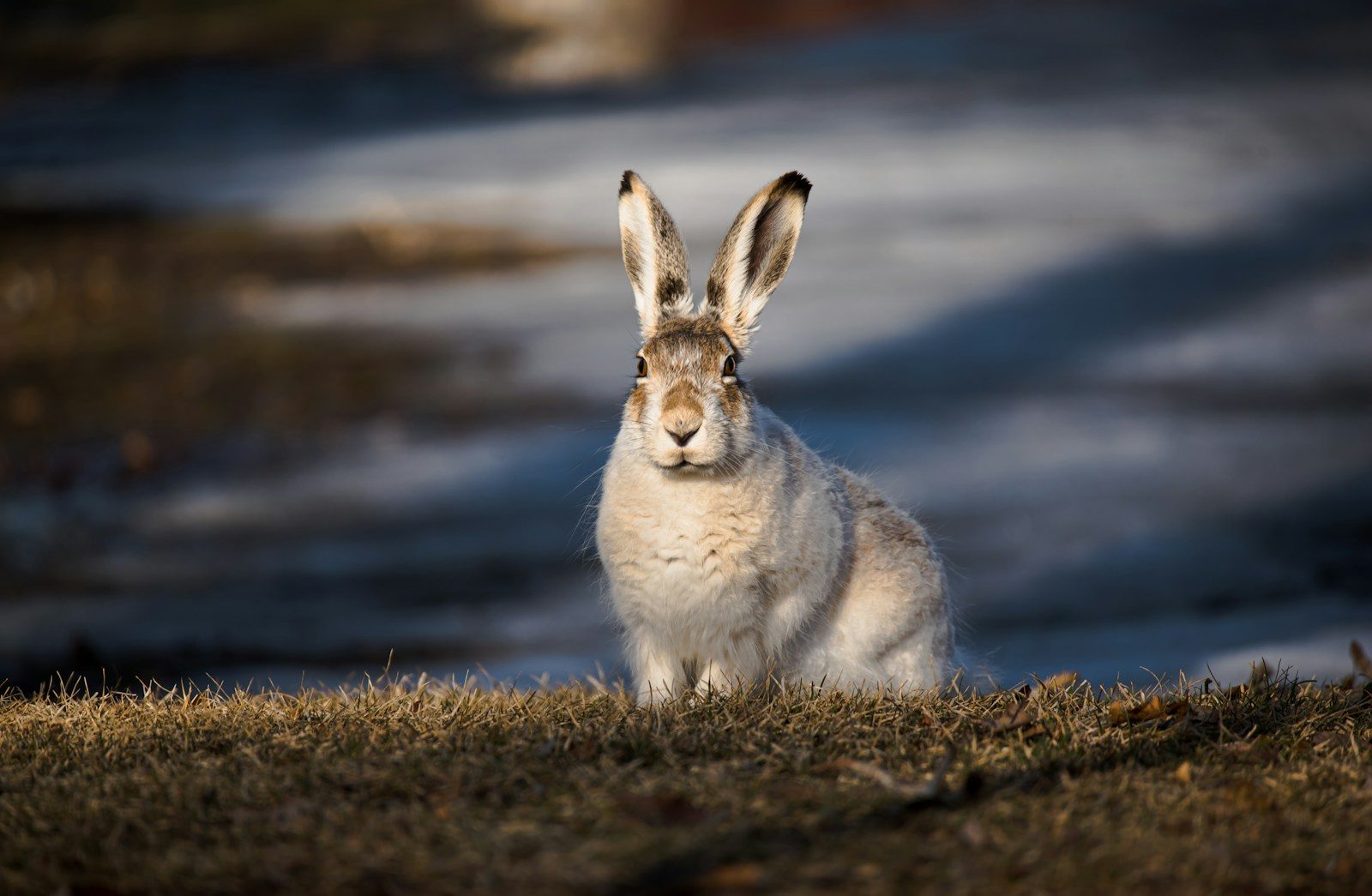
Arctic Hare
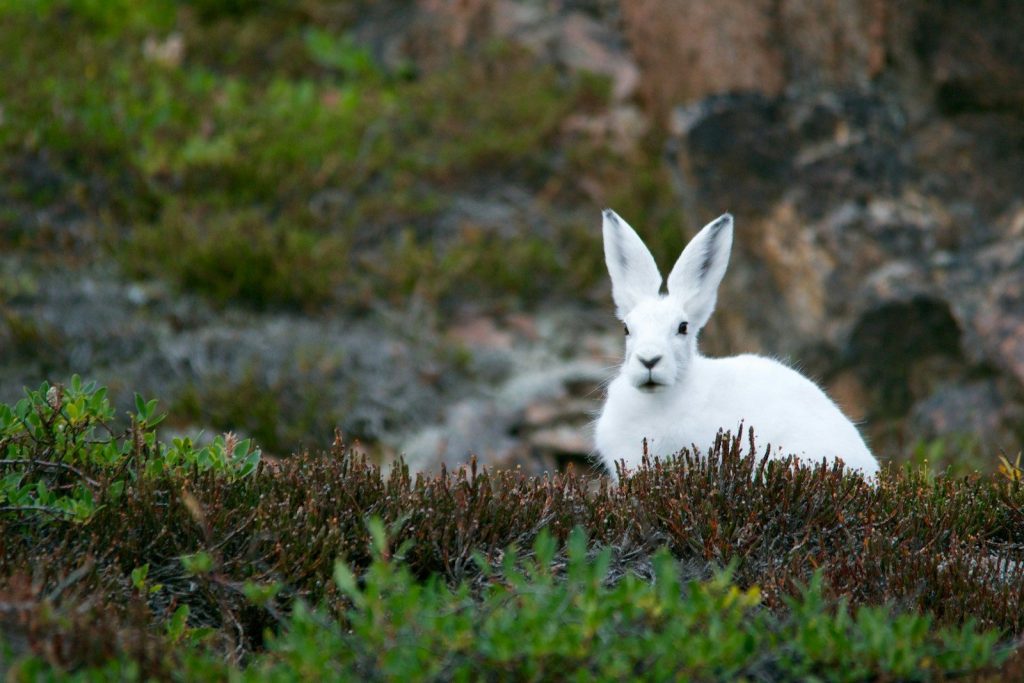
Arctic hares are built for an environment where hiding places may be scarce and winter conditions are severe. Their compact bodies, shortened ears, thick fur, and substantial fat reserves help reduce heat loss. Seasonal coat coloration also provides camouflage against changing surroundings, particularly when white winter fur blends with snow. Camouflage cannot make a moving hare invisible once a wolf begins chasing it, but it can reduce the chance of detection before the pursuit starts, which may be the most valuable advantage of all.
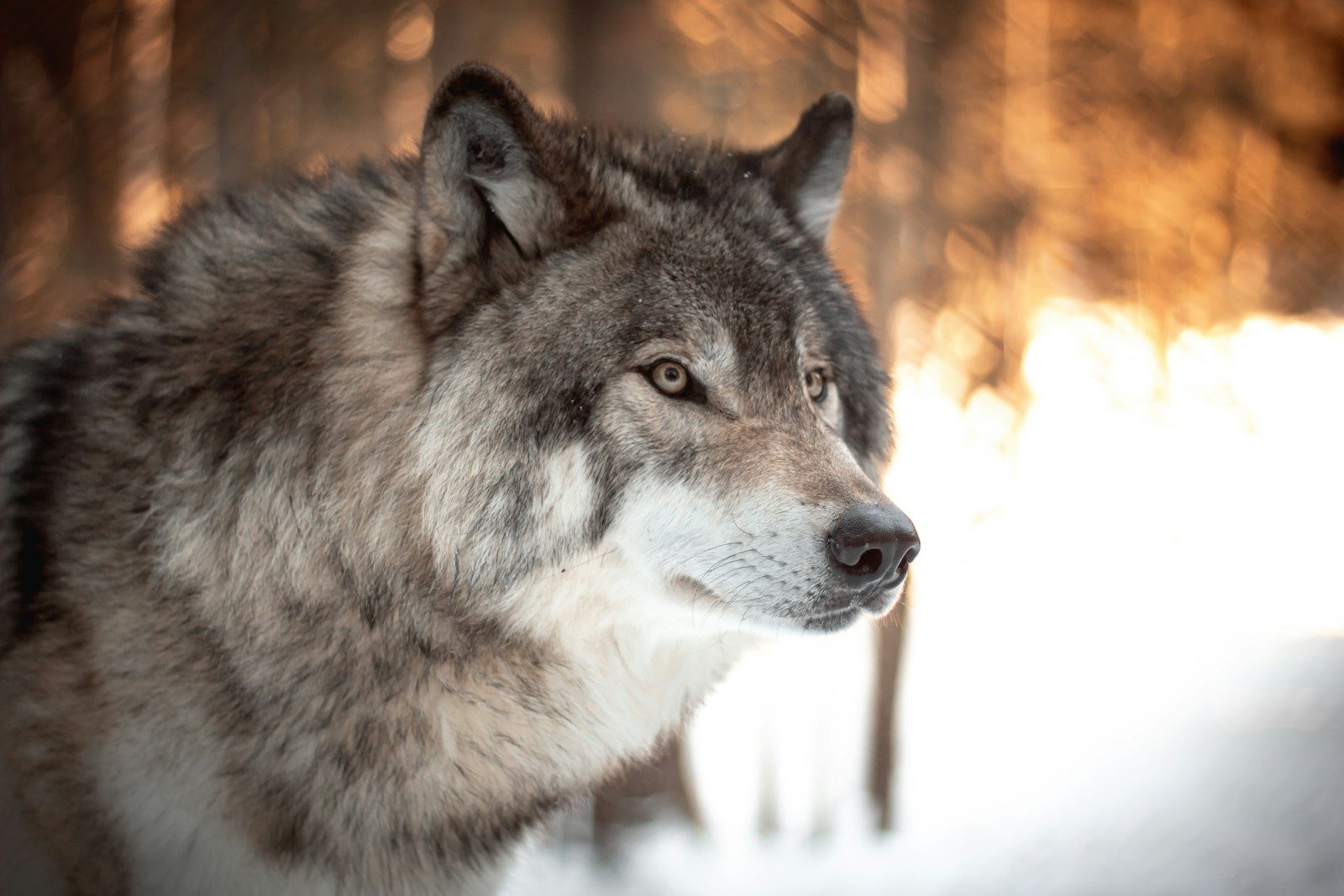
Arctic Wolf
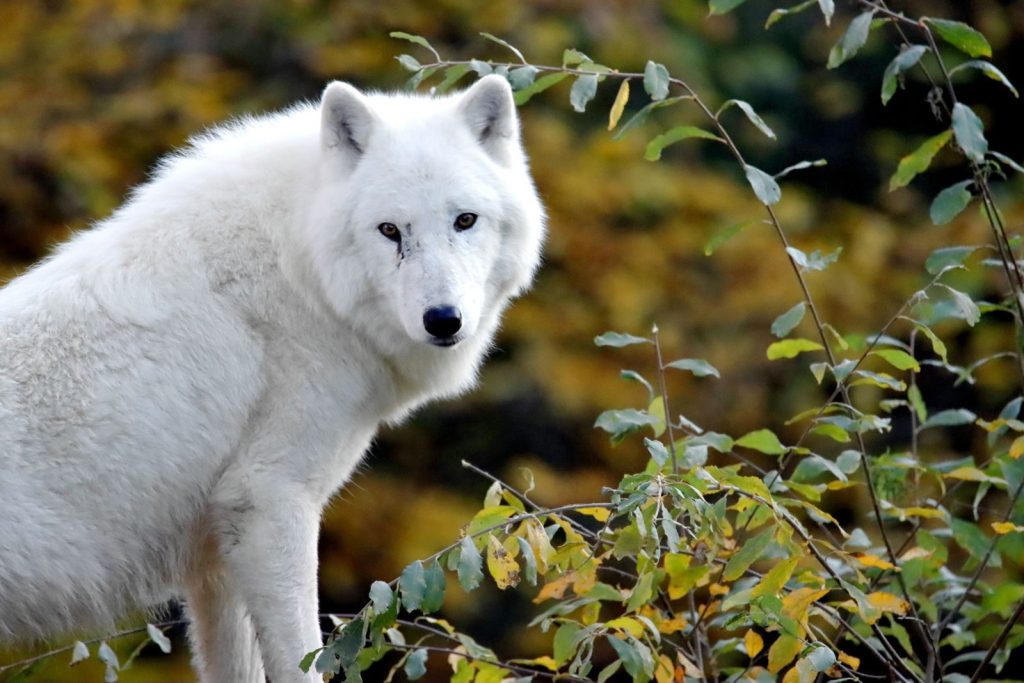
Arctic wolves are gray wolves adapted to northern environments where prey can be widely scattered. The Toronto Zoo lists muskoxen, caribou, Arctic hares, ptarmigan, lemmings, and other small animals among their foods. Research at the northern edge of the wolf’s range also found Arctic hare remains frequently in wolf scat, showing that small prey can become important where large ungulates are limited. A wolf chasing a hare is therefore not unusual behavior, even though a single hare provides a much smaller reward.
White Camouflage
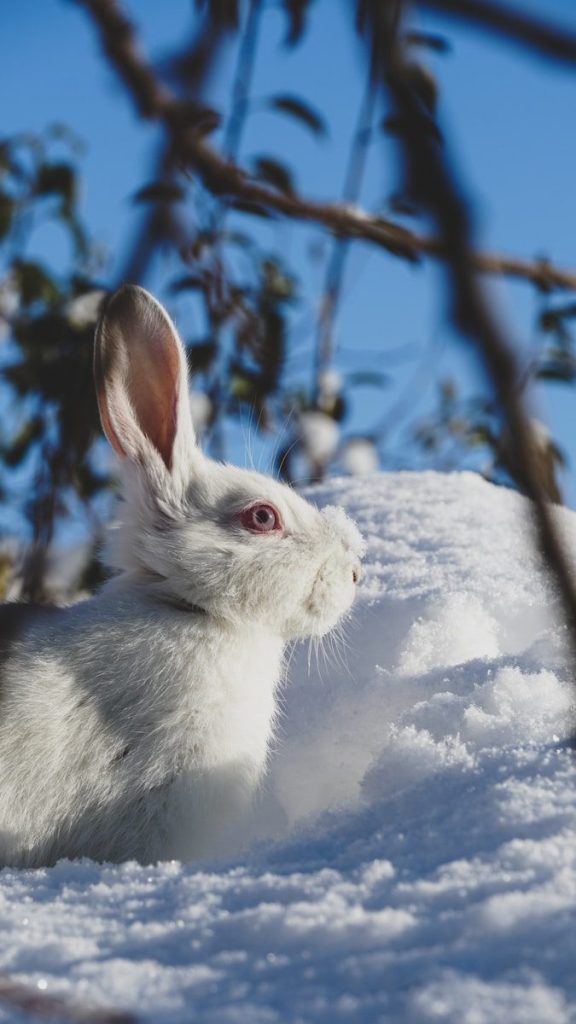
An Arctic hare’s winter coat can make a motionless animal surprisingly difficult to distinguish from snowy ground. The advantage is strongest before a predator has detected it. Once the hare bolts, movement gives away its position, and camouflage becomes less useful than speed and maneuverability. Seasonal coat changes also show that camouflage is tied to the environment rather than permanently fixed. In warmer periods, darker gray or brown tones can better match exposed tundra, rock, and vegetation after snow disappears.
Fast Escape
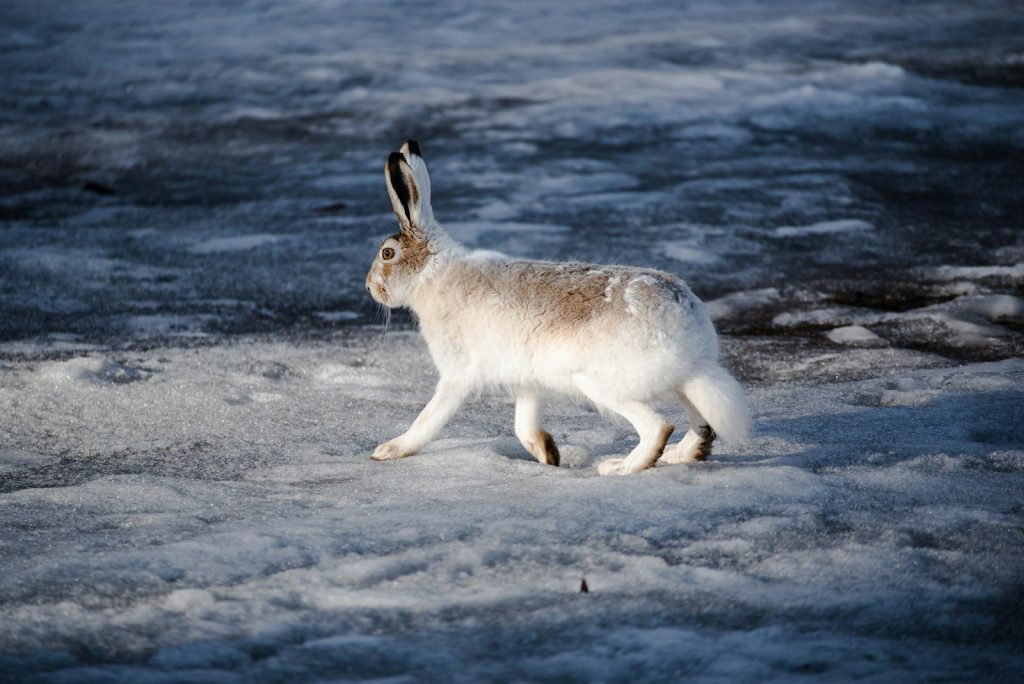
Arctic hares can move extremely quickly when threatened, using long hind legs to generate rapid acceleration across open ground. Speed matters because wolves must close enough to seize prey while avoiding wasted effort. A short burst may create enough separation for the hare to break the predator’s momentum or reach rougher terrain. The chase still depends on conditions, because deep snow, ice, slope, fatigue, and surprise can change which animal has the advantage from one moment to another.
Sudden Turns
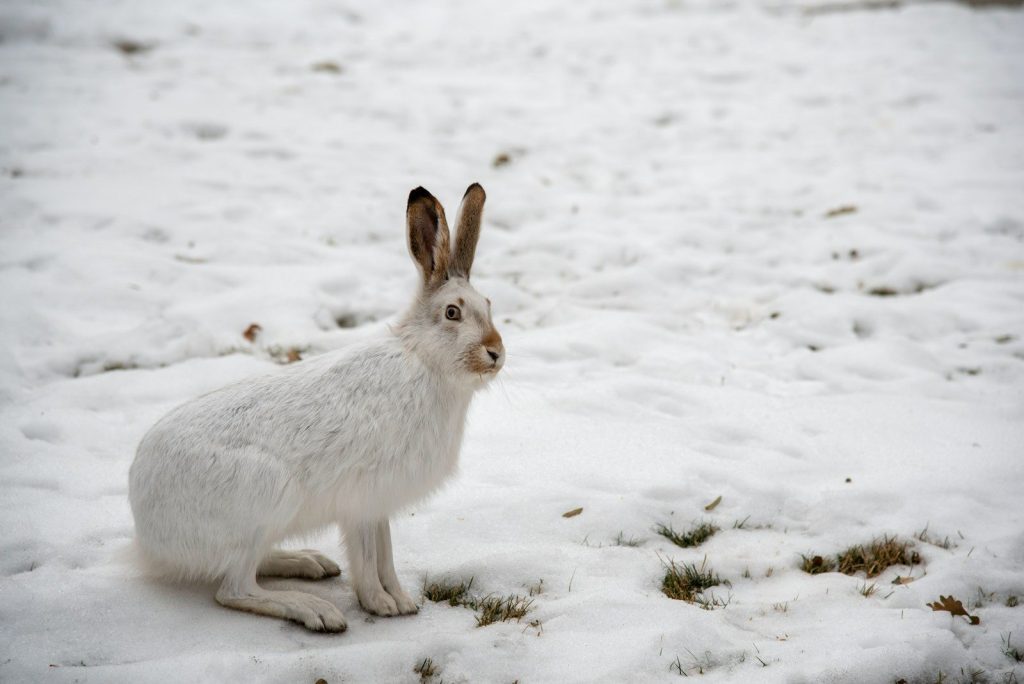
Straight-line speed is only part of escaping a predator. Small prey can make abrupt directional changes that force a heavier pursuer to turn, slow, and accelerate again. Each change can cost the wolf valuable distance. This does not guarantee escape, and there is no single maneuver that always defeats a wolf. Instead, survival can depend on repeatedly disrupting the predator’s approach long enough for the hare to open a gap, reach difficult terrain, or become one moving target among many others.
Hare Groups
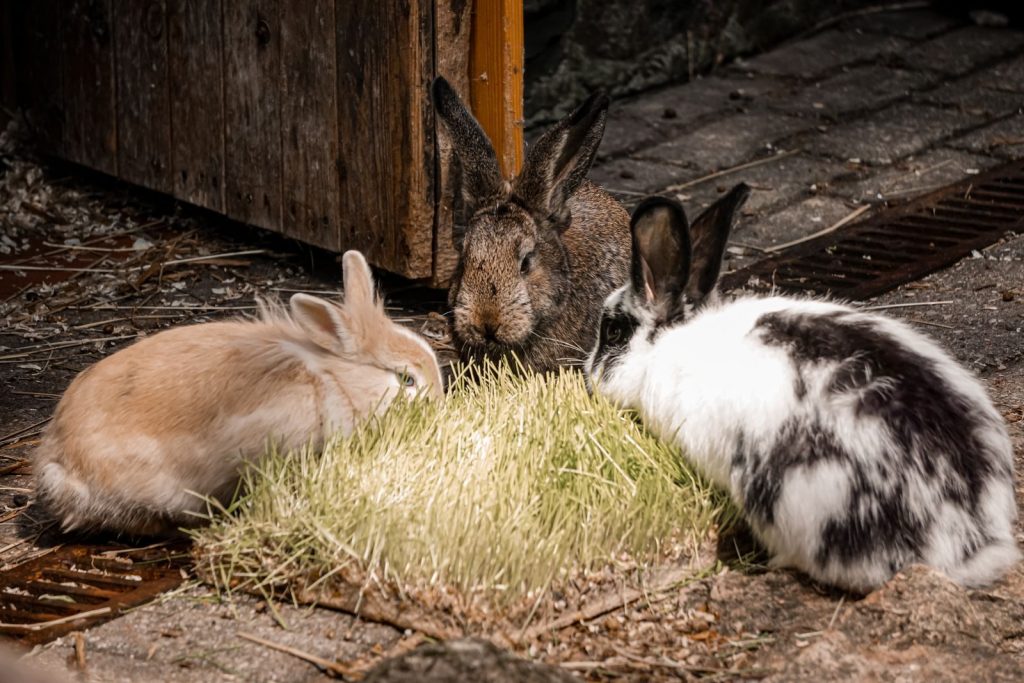
Arctic hares sometimes gather in surprisingly large groups, creating a spectacle when predators approach. BBC Earth documented a wolf attempting to select one hare from among hundreds. Grouping does not make each individual safe, but many rapidly moving animals can complicate a predator’s task of tracking one target. The wolf must commit to a particular hare instead of chasing every animal at once. For each hare, the presence of many neighbors can therefore change the dynamics of detection, pursuit, and target selection.
Wolf Persistence
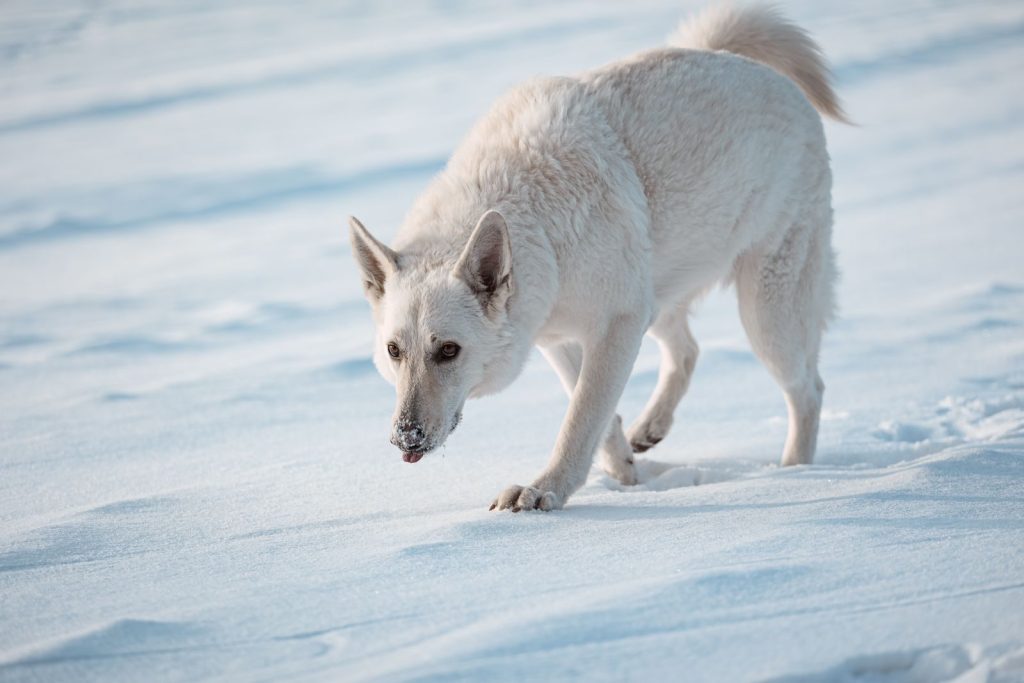
Wolves are capable endurance hunters, but chasing a small hare still has costs. A hare offers far fewer calories than a muskox or caribou, so spending too much energy on an unsuccessful pursuit would be inefficient. BBC Earth’s Arctic hare footage emphasizes this imbalance: even catching one hare does not provide a particularly large meal for a wolf. Predators therefore face a constant economic problem in nature, balancing the energy spent searching and chasing against the nutritional value of whatever prey they might capture.
Survival Odds
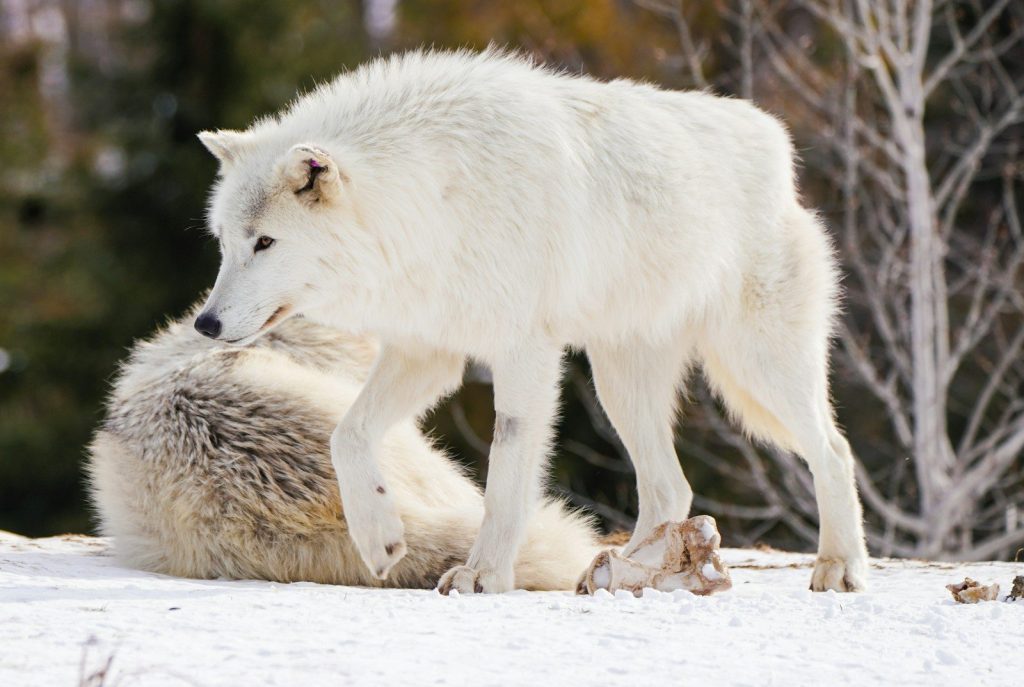
A dramatic chase video naturally focuses attention on whichever animal seems moments from winning, but neither predator nor prey has a guaranteed outcome. Wolves need food to survive, while hares need to escape repeated encounters over their lifetimes. Both are adapted to the same harsh landscape from opposite sides of the relationship. The most accurate takeaway is not that one species is superior. It is that speed, camouflage, numbers, terrain, timing, and persistence continually shift the odds during each encounter.
Featured Image: Photo by Wildlife by Irina on Unsplash